Faena’s planned Miami River residences pair expansive glazing with an art-centered identity. For collectors, the ownership decision should turn on unit-specific daylight, shading, UV and environmental specifications, rather than cultural programming alone.
A riverfront residence can offer an exceptional setting for art without necessarily providing the conditions to preserve it. At Faena Residences Miami Downtown Miami, that distinction belongs at the front of the ownership file. The planned project combines architecture by Rafael Viñoly Architects with a residential identity centered on art, music and design. Its cultural ambition is clear. Conservation performance inside an individual home requires different evidence.
For a collector considering Downtown Miami, the question is not simply whether a residence offers a compelling wall for a painting. It is whether that wall, its daylight exposure and the surrounding environment can support the particular work. A rigorous purchase review treats views, visual comfort and collection care as related but separate decisions.
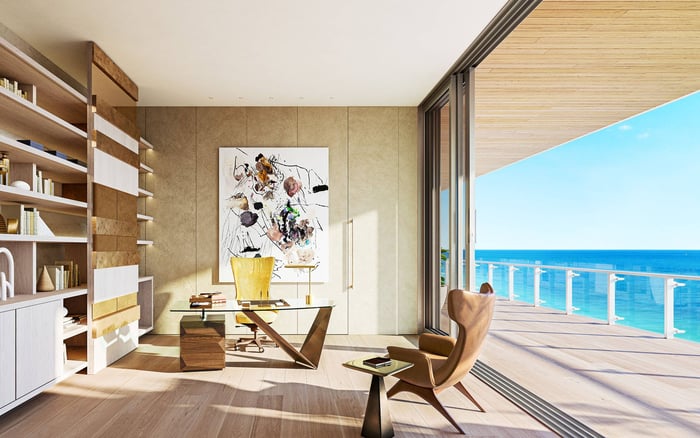
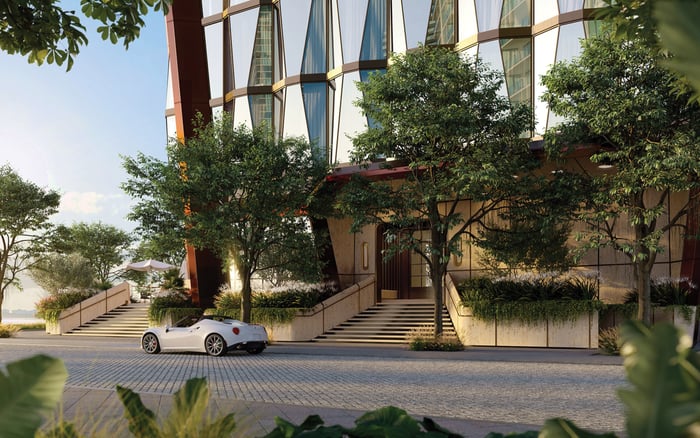
Faena Residences Miami is planned as the riverfront anchor of the Faena District Miami River. The design comprises two glass-enclosed residential towers connected by a sculptural sky bridge, with floor-to-ceiling glazing intended to frame the Miami River, Biscayne Bay and the skyline.
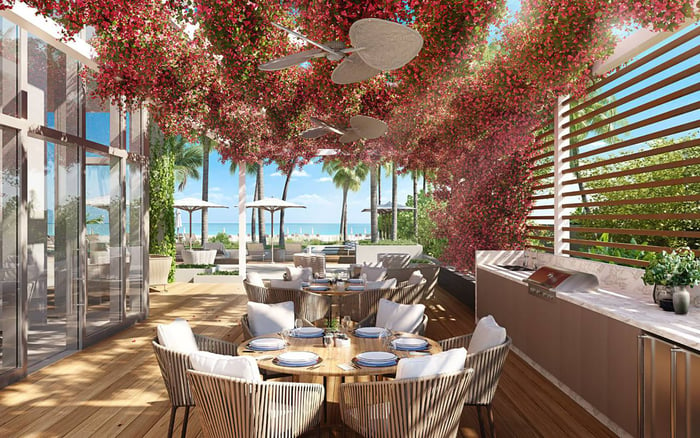
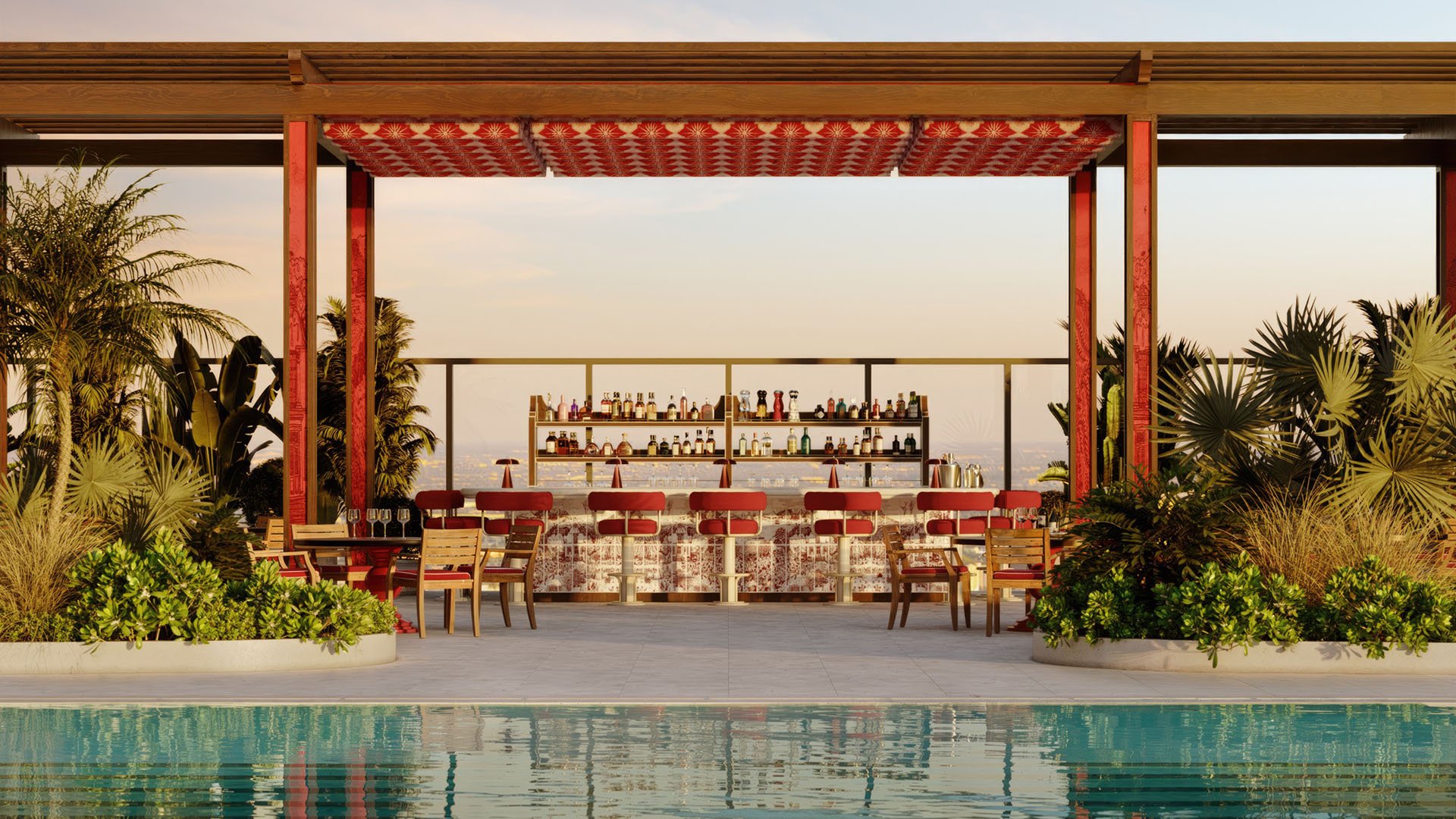
The broader district is planned across three blocks, incorporating cultural spaces, wellness facilities, a marina, recreation and public art. The planned Faena Rose Cultural Center encompasses 45,000 square feet across three floors, architecturally linked to the towers. Its proposed spaces include a library lounge, creative lounges, dining and a screening room, alongside other amenities.
These elements establish a setting for cultural life, not a technical specification for private collections. Keep the riverfront project distinct from Faena House Miami Beach when requesting documents. A shared brand is no basis for transferring assumptions about glazing, services or operating standards between properties.
Publicly disclosed specifications do not establish unit-level visible transmittance, solar heat-gain coefficients, UV transmittance or automated shading capabilities. That does not mean a particular feature is absent. It means the purchase decision should rest on current developer-issued documentation, not assumptions about what extensive glazing includes.
Request the window schedule for the actual residence, its orientation and the specifications for each relevant glazing assembly. Ask for visible-transmittance and solar-heat-gain values, UV-transmission data and available daylight or glare simulations. Have the design team relate those documents to proposed hanging locations, rather than assess the façade solely as an architectural composition.
The ownership file should distinguish what is included at delivery, what is optional and what an owner may install later. If UV film or secondary glazing is contemplated, obtain written permission before making either treatment central to the collection plan.
Glare review should reflect how the residence will be occupied. Ask the lighting consultant to assess seating, reading areas, screens and proposed art walls under daylight conditions relevant to the unit. Request available simulations for different times and seasons, considering both open-view and shaded settings.
Confirm whether shades are included, motorized, independently zoned and sensor-controlled. Ask how they would operate during normal occupancy and prolonged absence. These are questions to resolve, not established Faena specifications. A presentation of a beautifully furnished room does not demonstrate how its shading will perform in daily use.
For a buyer also considering One Thousand Museum Downtown Miami, the same unit-specific questions provide a disciplined basis for comparison. The point is not to presume equivalent systems or rank unverified performance. It is to compare the documents and operating options that matter to the same collection and lifestyle.
Glare management and conservation need separate acceptance criteria. A room that feels comfortable to its occupants still requires assessment of the exposure its artworks receive. Engage a conservator and a lighting consultant to establish artwork-specific limits and measure illuminance at proposed display locations. These are owner-side recommendations, not confirmed project services.
For preventive conservation, ultraviolet levels should be kept as close to zero microwatts per lumen as possible. The recommendation to reduce UV from lamps emitting above 75 microwatts per lumen should not be read as a universal safe target for a private residence or its windows.
UV-absorbing window films and secondary glazing are recognized exposure-reduction measures. Shades are also recommended during intense daylight, while appropriate UV-blocking glass or Plexiglas can form part of an individual work’s protection. Keep light-sensitive objects away from direct sunlight and spotlights.
Exposure duration also belongs in the display plan. Approximately three to four months at 50-150 lux, a suggested range for many collection materials, is not a universal safe allowance for every artwork. Rather than adopt that range as a household setting, ask the conservator whether it is relevant to the specific material and proposed display period.
Low-UV lighting, UV-filtering shields, dimmers and motion-activated controls are additional measures to discuss. Resolve their suitability alongside artwork placement and the residence’s permitted alterations.
The ownership file should extend beyond glass and lighting. Request HVAC temperature and humidity specifications, then ask a conservator to assess them against the collection’s requirements. Do not infer museum-standard environmental control from cultural programming or art in shared spaces.
Ask how the residence should operate during prolonged vacancy and what protection procedures apply during hurricane preparation or façade work. Establish who will check the home, who may adjust settings and when artworks should be assessed or moved. These are responsibilities to arrange, not services to assume are included.
Before installation, seek a coordinated review of the final hanging plan, lighting settings and shade operation. Keep the agreed instructions with the technical documents so that whoever manages the residence has a usable care brief, not simply a folder of product literature.
Faena offers a cultural context for riverfront ownership. For a collector, that context can be part of the appeal without substituting for conservation due diligence. Museum-grade protection within the private residences remains unestablished.
The strongest ownership decision therefore combines two briefs: one for the desired residential experience, another for the collection’s documented needs. Resolve glazing, shading, lighting and environmental questions before committing to the art installation. The objective is not to diminish the view, but to make its relationship with the collection deliberate.
For a discreet conversation about your South Florida residential priorities, connect with MILLION.
If branded residences are on your mind — as a home or as an allocation — we would be glad to share what we are seeing, privately.
Begin a quiet conversationThe project is planned on the Miami River as the residential anchor of the Faena District Miami River. It is distinct from Faena’s Miami Beach properties.
The architecture is by Rafael Viñoly Architects. The design comprises two glass-enclosed residential towers connected by a sculptural sky bridge.
The available project descriptions establish an art-centered identity, not verified museum-standard environmental systems or conservation-grade display infrastructure within individual homes.
Request the unit’s window schedule, UV-transmission data, visible-transmittance and solar-heat-gain values, orientation, and available daylight or glare simulations.
Unit-level automated shading specifications are not disclosed in the reviewed project materials. Ask whether shades are included, motorized, independently zoned and sensor-controlled.
Both are recognized methods for reducing ultraviolet exposure to collections, but permission at this project should be confirmed in writing. Do not assume owner installation is permitted.
Preventive-conservation guidance favors UV levels as close to zero microwatts per lumen as possible. A conservator should interpret measurements and recommend suitable measures for the collection.
No. Guidance describing approximately three to four months at that range for many collection materials is not a universal safe exposure limit for every work.
Request temperature and humidity specifications and procedures for prolonged vacancy, hurricane preparation and façade work. Arrange responsibility for checking the home and following the collection’s care instructions.
An owner-side conservator and lighting consultant can set artwork-specific exposure limits and measure illuminance at proposed hanging locations. These services are recommendations, not confirmed project offerings.