A practical ownership file for Alba West Palm Beach separates impact-glass protection from balcony preparation, clarifies maintenance responsibilities, and documents who may act when an owner is away.
At Alba West Palm Beach, the ownership file should be as carefully considered as the residence itself. The property’s official address is 4714 N. Flagler Drive, West Palm Beach, FL 33407, and its residential specifications include floor-to-ceiling hurricane-impact windows and hurricane-impact sliding doors. These are meaningful building features, but they do not resolve every question about preparing a home for severe weather.
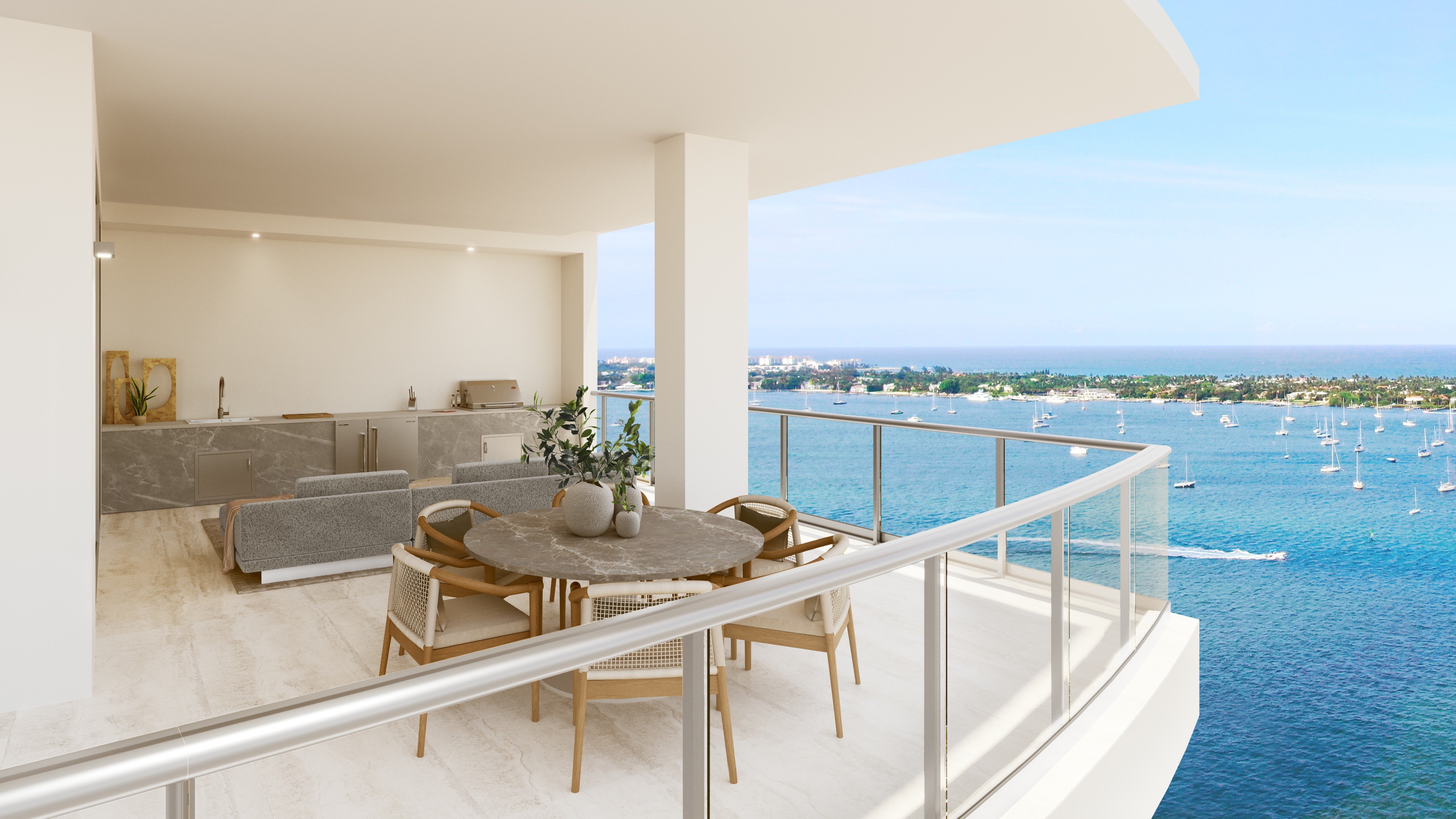
Impact glazing and balcony preparation are separate matters. Furniture, planters, decorative objects, and other outdoor belongings still require a plan. Confirm Alba’s complete balcony-furniture policy, clearance deadline, and absent-owner procedure directly with management rather than inferring them from the residential specifications.
For an owner who travels frequently, the essential question is practical: who will prepare the residence, under what authority, and where will everything go? A written answer is more useful than an informal assurance that someone will take care of it.
Request the declaration, bylaws, current rules, architectural standards, balcony exhibits, hurricane procedures, insurance requirements, and relevant recent board minutes. Keep them together with written management responses. The objective is not merely to collect paperwork, but to identify which document governs each task.
Florida condominium law requires boards to adopt hurricane-protection specifications for each building. Those specifications may address color, style, installation, maintenance, repair, replacement, and operation. Confirm the applicable standards before adding protection or altering existing components.
The same law prohibits owners from doing anything within their units or on common elements that adversely affects the property’s safety or soundness. The association’s maintenance responsibilities also depend on the property assigned to it under the declaration.
The most useful buyer’s guides distinguish physical features from operating obligations. For buyers also considering Forté on Flagler West Palm Beach, that distinction is a reason to request a separate ownership file-not to assume one building’s procedures apply to another.
Before selecting an outdoor dining arrangement or substantial planters, obtain written answers about what must be removed before a storm. Ask whether any items may remain, whether approved tie-downs are acceptable, and what event triggers preparation. The trigger and deadline should come from management, not an owner’s interpretation of the forecast.
Storage deserves equal attention. Confirm whether belongings must be brought inside the residence, whether another approved location is available, and what restrictions apply. Do not assume a corridor, shared room, or parking area can serve as temporary storage. Establish who moves the items and who bears the cost.
A useful clearance schedule identifies each object, its destination, and the person responsible. Ask management about cushions, lightweight accessories, and plants as well as large furniture.
General storm preparation calls for securing or storing vulnerable outdoor property and moving breakable belongings away from windows. If furnishings will be moved indoors, plan their placement and handling in advance, including measures to protect interior flooring.
Ask whether the balcony is designated as a limited common element and how that designation affects maintenance responsibilities. Then address each component separately: drains, waterproofing, coatings, railings, sliding doors, and impact glass. A broad phrase such as “balcony maintenance” may leave important obligations unresolved.
Request written clarification of who inspects each component, who arranges repairs, and who pays. Do not assume the association maintains everything outside the interior walls, or that every item serving one residence is solely the owner’s responsibility. The declaration and applicable rules are central to that determination.
This is especially relevant to waterfront ownership, where the appeal of indoor-outdoor living can draw attention away from its practical requirements. The same document-first approach is appropriate when evaluating Mr. C Residences West Palm Beach, without presuming its maintenance allocations or storm protocols match Alba’s.
An owner-absence authorization is a recommended planning document, not an established Alba requirement. Ask management whether it has a required form and what consent, releases, indemnities, insurance, or power-of-attorney documentation may be necessary. An owner’s authorization should remain distinct from the association’s legal emergency-access rights.
The proposed authorization should identify the owner and unit, primary representative, backup representative, and emergency contacts. Specify permitted tasks, access arrangements, spending limits, and storage permissions. Make clear whether the representative may move balcony contents, coordinate an approved vendor, or arrange a post-storm inspection.
Document the intended destination of belongings and request before-and-after photographs. Moving an owner’s possessions can raise liability concerns involving damage, theft, or damage to interior floors. A clear scope helps address those concerns, but is not a substitute for legal or insurance review.
Confirm acceptance of the arrangement before departure. Naming a representative does not establish that management will admit that person or permit the proposed work.
Hurricane preparation is a year-round responsibility, not a task to begin only after a warning. Inspect and maintain applicable window protection before hurricane season. For Alba’s impact windows and sliding doors, ask management which inspection and maintenance procedures apply; do not infer that additional shutters are required or permitted.
Before an extended absence, confirm notification channels, any local-representative requirements, vendor approval procedures, elevator reservations, seasonal checks, and post-storm inspection arrangements. These are matters to verify, not assumed services. Ensure the primary and backup representatives know how to receive instructions and contact management.
If you remain in the residence, identify a safe interior location away from windows. The preparation file should support personal safety as well as property care.
After a storm, arrange inspections when access is permitted and conditions allow. Request photographs, record visible concerns, and follow the confirmed process for reporting damage. Do not assume emergency preparation automatically includes restoration or returning furniture outdoors.
Ask your insurer specifically about balcony contents, wind-driven rain, water intrusion, owner-installed improvements, and liability arising from unsecured items. Do not assume the master policy covers these exposures or that impact glazing resolves every coverage question.
Keep insurance contacts alongside management contacts and the representative’s authorization. The finished file should make four things clear: what must happen, who may act, where belongings may be stored, and who is responsible for the expense. That clarity is the practical counterpart to a beautifully appointed residence, particularly when its owner is elsewhere.
Explore South Florida residences with a more informed ownership perspective at MILLION.
If branded residences are on your mind — as a home or as an allocation — we would be glad to share what we are seeing, privately.
Begin a quiet conversationAlba West Palm Beach’s official address is 4714 N. Flagler Drive, West Palm Beach, FL 33407.
Its residential specifications include floor-to-ceiling hurricane-impact windows and hurricane-impact sliding doors.
No. Impact glazing and the securing or storage of vulnerable outdoor belongings are separate preparation matters.
The exact deadline should be confirmed in writing with management, along with the event that triggers preparation.
Owners should ask management whether tie-downs are acceptable and which items, if any, may remain. Permission should not be assumed.
Request the declaration, bylaws, rules, architectural standards, balcony exhibits, hurricane procedures, insurance requirements, and relevant recent board minutes.
Responsibility should be established from the declaration and applicable rules. Ask management to clarify each component rather than relying on a general description of balcony maintenance.
Include the owner and unit, primary and backup representatives, authorized tasks, access arrangements, emergency contacts, spending limits, and storage permissions. Confirm management’s required documentation and acceptance.
No. Confirm who may perform the work, required consent, handling arrangements, and costs, since moving possessions can create damage and theft-related liability concerns.
Ask about balcony contents, wind-driven rain, water intrusion, owner-installed improvements, and liability from unsecured items. Do not assume the master policy covers these exposures.