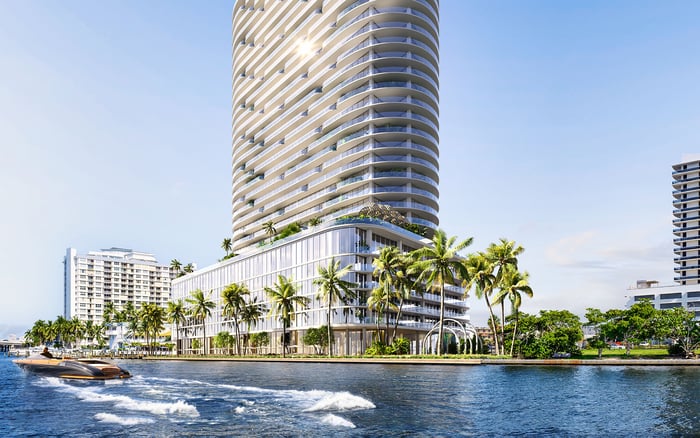
A buyer-focused editorial on evaluating North Bay Village residences through the lens of operational hurricane readiness, from building systems to governance and ownership discipline.
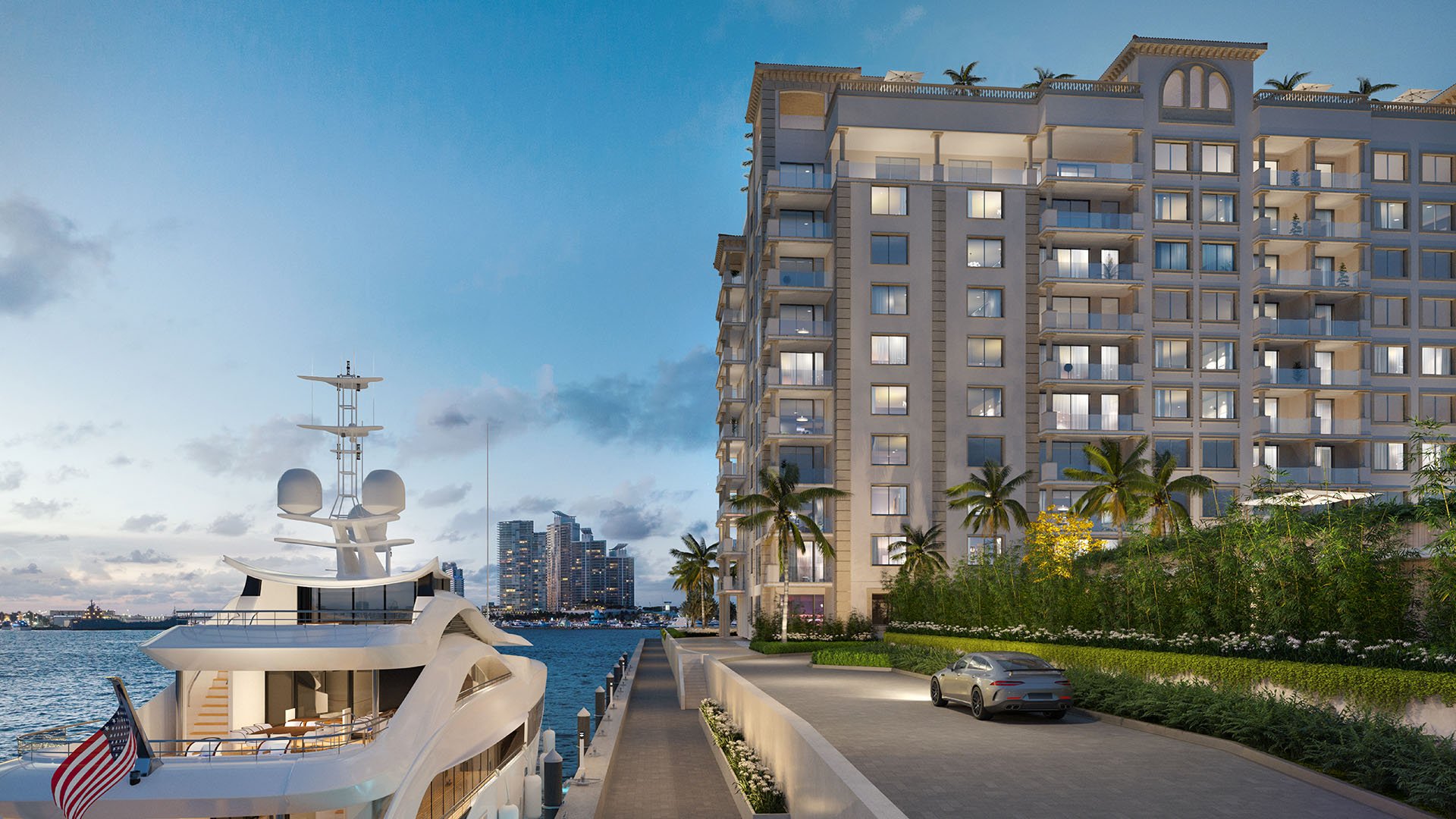
For the North Bay Village buyer, hurricane readiness cannot remain a brochure phrase. It must be visible in the building, measurable in the ownership documents, and credible in the way management communicates before the weather turns. The most sophisticated purchasers are no longer satisfied by polished amenity decks and cinematic bay views alone. They want to know what happens when the ordinary rhythm of service is interrupted.
That shift is not pessimistic. It is the natural evolution of luxury ownership in a waterfront market. A residence that performs beautifully on a blue-sky afternoon must also show discipline when elevators, access points, garage areas, generators, drainage, shutters, glazing, communication trees, staffing, and vendor relationships are under pressure. The question is not whether a building can promise comfort. The question is whether it has practiced continuity.
In a buyer's notes, the practical filters may read: North-bay-village, Waterview, Balcony, Pool, Marina, and New-construction. Those labels are useful, but they are not the test. The true test is whether the lifestyle attached to those words is supported by operational muscle.
A refined residence can lose its elegance quickly when basic continuity is unclear. Buyers should begin with the building's plan for access, communication, staffing, water intrusion response, vertical transportation, emergency power, and post-event reoccupation. A manager who can discuss these items plainly is often more reassuring than a sales presentation built on abstractions.
For waterfront and bay-oriented ownership, particular attention belongs to the threshold between private luxury and shared infrastructure. Garage entries, lobby levels, service corridors, loading areas, package rooms, fire-life-safety systems, pump rooms, and equipment locations matter because they are where inconvenience becomes disruption. The owner who asks where the vulnerable points are is not being difficult. That owner is acting as a steward of capital.
The same lens applies inside the residence. Window and door systems, balcony drainage, exterior furniture policies, appliance protection, smart-home dependencies, and storage of storm materials all deserve careful review. A beautiful balcony is only part of the story. How that outdoor space is secured, drained, and restored is the operational sequel.
In luxury condominium ownership, the board, management team, reserves, insurance posture, and vendor network can be as consequential as the façade. Severe weather exposes whether a building is simply attractive or genuinely well governed. Buyers should ask how decisions are made, how owners are notified, and how urgent work is authorized. They should also look for evidence that procedures are written, updated, and understood by the people expected to execute them.
This is where rhetoric often separates from reality. A building may speak confidently about resilience yet leave unanswered questions about response timing, owner communication, elevator restoration priorities, temporary access procedures, or the handling of common-area damage. Those gaps matter because luxury buyers are not only purchasing square footage. They are purchasing the right to remain calm when circumstances are inconvenient.
A strong ownership culture does not need to be theatrical. It is usually quieter than that. It shows up in clean documentation, consistent maintenance, transparent communication, and a management team that treats preparedness as routine rather than seasonal performance.
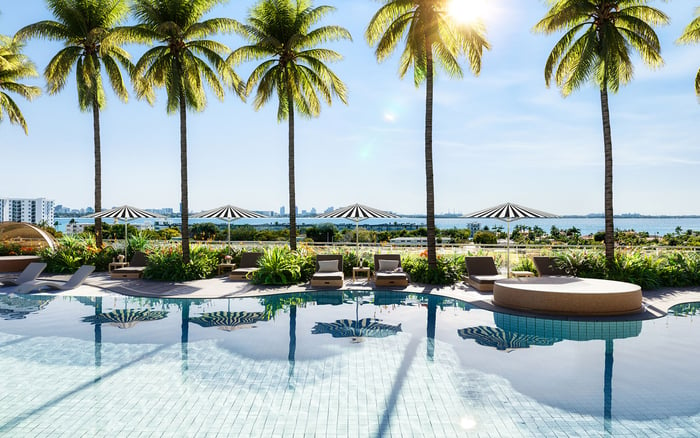
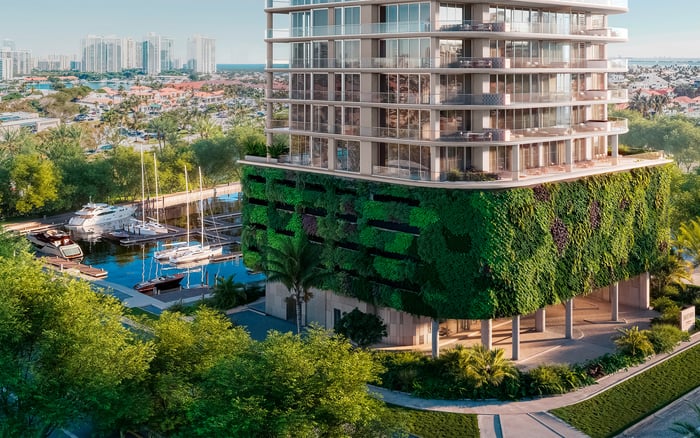
Amenities are central to the North Bay Village value proposition, but they should be evaluated with the same seriousness as structural and mechanical systems. A pool is not merely a leisure feature if it becomes unusable for an extended period after severe weather. A marina is not merely a lifestyle promise if protocols for vessel preparation, dock access, and post-event inspection are vague. Waterview living is most persuasive when the building understands the operational responsibilities that come with proximity to the water.
The buyer should ask what closes first, what reopens first, and who decides. Fitness rooms, lounges, outdoor kitchens, waterfront paths, valet areas, pet spaces, and package services all form part of the daily luxury experience. Their recovery timeline shapes the practical value of ownership. In the ultra-premium segment, inconvenience is not eliminated, but it should be anticipated, communicated, and shortened.
New construction can offer a sense of contemporary confidence, but the label alone is not enough. New systems still need maintenance plans, trained staff, owner education, and clear operating protocols. Recently delivered buildings and established buildings should both be judged on execution rather than assumption.
Serious buyers should request the documents that explain how the building functions, not only how it looks. The review should include governing documents, budgets, meeting materials, insurance summaries, maintenance practices, emergency procedures, reserve discussions, and any available information about critical building systems. Legal, insurance, engineering, and tax advisers should be engaged where appropriate, especially when the residence is intended as a primary home, seasonal base, or legacy asset.
The strongest buyers also pay attention to tone. If answers are evasive, overly casual, or dependent on vague assurances, that is information. If the management team can explain procedures without overpromising, that is also information. Preparedness is rarely glamorous, but it is deeply luxurious because it protects time, privacy, and composure.
Contract discipline matters as well. Inspection periods, document review windows, association approvals, insurance inquiries, and financing conditions should be treated as instruments of clarity. The goal is not to make a purchase feel burdened. The goal is to make ownership feel precise.
The most desirable North Bay Village residence is not simply the one with the most striking view or the most seductive amenity image. It is the one where beauty is supported by credible operations. Hurricane readiness, properly understood, is not a fear-based filter. It is a luxury filter.
For a buyer with high standards, the right building should answer three questions with composure. What has been planned? Who is responsible? How will owners be informed? If those answers are clear, the residence begins to feel less like an address and more like a dependable private base.
That is the ownership test. Not whether a building can speak the language of resilience, but whether it can operationalize it when no one is interested in rhetoric.
What should a North Bay Village buyer ask first about hurricane readiness? Ask how the building communicates, secures common areas, manages access, and restores essential services before discussing finishes or amenities.
Is hurricane readiness only about impact glass? No. Glazing matters, but readiness also includes drainage, power, staffing, vendor access, insurance, governance, and owner communication.
Should amenity recovery be part of due diligence? Yes. Pools, lounges, waterfront areas, garages, and service spaces influence the lived value of ownership after a major weather event.
Does new construction automatically mean better readiness? Not automatically. Contemporary systems still require maintenance, trained staff, clear procedures, and strong governance.
How should buyers evaluate management quality? Look for specific answers, written procedures, orderly documentation, and a calm understanding of what happens before and after a storm.
Why does governance matter in storm planning? Governance determines how quickly decisions are made, how funds are used, and how clearly owners are informed when conditions change.
Are waterfront views a risk factor? They are a responsibility factor. Waterview ownership can be exceptional, but buyers should understand the building's water-facing systems and protocols.
Should seasonal owners ask different questions? Yes. They should focus on remote communication, unit access, post-event inspections, vendor coordination, and how absences are handled.
Can hurricane readiness affect resale confidence? It can support buyer confidence because operational clarity makes ownership easier to understand, especially in waterfront luxury buildings.
What is the simplest ownership test? Ask whether the building can explain who does what, when they do it, and how owners will know it has been done.
For a confidential assessment and a building-by-building shortlist, connect with MILLION.
If branded residences are on your mind — as a home or as an allocation — we would be glad to share what we are seeing, privately.
Begin a quiet conversation