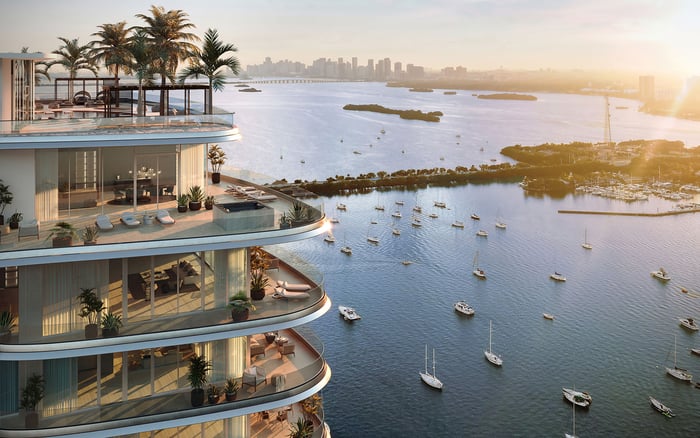
A due-diligence framework for evaluating North Bay Village residences through vessel fit, documented dock rights, marina rules, route constraints, and the status of planned dockage.
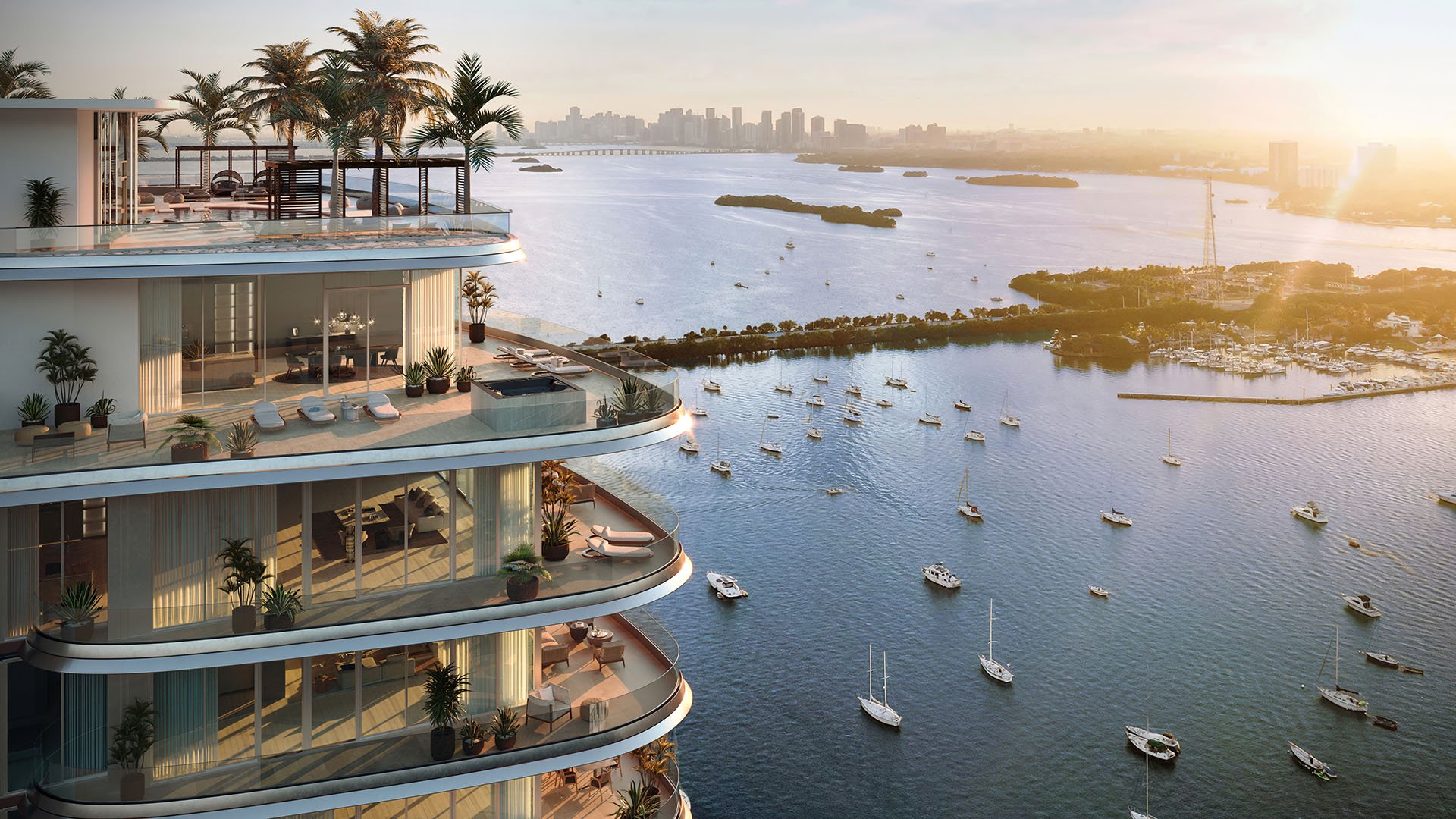
A North Bay Village residence and its boating utility should be evaluated as related but distinct assets. A water view or waterfront location does not establish that a buyer will obtain a berth suitable for a particular vessel.
The relevant review combines the residence, the documented basis for using a slip, the physical characteristics of that slip, marina operations, and the intended navigation route. Buyers considering Shoma Bay North Bay Village or another island residence should make marine diligence a defined part of the acquisition process.
Begin by asking what, if anything, the purchase documents provide. A dock arrangement could involve ownership, a lease, a license, a reservation, a waiting list, or access through a separately operated facility. The buyer should not infer one structure from another.
Request the governing documents, relevant agreements, rules, fee schedules, insurance requirements, approval procedures, and written confirmation of availability. Counsel should determine whether the arrangement follows the residence, can be transferred, may be used by a tenant or guest, and remains subject to termination or reassignment.
Any statement about dock access should be reconciled with the controlling documents before it is treated as part of the purchase.
Review the vessel’s length overall, beam, draft, air draft, displacement, utility needs, and maneuvering requirements. Then inspect the specific berth for usable dimensions, depth, dock configuration, piling placement, fendering, access, utilities, and operating restrictions.
A marina-level vessel limit is not a substitute for berth-level analysis. Physical fit can vary by slip, and operational rules can affect an otherwise compatible vessel. Obtain written confirmation for the berth under consideration rather than relying on generalized marketing language.
Buyers evaluating Tula Residences North Bay Village should apply the same test: identify the precise dock right, verify the assigned or available space, and compare it with the intended vessel.
The route analysis should extend from the berth to the buyer’s intended destination. It should account for bridge clearance, channel depth, tides, vessel configuration, maneuvering areas, and any other route-specific constraint identified by a qualified marine professional.
Air draft should reflect the vessel as operated, including relevant equipment and appendages. Draft analysis should address the controlling portion of the route rather than focusing only on depth at the berth.
Terms such as “open water,” “ocean access,” or “no fixed bridges” should be defined in writing and tested against the buyer’s actual route. When boating access is material to the purchase, a route trial with an appropriately qualified professional can help distinguish a general claim from practical vessel compatibility.
Nearby water access, a community amenity, and a berth conveyed or contracted with a residence are not interchangeable. The buyer should identify who controls each facility, what type of craft it serves, whether access is guaranteed, and which rules govern use.
Availability, pricing, wait-list status, parking, guest privileges, utilities, and transfer terms should be confirmed directly in the transaction file. Proximity alone should not be valued as exclusive or continuing access.
Planned marina components require a separate review of approvals, construction status, operating documents, allocation procedures, eligibility, costs, and anticipated delivery. Until those points are documented, future dockage should not be treated as present inventory or as a guaranteed benefit of ownership.
The same discipline applies when reviewing Continuum Club & Residences North Bay Village: distinguish current, documented rights from proposed or conditional marine features.
The closing file should include written answers on the nature of the dock right, availability, berth dimensions, vessel limits, depth, fees, insurance, utilities, transferability, guest use, parking, leasing, and operating restrictions. It should also identify responsibility for maintenance, repair, replacement, and storm-related procedures where applicable.
Pair document review with an appropriate physical inspection and route assessment. If boating utility is central to the acquisition, qualified legal, marine, insurance, and inspection professionals should help the buyer define and verify the relevant conditions before closing.
Does a waterfront residence necessarily include a boat slip? No. The buyer should rely on the governing documents and written confirmation of the specific dock arrangement.
Which vessel measurements should be reviewed? Review length overall, beam, draft, air draft, displacement, utility requirements, and maneuvering needs.
Is a marina-wide vessel limit sufficient? No. The dimensions and restrictions of the specific berth must also be checked.
Why is air draft important? Air draft helps determine whether the vessel, in its operating configuration, can navigate route constraints such as bridges.
Should depth be checked only at the slip? No. The review should cover the controlling depth along the entire intended route.
What should a buyer verify about transferability? Counsel should confirm whether the dock arrangement follows the residence, requires approval, or can be reassigned, leased, or terminated.
Are nearby marine amenities equivalent to private dock rights? No. Proximity or amenity access does not establish an exclusive, transferable, or continuing right to a berth.
How should proposed marina facilities be valued? Treat them as contingent until their status, operating terms, allocation, costs, and availability are documented.
When is a route trial useful? It is useful when boating access is material and the buyer needs to test the intended route against the vessel’s actual configuration.
What is the best way to shortlist comparable options for touring? Start with location fit, delivery status, and daily lifestyle priorities, then compare stacks and elevations to validate views and privacy.
If you'd like a private walkthrough and a curated shortlist, connect with MILLION.
If branded residences are on your mind — as a home or as an allocation — we would be glad to share what we are seeing, privately.
Begin a quiet conversation