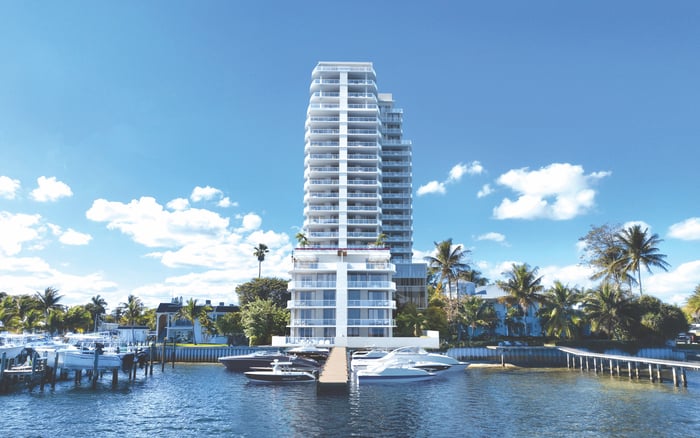
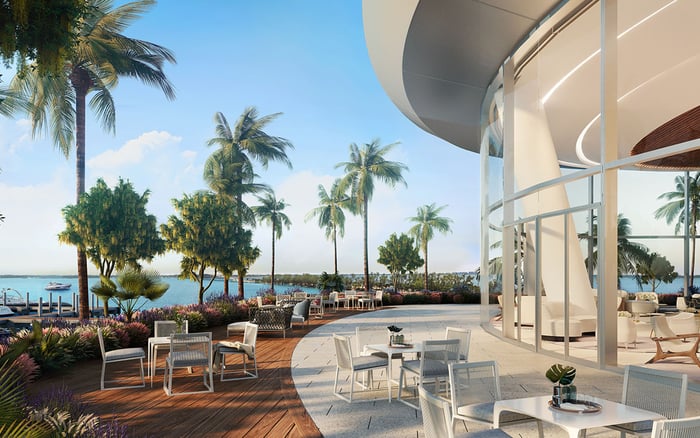
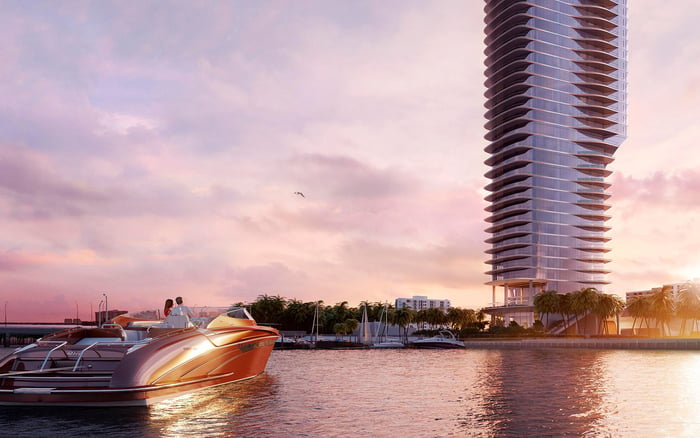
A discreet, buyer-minded guide to what it actually takes to step from a Pier Sixty-Six residence into a professionally crewed charter experience, from dock coordination to privacy, provisioning, and return logistics.
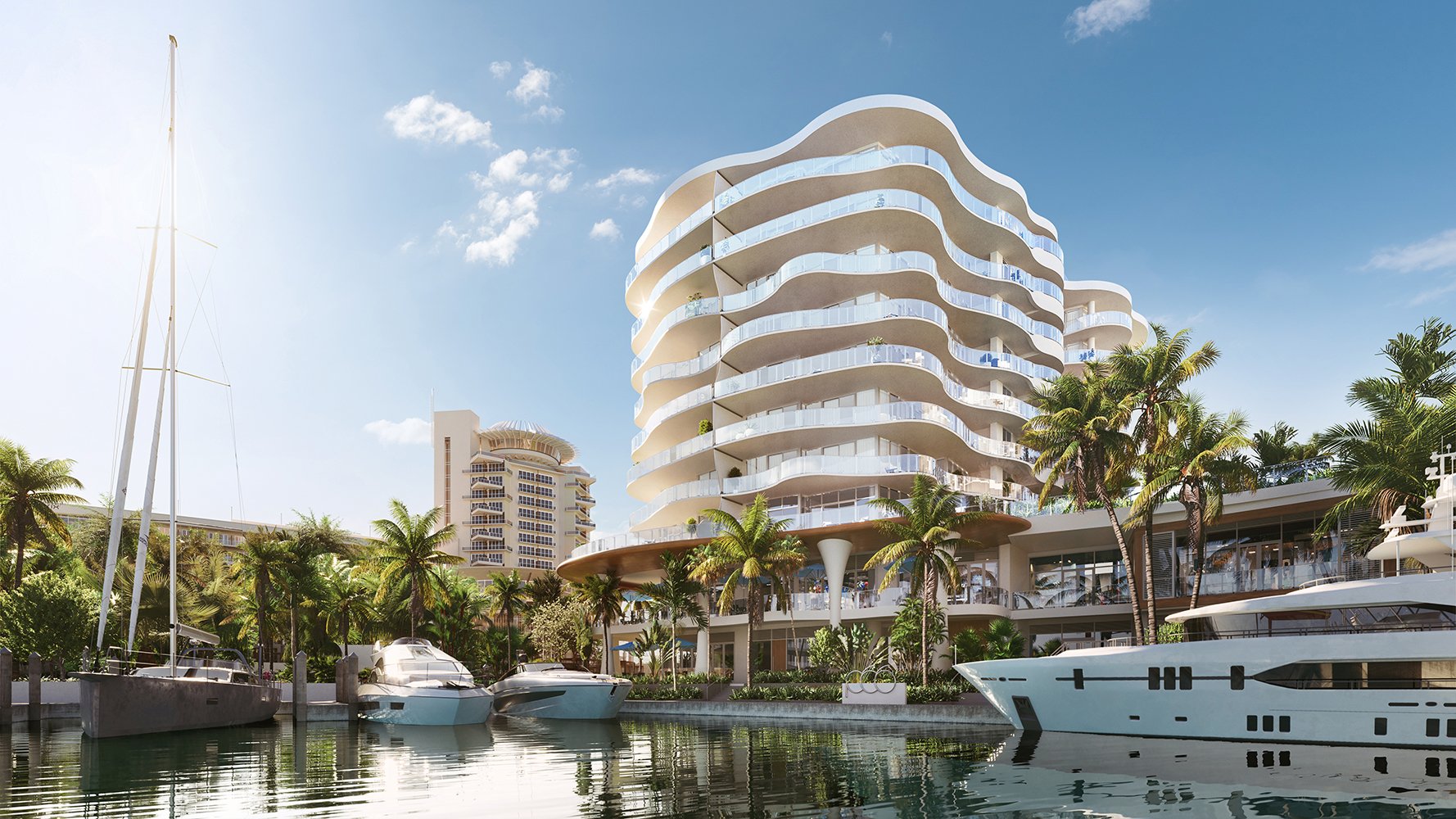
Fort Lauderdale is one of the few U.S. coastal markets where a luxury residential lifestyle can genuinely intersect with the working cadence of the superyacht world. At Pier Sixty-Six, the draw isn’t only the Intracoastal views-it’s the practical ability to move from a private lobby into a dock environment where crewed vessels, captains, and service partners already operate on tight windows, guest privacy, and seamless handoffs.
For residents, the essential mindset is that a charter is not “a boat rental.” It’s a managed operation with logistics closer to private aviation: guest lists, timing, transportation choreography, and an expectation of quiet execution. When it’s planned well, it reads as effortless. When it isn’t, the friction shows up in the least glamorous places: curb space, baggage flow, dock gates, provisioning deliveries, and the final half-hour before departure.
In practice, charter day runs across three distinct zones-and they must be synchronized.
First is the residence, where guests gather, wardrobe and luggage are staged, and ground transportation arrives. Second is the marina interface: security, access control, and the physical route from arrival point to gangway. Third is the vessel itself: the captain’s operating plan, crew readiness, fuel and water status, and the final guest brief.
The cleanest way to preserve discretion is to define early what “direct” should feel like. Some owners want a true downstairs-to-dock flow with minimal time outdoors. Others prefer a more social arrival, where guests come by car and the yacht is the reveal. Either approach can work, but each requires different staging: vehicle timing, where guests wait if the yacht is still finalizing, and how to keep the dock composed while remaining genuinely hospitable.
If you maintain multiple residences across South Florida, the same playbook applies. A Brickell base like 2200 Brickell leans into a city-to-water transfer and tighter curb logistics, while a beachfront address such as Auberge Beach Residences & Spa Fort Lauderdale often shifts the emphasis to guest comfort, spa-ready turnaround, and a shorter pre-departure dwell time.
In luxury, timing is often the difference between “polished” and “rushed.” A captain’s preferred departure time is shaped by conditions, bridge schedules, wake zones, and the day’s itinerary. As the resident host, your job is to build a buffer that never feels like waiting.
A smart framework:
Invite guests earlier than the official departure and treat the residence as the lounge.
Keep dock arrival tight: a short, deliberate window that avoids congestion.
Build a decision point: if weather shifts or a guest runs late, you already know whether you’ll hold, adjust the itinerary, or depart and meet later by tender.
For overnight or multi-day charters, the schedule starts the day before-not the morning of. Final preference confirmations, last provisioning drops, and crew briefings are simply smoother when they aren’t competing with guest arrival.
Ultra-premium chartering is as much about privacy as it is about the yacht itself. The most discreet experiences control three things: who can see guest arrival, who can approach the vessel, and what information travels beyond the operational circle.
Before charter day, confirm the access plan:
Name-list format and when it must be submitted.
Whether identification is required at the gate.
How vendors are screened and where they can deliver.
If you’re hosting high-profile guests, the simplest rule is to reduce points of exposure. In practice, that means fewer vehicles, a clear staging location, and one liaison who can walk guests from residence to dock without uncertainty.
Residents who split time between Fort Lauderdale and Miami Beach often notice how different arrival dynamics can be. A place like Five Park Miami Beach can suit social visibility and easy access to the beach lifestyle, but charter-day discretion still comes from disciplined scheduling and minimal dwell time in publicly active areas.
A charter can unravel at the curb long before anyone sees water. The fix is to plan transportation as a system, not a collection of individual rides.
Key decisions:
One convoy vs. staggered arrivals. Convoys look organized but require curb space and coordination.
Luggage strategy. If guests bring more than a handbag, consider a dedicated vehicle for bags.
Security vehicles. If used, keep them integrated so they don’t create a visible scene.
If the yacht is departing on a fixed tide or a tight itinerary, pre-stage passengers in the residence and move as a group. For a more relaxed cruise, allow staggered arrivals-but set a “last arrival” time that’s earlier than the captain’s hard stop.
The most seamless host experience usually comes from having one point person controlling guest flow: confirming each vehicle’s ETA, alerting the dock team, and keeping the captain informed without pulling focus from the crew.
Even when you live “at the marina,” the exact berth can change. Operational factors, vessel size, and marina scheduling can all influence where the yacht sits on a given day. The solution is to plan for flexibility-without letting it feel like improvisation.
Practical steps:
Confirm the yacht’s berth assignment as close to departure as the marina can reliably provide.
Map the walking path and identify any pinch points: gates, ramps, elevators, uneven decking.
Decide whether any guests require assistance, and arrange it quietly.
For some charters, a tender transfer is part of the experience. If so, treat it as a curated moment: minimal waiting, a clear safety briefing, and a composed boarding sequence. If guests are in formalwear, tendering can feel elegant only when timing and conditions support it.
The most sophisticated charters feel personal because preparation is specific. That specificity is typically captured through a preference process covering food, beverage, allergies, celebrations, music, and even the level of formality guests expect.
The host’s role is to prevent preference fatigue. Instead of asking guests dozens of questions, curate a smaller set of decisions that drives most of the experience:
Culinary tone: wellness-forward, celebration, or classic luxury.
Beverage approach: champagne emphasis, curated wine, zero-proof, or a mix.
Day plan: slow cruising, beach club-style stops, watersports, or harbor dining.
Then let the crew do what they do best. A well-briefed captain and chef will resolve hundreds of micro-decisions before they ever reach you.
Provisioning is where glamour meets reality. Flowers, specialty ingredients, spirits, linens, extra toys, and sometimes décor arrive on timelines that can collide with guest arrival.
To keep it discreet:
Set a vendor cutoff time that ends well before guests move to the dock.
Consolidate deliveries where possible.
Use a single checklist shared among your liaison, the captain, and the provisioning team.
If you want your residence to function as the pre-departure suite, it can also serve as a staging point for certain items-but only if building policies and security allow it. The goal is to avoid last-minute carts, boxes, and confusion in common areas.
South Florida’s beauty comes with variability. You don’t need to be a mariner to host well; you need to be comfortable with a prepared Plan B.
Plan B can be simple:
Shift to a more protected route.
Move departure earlier or later.
Swap a high-speed run for a calm cruise with elevated food and service.
Guests forgive changes. They don’t forgive disorganization. The difference is calm communication-and making the alternative feel deliberate.
For residents who also maintain a second base farther north, the same operational mindset applies. A West Palm Beach address like Alba West Palm Beach can suit a different pace and social calendar, but charter-day success still comes down to timing, staging, and a clear chain of command.
The return is where even well-run charters can feel anticlimactic if you don’t plan for it. Guests are tired, sun-exposed, and ready for showers, dinner, or a quiet exit. Build a return flow that’s as considered as the departure.
Decide in advance:
Will guests return to your residence for cocktails, or disperse directly?
Are cars waiting dockside, or staged nearby with a short walk?
Do you need a post-charter meal plan, spa appointments, or security transitions?
If you’re hosting a celebration, consider a soft landing: a calm, air-conditioned space, towels ready, a simple refreshment, and a discreet way to guide people to the next step without herding.
Without turning your life into a project plan, a few pre-commit questions prevent most complications:
Who is the single operational lead on charter day?
Where exactly will the yacht be berthed, and when is that confirmed?
What are the rules for guest access, vendor access, and identification?
What is the hard departure time, and what triggers a hold or itinerary shift?
How will luggage, gifts, and special items be handled?
Once those are answered, everything else becomes refinement: the flowers, the music, the lighting, and the effortless sense that nothing was left to chance.
Can I realistically step from my residence to a chartered yacht without delays? Yes-if you control the arrival window and confirm berth and access details in advance.
Do I need to meet the captain before the day of the charter? It’s strongly preferred; a brief call aligns timing, guest expectations, and the itinerary.
What’s the simplest way to keep the dock experience private? Use a tight guest arrival window and a single liaison to manage access and movement.
How early should provisioning be completed? Ideally the day before, with any final drops finished well before guests head dockside.
If the yacht’s berth changes last-minute, what happens? Your liaison should redirect the route seamlessly so guests experience it as a planned pivot.
Can a charter accommodate strict dietary needs or wellness preferences? Yes, as long as preferences and allergies are communicated clearly before provisioning.
Is tendering to the yacht a good idea for formal events? It can be, but only with calm conditions and a boarding plan that protects attire and safety.
How do I handle guests arriving late? Set a hard cutoff time and decide in advance whether you’ll hold, reroute, or depart.
What should I plan for when returning to the dock? Pre-stage cars, towels, and a calm transition so guests can exit or regroup without stress.
Who should be my single point of contact on charter day? Choose one trusted coordinator who can interface with the captain, dock, drivers, and staff.
When you're ready to tour or underwrite the options, connect with MILLION Luxury.
If branded residences are on your mind — as a home or as an allocation — we would be glad to share what we are seeing, privately.
Begin a quiet conversation