A buyer-oriented look at why scarce waterfront in South Florida remains both a lifestyle decision and a portfolio question heading into 2026.
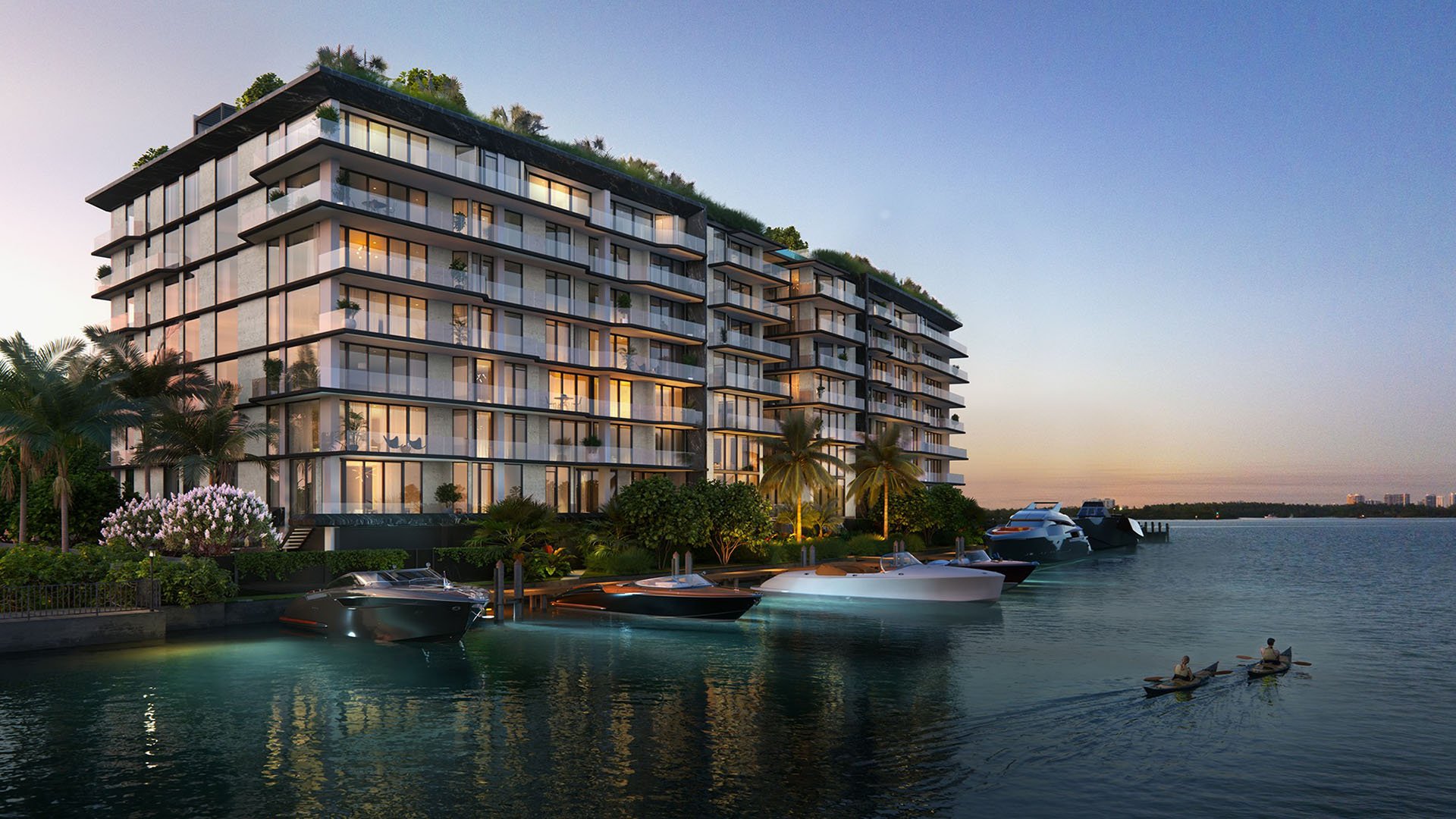
In South Florida luxury real estate, waterfront has always carried a language of its own. It is less about ornament than control: control of view, light, privacy, arrival, breeze, and the daily rhythm of living close to water. In 2026, disciplined buyers are likely to treat that lifestyle premium with the same seriousness they bring to any major allocation of capital.
The case for waterfront scarcity begins with a simple observation: truly desirable water adjacency cannot be manufactured at will. Interiors can be redesigned, amenities refreshed, and service standards elevated. A protected view corridor, a calm shoreline setting, or a residence with credible boating convenience belongs to a different category. It is fixed, limited, and deeply emotional.
That emotional dimension does not make the purchase less rational. For many owners, it makes the asset more useful. A residence that consistently attracts family, simplifies entertaining, supports wellness, and feels complete without leaving home can justify its place on the personal balance sheet in ways a more generic property cannot.
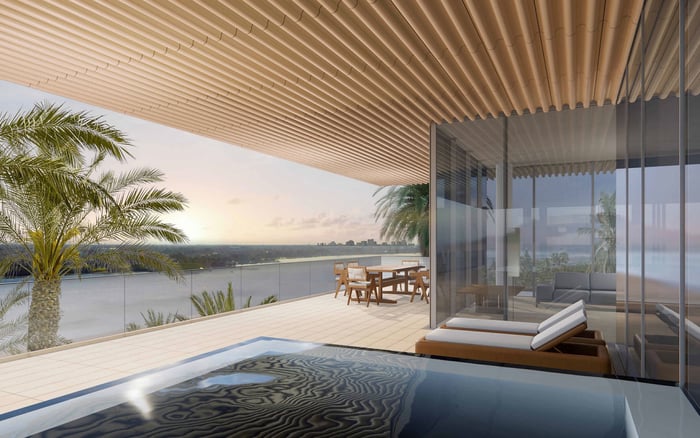
The strongest waterfront properties are not merely scenic. They change the way a day is organized. Morning light over the water, quiet evenings on a terrace, a swim before meetings, or the ability to host without theatrics can become part of the residence’s recurring return. This is the lifestyle dividend, and purely financial comparisons often underestimate it.
For buyers moving between primary residence, second-home, and legacy-planning considerations, the waterfront decision should begin with use. How often will the home be occupied? Will it gather multiple generations? Is boating central or occasional? Is privacy more important than proximity to restaurants? These questions separate an impressive address from an enduring fit.
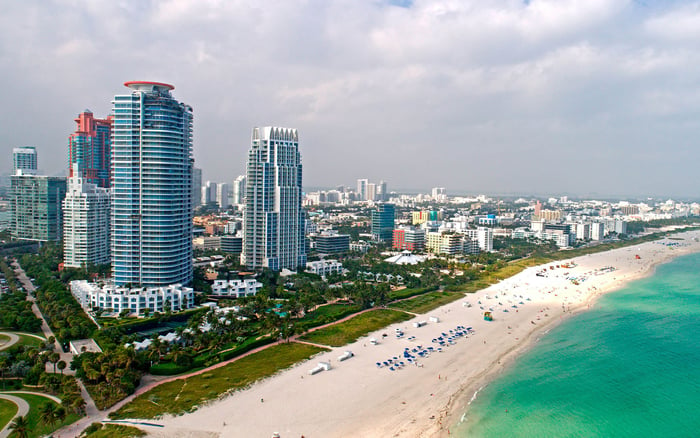
In practical search language, waterview, oceanfront, boat-slip access, and terrace quality become underwriting terms, not just amenities. The same discipline applies across Miami Beach and Palm Beach, where investment intent often sits beside personal use. A buyer who clarifies that balance early can avoid paying for features that photograph well but do not improve daily life.
Waterfront scarcity deserves a financial framework, but not a simplistic one. The question is not whether every waterfront property will outperform every inland alternative. The more useful question is whether a specific property has enough enduring utility, location strength, and exit clarity to merit its premium.
A thoughtful buyer should separate price from durability. Price reflects the negotiation of a moment. Durability reflects qualities that remain difficult to replicate: orientation, setting, access, privacy, architecture, building quality, service, and the depth of future demand. When those qualities align, a waterfront residence can occupy a more resilient place in a diversified personal portfolio.
That said, discipline matters. Carrying costs, maintenance expectations, association governance, insurance considerations, and renovation flexibility all belong in the analysis. A glamorous view cannot compensate for a structure or ownership model that creates avoidable friction. The best acquisitions tend to feel calm after closing because the less romantic parts of ownership have already been studied.
For 2026, the most sophisticated waterfront search is less about chasing the loudest opportunity and more about narrowing the field. Scarcity is not the same as desirability. A property may be waterfront and still lack the privacy, condition, orientation, service, or liquidity profile that a high-net-worth buyer expects.
Start with the shoreline experience. Is the view open, layered, or compromised? Does the residence feel connected to the water from the principal rooms, or is the view confined to a single angle? Does the outdoor space function throughout the day, or only in ideal conditions? These details are not cosmetic. They shape how often the home is used and how confidently it can be repositioned in the future.
Next, study the ownership experience. In a condominium, that means reviewing service culture, capital planning, privacy, parking, arrival, and building rules. In a single-family setting, it means understanding site condition, seawall or dock considerations where applicable, landscape resilience, and the practical demands of maintaining a waterfront compound.
Finally, consider time horizon. A buyer planning to hold for many years can value pleasure, control, and legacy more heavily. A buyer seeking optionality should be more exacting about liquidity, floor plan efficiency, and broad buyer appeal. Scarcity helps, but it does not replace selectivity.
Ultra-premium buyers often speak about views, but their decisions are frequently made by quieter variables. How does one arrive? Is the lobby discreet? Can guests be hosted without disrupting private space? Does the primary suite feel removed from entertainment areas? Is the outdoor area beautiful without requiring constant orchestration?
These questions define the difference between spectacle and serenity. Waterfront that feels effortless tends to age well in the owner’s mind. It becomes a setting rather than a stage. That distinction is especially relevant for buyers who already have access to clubs, hotels, restaurants, boats, and travel. The residence must offer something more valuable than novelty: it must offer restoration.
The same standard applies to design. Materials, proportions, and craftsmanship should support the view rather than compete with it. Overly thematic interiors can date quickly. Calm architecture, balanced light, and intuitive circulation allow the water to remain the central luxury.
Scarcity can create urgency, but urgency should not become impatience. The best waterfront acquisition is rarely made from fear of missing out. It is made when a buyer recognizes a property that fits both personal life and long-term ownership logic.
Waiting can be wise when the offering lacks clarity, when due diligence raises concerns, or when the premium is attached to marketing rather than fundamentals. Moving decisively can be equally wise when the property combines rare setting, strong condition, clean ownership structure, and a lifestyle fit that would be difficult to replace.
For 2026, the prudent posture is prepared selectivity. Financing, advisory, legal review, and lifestyle criteria should be organized before the ideal residence appears. Waterfront scarcity rewards buyers who can distinguish between a beautiful listing and a truly strategic home.
Is waterfront always the strongest luxury real estate choice? Not always. The strongest choice is the property that combines scarce setting, daily utility, manageable ownership obligations, and a credible future buyer pool.
How should a buyer think about paying a waterfront premium? The premium should be tied to irreplaceable qualities such as view, privacy, access, orientation, and usability, not simply the presence of water nearby.
Does lifestyle value count in a serious financial decision? Yes. If a home improves family use, wellness, entertaining, and time spent in residence, that utility belongs in the overall ownership analysis.
What is the biggest mistake waterfront buyers make? Many buyers focus on the view before studying carrying costs, building quality, maintenance needs, governance, and long-term exit appeal.
Should second-home buyers evaluate waterfront differently? Yes. They should be especially clear about frequency of use, ease of arrival, lock-and-leave convenience, and whether the home supports extended stays.
Is boating access essential to the waterfront case? Only if boating is central to the owner’s lifestyle. For some buyers, privacy, light, and open views matter more than direct boating convenience.
How important is outdoor space? Very important when it is genuinely usable. Outdoor space should support dining, lounging, and quiet enjoyment rather than exist only as a visual feature.
Can a condominium offer the same scarcity appeal as a single-family home? It can, if the residence has strong views, privacy, service, design quality, and a building culture that supports effortless ownership.
What should buyers prepare before entering the market? They should define lifestyle priorities, review financial capacity, assemble advisors, and establish due diligence standards before pursuing scarce inventory.
What is the core 2026 takeaway for waterfront buyers? Treat waterfront as both an emotional asset and a disciplined allocation, then buy only when the property satisfies both sides of the equation.
For a discreet conversation and a curated building-by-building shortlist, connect with MILLION.
If branded residences are on your mind — as a home or as an allocation — we would be glad to share what we are seeing, privately.
Begin a quiet conversation