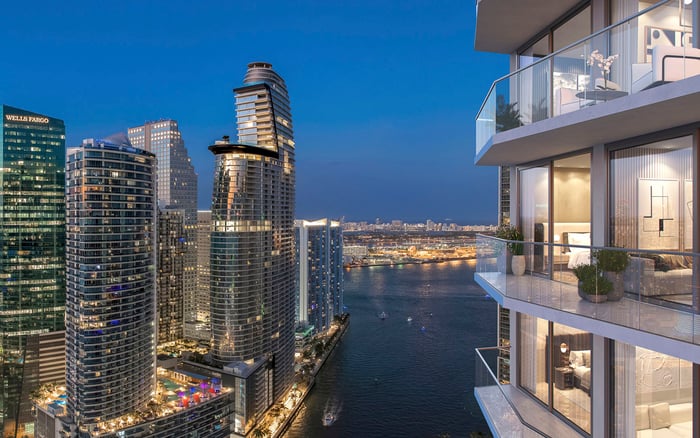
A buyer-focused framework for thinking about exchange-rate exposure when evaluating luxury property across Miami, Fort Lauderdale, and Palm Beach.
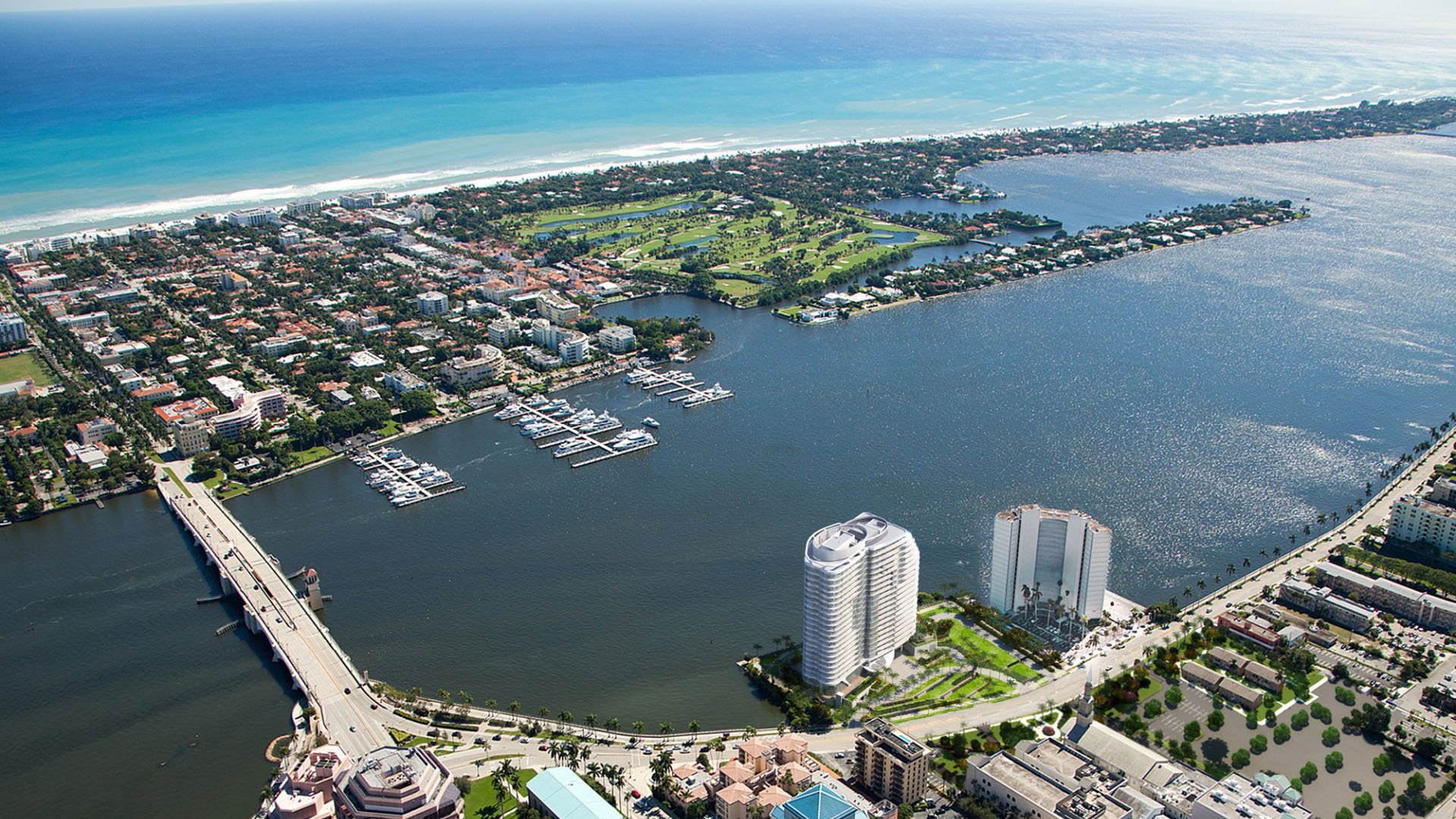
For international and multi-currency buyers, the question is rarely only where to buy in South Florida. It is also when to convert capital, when to commit a deposit, and how much of the purchase price should be insulated from exchange-rate movement before closing. Across Miami, Fort Lauderdale, and Palm Beach, currency timing can shape the final economics of a luxury acquisition as meaningfully as negotiation, financing structure, or furnishing plans.
Sophisticated buyers treat foreign exchange as part of the property strategy from the first conversation. They do not wait until a contract is nearly complete to consider whether their home currency has strengthened or weakened against the U.S. dollar. Instead, they map the purchase into stages: search, offer, deposit, contract period, closing, and post-closing reserves. Each stage carries a different level of exposure.
This becomes especially relevant when the property is not merely a residence, but a portfolio decision. A Brickell condominium, a Fort Lauderdale waterfront home, and a Palm Beach estate may all be acquired in the same dollar market, yet they often serve very different purposes. One may be a city base, another a yachting address, and another a generational retreat. The right currency approach depends on the role the asset will play.
The first question is not whether today’s exchange rate is attractive. The first question is which currency governs your life. If your income, business distributions, or investment portfolio are primarily outside the United States, a South Florida purchase introduces a U.S. dollar liability. If your assets are already meaningfully dollar-based, the currency decision may be less about conversion and more about preserving liquidity.
A buyer acquiring a second home for seasonal use may think differently from a buyer relocating family, placing children in school, or moving a company presence to South Florida. The seasonal buyer may have more flexibility to wait for a favorable conversion window. The relocating buyer may value certainty more than marginal improvement. In ultra-prime real estate, certainty has its own value.
The most elegant framework is to separate desire from execution. Desire tells you which property is right. Execution tells you how to fund it without allowing currency volatility to dominate the experience. A disciplined buyer can love a residence and still insist on a measured funding plan.
Miami often compresses decision-making. Buyers may move quickly when they encounter the right residence, particularly in neighborhoods where design, views, building services, and lifestyle access are central to the purchase. In that environment, currency timing should be addressed before serious touring begins.
For a Miami buyer, the key is to define a conversion range rather than a single dream rate. Waiting for perfection can create a different cost: missing a property that fits the brief. A practical plan may involve converting a portion of expected funds before making offers, keeping another portion flexible, and reserving enough liquidity for deposits and closing costs.
This matters for investment buyers as well as lifestyle buyers. If the acquisition thesis depends on long-term ownership, income potential, or wealth preservation, the entry price should be viewed in home-currency terms, not only in U.S. dollars. A property may look stable in dollars while becoming more or less expensive in the buyer’s reference currency.
Fort Lauderdale tends to attract buyers who value waterfront living, boating access, privacy, and a more residential rhythm. In that context, the property search may feel less hurried than in the most visible Miami corridors, but that does not make currency timing less important. A relaxed search can still become a fast negotiation when the right waterfront residence appears.
The contract period is often where exposure becomes most tangible. A buyer may place a deposit, complete inspections, finalize financing if relevant, and prepare closing funds over a defined period. If those funds are still held in another currency, the buyer remains exposed until conversion is complete. The longer the time between contract and closing, the more important it becomes to decide whether to convert immediately, gradually, or at specific trigger points.
Fort Lauderdale buyers should also consider post-closing cash needs. A waterfront property can involve design work, vessel-related planning, landscaping, staffing, insurance, and routine reserves. Currency timing should not cover only the purchase price. It should also account for the first year of ownership comfort.
Palm Beach often attracts a buyer whose priorities include privacy, legacy, architecture, and long-duration ownership. The emotional tone can be more deliberate. Buyers may wait for a particular street, frontage, scale, or architectural character. That patience can be a strength, but it also requires a more strategic approach to currency readiness.
For Palm Beach, the risk is not always moving too quickly. Sometimes it is being financially unprepared when a rare fit appears. A buyer who has watched the market patiently may still need to act decisively when a property aligns with the brief. If capital remains entirely unconverted, the buyer may face avoidable uncertainty at the moment of commitment.
A prudent approach is to maintain a dollar reserve that reflects seriousness, even if the full purchase amount remains diversified. This reserve can support deposits, advisory fees, due diligence, and early transaction obligations. It allows patience without passivity.
New-construction purchases can create a distinct currency profile because payments may be staged. Rather than converting the full amount at one moment, buyers may face multiple funding dates. That can be helpful if it allows gradual conversion, but it can also introduce repeated exposure if no plan exists.
The central question is whether staged payments align with the buyer’s currency expectations and cash-flow calendar. If the buyer’s income arrives annually, quarterly, or through periodic distributions, the schedule should be reviewed before committing. The aim is not to predict currency markets perfectly. The aim is to avoid being surprised by them.
Buyers should also consider the difference between nominal price and all-in delivery cost. Design upgrades, furnishings, closing expenses, professional fees, and reserves may all be paid in dollars. A currency plan that covers only the published purchase price is incomplete.
Currency timing is often presented as a mathematical issue, but it is also psychological. Some buyers are comfortable with volatility and prefer flexibility. Others dislike uncertainty and would rather lock in a known outcome. Neither personality is wrong. The mistake is pretending to be one type of buyer while behaving like the other under pressure.
Before making an offer, ask three questions. First, if the exchange rate moved against you before closing, would you still proceed comfortably? Second, if it moved in your favor after you converted, would you regret having locked in? Third, is the property rare enough that certainty matters more than possible currency improvement?
The answers can help define whether to convert early, convert in tranches, or keep funds flexible. The more emotionally important the property, the more valuable certainty may become.
Think in layers. Layer one is the deposit and near-term obligations. This capital should be available without drama. Layer two is the balance to close. This is where conversion timing deserves the most attention. Layer three is the ownership reserve, which should be held in a way that matches future spending.
For Miami, early readiness supports speed. For Fort Lauderdale, contract-period discipline protects execution. For Palm Beach, patient preparedness allows decisive action. Across all three, the best buyers do not attempt to outguess every currency movement. They create a structure that lets the right property remain the focus.
That is the quiet art of currency timing in South Florida luxury real estate. It is not about speculation. It is about protecting intent.
Should I convert all funds before I start looking? Not necessarily. Many buyers prefer to convert a portion first, then keep the balance flexible until the right property and timing are clearer.
Is currency timing more important for cash buyers? It can be. Cash buyers often carry direct exposure between their home currency and the U.S. dollar purchase price.
Does financing remove currency risk? No. Financing may reduce the immediate cash required, but deposits, closing costs, reserves, and future payments can still create exposure.
How should I think about a deposit? Treat deposit funds as execution capital. They should be readily available in the correct currency before a serious offer is made.
Is Miami different from Palm Beach for currency planning? Yes. Miami can reward speed, while Palm Beach often rewards patient readiness for a specific property opportunity.
What makes Fort Lauderdale unique in this context? Fort Lauderdale buyers often focus on lifestyle utility, especially waterfront living, so post-closing reserves should be part of the plan.
Can staged payments reduce currency risk? They can, but only if each payment date is planned. Otherwise, staged payments may simply create multiple moments of uncertainty.
Should I wait for a better exchange rate before buying? Waiting can make sense, but it should be weighed against property availability, personal timing, and the rarity of the residence.
What is the most common mistake? The common mistake is loving a property first and planning currency exposure only after the contract becomes urgent.
Who should coordinate the timing conversation? Your real estate, legal, tax, banking, and currency advisors should be aligned before major commitments are made.
For a confidential assessment and a building-by-building shortlist, connect with MILLION.
If branded residences are on your mind — as a home or as an allocation — we would be glad to share what we are seeing, privately.
Begin a quiet conversation