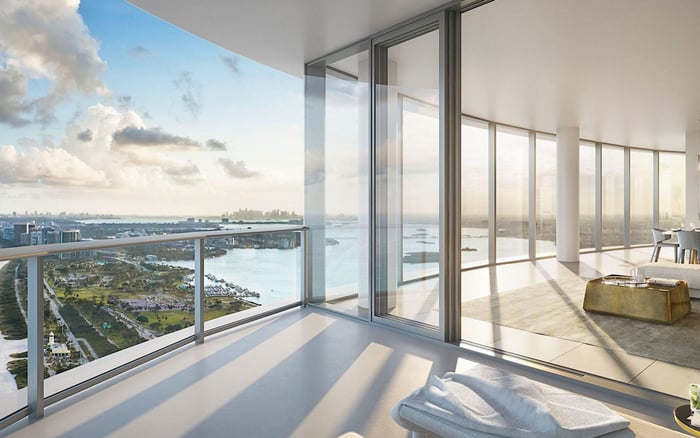
A family office’s residential acquisition strategy needs more than an attractive rate. Written lock terms, extension budgets, appraisal deadlines and contract-specific delay protections should align across every South Florida residence.
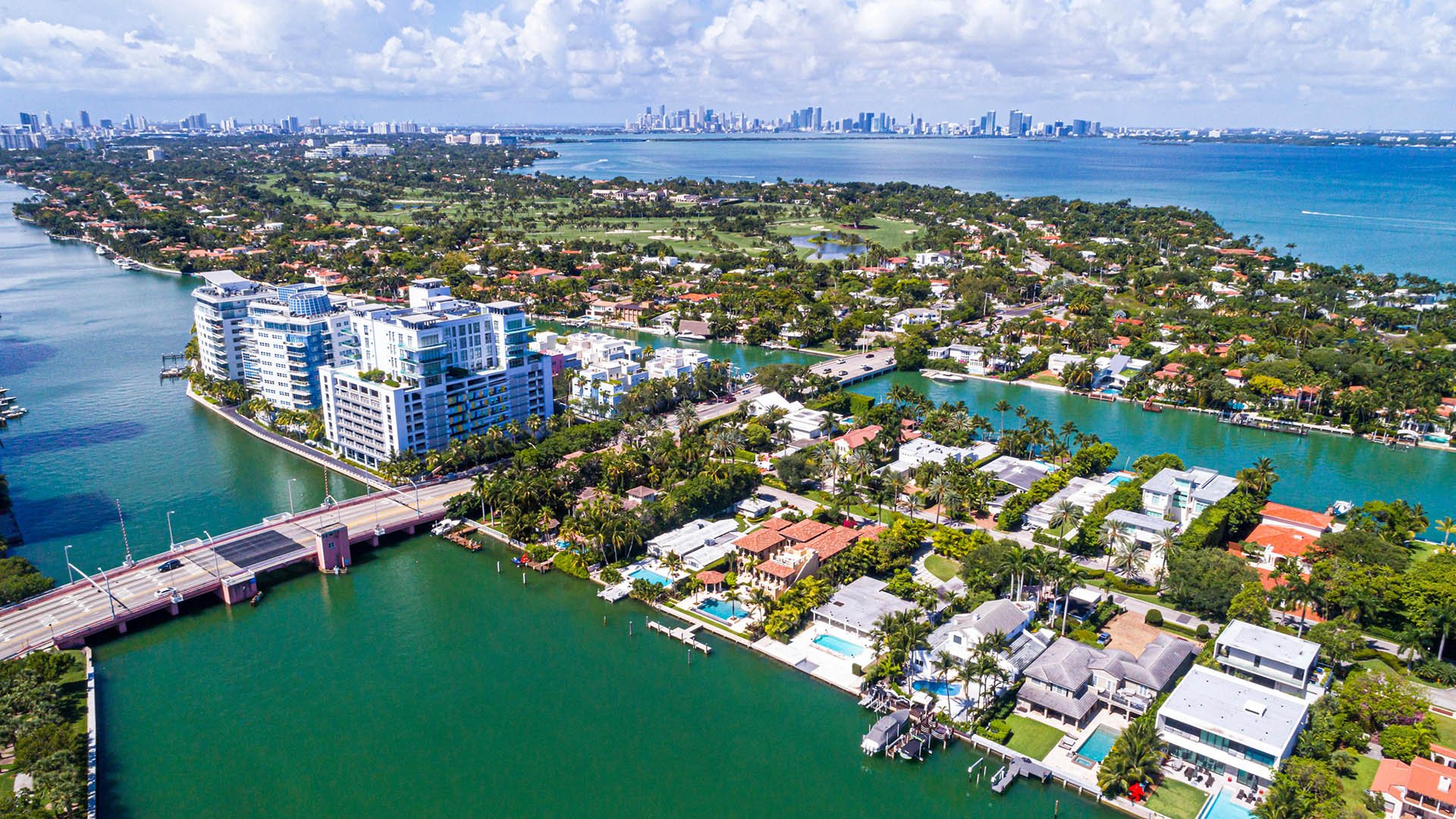
For a family office assembling South Florida residences, the financing challenge is not simply securing an attractive interest rate. It is ensuring that the purchase contract, mortgage lock and appraisal remain valid for the same closing date. A shift in construction timing can unsettle all three, even when the acquisition remains strategically compelling.
Whether the search spans Brickell and Miami Beach or extends to Coconut Grove and Bal Harbour, each residence deserves its own legal and financial file. The portfolio view should expose overlapping deadlines without suggesting that different lenders, contracts or buildings follow identical rules. Timing protection is only as useful as the written terms behind it.
Florida law requires written lock-in agreements that state the expiration date, if any, the interest rate and the lock-in fee, if any. That disclosure requirement is not a statutory right to free extensions, a float-down or developer reimbursement.
For each proposed loan, request a written schedule covering the initial lock period, upfront charges, extension increments, extension pricing and treatment after expiration. Confirm whether any fee is nonrefundable, who must authorize an extension and when that authorization must reach the lender. Record any float-down conditions separately; access to a lower rate should not be treated as implicit.
For an acquisition under consideration at The Residences at 1428 Brickell, evaluate the appropriate lock against the actual purchase and financing documents, not the address or project identity. No project reference here implies a particular lender arrangement, delivery date or contractual protection.
Indicative lock windows run approximately 30-45 days for standard purchases and 60-90 days for more involved transactions, including condominiums, jumbo mortgages and new construction. Some lenders offer construction-related locks lasting 90 days to 12 months. These are reference ranges, not assurances of availability for a particular family-office borrower.
Longer protection can carry an upfront nonrefundable fee or higher baseline pricing. A shorter lock may appear economical but leave the acquisition exposed to repeated extensions. Compare total financing costs across several plausible closing dates, rather than the headline rate alone.
For a Miami Beach selection such as The Perigon Miami Beach, build those scenarios from the transaction’s documented completion expectations. Distinguish the estimated completion date from the contractual outside date, and ask counsel to explain what each permits or requires.
Model the expected closing, a modest delay and a longer delay. Keep upfront lock charges separate from extension fees and interest costs: each affects liquidity and long-term borrowing expense differently.
An indicative extension fee is 0.125-0.25% of the loan amount for a 7-15-day period. This range is a planning reference, not a guaranteed jumbo or private-bank quotation. The lender’s written terms must establish the actual charge and the duration it purchases.
At an illustrative 0.25%, extending a $3 million mortgage costs $7,500. Two equally priced extensions total $15,000. Across multiple residences, aggregate the property-level scenarios rather than assume that only one closing will slip at a time.
Some lenders may provide free 7-15-day extensions for delays outside the borrower’s control, including title issues or seller delays. Those waivers are not automatic entitlements. Confirm eligibility and required documentation before incorporating a waiver into the budget.
Expiration can be more consequential than an extension charge. Some lenders reprice an expired lock using the worse of the original locked rate or the current market rate. A falling market therefore does not necessarily rescue an expired agreement. The file should identify both the re-lock policy and the decision-maker authorized to act before expiration.
A rate lock and an appraisal have different deadlines. Extending one should never be assumed to extend the other.
Certain agency appraisal-age requirements call for an update when the original appraisal is more than four months old relative to the note and mortgage date. Under those requirements, an original appraisal with an effective date more than 12 months before that date must be replaced, even if an update was obtained. The update assesses whether value has declined since the original appraisal; it is not merely an administrative renewal.
These thresholds are not universal rules for jumbo, portfolio or private-bank financing. Obtain the applicable lender’s appraisal-age policy, required update documentation and construction-completion requirements in writing. Certain one-time-close construction loans also carry milestone-specific timing requirements, so the loan structure matters.
When evaluating Bentley Residences Sunny Isles in Sunny Isles Beach, use the family office’s own lender requirements rather than import an agency timeline into the file. Track the appraisal’s effective date, the relevant financing milestone and the latest acceptable update or replacement date separately.
A construction delay does not, by itself, establish a buyer’s right to cancel or recover financing costs. Builder contracts may permit delays without automatic cancellation rights and may leave rate-lock extension expenses with the buyer. The signed agreement, reviewed by counsel, should govern the analysis.
Ask counsel to identify the contractual outside date, permitted extensions, notice obligations, cancellation provisions and any express allocation of financing-delay costs. Where protections are negotiable, request precise language rather than rely on a general assurance that the developer will accommodate a late closing.
For a West Palm Beach candidate such as Alba West Palm Beach, reconcile the estimated certificate-of-occupancy date with the lender’s actual closing requirements. Treat the estimate as a planning input, not a guarantee. Include proposed seller reimbursement in the documented economics only after its terms are confirmed.
Maintain a property-level schedule recording the contractual outside date, estimated completion and certificate-of-occupancy dates, lock expiry, extension pricing, re-lock policy, appraisal effective date and required update deadline. Attach the controlling documents rather than rely on a summary alone.
Assign responsibility for each approaching deadline to counsel, the lending contact or the family office’s designated decision-maker. At every material schedule change, refresh both the cash-cost forecast and the document-validity review. The objective is to preserve choices before a deadline narrows them.
A disciplined acquisition file does not eliminate uncertain completion timing. It makes the cost of that uncertainty visible, assigns responsibility and allows each residence to be financed on its own merits without losing sight of the portfolio.
For a discreet conversation about your South Florida residential acquisition priorities, connect with MILLION.
If branded residences are on your mind — as a home or as an allocation — we would be glad to share what we are seeing, privately.
Begin a quiet conversationFlorida law requires a written agreement stating the expiration date, if any, the interest rate and the lock-in fee, if any.
Indicative windows are approximately 30–45 days for standard purchases and 60–90 days for more complex transactions. Some lenders offer construction-related locks lasting 90 days to 12 months.
Longer locks can carry an upfront nonrefundable fee or higher baseline pricing. Availability and cost depend on the lender’s written terms.
An indicative range is 0.125–0.25% of the loan amount for a 7–15-day period, not a guaranteed jumbo quote. At 0.25%, a $3 million mortgage costs $7,500 to extend.
Some lenders may offer free 7–15-day extensions for qualifying delays outside the borrower’s control. Eligibility and approval must be confirmed rather than assumed.
Some lenders apply the worse of the original locked rate or the current market rate. The written re-lock policy determines the treatment.
Not necessarily. A float-down may provide access to a lower rate after locking, but availability and conditions must be confirmed in writing.
Certain agency rules require an update after four months and a new appraisal when the original is more than 12 months old relative to the note and mortgage date. Jumbo and private-bank lenders may have different requirements.
Not necessarily; builder contracts may permit delays without automatic cancellation rights. Counsel should review the signed agreement’s deadlines, permitted extensions and remedies.
Track the contractual outside date, estimated completion and certificate-of-occupancy dates, lock expiry, extension costs, re-lock policy and appraisal deadlines. Keep the controlling documents with the schedule.