A family-office framework for evaluating Edgewater residences through storage rights, owner-closet security, environmental specifications and seasonal inventory discipline, with purchase safeguards that distinguish advertised amenities from usable entitlements.
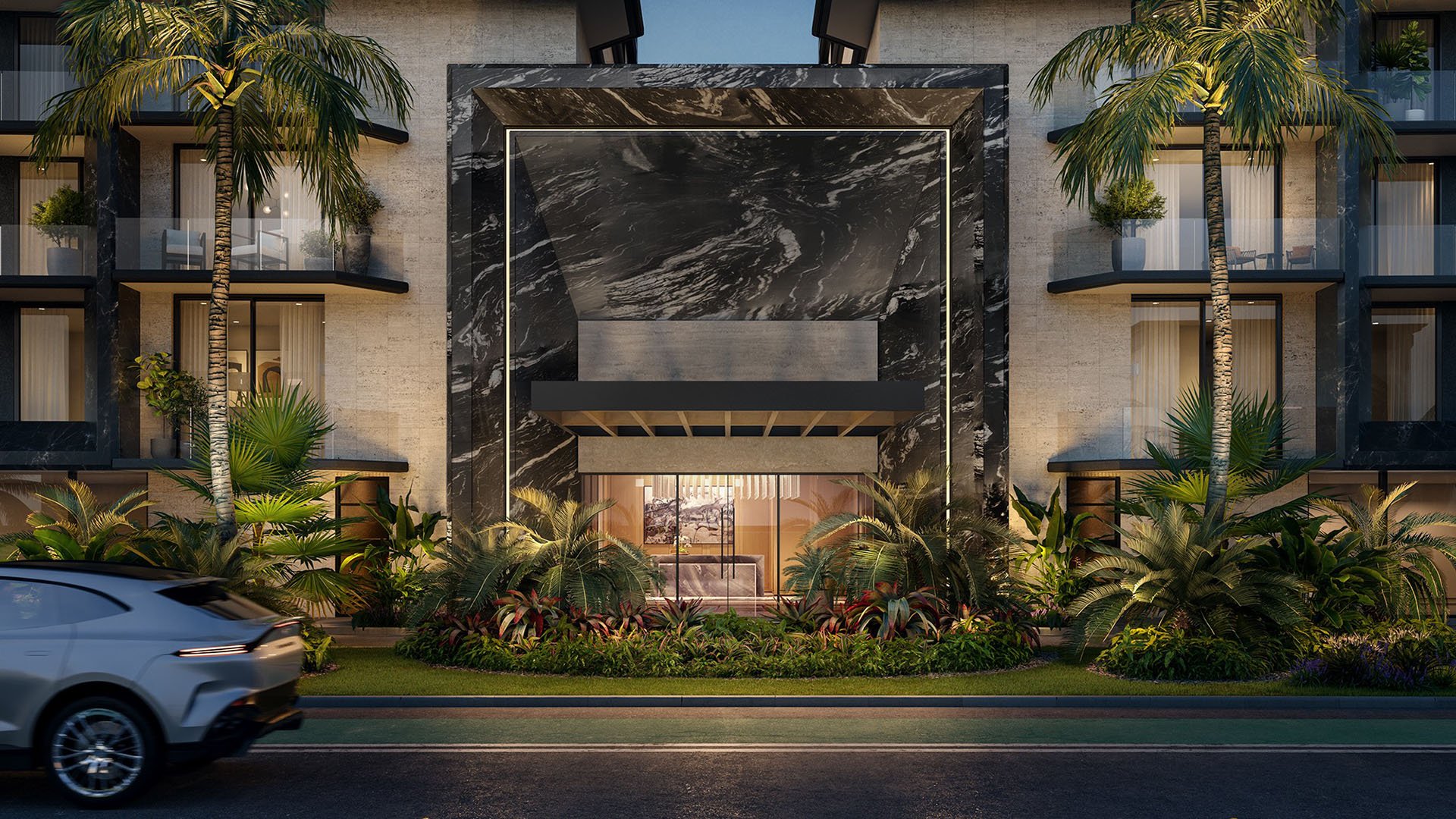
For a family office acquiring an Edgewater residence, storage deserves the same scrutiny as the principal rooms. A beautifully composed apartment can still be poorly suited to seasonal ownership if luggage, bicycles and personal belongings lack a secure, accessible place between visits. The purchase question is not simply whether storage exists, but whether the household can rely on it.
A useful framework separates four functions: belongings retained inside the residence, inventory held elsewhere in the building, bicycle accommodation, and the movement of goods before and after occupancy. Value storage as a documented right, not an amenity label. That distinction sharpens the purchase plan and makes the eventual residence easier to operate.
At Edge House Residences, advertised features include an owner’s closet in every residence and built-in closets with integrated lighting. These serve different needs. An owner’s closet may be intended to retain personal belongings, while ordinary wardrobe cabinetry serves daily use. Neither the label nor integrated lighting establishes lockability, exclusive access or suitability during guest occupancy.
Inspect the proposed or existing closet, measure its usable interior and confirm the locking arrangement. Establish who may hold a key or credential, whether household staff can access it independently, and whether the configuration accommodates the household’s actual inventory. Any use during rental occupancy should remain subject to separately confirmed rental permissions.
Elsewhere, unit-level variation matters. Some Paramount Bay residences have custom built-in closets; these should not be treated as a building-wide specification. Custom-built closets and private storage rooms are described as features of many Missoni Baia residences, but that does not establish their inclusion in every purchase. Verify the particular residence rather than extrapolating from another apartment.
At EDITION Edgewater, advertised building services include owner storage and bike storage. Those categories are a useful starting point, but they do not establish an individual buyer’s allocation, dimensions, fees or transfer rights.
Advertised amenities at Edge House also include temperature-controlled storage rooms and bicycle storage. As the property is described as a pre-construction offering, the acquisition file should distinguish promised specifications from completed, operational facilities. Request contractual clarification of what is included, what requires a separate arrangement and what remains subject to availability.
For each storage component, have the acquisition team record:
The applicable ownership, assignment or license arrangement and its supporting documents.
The precise location, usable dimensions, access route and permitted contents.
Initial and recurring charges, availability, allocation procedures and any waitlist.
Access controls, staff permissions and responsibility for keys or credentials.
Transfer terms, termination provisions and any restrictions affecting future owners.
Keep unresolved storage benefits out of the base underwriting case until rights and costs are established. If Aria Reserve Miami is also on the shortlist, apply the same documentation standard. Comparable residences should not be assumed to provide comparable storage arrangements.
Temperature-controlled storage is not synonymous with humidity-controlled storage. Edge House’s advertised temperature-controlled rooms therefore warrant a technical review before being designated for documents, art or collectibles. Ask for operating specifications, monitoring practices and procedures during equipment interruptions. Suitability should follow the belongings’ requirements, not the room’s marketing description.
At Elysee Miami, advertised amenities include a storage area and bike storage, with a secure wine vault and storage advertised separately. Keep those functions distinct in the purchase review. General storage should not be assumed to offer wine-specific conditions, and the wine offering does not establish a deeded, individually allocated or privately insured vault.
Request written confirmation from the relevant insurer before placing valuable goods in building storage. Where conditions or coverage remain uncertain, retain an alternative storage plan. This is not a judgment on the amenity’s quality; it is a discipline for matching each item to a suitable environment and a confirmed allocation of risk.
At Paramount Bay, advertised amenities include a package room, bike room, community storage space and storage rooms. These are separate operational categories, not interchangeable capacity. A package room may assist with arrivals, but its existence does not establish permission to hold a household’s seasonal inventory indefinitely.
Bicycle diligence should be equally specific. Confirm capacity, assigned racks, waitlists, access hours and permitted equipment. Do not assume that bicycle storage authorizes scooters, boards or e-bike charging. Test the access route against the household’s actual bicycles and intended retrieval routine before treating the room as a practical benefit.
At the 1800 Club, advertised features include private storage facilities, bicycle storage and walk-in closets in residences-another example of distinct storage functions within one building. EDITION’s advertised delivery services include newspaper, magazine and package delivery/storage, plus sanitizing deliveries. Confirm handling procedures and retention limits before building an arrival routine around those services.
A family office should maintain one item registry organized by location and season. Give each container or significant item an identifier, a photograph where useful, a description and a designated home. Distinguish the residence’s owner closet, building storage, bicycle room and any off-site facility within the registry.
Schedule quarterly rotations, then reconcile the inventory before and after each visit. Record what moved, who released it, who received it and where it was placed. Where concierge participation is available and authorized, document those transfers rather than relying on informal instructions.
Assign a single household lead to approve movements and resolve discrepancies. Maintain a departure checklist covering closet security, returned equipment, outstanding deliveries and items awaiting collection. If Villa Miami enters the purchase comparison, bring the same proposed operating routine to the diligence discussion. The test is whether verified arrangements support the household’s needs, not whether an amenity name sounds equivalent.
Treat savings from reduced off-site storage as an underwriting hypothesis, not an automatic return. Compare confirmed building charges, handling costs and insurance requirements with the alternative arrangement. Do not assign a resale premium to storage without a defensible basis, particularly where transferability remains unresolved.
Before committing, assemble a storage schedule alongside the purchase file: included spaces, legal rights, measured capacity, environmental specifications, operating rules and unresolved conditions. Ask counsel and the household’s insurance adviser to review the relevant provisions. A compelling Edgewater residence should satisfy both the architectural brief and this quieter operational test: personal belongings remain accounted for, accessible and appropriately protected between stays.
For a considered approach to your Edgewater purchase, explore MILLION.
If branded residences are on your mind — as a home or as an allocation — we would be glad to share what we are seeing, privately.
Begin a quiet conversationConfirm the specific space, legal entitlement, dimensions, availability, access controls, charges and transfer terms. An advertised amenity alone does not establish the buyer’s rights.
Yes, Edge House advertises an owner’s closet in every residence. Buyers should separately confirm lockability, access permissions and suitability for retaining belongings during guest or permitted rental occupancy.
No. Request environmental operating specifications before treating a temperature-controlled room as suitable for art, documents or collectibles.
Its advertised services include owner storage and bike storage, along with newspaper, magazine and package delivery/storage. Individual allocations, fees and operating arrangements require separate confirmation.
No universal specification is established. Custom built-in closets are described for some residences, so buyers should inspect the particular unit.
Many residences are described as having custom-built closets and private storage rooms, but inclusion in every unit is not established. Confirm the specific purchase entitlement.
Elysee advertises a secure wine vault and storage, but that does not establish deeded ownership, individual allocation or private insurance coverage.
Bicycle storage does not automatically authorize e-bike charging, scooters or boards. Confirm equipment rules, rack allocation, capacity and access arrangements.
Maintain an item registry by location and season, schedule quarterly rotations and reconcile belongings before and after visits. Record who released and received each transfer, including authorized staff or concierge involvement.
No. Treat potential off-site storage savings as a hypothesis until building fees, handling costs, usable capacity and insurance requirements are confirmed.