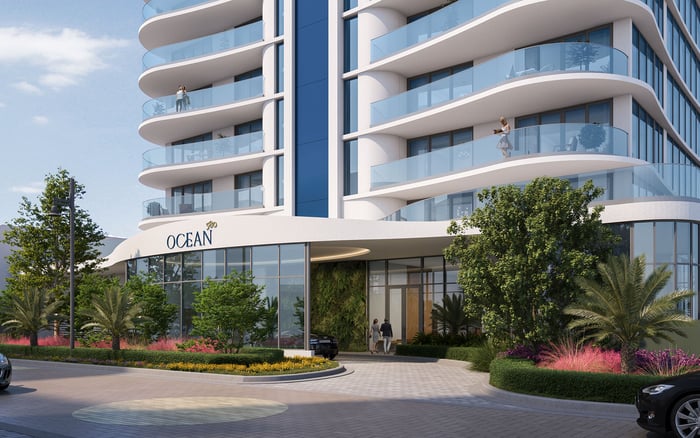
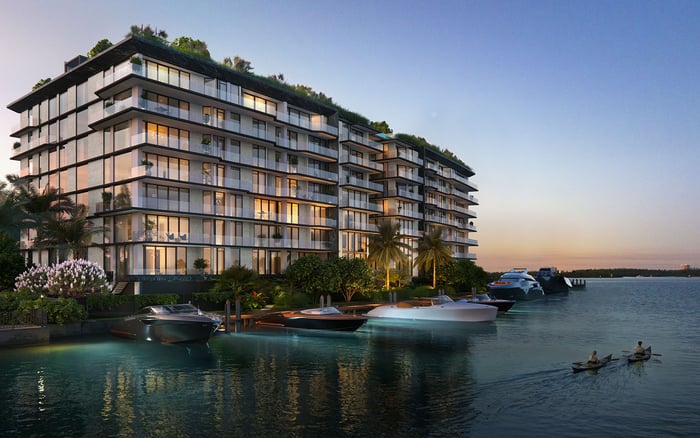
For affluent South Florida buyers, the real insurance decision is not simply whether oceanfront costs more than bayfront. It is whether the property can secure durable wind and flood coverage, acceptable deductibles, and stable renewal terms without compromising the ownership experience.
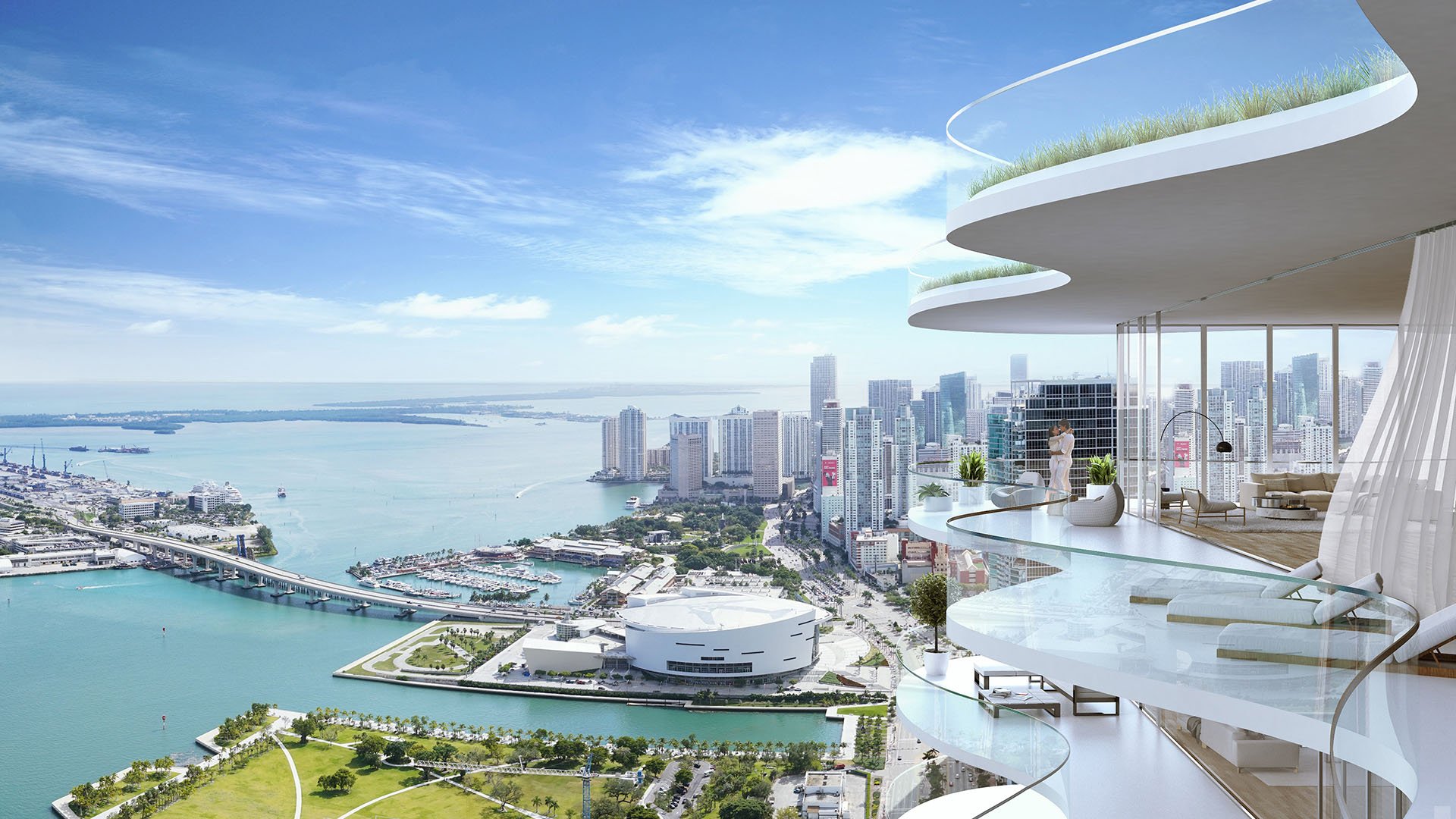
In South Florida, the emotional pull between oceanfront and waterview living is obvious. The Atlantic offers direct horizon views, surf, and the prestige of immediate beachfront placement. Bayfront addresses counter with calmer water, marina access, and, in many cases, a different risk profile. For a luxury buyer, however, the more consequential distinction is insurance.
The first question to settle is not whether an oceanfront residence feels more iconic. It is whether the home can be insured on terms you are willing to accept at closing and at renewal. On open-coast properties, wind and flood exposure often lead to higher premiums, more restrictive underwriting, and larger deductibles. Bayfront homes can still carry meaningful flood risk, but some sit in lower-risk designations that do not trigger the same mandatory federal flood-insurance requirements common in higher-risk coastal zones.
That difference matters whether you are considering an established beachfront tower such as 57 Ocean Miami Beach or a bay-oriented address where the insurance conversation may begin from a different baseline. For MILLION Luxury readers, insurance is no longer a back-office detail. It is part of the acquisition strategy.
One of the costliest mistakes in a waterfront purchase is assuming that a broad neighborhood label tells you enough. It does not. A buyer should confirm the exact FEMA flood designation attached to the specific property, because the line between a high-hazard coastal area and a lower-risk zone can materially affect both mandatory coverage requirements and pricing.
Coastal high-hazard areas, often identified as VE zones, face stricter building and insurance requirements because wave action and storm-surge exposure are greater. By contrast, some bayfront or more protected sites may fall into X or shaded X zones, where the insurance consequences can differ meaningfully, particularly for financed purchases. That does not mean bayfront is automatically inexpensive or exempt from flood concerns. It means the underwriting baseline may be more favorable.
This is particularly relevant in places where buyers compare open-water glamour with more sheltered waterfront settings, from Miami Beach to Bay Harbor. A project such as Onda Bay Harbor naturally calls for a different insurance review than a surf-facing building on the barrier island, even when both offer elite design and water adjacency.
Flood pricing has become more property-specific. Distance to water still matters, but so do elevation, flood frequency, and rebuilding cost. For luxury buyers, one variable deserves particular attention: the relationship between the first finished floor and base flood elevation.
If a home sits lower relative to expected flood levels, premiums can rise sharply and carrier options may narrow. In ultra-prime product, this becomes even more consequential because flood pricing also responds to rebuilding cost. Two residences may trade in a similar price bracket, yet the one with more expensive interiors, specialized materials, and higher replacement cost can carry a materially different insurance profile.
This is why buyers evaluating a bayfront new development in Brickell such as Una Residences Brickell should not assume a premium address alone explains the quote. Nor should an oceanfront buyer in Surfside or Sunny Isles assume that a newer building automatically neutralizes exposure. Elevation certificates, construction details, and replacement values deserve as much attention as finishes and floor plans.
In Florida, windstorm risk is often where luxury buyers encounter the most surprising terms. Some policies include wind coverage in the primary homeowners placement, while others impose coastal restrictions, tighter conditions, or separate structures in practice. The key is to verify exactly how wind is insured before funds are committed.
Then comes the deductible. In hurricane-prone markets, windstorm deductibles are often percentage-based rather than fixed-dollar amounts. On a high-value oceanfront property, that can create a substantial out-of-pocket obligation before insurance responds in a meaningful way. A deductible that seems manageable in concept can feel very different when applied to a luxury replacement value.
For oceanfront residences such as The Perigon Miami Beach or Turnberry Ocean Club Sunny Isles, this is not a technicality. It is part of the total cost of ownership. Buyers should ask their insurance advisor to model both the annual premium and the worst-case deductible exposure under a hurricane-claim scenario.
Ocean exposure brings salt, humidity, and storm stress. Insurers know this, and underwriting reflects it. Ocean-exposed homes often require more documentation, including wind-mitigation information and updated condition details. Roof age, exterior condition, openings, and systems can all affect eligibility, pricing, and renewal stability.
Mitigation features can help. Impact-resistant glass, hip roofs, reinforced construction, and storm shutters may improve pricing or carrier appetite. This is one reason newer luxury product can present an advantage, not because it eliminates risk, but because it may align more closely with what underwriters want to see.
Even so, buyers should be careful not to confuse aesthetic newness with insurability. A beautifully finished residence still needs a clear story on building resilience, maintenance standards, and replacement cost. In Broward and Fort Lauderdale, for example, a buyer considering Auberge Beach Residences & Spa Fort Lauderdale should review the insurance file with the same discipline used for budgets, reserves, and legal documents.
Another question sophisticated buyers should settle early is whether the property can be fully insured through the private market or whether part of the solution depends on last-resort or residual-market coverage. Florida’s insurance landscape remains fluid, with carrier appetite, approved rate changes, and solvency concerns shaping what is available in real time.
For luxury coastal homes, this can mean more than a simple premium comparison. Some residences may require layered placements or specialty carriers if one insurer will not provide sufficient limits. Others may prove insurable at closing, only to face a more difficult renewal environment later. The deeper issue is continuity.
A disciplined purchase decision asks: Who is writing the risk, for how much limit, with what deductible, and how confident are we about renewal? In Bal Harbour, Miami Beach, or Boca Raton, that question can be as important as the view corridor itself.
For affluent buyers choosing between open coast and protected waterfront, five insurance questions should be answered before the contract becomes irreversible.
First, what is the exact flood-zone designation of the property? Second, how does the home’s elevation compare with expected flood levels? Third, is wind coverage fully included, and what deductible structure applies? Fourth, what is the true replacement cost, distinct from purchase price? Fifth, can coverage be placed cleanly in the private market with reasonable confidence at renewal?
When those answers come back strong, oceanfront ownership may justify its higher carrying costs with full clarity. When they do not, bayfront can offer a more elegant balance of water access, design, and risk-adjusted livability. The wisest buyers are not choosing between romance and caution. They are choosing between two forms of waterfront prestige with open eyes.
Is oceanfront always more expensive to insure than bayfront? Usually, yes, because open-coast wind and surge exposure tend to produce higher modeled risk, but the specific property still determines the final result.
Can bayfront homes still require flood insurance? Yes. Bayfront properties can still face flood requirements and meaningful premiums, even if some sit in lower-risk zones than direct oceanfront homes.
Why does flood-zone designation matter so much? The exact designation can affect mandatory coverage requirements, underwriting standards, and the overall premium structure.
What is a VE zone in practical terms? It is a coastal high-hazard area associated with wave action and storm surge, which generally brings stricter insurance and building considerations.
Does a luxury purchase price determine the insurance amount? Not directly. Insurers focus more on replacement cost, which can be high in homes with custom finishes and specialized materials.
Why are hurricane deductibles such a concern for wealthy buyers? Because they are often percentage-based, meaning the owner’s out-of-pocket exposure can be substantial on a high-value residence.
Do newer waterfront buildings automatically get better insurance terms? Not automatically, but resilient construction and strong mitigation features can improve pricing or eligibility.
Should buyers ask about private flood insurance? Absolutely. Private flood options can change limits, deductibles, and pricing in ways that matter for high-value homes.
What if one insurer will not cover the full value of the property? The placement may require layered coverage or specialty carriers, which adds complexity that should be understood before closing.
What is the most important insurance question before choosing oceanfront over bayfront? Whether the property can secure complete wind and flood protection on acceptable terms both now and at renewal.
For a discreet conversation and a curated building-by-building shortlist, connect with MILLION Luxury.
If branded residences are on your mind — as a home or as an allocation — we would be glad to share what we are seeing, privately.
Begin a quiet conversation