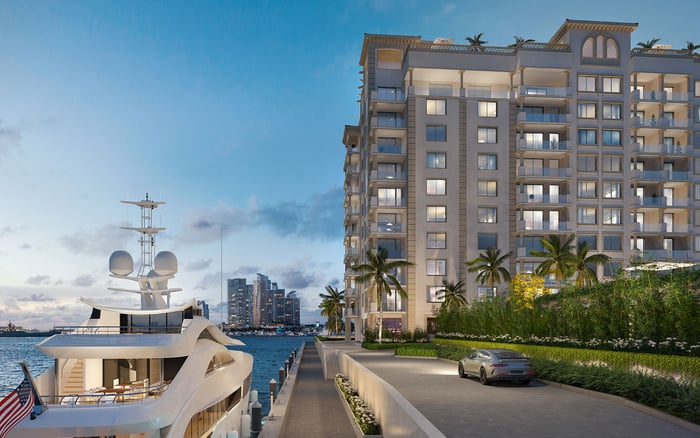
For oceanfront residences in Surfside, UV-filtering glass is less a luxury upgrade than a core performance decision. In a setting defined by intense sun, salt air, glare, humidity, and storm exposure, the right glazing strategy helps protect interiors, preserve comfort, support wellness, and strengthen the building envelope without diminishing prized water views.
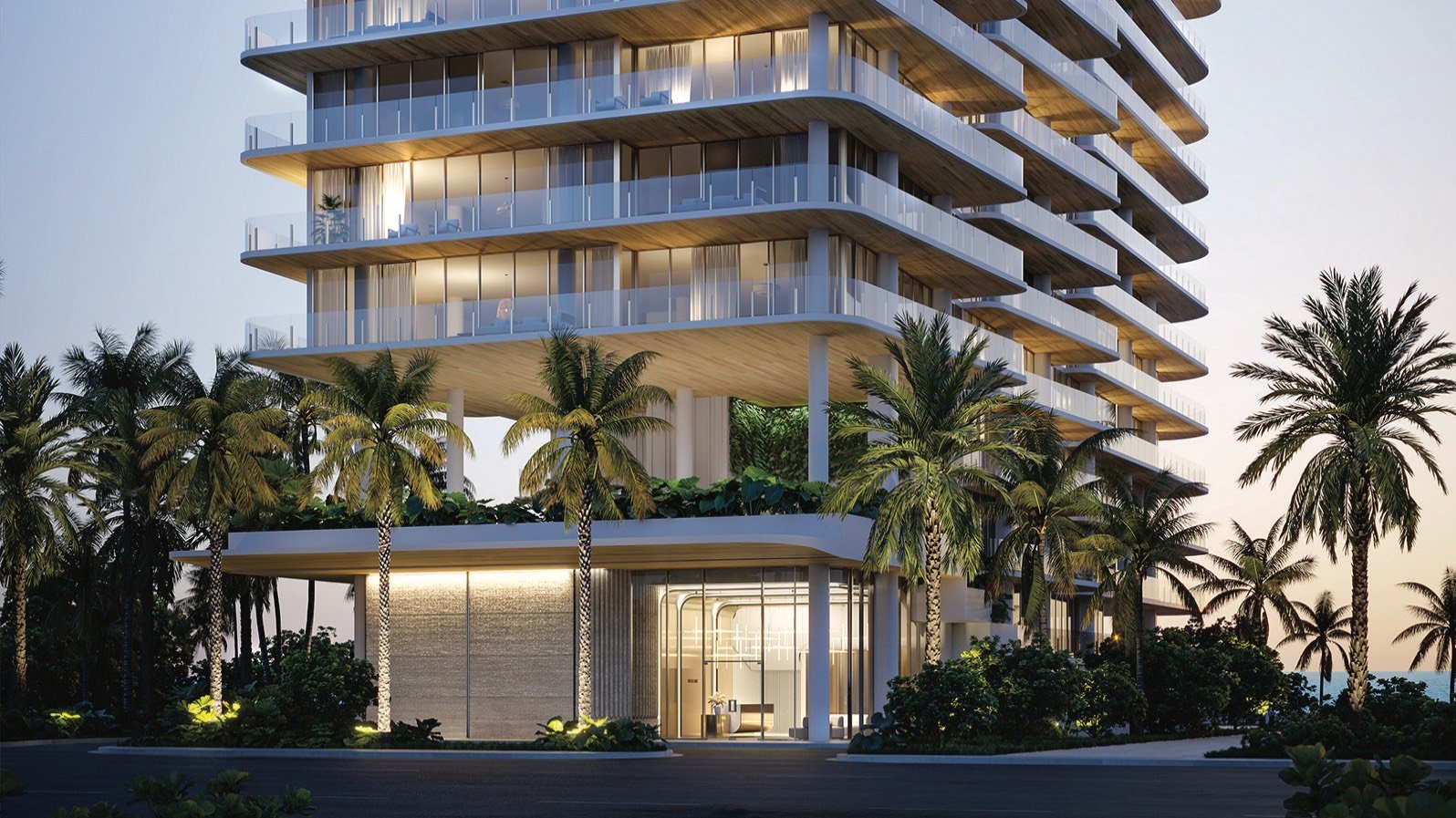
At Ocean House Surfside in Surfside, the conversation around windows is not simply aesthetic. On an oceanfront facade, glass performs several roles at once: framing the Atlantic, managing solar exposure, tempering glare, and withstanding a coastal climate defined by humidity, salt air, and elevated storm risk. In that setting, UV-filtering glass becomes one of the most consequential specification categories in the residence.
For buyers, this matters because ultraviolet exposure is rarely visible in the moment. The room still feels bright, the view remains clear, and the finishes appear pristine until sun damage accumulates gradually across flooring, upholstery, artwork, wood veneers, and window treatments. High-performance UV-filtering glass can block up to 99% of UV radiation, making it a meaningful line of defense for interiors exposed to persistent sun through large expanses of ocean-facing glazing.
That is especially relevant in South Florida, where UV levels regularly reach very high to extreme conditions. A residence designed to celebrate daylight needs an envelope capable of filtering what is harmful while preserving what is desirable: natural light, openness, and the visual drama of the sea.
In a luxury residence, the value of glazing is measured not only by thermal comfort but by preservation. Sun exposure can gradually mute the depth of a hand-knotted rug, bleach the richness from oak or walnut flooring, and alter the tone of fine textiles. Collectible furnishings, custom millwork, and art installations all benefit from reduced ultraviolet transmission.
This is where premium glazing earns its place. The right glass assembly helps preserve the integrity of interiors without forcing owners to live behind heavy shades throughout the day. In practical terms, it supports the design intent of oceanfront living: rooms that remain luminous, calm, and visually connected to the horizon.
For neighboring oceanfront properties such as Arte Surfside and Fendi Château Residences Surfside, the same principle applies. At this level of residential design, glazing is part of the finish palette. It protects what owners have curated inside while honoring the value of direct coastal exposure.
A common concern among buyers is that more protective glass must mean darker interiors or compromised vistas. In sophisticated modern assemblies, that tradeoff is far less pronounced than many assume. High-performance glazing can reduce ultraviolet transmission while preserving visible light and maintaining the clarity expected in an oceanfront home.
That distinction matters. The goal is not to shut out daylight. It is to refine it. UV-filtering and spectrally selective coatings can soften harshness, reduce interior glare, and make rooms feel more comfortable during the brightest parts of the day. In residences with full-height walls of glass, that can materially improve how living rooms, primary suites, and entertaining spaces are used.
In other words, the best glazing does not ask owners to choose between protection and panorama. It allows both.
On the coast, UV control should never be viewed in isolation. The best glazing strategy is layered. Low-emissivity coatings help regulate solar heat gain and heat transfer, which is especially useful in a cooling-dominant climate where large glass walls can intensify air-conditioning demand. The result can be a more stable interior environment and a more efficient response to prolonged sun exposure.
For an oceanfront building, this broader performance equation also includes storm protection. Impact-resistant laminated glazing is particularly important in hurricane-prone coastal zones, where the envelope must be designed for wind-borne debris protection and long-term durability. When properly specified, laminated and impact-rated glass can deliver both UV control and storm resilience in the same assembly.
That dual role is one reason buyers across Miami Beach and Bal Harbour often pay close attention to the glazing package in waterfront residences. It is not simply about comfort on a bright afternoon. It is about the long-term intelligence of the envelope.
Projects such as The Delmore Surfside and Rivage Bal Harbour illustrate how elite coastal living increasingly depends on high-performance materials that reconcile openness with resilience.
There is also a quieter benefit to laminated glass assemblies: they can improve acoustic performance. For oceanfront owners, that may mean a more serene interior despite wind, surf, and the ambient activity that comes with beachfront living. In luxury product, silence is part of comfort, and the glazing package contributes more to that experience than many buyers initially realize.
Glare reduction is another daily luxury. In a residence with broad eastern exposure, morning sun can be spectacular, but it can also create eye strain, screen reflections, and uneven brightness that undermines a room's usability. UV-filtering glazing that preserves daylight while reducing glare helps spaces feel composed rather than overexposed.
There is a wellness dimension as well. UV radiation is associated with skin damage, and reducing indoor UV exposure through the glass specification can be a subtle but meaningful part of healthier interior living. In premium residences, the envelope increasingly serves not only architecture but lifestyle.
That mindset extends well beyond Ocean House Surfside. Across South Florida, view-driven coastal residences increasingly prioritize materials that balance openness, comfort, and resilience.
Publicly disclosed, unit-specific glazing details at Ocean House Surfside are limited, so the prudent approach is to evaluate oceanfront residences through a best-practices lens rather than by assumption. For sophisticated buyers, three checkpoints matter most.
First, look for NFRC labeling and performance data. Standardized ratings help buyers and advisers compare visible transmittance and solar heat gain characteristics with greater precision.
Second, confirm Miami-Dade product approval where relevant. In coastal South Florida, those records are a key verification point for glazing systems intended for high-wind and impact-resistant applications.
Third, ask whether the assembly aligns with Florida code requirements and recognized impact-resistance standards for hurricane-prone environments. In premium coastal product, beauty should be inseparable from compliance and envelope durability.
These are not merely technical questions. They are investment questions. A residence that manages sun, heat, noise, and storm exposure elegantly is better positioned to preserve both livability and long-term appeal.
The case for UV-filtering glass is particularly strong at Ocean House Surfside because its oceanfront condition concentrates nearly every coastal stressor into a single exposure profile. Intense sun, reflective glare off the water, humidity, salt air, and hurricane risk all converge at the facade. For owners seeking a turnkey luxury experience, that means the glazing strategy deserves attention equal to kitchens, stone, or amenities.
In this context, great glass is not visible as a feature in the way a marble slab or sculptural stair might be. Its success is felt indirectly. Interiors age more gracefully. Furnishings retain their color longer. Rooms remain bright without becoming punishing. Views stay expansive. Storm readiness is integrated rather than improvised.
That is the real luxury of high-performance glazing in Surfside: a residence that feels protected without ever feeling closed off.
Why is UV-filtering glass so important in Ocean House Surfside? Oceanfront residences in Surfside face intense sun, glare, humidity, and salt air, making glazing performance central to comfort and interior protection.
Can UV-filtering glass really help protect interiors? Yes. High-performance glass can block up to 99% of UV rays, helping reduce fading in furniture, flooring, artwork, and window treatments.
Will UV protection make ocean views look darker? Not necessarily. Modern high-performance glass can reduce ultraviolet transmission while preserving daylight and visual clarity.
Is UV-filtering glass the same as impact glass? No. They are different performance functions, although a properly specified laminated impact-rated assembly can deliver both storm protection and UV control.
Does this matter for resale, or only for daily living? It matters for both. Buyers of oceanfront homes tend to value materials that protect interiors, improve comfort, and support envelope durability.
What should a buyer verify when reviewing glazing? Focus on NFRC ratings, Miami-Dade product approval, and compliance with Florida code and impact-resistance requirements.
Can UV-filtering glass reduce glare inside the residence? Yes. Well-specified glazing can soften harsh brightness and reduce glare while maintaining a daylit interior.
Does laminated glass help with sound as well? It can. Laminated assemblies may improve acoustic performance, which is useful in beachfront settings with wind and outdoor activity.
Are specific glazing details for every unit at Ocean House Surfside publicly disclosed? Public unit-by-unit details are limited, so buyers should evaluate performance through verified approvals, ratings, and documentation.
Is UV-filtering glass a luxury extra or a coastal necessity? In prime oceanfront South Florida residences, it is best understood as a core envelope decision rather than an optional upgrade.
For a confidential assessment and a building-by-building shortlist, connect with MILLION Luxury.
If branded residences are on your mind — as a home or as an allocation — we would be glad to share what we are seeing, privately.
Begin a quiet conversation