For Houston buyers considering Surfside, the decisive calculation extends beyond purchase price. Property-tax treatment, association finances, insurance, inspections, reserves, and a distinctly walkable oceanfront lifestyle should all inform the acquisition.
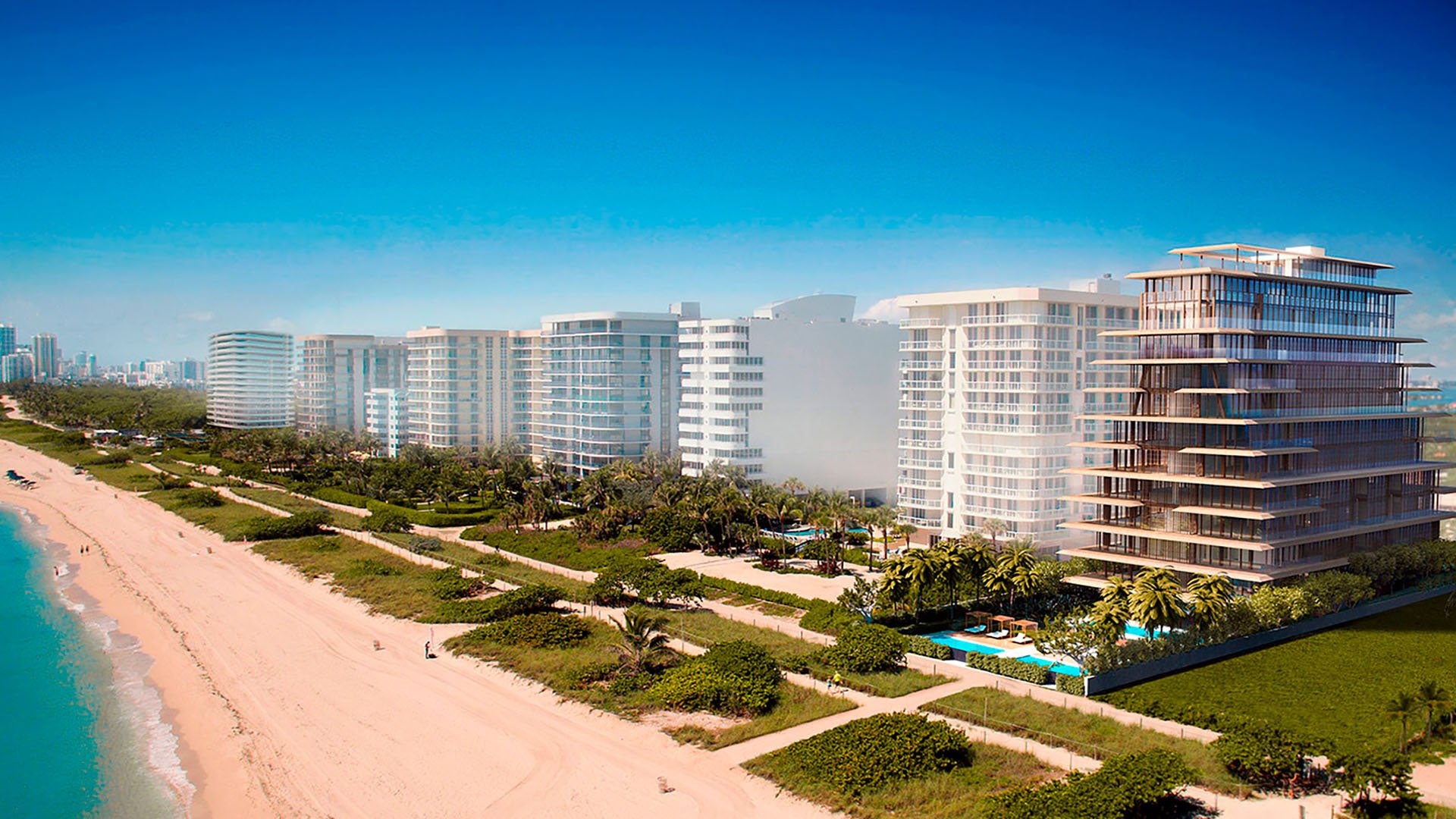
For a Houston buyer, Surfside presents a clear exchange: less private space and less reliance on the car, balanced by immediate beach access and neighborhood-scale convenience. This compact oceanfront town occupies Miami-Dade’s barrier island between Bal Harbour and North Beach. Collins Avenue forms its condominium corridor, while Harding Avenue offers restaurants, cafés, shops, and practical daily services.
The MILLION lens brings together Buyer’s Guides rigor, Pricing & Trends context, and a Lifestyle test. The relevant question is not simply whether Surfside feels appealing on holiday, but whether the town’s physical scale, ownership costs, and residential rhythm suit the way you intend to live.
Many Surfside residents can walk from home to the beach, groceries, dining, places of worship, and other necessities. The town also has a strong kosher dining and Jewish community presence-an important practical advantage for observant households prioritizing walking access. Bal Harbour adds nearby luxury shopping and dining without altering Surfside’s quieter residential character.
Houston owners accustomed to larger lots, substantial garages, and car-oriented routines should test this trade in real time. Walk the routes you would use morning and evening. Consider storage, parking, guest arrivals, pet routines, and how often you truly want to drive.
A property tour can define the range of Surfside choices without assuming that similarly priced homes carry similar obligations. Arte Surfside and Ocean House Surfside offer distinct points of comparison, while The Delmore Surfside and The Surf Club Four Seasons Surfside broaden the conversation. Evaluate each residence on its own documents, budget, governance, and suitability-not on name recognition alone.
Florida property tax applies to taxable assessed value after eligible exemptions, not directly to a home’s listing or market price. Surfside’s median effective property-tax rate is approximately 1.60%, compared with a national median near 1.02%, while its median annual bill is about $9,887. Those figures provide context, not a quote for a particular residence.
Permanent Miami-Dade residents may qualify for homestead and other benefits tied to age, disability, veteran status, or additional eligibility categories. Florida’s homestead exemption can reduce taxable value by as much as $50,000, but it is divided into tiers and does not apply uniformly to every levy.
Intended occupancy is therefore central to planning. A primary residence and a second home may receive materially different tax treatment over time. Before signing, ask a Florida tax adviser and attorney to model your circumstances, residency position, exemptions, expected assessment, and ownership structure.
Association dues and property taxes belong on separate lines. At Carlisle on the Ocean, Unit 512 showed a $900 monthly association fee and $4,204 in annual property tax. Both figures were snapshots and could change with ownership status, budgets, insurance renewals, or assessments.
Florida condominium fees commonly range from roughly $400 to $900 per month or more. Waterfront exposure, amenities, staffing, insurance, and community type shape the total. A fee may cover the master insurance policy, water, sewer, trash, basic cable, amenities, exterior maintenance, grounds, and reserve contributions, but inclusions vary by association.
The direction of costs also deserves scrutiny. Miami-Dade’s median condo association fees have increased by more than 70% since 2016. In buildings of at least three stories, fees rose approximately 42% between early 2022 and 2025 amid stricter inspection, reserve, and insurance requirements.
A realistic monthly model should include association dues, property taxes, personal HO-6 insurance, flood coverage if applicable, utilities, financing, parking, and interior maintenance. Add a contingency for future increases. A low current fee does not necessarily indicate a well-capitalized building, just as a higher fee does not automatically signal inefficiency.
Before closing, request the association budget, reserve study, structural milestone-inspection records, master-insurance summary, recent board minutes, and details of pending or approved special assessments. Review these materials together rather than in isolation.
Focus on whether reserves align with anticipated work, whether insurance costs are rising, and whether completed inspections produced repair obligations. Board minutes can reveal discussions that have not yet become formal assessments. Confirm which expenses the association covers and which remain the owner’s responsibility.
This diligence is especially important when comparing renovated interiors. Finishes can be assessed during a showing; the association’s financial resilience demands document review. The stronger purchase is the one whose building-level obligations remain acceptable after the initial visual appeal fades.
Surfside works best for buyers who value a consistent residential atmosphere, ocean access, and the ability to conduct much of daily life on foot. It may be less compelling for households that prioritize expansive private grounds, frequent driving, or extensive at-home storage.
Treat the purchase price as the opening figure, not the conclusion. A disciplined decision brings tax status, recurring ownership costs, association strength, and the lived experience of the neighborhood into a single plan.
Is Surfside quieter than Miami’s nightlife-oriented districts? Yes. It offers a more consistent residential atmosphere while retaining access to Bal Harbour’s shopping and dining.
Can residents handle daily errands on foot? Many residents can walk to the beach, groceries, restaurants, places of worship, and other necessities.
Are Florida property taxes based on the listing price? No. They apply to taxable assessed value after eligible exemptions, rather than directly to the listing or market price.
What is Surfside’s median effective property-tax rate? It is approximately 1.60%, with a median annual bill near $9,887.
Can homestead reduce taxable value? It can reduce taxable value by as much as $50,000, although tiers and levy-specific rules limit how the benefit applies.
What can condominium dues include? Depending on the association, they may fund master insurance, utilities, amenities, exterior maintenance, grounds, and reserve contributions.
Should buyers compare buildings by monthly dues alone? No. Inspection status, reserves, insurance costs, governance, and pending assessments provide essential context.
Which documents should be reviewed before closing? Request the budget, reserve study, inspection records, insurance summary, board minutes, and assessment details.
What personal costs sit outside association dues? Budget separately for taxes, HO-6 insurance, applicable flood coverage, utilities, financing, parking, and interior maintenance.
What is the central Houston-to-Surfside trade? Buyers generally exchange private space and car-oriented living for walkability, immediate beach access, and compact convenience.
If you'd like a private walkthrough and a curated shortlist, connect with MILLION.
If branded residences are on your mind — as a home or as an allocation — we would be glad to share what we are seeing, privately.
Begin a quiet conversation