A collector-focused guide to evaluating branded residences in Bal Harbour and nearby Surfside through privacy, art stewardship, service, and travel readiness.
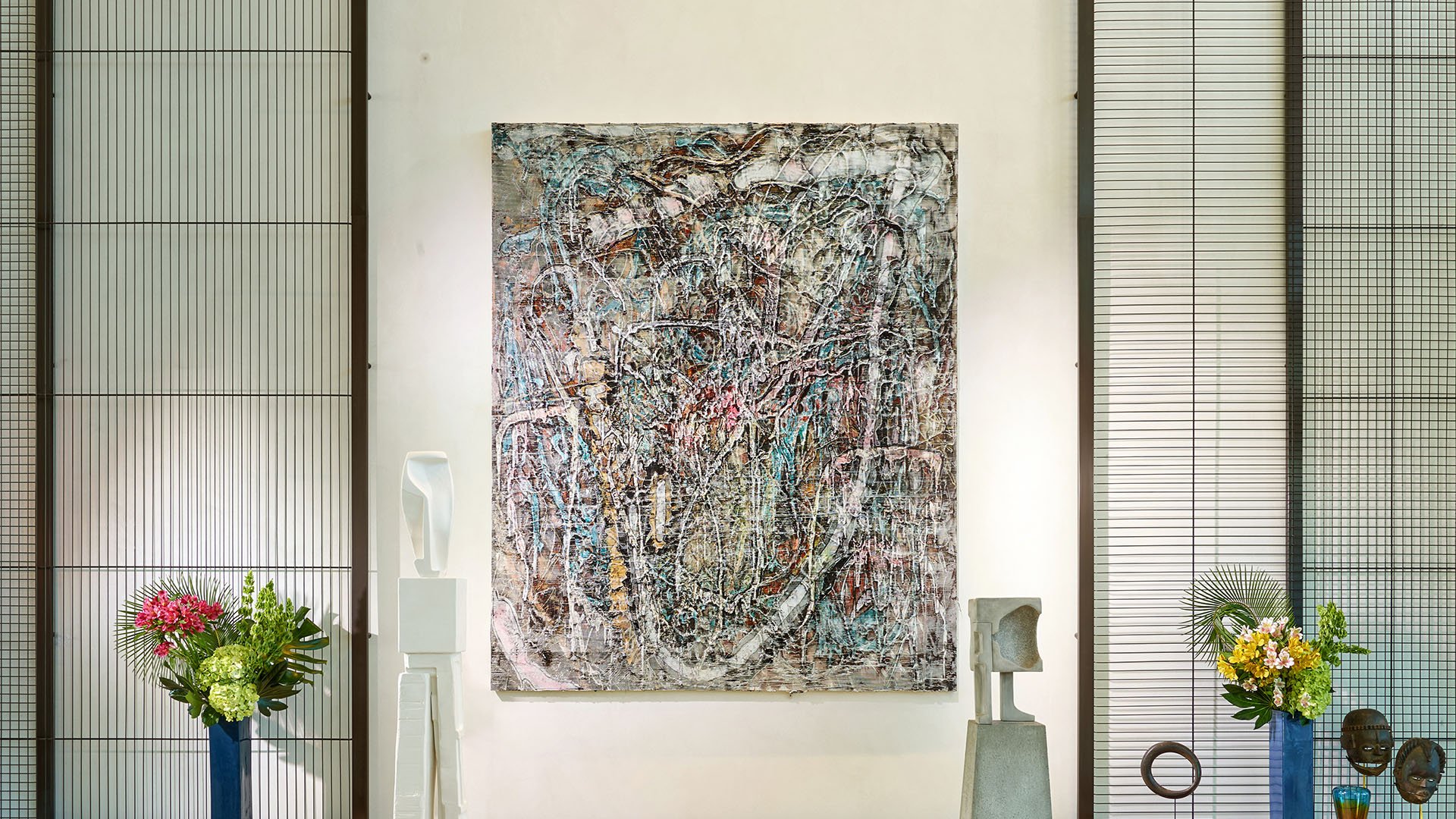
For collectors who organize part of the year around Art Basel and Miami Art Week, a South Florida residence must perform as more than an elegant retreat. It may need to accommodate art, staff, guests, deliveries, and departures, all while remaining composed when unoccupied. The best choice is not necessarily the most recognizable name, but the residence whose identity, operating culture, and ownership framework align with the collector’s habits.
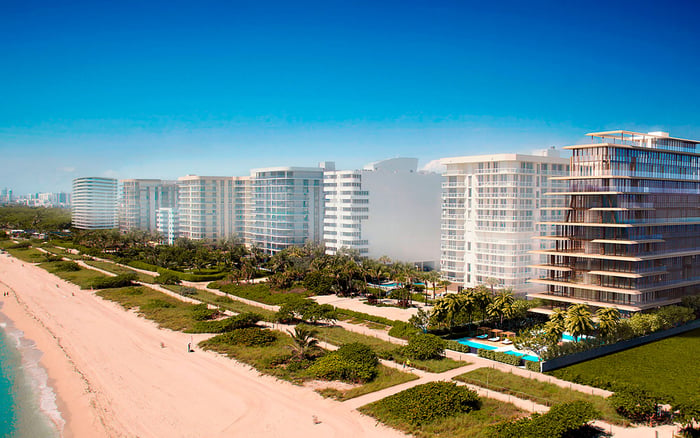
Bal Harbour offers a focused starting point. Oceana Bal Harbour and Rivage Bal Harbour belong in an initial comparison for buyers committed to the area. The inquiry should then move beyond presentation materials to the practical details that shape art ownership and seasonal use.
A brand can signal a design language, hospitality philosophy, fashion association, or service standard. Buyers should establish precisely what the affiliation governs. Does it influence interiors, management, resident services, or simply the property’s identity? More important, which obligations survive after purchase, and which may change over time?
For a collector, the strongest proposition aligns brand character with daily operations. A visually compelling home can disappoint if deliveries are cumbersome, contractors face restrictive access, or management procedures remain unclear. Conversely, discreet, consistent operations may prove more valuable than a conspicuous label.
That is why brand documentation, management arrangements, budgets, house rules, insurance requirements, and alteration policies deserve the same scrutiny as materials and views. The objective is not merely to buy into a name, but to understand the system behind it.
A Bal Harbour search can naturally extend into neighboring Surfside when a buyer wants a broader field of branded or design-conscious options. Fendi Château Residences Surfside brings a fashion name directly into the conversation, while The Surf Club Four Seasons Surfside introduces a hospitality association. Arte Surfside offers another nearby reference point for a buyer evaluating distinctive residential identity.
These links form a consideration set, not a universal ranking. Each collector should assess the residences through the same lens: privacy, control, art stewardship, service structure, and ease of arrival. The distinction between Bal Harbour and Surfside may matter, but operational fit can be decisive for an owner who divides time among several cities.
Art should inform due diligence from the first private viewing. Begin with the route from vehicle to residence. Review loading procedures, elevator access, doorway dimensions, turning clearances, contractor protocols, and permitted working hours. A specialist should verify whether a proposed piece can be transported and installed safely; assumptions based on floor plans alone are insufficient.
Inside the residence, assess usable wall planes, natural-light exposure, electrical placement, ceiling conditions, and circulation around major works. Confirm whether window treatments, lighting, security, environmental controls, or structural supports can be modified, then identify the approvals required. Insurance advisers, art handlers, conservators, designers, and legal counsel should review the relevant conditions before an acquisition depends on them.
Storage demands equal precision. A spare room is not automatically suitable for art, crates, or archival material. Collectors should determine what belongs in the residence, what should remain in specialist storage, and how objects will move between the two.
Art Basel travel can compress appointments, dinners, previews, and private visits into a demanding calendar. The residence should reduce friction, not introduce another layer of coordination. Buyers should ask how guests are admitted, vendors are scheduled, packages are handled, and procedures change when the owner is away.
Security should be evaluated as a complete chain, not as a single amenity. Consider arrival, visitor authorization, in-residence systems, staff access, digital records, and emergency protocols. Any representation about services or capabilities should be confirmed in current governing and operating documents.
The same discipline applies to oceanfront ownership. Salt, sunlight, humidity, and periods of vacancy may affect materials, furnishings, maintenance planning, and art placement. Appropriate specialists can assess those exposures for a particular residence and collection.
For many collectors, this is both a lifestyle choice and a second-home strategy. The residence must function within a broader portfolio of homes, storage facilities, advisers, and travel patterns. That makes predictability especially valuable.
Before committing, model the complete ownership experience. Consider recurring charges, staffing, insurance, art-related improvements, maintenance during absences, and the approvals required for future changes. Ask whether the residence can evolve with the collection. A home selected for one monumental work may feel constrained as the collection’s scale, medium, or display priorities change.
Ultimately, the best Bal Harbour-area residence is the one that protects the owner’s attention. It should inspire confidence that the home, collection, and guest experience can be managed with discretion-even from another continent.
What makes a branded residence suitable for an art collector? Suitability depends on operational consistency, privacy, installation logistics, adaptable interiors, and rules compatible with professional art stewardship.
Should buyers prioritize Bal Harbour or nearby Surfside? Begin with the preferred setting, then compare specific residences across both areas if brand identity and operational fit matter more than a municipal boundary.
Is a famous brand enough to justify a purchase? No. Buyers should verify what the brand controls, which services are contractual, and how the affiliation affects costs and decision-making.
What should be checked before planning an art installation? Confirm the complete delivery route, dimensions, load considerations, building approvals, contractor access, insurance, and permitted working procedures.
How should natural light be evaluated? A conservator and lighting specialist can assess exposure for the intended works and recommend glazing, shades, placement, or artificial-lighting strategies.
Can a residence double as art storage? Only after specialists confirm that security, environmental conditions, access, and insurance are appropriate for the objects being stored.
Which documents deserve close review? Review governing documents, budgets, management arrangements, house rules, insurance requirements, alteration policies, and current service terms with counsel.
How important is staff and vendor access? It is central for owners who travel frequently, since art handlers, conservators, designers, and household teams may require controlled entry while the owner is absent.
Should resale be considered when choosing highly personal interiors? Yes. Buyers can balance collection-specific improvements with adaptable planning and should understand approval requirements before altering the residence.
Who should join the buyer’s advisory team? The team may include legal counsel, insurance advisers, conservators, art handlers, security specialists, designers, engineers, and an experienced real estate adviser.
For a confidential assessment and a building-by-building shortlist, connect with MILLION.
If branded residences are on your mind — as a home or as an allocation — we would be glad to share what we are seeing, privately.
Begin a quiet conversation