A discreet buyer’s guide to evaluating Fisher Island as a long-term primary residence, with emphasis on daily livability, privacy, ownership structure, renovation tolerance, and resale discipline.
Buying on Fisher Island as a long-term primary residence is a different exercise from buying a glamorous second home. The emotional pull may be immediate, but the right purchase is usually quiet, disciplined, and deeply personal. The core question is not simply whether a residence is beautiful. It is whether the home can support the way you want to live every week, through family visits, work routines, seasonal shifts, entertaining, privacy needs, and the practical demands of ownership.
For the buyer who intends to make Fisher Island a true home base, the most valuable due diligence happens before the first offer. Floor plan, building culture, outdoor space, service access, maintenance standards, renovation flexibility, association rules, and exit strategy all matter. A long-term purchase should feel graceful on day one and remain sound years later.
Fisher Island deserves special treatment because the decision is less about visibility and more about securing a lifestyle that can stay composed over time.
A primary residence has to absorb real life. Before comparing finishes or views, define the non-negotiables that will shape daily comfort. How many people will live in the residence full time? How often will guests stay? Do you need a separate office, staff quarters, dedicated wellness space, or bedrooms that can change function over time? Is outdoor space for quiet mornings more important than a dramatic room for occasional entertaining?
This is where many luxury buyers move from attraction to discernment. A residence that photographs well may not live well. Long corridors, limited storage, indirect service routes, or a kitchen that is too formal for daily use can become persistent irritations. Conversely, a quieter residence with excellent proportions, privacy, and intuitive circulation may prove more valuable as a home.
Treat every showing as a rehearsal for ordinary days. Walk from the primary suite to the kitchen. Imagine deliveries, luggage, visiting family, pets, household staff, and maintenance appointments. Consider how the residence feels at different times of day. A primary home should reduce friction, not simply impress guests.
Fisher Island buyers often face a philosophical choice: the lock-and-leave ease of a highly serviced condominium, the privacy and scale of an estate-style residence, or a newer boutique setting with a more tailored atmosphere. None is universally superior. The best choice depends on how much control, service, privacy, and responsibility you want.
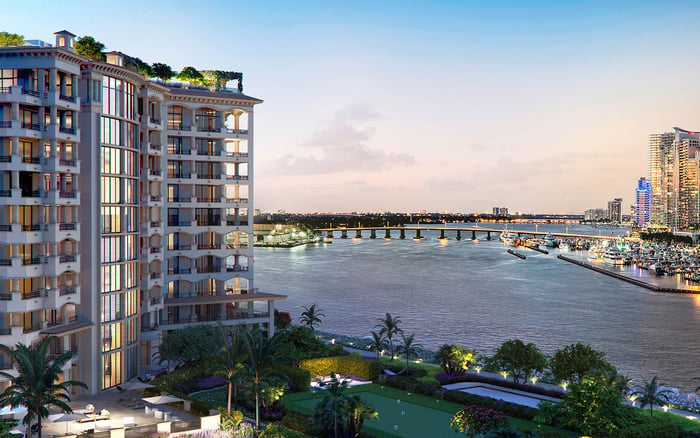
A buyer focused on contemporary condominium living may naturally study The Residences at Six Fisher Island as part of a broader comparison of new and highly refined options. The question is not only architectural preference. It is whether the building environment, ownership structure, and pace of life fit a primary-residence routine.
For buyers who want more of an estate sensibility, The Links Estates at Fisher Island can belong in the conversation because some long-term owners prioritize ground-oriented living, greater separation, and a residential feel closer to a private home. That format can be compelling for families, collectors, frequent hosts, or buyers who want a more defined sense of personal domain.
Established Fisher Island addresses should also be evaluated with care. A residence associated with Palazzo del Sol may appeal to a buyer who values a polished condominium environment, while Palazzo della Luna may enter the shortlist for those comparing privacy, scale, and a more recent luxury vocabulary. The right exercise is not to rank names by prestige. It is to match the building experience to the life you intend to live.
A long-term primary residence depends on invisible performance. Review governing documents, renovation rules, insurance obligations, reserve expectations, leasing restrictions, pet policies, staffing procedures, and any approvals required for alterations. These details shape what ownership actually feels like.
If you intend to customize the home, confirm what is allowed before you become attached to a design concept. Ask about work-hour limitations, contractor access, elevator protection, delivery logistics, and approval timelines. A residence that needs substantial work can still be an excellent purchase, but only if the renovation path is clear and tolerable.
Move-In Ready homes deserve their own scrutiny. The phrase can mean different things to different sellers. For a primary buyer, it should mean the residence is not only finished, but livable without immediate compromise. Test lighting, storage, appliances, technology, window treatments, acoustic comfort, and the usefulness of secondary rooms. A refined surface is not the same as a resolved home.
On Fisher Island, privacy is not merely a luxury feature. It is a daily condition that affects how relaxed a home feels. Evaluate sightlines from neighboring residences, exposure from common areas, elevator proximity, arrival sequences, and the separation between entertaining spaces and bedrooms. A residence can feel expansive yet exposed, or compact yet deeply private.
Privacy also has a social dimension. Some buyers want a building with an active, club-like atmosphere. Others prefer a quieter, more discreet environment where interaction is optional. Neither preference is wrong, but a mismatch can become wearing over time. Ask whether the atmosphere supports the rhythm you want, not the image you think you should want.
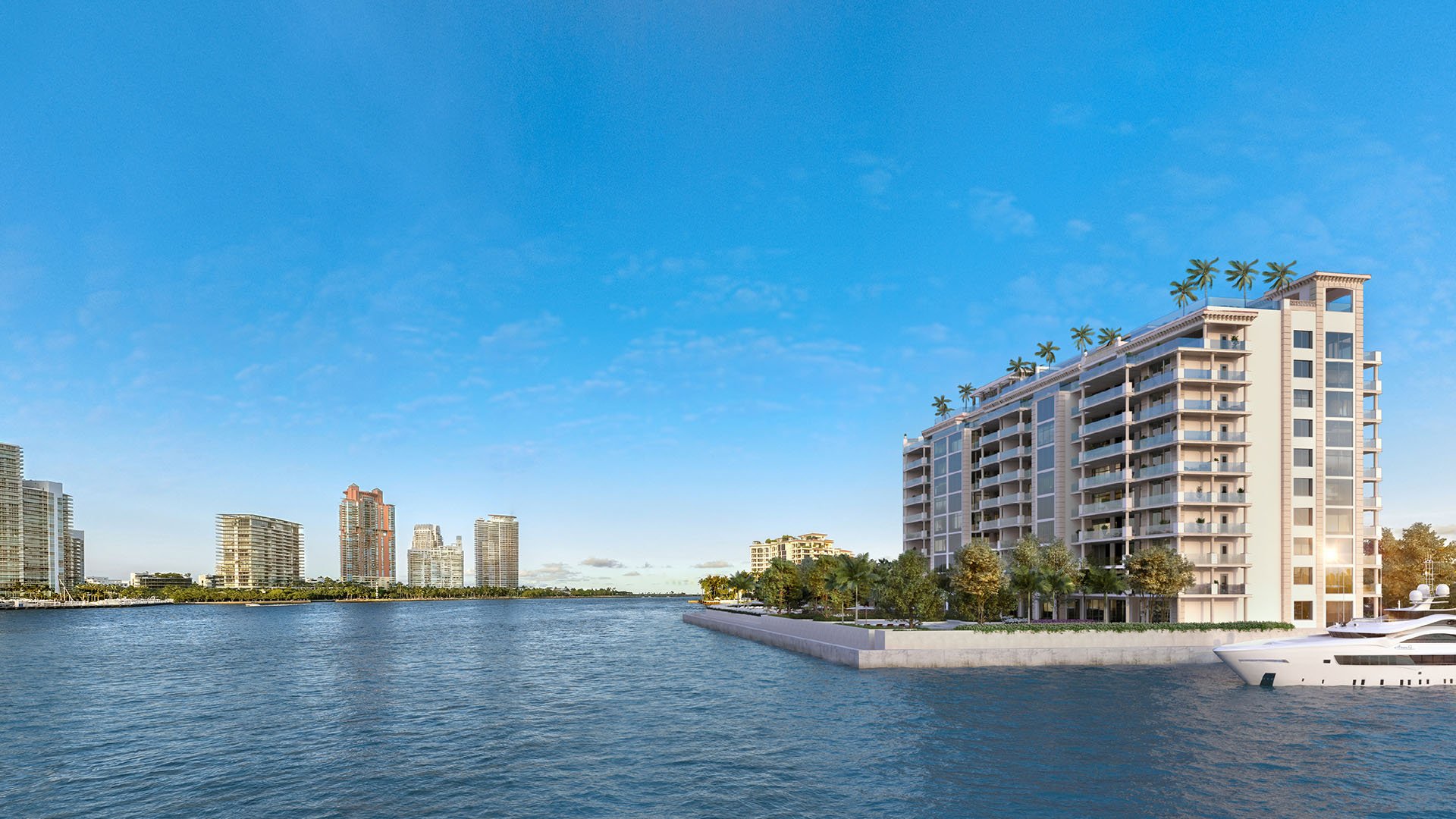
For Waterfront buyers, the same discipline applies. A water view can be spectacular, but long-term satisfaction also depends on light, glare, wind exposure, terrace usability, and how the residence balances openness with retreat. Waterfront living should feel restorative, not performative.
Lifestyle is often discussed in broad strokes, but primary-residence buyers should make it specific. Where will you read in the morning? Where will children or grandchildren spend time? Can two people work from home without conflict? Is there a place for private calls? Can dinner for two feel as natural as dinner for twelve?
The best Fisher Island residence is the one that supports repetition beautifully. It should make ordinary routines feel elevated without requiring effort. That is why layout, storage, service flow, and acoustic separation can be as important as ceiling height or material palette. Luxury becomes meaningful when it disappears into ease.
If the home will serve multiple generations, think in longer arcs. Bedroom placement, elevator access, shower design, terrace thresholds, and proximity between primary living areas can become more important over time. A residence bought for a decade should not be planned only around the next season.
Even the most personal primary residence should be purchased with future liquidity in mind. Long-term buyers often customize, but customization should enhance quality rather than narrow the audience excessively. Flexible rooms, timeless materials, strong natural light, and a coherent floor plan tend to age more gracefully than overly thematic design.
Avoid paying solely for a feature that is fashionable but not fundamental. A premium is easier to justify when it is attached to privacy, proportion, condition, outdoor usability, protected outlook, or a scarce residential format. The next buyer may not share your exact taste, but they will recognize ease, quality, and restraint.
A disciplined offer strategy should include comparable alternatives, likely improvement costs, ownership expenses, and the emotional value of certainty. On Fisher Island, waiting for perfection can be costly in opportunity, but rushing into the wrong residence can be costlier still.
Is Fisher Island better suited to primary residences or second homes? It can serve either purpose, but primary buyers should place greater weight on daily livability, privacy, storage, service flow, and long-term ownership rules.
Should I prioritize a new residence or an established building? Prioritize fit. Newer residences may offer a contemporary design language, while established buildings may offer a known residential rhythm and proven ownership culture.
What is the first thing to evaluate in a Fisher Island home? Start with the floor plan. If circulation, room placement, privacy, and storage do not work, finishes rarely compensate over the long term.
How important is outdoor space for a primary residence? It is important when it is usable. Consider shade, exposure, access from living areas, privacy, and whether the terrace supports daily life.
Is a Move-In Ready residence always the safest choice? Not always. It may reduce near-term disruption, but buyers should still inspect systems, technology, storage, lighting, and the practical quality of the layout.
How should I compare condominium living with estate-style living? Compare your appetite for service, privacy, control, maintenance responsibility, and space. The right format should match your temperament, not just your budget.
What role does Lifestyle play in the purchase? Lifestyle should be translated into practical needs: work areas, guest patterns, entertaining style, wellness routines, family use, and quiet retreat.
Should Waterfront views drive the decision? Views matter, but they should be balanced against privacy, light, terrace comfort, interior flow, and the overall feeling of the home.
How can I protect resale value while customizing? Use timeless materials, preserve flexible rooms, avoid overly personal alterations, and invest in improvements that enhance function as well as appearance.
When should I involve an advisor? Involve an advisor before your shortlist is fixed, so ownership rules, building culture, renovation limits, and negotiation strategy can be reviewed early.
For a tailored shortlist and next-step guidance, connect with MILLION.
If branded residences are on your mind — as a home or as an allocation — we would be glad to share what we are seeing, privately.
Begin a quiet conversation