At The Delmore Surfside, ownership flexibility depends on two distinct layers: Surfside’s seasonal-rental registration regime and the condominium association’s own lease, screening, and guest-access procedures. Buyers should verify both before relying on rental income, seasonal occupancy, or unaccompanied guest use.
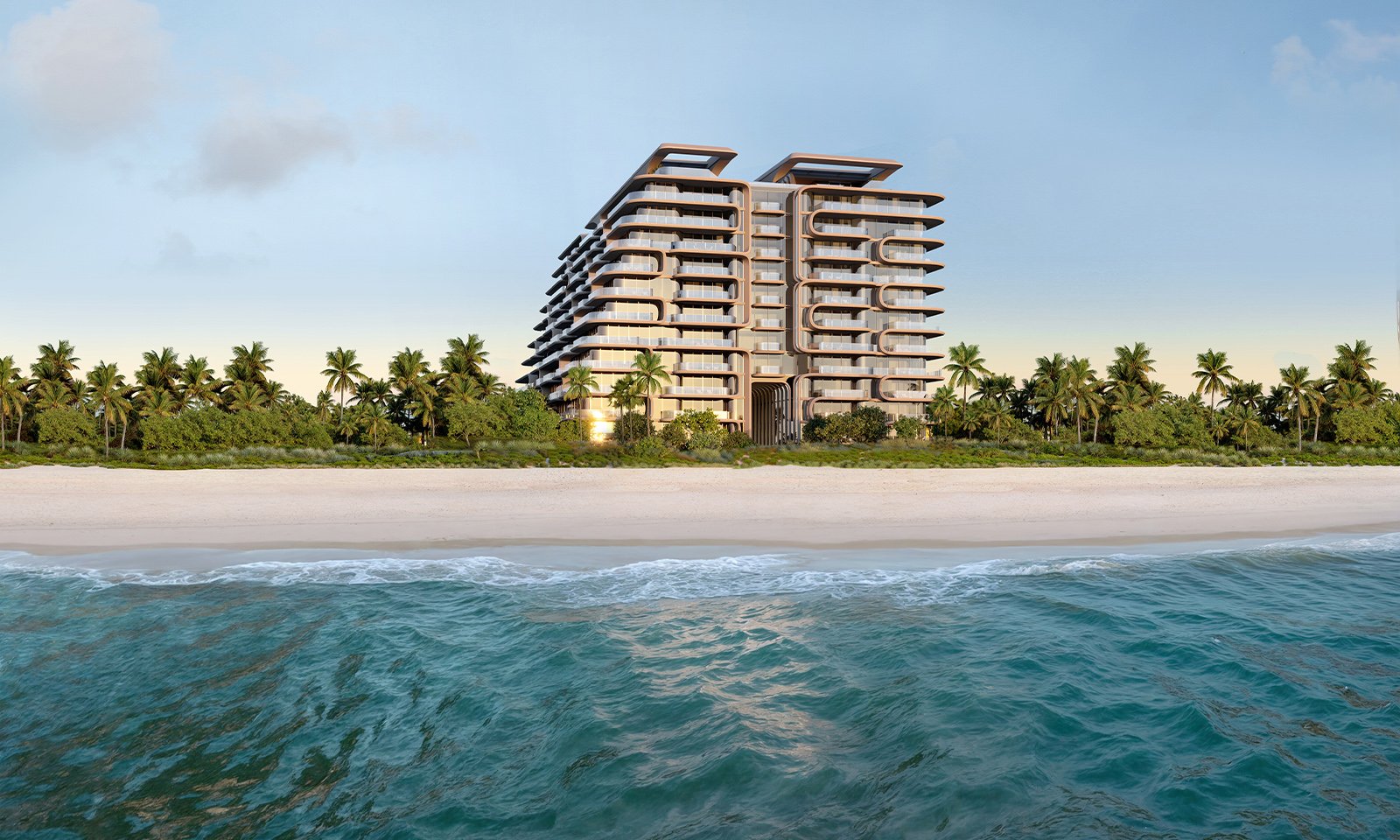
At The Delmore Surfside, flexibility is more nuanced than whether a residence may simply be rented. The property is located at 8777 Collins Avenue in Surfside, and an indicated average list price of approximately $3,993 per square foot places careful use planning firmly within the acquisition conversation.
A buyer considering seasonal leasing, extended family stays, or unaccompanied guests must distinguish municipal requirements from condominium procedures. Surfside regulates qualifying short-term and seasonal rental periods. The association may separately govern lease applications, tenant screening, approval timing, visitor clearance, keys, fobs, and amenity access. Compliance with one layer does not establish compliance with the other.
True flexibility depends on coordinating municipal registration with building approval before occupancy.
This distinction also matters when comparing The Delmore with nearby residences such as Arte Surfside. Location alone does not make lease or guest policies interchangeable. Each condominium’s governing documents, application materials, and current operating rules require independent review.
Surfside treats occupancies of one day through six months as short-term or seasonal rentals. The regime applies to multifamily dwellings and covers the rental of an entire residence or only part of one. An owner therefore cannot assume that a shorter arrangement, or the rental of a limited portion of the home, falls outside registration requirements.
Each qualifying rental period requires a separate municipal registration completed before the seasonal tenant or guest takes occupancy. Surfside permits no more than three such registrations for a dwelling unit within a 12-month period. The result is a finite annual allocation of qualifying rental periods, not general permission for continuous turnover.
That framework changes the economics and logistics of a rental strategy. Three brief stays can consume the same number of registrations as three substantially longer seasonal stays. Weekly or monthly turnover may therefore exhaust the permitted registrations quickly, while longer occupancies can preserve more usable time under each registration.
Owners should also confirm how the applicable 12-month period is counted before setting availability. For buyers evaluating short-term rentals as part of an investment thesis, that detail can influence reservation calendars, revenue assumptions, and the timing of personal use.
Municipal registration must be complete before occupancy. If The Delmore requires a lease application, background review, tenant interview, board or management approval, deposits, or supporting documents, those steps must conclude early enough to allow the municipal filing before move-in.
The disclosed facts do not establish a building-wide minimum lease term, annual lease limit, application fee, screening criteria, or approval timeline. “Okay To Lease 1st Year” appears at the unit level, but it does not confirm the condominium’s complete leasing policy. Nor does it address how often a residence may be leased, what screening applies, or how long approval takes.
A prudent contract review should therefore include the declaration, bylaws, house rules, current lease application, fee schedule, and written approval timetable. The same discipline applies when considering alternatives such as Ocean House Surfside. Buyers should compare actual documents rather than infer flexibility from marketing language, neighborhood, or property type.
For longer occupancy plans, long-term rentals may fall outside Surfside’s stated one-day-through-six-month seasonal window, but the association’s own requirements can still govern the lease. The relevant documents should be reviewed for minimum terms, frequency limits, renewal procedures, and approval conditions before a buyer models recurring occupancy.
The three-registration cap rewards deliberate calendar design. An owner planning personal winter use might reserve one or more longer periods for tenants at other times of year. Another may prefer three discrete seasonal occupancies. Either approach must allow sufficient lead time for any association process and municipal registration.
There is also a direct cost layer. Surfside charges a $100 registration fee for each qualifying rental period, and a resort tax equal to 4% of the total rental fee collected is due for each such period. These costs belong in net-proceeds calculations rather than among incidental closing details.
Advertising requires particular care. Registration becomes compulsory when a property is listed or advertised on a vacation-rental website, not merely after a reservation is secured. Owners should coordinate compliance before publishing availability, especially when the intended schedule could use one of the unit’s limited registrations.
Prestige does not alter this framework. Residences including Fendi Château Residences Surfside occupy the same broader coastal market, yet buyers cannot assume identical association standards or operating permissions. Municipal rules provide one baseline; private condominium governance supplies another.
Seasonal-rental registration does not establish The Delmore’s procedures for casual visitors. It does not determine whether an owner may authorize an unaccompanied guest, how advance notice is submitted, whether identification is required, or whether a guest may receive keys, fobs, parking privileges, or amenity access.
That distinction is especially important for second-home owners who may host relatives, household staff, or friends without collecting rent. A stay may be treated differently depending on whether consideration is paid and how the building defines a tenant, occupant, invitee, or guest. The disclosed information does not establish those private definitions for The Delmore.
Buyers should request written answers to practical scenarios rather than ask only whether “guests are allowed.” Useful examples include an adult child staying while the owner is absent, a friend using the residence for several weeks, or a seasonal tenant requesting access for visitors. Written responses can clarify front-desk notice, identification, duration, parking, delivery access, and amenity use.
The same caution applies when evaluating the service culture of The Surf Club Four Seasons Surfside. Hospitality positioning, staffing, and physical proximity do not reveal another association’s legal definitions or access protocols.
The most valuable due diligence is scenario-based. Before contract deadlines expire, a buyer should provide counsel and management with the intended annual calendar: owner occupancy, family use, paid seasonal stays, and any periods involving unaccompanied guests. Each scenario should be tested against both Surfside registration rules and the association’s current documents.
Written confirmation should address minimum lease length, maximum leasing frequency, first-year leasing, application contents, screening, fees, deposits, approval time, renewal treatment, and move-in procedures. Guest questions should separately cover advance registration, owner absence, keys and fobs, parking, service providers, and amenities. Buyers should also verify the method used to count the 12-month municipal registration period.
The objective is not simply permission to lease. It is a workable sequence in which association approval, municipal registration, tax obligations, and access arrangements align before occupancy. At this level of ownership, administrative certainty is part of the luxury proposition.
For confidential guidance on Surfside ownership and acquisition strategy, connect with MILLION.
If branded residences are on your mind — as a home or as an allocation — we would be glad to share what we are seeing, privately.
Begin a quiet conversationSurfside treats occupancies lasting from one day through six months as short-term or seasonal rentals.
A dwelling unit may receive no more than three short-term rental registrations within a 12-month period.
Yes. Each qualifying rental period requires a separate municipal registration before the tenant or guest occupies the residence.
Yes. The registration requirement applies whether the owner rents the entire dwelling or only a portion of it.
Surfside charges $100 for each qualifying rental-period registration.
Yes. A resort tax equal to 4% of the total rental fee collected is due for each qualifying rental period.
Yes. Registration becomes compulsory when the property is listed or advertised on a vacation-rental website, rather than only after booking.
No. Municipal registration is separate from any condominium lease application, tenant screening, approval, or move-in procedure.
No. That statement appears in one unit listing and does not establish building-wide lease duration, frequency, screening, or approval standards.
No. Front-desk clearance, owner-absent guests, keys, fobs, parking, and amenity access are separate association matters that require written verification.