A buyer-focused examination of leasing, guest privileges, and resale considerations at two prominent Miami Beach condominiums, with emphasis on what requires written verification before closing.
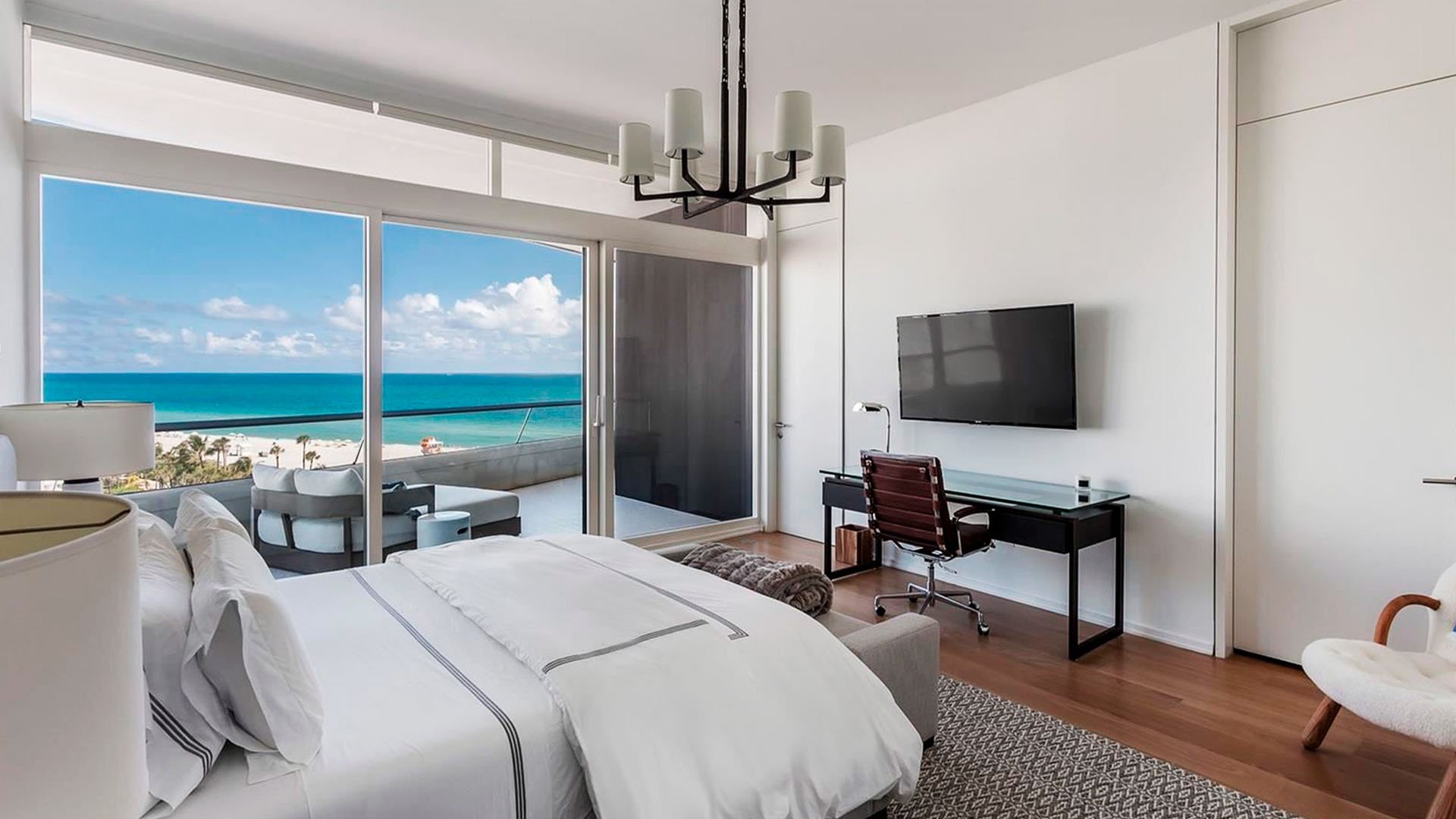
In Miami Beach, the elegance of a residence is only part of its long-term utility. For an owner who divides time among several homes, accommodates family and guests, or may eventually place a property on the rental market, the governing documents can matter as much as the floor plan. Lease duration, frequency limits, guest access, and the transfer of ancillary rights all shape how freely a condominium can be used.
This edition of MILLION Buyer's Guides examines those issues at Faena House Miami Beach and Five Park Miami Beach. The available facts point to long-term leasing frameworks at both properties. They do not establish conventional short-term rental permission or answer every practical question a sophisticated purchaser should resolve before signing.
The practical value of a luxury residence depends on how its rules fit the owner's life.
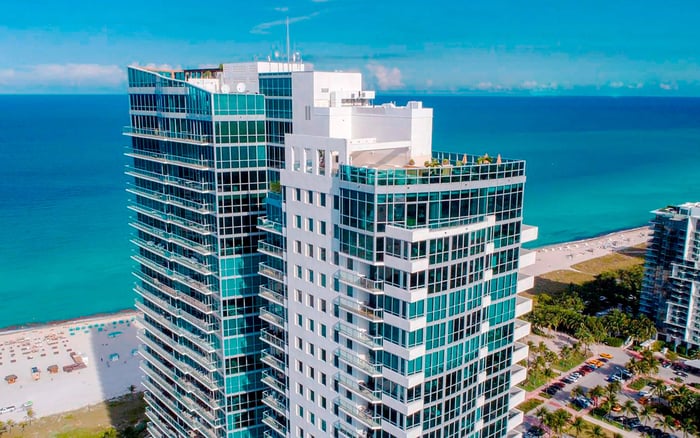
Faena House, at 3315 Collins Avenue, is presented as permitting long-term rentals only. Its stated framework includes a six-month minimum lease and allows a unit to be rented up to two times per year. The condominium is also classified as “Okay To Lease” after purchase, meaning a buyer may lease subject to the building's governing rules and approval procedures.
There is, however, a consequential inconsistency: other terms specify a 120-day minimum rental period rather than six months, while unit-specific rental terms require a six-month minimum stay. These statements cannot substitute for the current declaration, amendments, rules, and written confirmation from management. Until those materials are reviewed, the conservative assumption is that Faena House is designed for longer occupancies rather than transient stays.
The two-rentals-per-year language also requires precision. Buyers should determine how the applicable year is measured, whether renewals count as new leases, and whether an interrupted tenancy affects the limit. The headline restriction is useful, but its administration can determine whether an owner's intended schedule is workable.
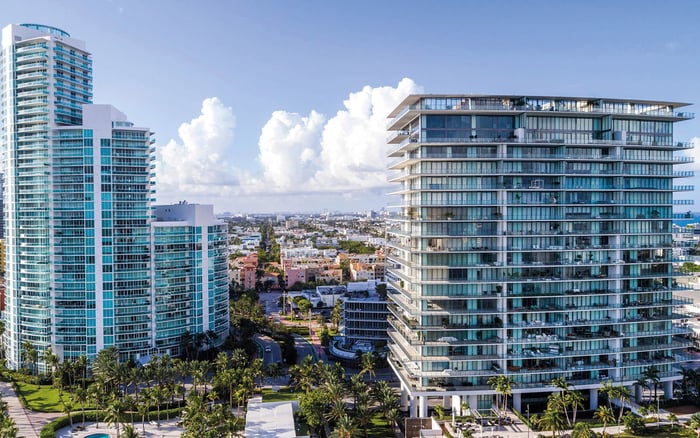
Five Park is likewise presented as allowing leases after purchase, subject to condominium rules. The stated framework identifies a six-month minimum lease term and up to two rentals per year. Seasonal rentals may be possible but limited, although a six-month minimum makes “seasonal” a term requiring careful interpretation-not an invitation to short stays.
The available terms do not explain whether the annual rental cap follows the calendar year, a rolling 12-month period, or another measurement. Nor do they resolve how lease extensions, replacement tenants, or early departures are counted. A buyer considering Five Park Miami Beach as a part-time residence should ask for examples of how the association applies these rules in practice, then ensure the governing documents support that explanation.
Rental potential at either property should therefore be modeled around confirmed minimum terms, approval timing, fees, deposits, and frequency calculations. General eligibility does not define the full operating framework.
A guest is not necessarily a tenant, and the distinction is especially important when an owner is absent. At Faena House, terms for one residence extend pool, beach service, spa, gym, valet, and butler service access to its guests. That provision applies to one residence and does not establish an association-wide rule for owners' guests, tenants, or unaccompanied visitors.
At Five Park, the available information does not detail overnight registration, guest caps, unaccompanied amenity access, subleasing, or tenant amenity privileges. These are not minor hospitality questions. They can determine whether adult children may stay without the owner, whether a houseguest can use wellness areas independently, and whether service personnel or extended visitors require advance credentials.
Luxury service environments can also distinguish among owners, registered occupants, tenants, and visitors. Buyers comparing the lifestyle with The Ritz-Carlton Residences® South Beach or Shore Club Private Collections Miami Beach should not assume that similar amenity categories confer similar access rights. Each condominium has its own rules and approval structure.
Faena House's stated pet terms conflict. One set of terms imposes a maximum pet weight of 20 pounds and cautions that additional restrictions may apply. Another characterizes the property as pet-friendly for owners and renters, without restrictions or move-in pet fees.
A purchaser should not attempt to reconcile these positions through inference. The relevant questions include whether standards differ for owners and tenants, whether limits apply per pet or in total, how many animals are permitted, and whether registration or supporting documentation is required. Written confirmation is particularly important when a pet's eligibility is essential to occupancy.
Resale is not limited to whether title can change hands. A buyer must understand what accompanies the unit. At Faena House, it remains unclear whether parking, storage, club access, or other unit-related rights transfer automatically. Those interests may be assigned, licensed, separately documented, or subject to building procedures, so the purchase contract and condominium materials should identify each one precisely.
The “Okay To Lease” designation at both properties indicates that a resale purchaser can lease within the applicable rental framework. It should not be read as a promise that every prior arrangement survives closing. Existing leases, deposits, approvals, access credentials, and ancillary-use rights should each be addressed directly.
For Five Park, the same discipline applies where details remain silent. A buyer should identify every right represented as part of the residence and determine whether it is appurtenant to the unit, a revocable privilege, or a separate arrangement. Clear transfer language protects both lifestyle expectations and future marketability.
The essential review begins with the current declaration, bylaws, amendments, rules and regulations, rental policy, guest policy, pet rules, application procedures, and unit-specific parking or storage documents. Buyers should also request the forms, fees, deposits, lead times, and approval standards governing owners, tenants, occupants, and guests.
For rental planning, counsel should confirm the minimum term, number of leases permitted, method used to calculate the annual limit, treatment of renewals, and any restrictions on advertising or subleasing. For personal use, management should clarify who may occupy the residence without the owner present and which amenities remain available to tenants and guests.
This review is especially important because both buildings support a long-term leasing thesis while leaving key operational details unresolved. Miami Beach purchasers should base financial assumptions only on the documents effective at the time of acquisition, not on terms associated with a prior listing or another unit.
Faena House and Five Park both appear compatible with owners seeking long-term rental flexibility rather than short-term turnover. Each is presented as leasable after purchase, with a six-month minimum and a limit of two rentals per year. Faena House nevertheless carries a conflicting 120-day term, while guest, pet, amenity, and transfer questions require deeper confirmation.
The most valuable approach is not to ask simply, “Can I rent or pursue a future resale?” It is to test the intended pattern of ownership against the current documents: months in residence, periods leased, family visits, pet needs, amenity expectations, and every right expected to transfer at closing. That is how a prestigious address becomes a durable, usable asset rather than a collection of assumptions.
For discreet guidance on evaluating Miami Beach condominium ownership, connect with MILLION.
If branded residences are on your mind — as a home or as an allocation — we would be glad to share what we are seeing, privately.
Begin a quiet conversationYes. Faena House is presented as allowing leases after purchase, subject to the condominium's current rules and approval procedures.
A six-month minimum is commonly disclosed, but another description states 120 days. Buyers should verify the controlling term in current association documents.
The disclosed limit is up to two rentals per year. The method used to define the applicable year should be confirmed.
Yes. Five Park is presented as leasable after purchase within its condominium rental framework.
The disclosed minimum is six months, with up to two rentals per year.
No. The available facts support long-term leasing but do not establish conventional short-term rental permission at either property.
The available information does not specify unaccompanied guest access, registration requirements, guest caps, or tenant amenity privileges.
One unit-specific advertisement describes broad amenity access for its guests, but it does not establish an association-wide guest policy.
Published descriptions conflict, with one citing a 20-pound maximum and another describing no restrictions. Current written rules should control the decision.
The available information does not establish automatic transfer. Unit-specific parking, storage, club, and ancillary rights should be verified in writing.