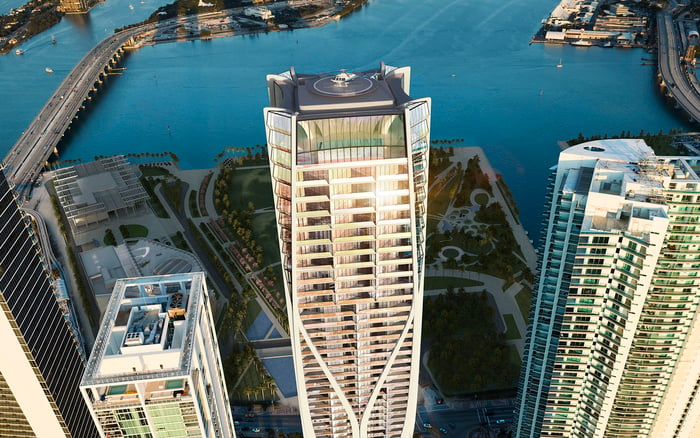
For buyers considering The Delmore Surfside and Arte Surfside, post-storm confidence begins with documented responsibilities, emergency-access authority, and credible vendor arrangements, not assumptions about luxury service.
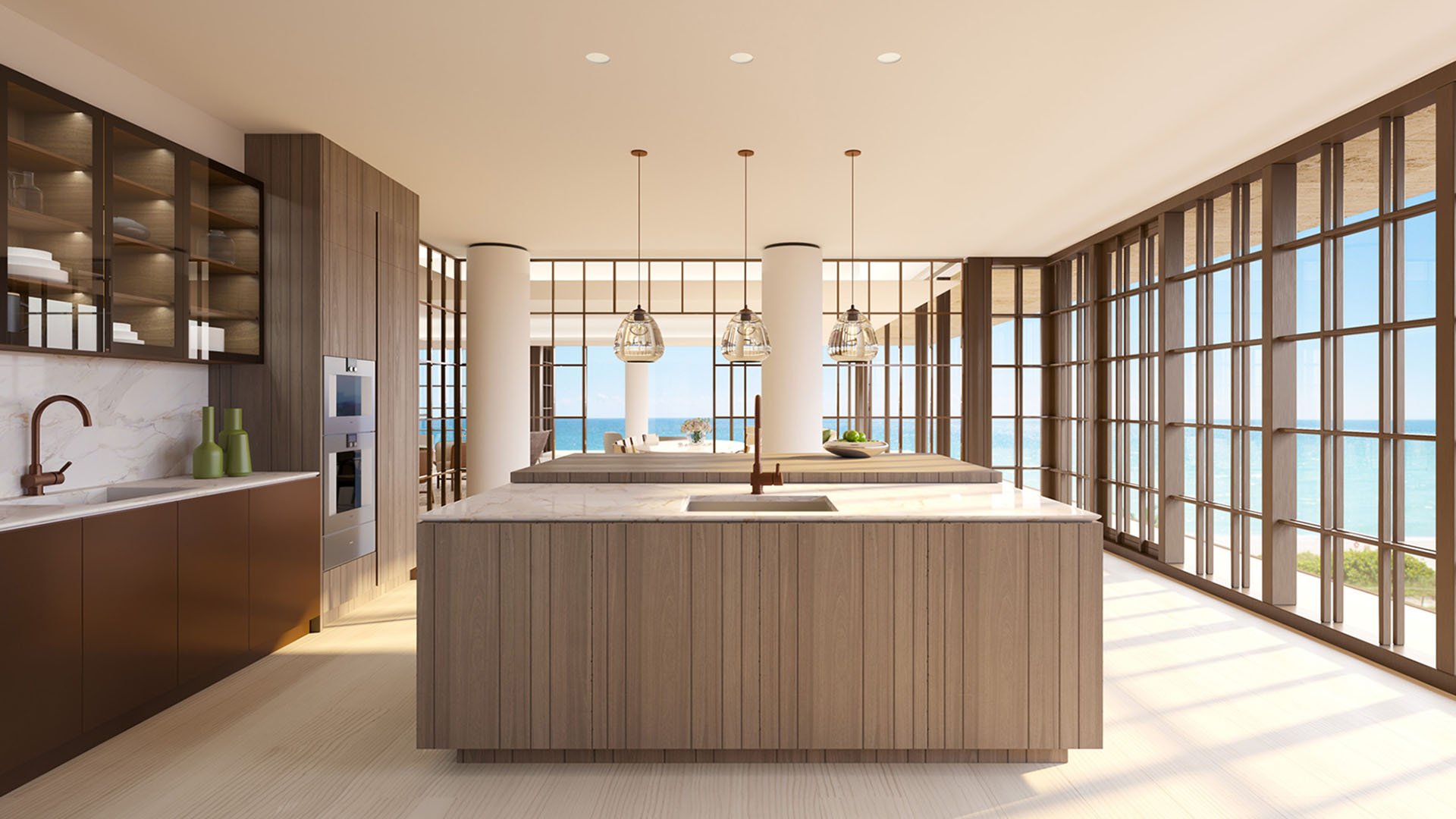
For a buyer who divides time among several residences, the most revealing service question is not what happens on arrival. It is what happens when a storm passes through Surfside and the owner is elsewhere. Who can enter the residence, assess a concern, authorize immediate work, and provide a clear account of its condition?
Those questions offer a disciplined way to consider The Delmore Surfside and Arte Surfside. The distinction is not a demonstrated difference in storm readiness. It is the difference between evaluating an existing condominium and examining a project described as planned in January 2025. Neither a luxury address nor an attentive concierge establishes emergency authority or repair capacity.
The buyer’s objective should be a documented chain of responsibility, not an impression of effortless service.
The Delmore Surfside is listed at 8777 Collins Avenue. In January 2025, the proposed residences were positioned with starting prices of $15 million. Those dated details do not establish today’s pricing, construction progress, occupancy, or operating arrangements. A purchase review should begin by confirming the project’s current stage and identifying which management commitments are binding and which remain prospective.
Arte Surfside is an existing condominium at 8955 Collins Avenue. Association and management documents are therefore the appropriate starting point for diligence. Its existing status does not, by itself, establish the quality of emergency procedures, the strength of reserves, or the speed of vendor response.
The Delmore’s site is also the location of the condominium collapse that killed 98 people. That history warrants sensitivity and rigorous document review, not speculation about either property’s structural condition or future performance.
A buyer should pursue two distinct lines of inquiry. The first concerns applicable structural-inspection obligations, maintenance, and financial planning. The second concerns event-driven checks after a particular storm. Neither should be assumed to satisfy the other.
For structural diligence, ask counsel and a qualified building professional to confirm the requirements applicable to the property’s age, height, location, and current filings. Request the relevant inspection records, identified maintenance needs, expected repair or renovation costs, and documentation of any follow-up. Review reserve funding alongside those obligations rather than treating the balance as a standalone assurance.
For post-storm diligence, ask management to define the proposed inspection scope. Does it cover common areas, individual residences, or both? Who performs the initial visual check, and what findings trigger specialist evaluation? Clarify how observations are documented and delivered to an absent owner.
Arte’s actual compliance and reserve position require direct verification. For The Delmore, first establish which records should exist at its confirmed stage of development.
An absent owner needs more than a telephone number for the front desk. Before purchase, request the governing provisions and management procedures addressing emergency entry, owner notification, key custody, authorized representatives, and access by outside professionals. Have counsel distinguish association authority from permissions an owner must separately provide.
Test those provisions against a hypothetical water-intrusion concern while the owner is unreachable. Ask who receives the initial notice, who decides whether entry is appropriate, how access is recorded, and who communicates the findings. These are diligence questions, not descriptions of either building’s procedures.
Spending authority deserves the same precision. Ask whether an owner can designate a local representative, establish an agreed authorization limit, and specify escalation contacts. Determine which arrangements management will accept and document.
The goal is not unrestricted access. It is a controlled process that protects privacy while allowing authorized action when circumstances require it. Concierge availability alone does not resolve those permissions.
“Rapid response” becomes useful only when its stages are defined. Acknowledging a message, conducting an initial assessment, dispatching a contractor, obtaining access, and beginning work are separate milestones. Buyers should ask which, if any, are covered by written commitments and what conditions apply.
Request the relevant vendor arrangements or a written explanation of their scope. Ask which services are covered, whether backup providers are identified, who authorizes work, and how unit-specific requests are handled alongside common-area needs. Clarify whether any stated timing is a target or an enforceable contractual obligation.
For an existing condominium, request any available records of prior mobilization and follow-through, with private owner information removed. For a development-stage purchase, ask when vendor appointments and operating procedures are expected to become final, and which documents will record those obligations.
Neither property’s vendor contracts, arrival times, nor post-storm inspection turnaround are established here. That uncertainty is not evidence of either strong or weak performance.
Miami-Dade County’s public damage-reporting system accepts information about flooding inside or outside a structure to help assess storm impacts and support response to affected areas. That public function is separate from a condominium’s private arrangements for entry, inspections, contractors, and owner communication.
A public submission does not confirm that a residence has been inspected, that management has authorized work, or that a private vendor is on the way. Ask management how public notifications, association records, and owner-specific communications fit together without assuming they are connected.
The same distinction applies to a broader Surfside search. A buyer also considering Ocean House Surfside should make the same document requests rather than infer comparable procedures from the shared location. Each property requires its own review of responsibilities and commitments.
Before committing, assemble a focused review package: applicable inspection records, maintenance and reserve documentation, emergency-entry provisions, owner-absence instructions, and vendor-response terms. Where a procedure remains prospective, ask who must finalize it, when it becomes effective, and whether it will appear in enforceable documents. Have the appropriate legal and technical advisers interpret the answers.
Then test the package against a single scenario: the owner is overseas, a storm has passed, and a concern inside the residence requires assessment. Trace the path from notification to authorized access, professional evaluation, spending approval, and written follow-up. Any unclear handoff is a question to resolve before closing, not a gap to fill with assumptions about service.
For Arte, the emphasis is on examining existing arrangements. For The Delmore, it begins with confirming current status and distinguishing commitments from plans. The stronger buying decision rests on clear responsibilities and evidence, not a presumed winner in storm preparedness.
For a considered approach to Surfside ownership, explore South Florida residences with MILLION.
If branded residences are on your mind — as a home or as an allocation — we would be glad to share what we are seeing, privately.
Begin a quiet conversationThe Delmore Surfside is listed at 8777 Collins Avenue, and Arte Surfside is at 8955 Collins Avenue, both in Surfside.
Its description as a planned project in January 2025 does not establish its current operating or construction status. Buyers should confirm the current stage directly before evaluating management commitments.
Yes. Its existing status makes association and management documentation the starting point for operational diligence, but does not establish emergency-response performance.
There is no established basis here to rank either property’s inspection turnaround or vendor response. Compare documented procedures and commitments rather than assumptions about service.
They should be treated as separate lines of inquiry. Applicable structural-inspection obligations do not establish the scope or timing of checks after a specific storm.
Review entry authority, notification procedures, key custody, authorized representatives, and contractor access. Counsel should distinguish association powers from permissions the owner must provide.
No such guarantee is established for either property. Buyers should verify access permissions, spending authority, and vendor obligations separately.
Ask for written terms defining service scope, authorization, response milestones, backup arrangements, and any timing qualifications. Distinguish response targets from enforceable commitments.
The county system collects damage information to assess impacts and support affected-area response. It does not establish that either condominium has inspected a residence or dispatched a vendor.
Request applicable inspection records, maintenance needs, anticipated repair costs, reserve documentation, and follow-up records. Verify requirements against the building’s characteristics and current filings with qualified advisers.