Olara leads the ranking on the strength of its disclosed full-building generator, while South Flagler House follows with a broader but less technically detailed backup-power claim. For buyers, the decisive next step is reviewing load, fuel, connectivity and staffing documentation before contract.
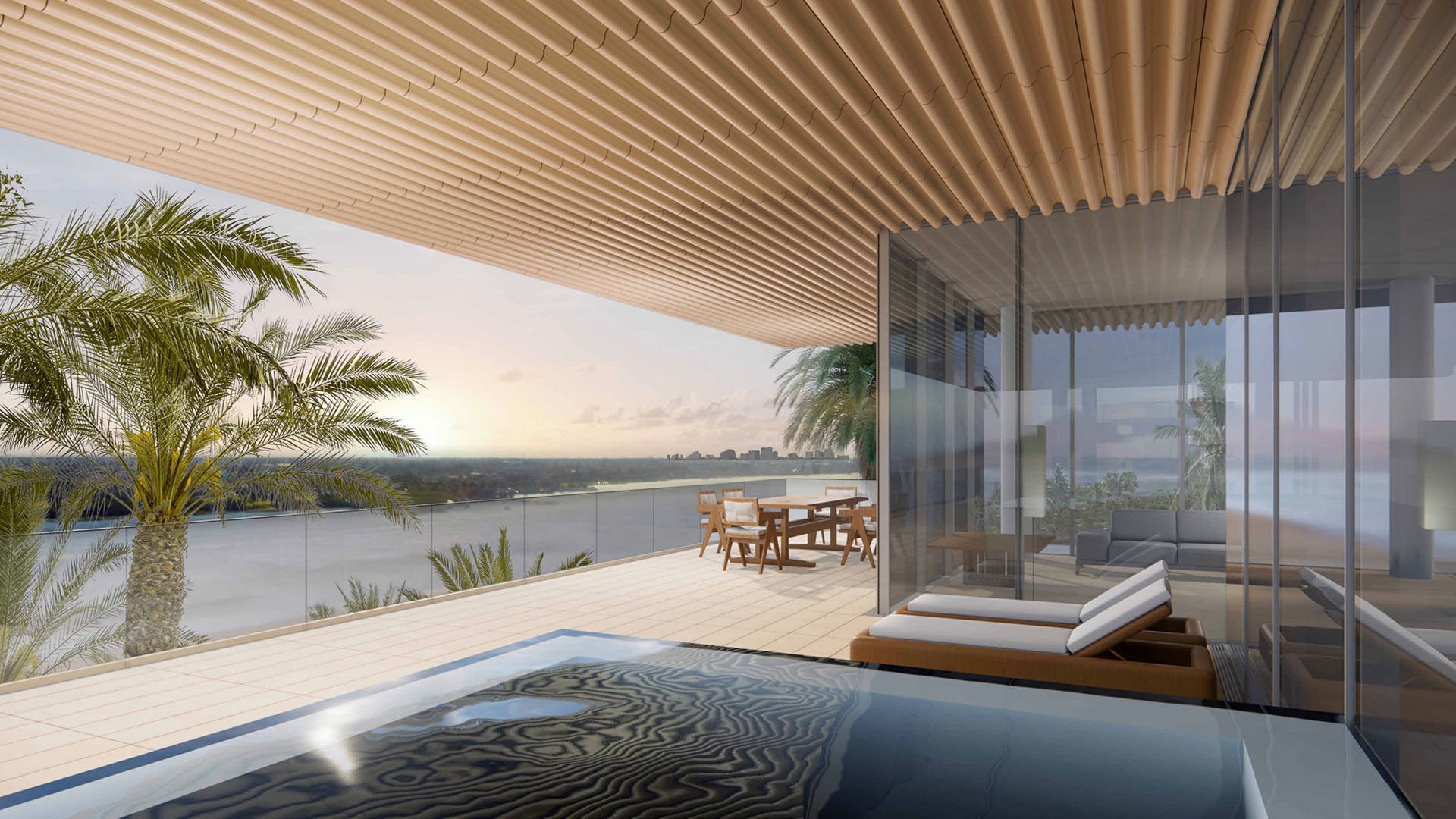
In West Palm Beach, residential resilience is moving from the engineering appendix to the center of the purchasing conversation. A waterfront address, gracious architecture and hotel-caliber service still matter, but sophisticated buyers increasingly ask what happens when municipal power fails, cellular networks become congested or staffing is strained by an approaching storm.
The strongest answer is not a single marketing phrase. It is a coordinated system of generation capacity, fuel endurance, protected equipment, communications infrastructure and trained personnel. Public disclosures rarely illuminate every layer. Among current projects with specific information available, however, two stand apart for the breadth of their backup-power provisions.
True residential resilience depends on the systems and people behind the promise.
This ranking assesses the strength of disclosed provisions, not independently verified hurricane performance. It also distinguishes among three concepts often blended together: electrical backup, digital connectivity and storm-response staffing.
1. Olara Residences - 1919 North Flagler Drive
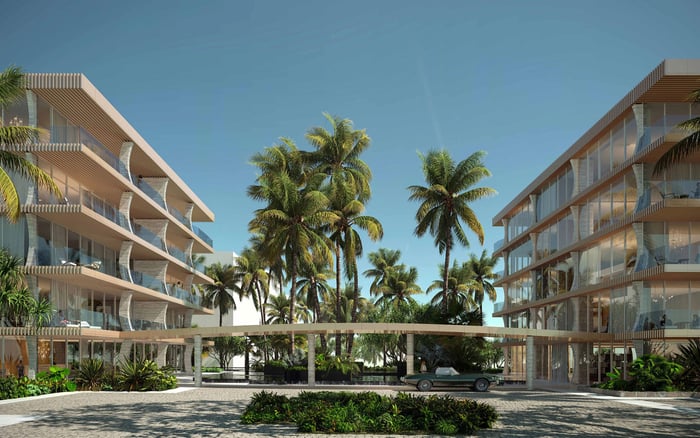
Under construction on the North Flagler waterfront, Olara ranks first because its podium is designed to contain a full-building generator capable of supplying backup electricity to every residence. The system is also designed to power EV chargers in the parking area during an outage-an unusually specific provision that extends beyond residences and common-area essentials.
The building's safety materials describe uninterrupted power during an outage, while every residence is planned with hurricane-rated, UV-blocking windows. Olara also advertises a 24-hour doorman, security personnel and valet service, supported by a broader professional team for its leisure, wellness and dining amenities. Those service commitments indicate continuous daily coverage, although they do not constitute a published storm-response protocol.
2. South Flagler House - South Flagler Drive waterfront
South Flagler House ranks second for its emergency backup generator provision for full-building power. That language is meaningful for buyers seeking continuity beyond elevators, corridor lighting and selected life-safety systems.
The distinction lies in the documentation. The available feature description does not include an engineering load schedule or comparable technical detail showing precisely which residential circuits, mechanical systems and amenities would remain energized. The promise is compelling, but buyers should test it through due diligence before treating it as equivalent to whole-residence continuity under every operating condition.
Backup generation is best evaluated as a chain rather than a headline. The first question is load: whether the generator serves every outlet and appliance within a residence, selected circuits, central cooling, domestic water systems, elevators, garage access, security systems and amenity spaces. A building may use broad language while assigning different priorities as demand approaches capacity.
Fuel is equally important. Buyers should request anticipated runtime at defined loads, onsite storage capacity, refueling procedures and the party responsible for arranging deliveries. Equipment elevation and protection also warrant close attention, particularly for generator controls, transfer switches, fuel components and electrical rooms.
Olara's explicit inclusion of every residence and parking-area EV chargers gives buyers a more concrete starting point. South Flagler House's full-building language remains notable, but its practical scope requires documentary confirmation. In both cases, purchasers should request current specifications because construction documents and operating assumptions can evolve.
An investment review should therefore extend beyond finish schedules. Resilience may affect personal usability, operating costs and future marketability, but no premium should be assumed without understanding the system's actual coverage and long-term maintenance obligations.
A powered residence is not necessarily a connected residence. Generator coverage does not, by itself, confirm redundant internet providers, diverse fiber-entry routes, protected telecommunications rooms or emergency power for routers and network-distribution equipment. None of those details is established for either ranked project in the available disclosures.
Buyers who work remotely, manage family offices or rely on cloud-based security should request a diagram of the building's communications architecture. Useful questions include whether separate carriers enter through physically distinct pathways, which network components receive generator power, whether common-area Wi-Fi remains operational and how management communicates if conventional channels fail.
The wider West Palm Beach new-construction market offers a useful comparison set, but that comparison should remain disciplined. Residences such as Alba West Palm Beach, The Ritz-Carlton Residences® West Palm Beach and Nora House West Palm Beach may be considered alongside the ranked properties for location, design and lifestyle. Their inclusion here is not a claim that they match the specific resilience provisions described above.
Storm response depends on who is present, when they arrive and what authority they hold. Olara's advertised 24-hour doorman, security staff and valet service provide evidence of continuous daily service. Its broader professional staffing commitment supports amenity operations. Yet neither statement defines staffing levels before, during or after a named storm.
Buyers should request the building's written emergency plan, including command responsibilities, resident communications, access control, elevator shutdown and restart procedures, post-event inspections and accommodations for staff who may be unable to travel. The plan should also specify whether the condominium association, a management company or another operator bears each obligation.
The same questions belong in discussions around South Flagler House West Palm Beach. Service branding and routine staffing are relevant, but a formal emergency protocol is the more valuable document for assessing storm readiness.
This buyer's guide reduces the decision to four documentary tests. First, obtain the generator load schedule and identify the circuits, mechanical systems and amenities covered. Second, confirm fuel endurance, refueling responsibilities and the protection and elevation of critical equipment. Third, review carrier redundancy, telecom pathways and emergency power for network hardware. Fourth, request the written storm-staffing and resident-communication plan.
Olara currently presents the most detailed public case, particularly through its stated coverage of every residence and EV chargers. South Flagler House follows with an important full-building power commitment that warrants technical verification. In either setting, the most luxurious outcome is continuity defined in advance, documented clearly and assigned to accountable people.
For discreet guidance on evaluating South Florida's most considered residences, connect with MILLION.
If branded residences are on your mind — as a home or as an allocation — we would be glad to share what we are seeing, privately.
Begin a quiet conversationOlara Residences ranks first because its generator is designed to supply backup electricity to every residence and parking-area EV chargers.
Its published features include an emergency backup generator for full-building power, though the available details do not include an engineering load schedule.
Yes. Every Olara residence is planned with hurricane-rated, UV-blocking windows.
The disclosed design includes backup power for EV chargers in the parking area during an outage.
No. The available disclosures do not establish redundant providers, protected telecom rooms or emergency power for network equipment.
No. Continuous daily staffing is useful, but it does not replace a written protocol defining emergency roles and procedures.
Buyers should request load schedules, fuel-runtime assumptions, refueling plans and details on equipment protection and elevation.
Elevation and protection can affect the exposure of generators, controls, transfer switches and electrical rooms during a storm event.
They should ask about carrier redundancy, separate fiber pathways, protected telecom spaces and generator power for network hardware.
Treat it as a prompt for technical review. Confirm which residential circuits, mechanical systems, elevators, access controls and amenities are actually covered.