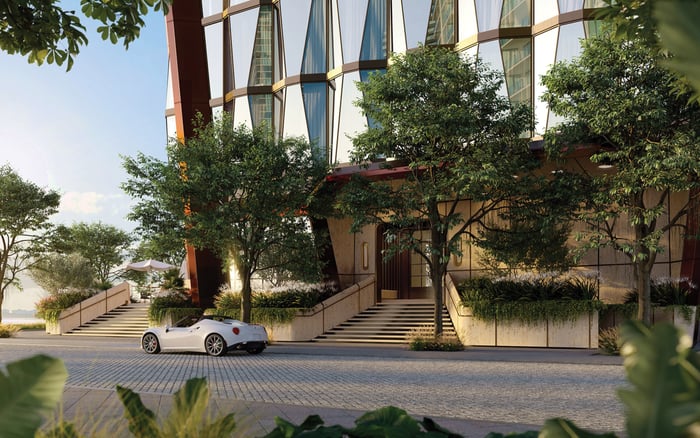
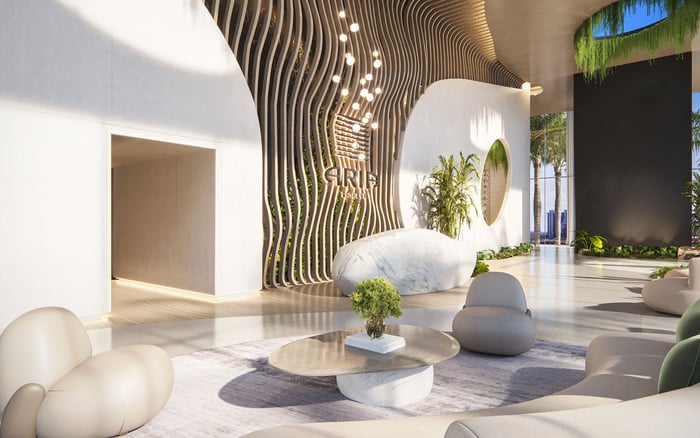
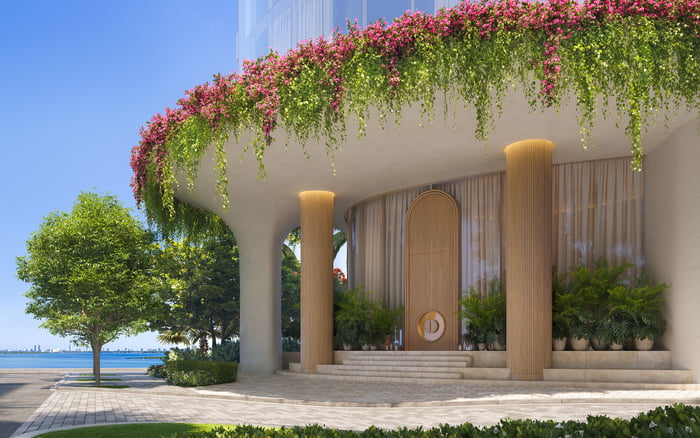
A buyer-focused editorial on how gourmet coffee equipment, service planning, and daily ritual are becoming part of the luxury residential conversation at MOD West Palm Beach and Vitae Residences Edgewater.
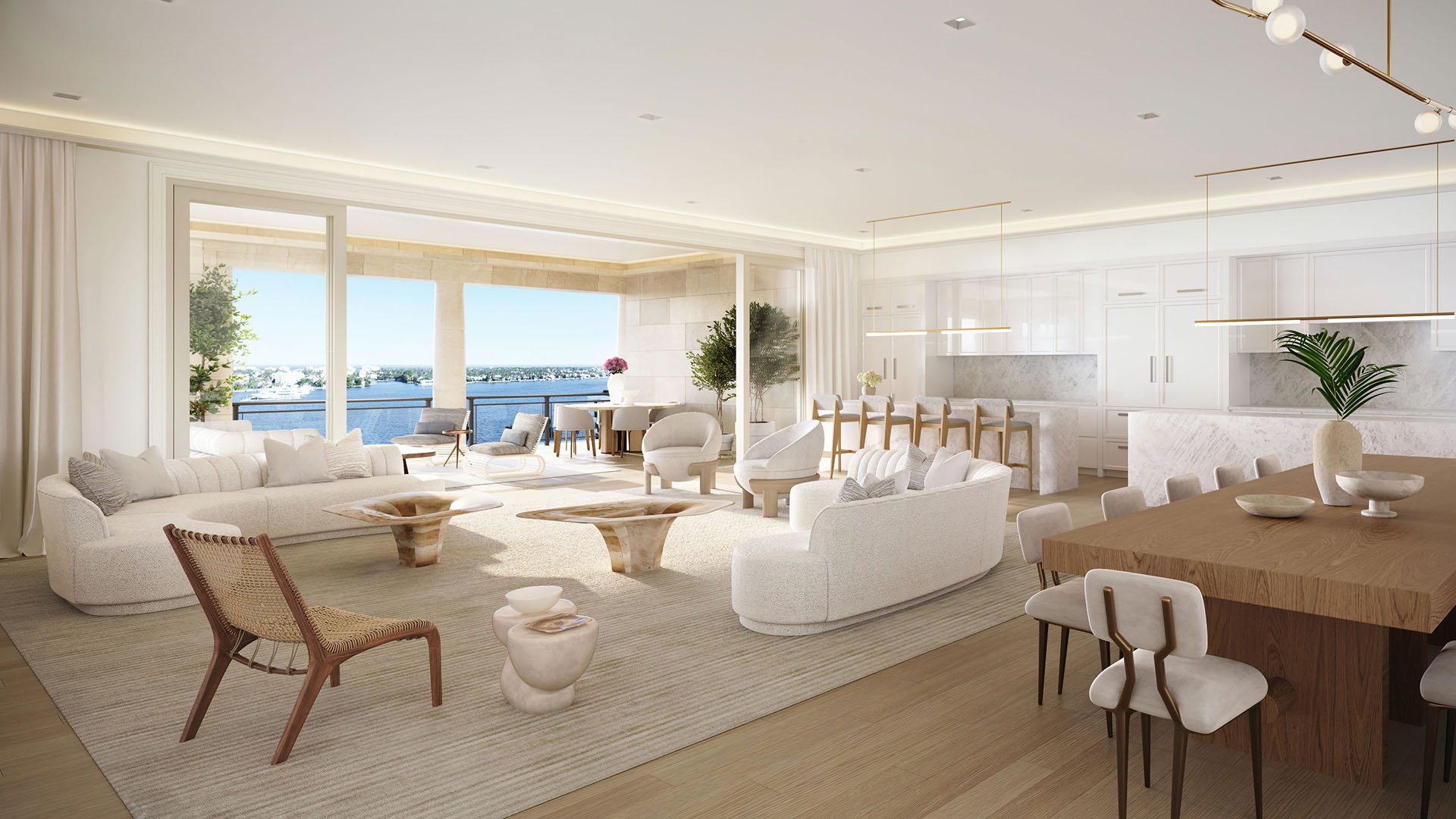
For South Florida buyers, gourmet coffee equipment is no longer a peripheral appliance conversation. It has become part of the choreography of a residence: a quiet daily ritual connecting architecture, wellness, hospitality, and entertaining. In the context of MOD West Palm Beach and Vitae Residences Edgewater, the subject is especially relevant. Both sit within markets where buyers scrutinize not only floor plans and views, but how a home actually lives at 6:30 in the morning.
A well-planned coffee station can say as much about a residence as a wine wall or chef's kitchen. The distinction is frequency. Wine storage may impress at dinner. A coffee system is used every day, often more than once, and often by more than one household member. For a luxury buyer, that makes equipment placement, water access, storage, acoustics, and finish integration meaningful details rather than afterthoughts.
The most sophisticated approach is not simply to ask whether a residence has a high-end machine. The better question is whether the home supports the full ritual: beans, grinding, filtration, steam, service access, cups, refrigeration, counter clearance, and guest-facing presentation. That is where the true luxury standard begins.
MOD West Palm Beach enters a market increasingly defined by design fluency and convenience. West Palm Beach buyers often balance a city lifestyle with proximity to dining, culture, waterfront promenades, private clubs, and seasonal entertaining. In that setting, a gourmet coffee setup has to perform both privately and socially.
For a primary resident, the ideal arrangement may be a discreet built-in station near the kitchen, pantry, or breakfast area. For a seasonal owner, it may be a compact, easy-to-maintain system that is ready after weeks away. For an entertainer, it may mean a bar-like presentation that transitions from morning espresso to evening digestifs without feeling like a hotel buffet.
The buyer takeaway is practical. Ask about electrical capacity, plumbing adjacency, cabinet depth, counter material tolerance, and ventilation around any proposed coffee location. If the equipment is not specified, ask how the kitchen or ancillary cabinetry can accommodate built-in or countertop systems after closing. A luxury residence should not force a premium machine to sit awkwardly beside everyday clutter.
Vitae Residences Edgewater belongs to a different daily rhythm. Edgewater is a vertical, view-driven neighborhood where mornings are shaped by light, water, skyline, and movement toward Downtown, Wynwood, the Design District, Brickell, or Miami Beach. In this context, gourmet coffee equipment becomes part of the urban luxury sequence: wake, open the shades, prepare espresso, step onto the terrace, then move into the day.
The most successful coffee planning in a high-rise environment respects both efficiency and atmosphere. Noise matters. Steam matters. Storage matters. A grinder beside a bedroom wall can be less romantic than it looked in a rendering. A machine too far from water or waste becomes a maintenance burden. A station without adequate upper storage can turn a beautiful counter into a collection of bags, filters, and accessories.
For Edgewater buyers, the conversation should include how a coffee ritual interacts with the view corridor. If the morning focal point is Biscayne Bay or the city skyline, the coffee station should support that moment, not compete with it. The best design feels almost inevitable, as if the cup was always meant to be prepared there.
A polished appliance package can be seductive, but luxury buyers should look past the shine. The first question is whether the equipment is integrated, optional, owner-installed, or part of a broader kitchen specification. Each category carries different implications for warranty, maintenance, replacement, and resale presentation.
Next, consider water quality. Espresso and specialty coffee systems are sensitive to filtration and mineral balance. A premium machine without thoughtful water treatment can underperform or require more frequent service. Ask whether filtration is planned at the unit level, at the appliance connection, or as a homeowner upgrade.
Then examine heat, steam, and surfaces. Stone, wood veneer, lacquer, metal trim, and wall coverings can all react differently to daily moisture. A station that looks exquisite on day one should also look composed after hundreds of cappuccinos. The understated luxury standard is durability without visual compromise.
Finally, think about service access. Can a technician reach the machine without dismantling millwork? Can parts be replaced without disturbing a finished wall? Is there enough clearance to refill beans or water if the system is not fully plumbed? These are small questions until they become expensive questions.
There is a clear distinction between coffee as an amenity and coffee as a private ritual. Amenity coffee supports hospitality in shared spaces. It can create a welcoming morning environment, add warmth to a lobby, or make a resident lounge feel less ceremonial and more lived-in. In-residence coffee is more intimate. It belongs to routine, privacy, and personal preference.
For MOD West Palm Beach and Vitae Residences Edgewater, buyers should evaluate both dimensions separately. A building may offer an inviting social setting while still requiring owners to plan their own in-unit gourmet setup. Conversely, a residence may be beautifully configured for a private coffee ritual even if the building's shared coffee programming remains understated.
The strongest luxury experience often combines both. A resident can enjoy an espresso privately before a morning call, then meet a guest over coffee in a shared lounge later in the day. That duality is particularly important in South Florida, where many owners use their residence as both retreat and social base.
The most refined residential coffee installations do not imitate a cafe. They translate cafe performance into domestic calm. That might mean integrated cabinetry, concealed storage, flush outlets, a protected stone niche, or a dedicated zone within a larger entertaining bar. The objective is not to show off machinery. It is to make the ritual feel effortless.
This is where Boutique thinking becomes valuable. Boutique does not necessarily mean small. It means edited, intentional, and personal. In an Ultra-modern residence, a coffee station can easily become too technical if every component is visible. The better solution is balance: performance where needed, softness where seen.
For New-construction and Pre-construction buyers, timing is the opportunity. Earlier conversations can clarify whether a coffee station should be integrated into kitchen millwork, a pantry, a morning bar, or a primary suite vestibule. Waiting until after delivery can limit options, especially where plumbing, electrical, and cabinetry are already fixed.
A well-executed coffee setup can support resale because it signals a residence planned for real life. Buyers remember homes that understand their routines. A kitchen with an elegant coffee zone can feel more complete than one with the same square footage but no daily-use hierarchy.
That said, overly personalized equipment can narrow appeal. The best strategy is infrastructure first. Provide the right clearances, connections, surfaces, and storage, then allow future owners to choose their preferred machine. In luxury real estate, flexibility often ages better than specificity.
For South Florida's premium audience, the coffee conversation also intersects with wellness. Many buyers are reducing friction in the first hour of the day. They want sunlight, hydration, movement, privacy, and a controlled ritual before the outside world intrudes. A thoughtful coffee station supports that lifestyle without needing to announce itself.
Gourmet coffee equipment belongs to a larger shift in residential evaluation. The luxury buyer is no longer impressed by a checklist alone. The question is how the home performs in repeated, intimate moments. Morning coffee, luggage arrival, dog walking, grocery delivery, terrace dining, elevator privacy, pool access, and evening lighting all belong to the same standard of lived luxury.
In comparing MOD West Palm Beach and Vitae Residences Edgewater, the most useful lens is not which name has the louder amenity story. It is which residence better supports the owner's rhythm. West Palm Beach may appeal to buyers seeking a refined city base with Palm Beach County proximity. Edgewater may appeal to buyers who want the energy and vertical drama of Miami's bayfront urban core. In both cases, the coffee ritual becomes a revealing test of planning discipline.
A beautiful machine can be purchased. A graceful daily routine has to be designed.
Why does gourmet coffee equipment matter in a luxury condo? It is a daily-use feature that affects convenience, design, entertaining, and perceived quality of life.
Should buyers focus on the machine brand first? No. Infrastructure, placement, water quality, ventilation, and service access are usually more important than the badge.
Is built-in coffee equipment always better than countertop equipment? Not always. Built-in systems can look cleaner, while countertop machines may offer easier replacement and owner flexibility.
What should MOD West Palm Beach buyers ask about coffee planning? They should ask how kitchen or pantry areas can support equipment, storage, filtration, and maintenance over time.
What should Vitae Residences Edgewater buyers consider? They should consider noise, view orientation, storage, and how the coffee station fits into a high-rise morning routine.
Does an amenity coffee bar replace an in-residence setup? Usually not. Amenity coffee supports hospitality, while in-residence coffee supports privacy and daily ritual.
Can coffee equipment influence resale? Yes, when the installation feels flexible, durable, and integrated rather than overly customized or difficult to maintain.
What is the most overlooked technical detail? Water treatment is often overlooked, even though it can affect taste, performance, and service frequency.
When should Pre-construction buyers discuss coffee stations? As early as possible, before cabinetry, electrical, plumbing, and finish decisions become difficult to adjust.
Is a coffee station a design feature or a lifestyle feature? It is both, and the best versions make the lifestyle benefit feel visually effortless.
For a discreet conversation and a curated building-by-building shortlist, connect with MILLION.
If branded residences are on your mind — as a home or as an allocation — we would be glad to share what we are seeing, privately.
Begin a quiet conversation