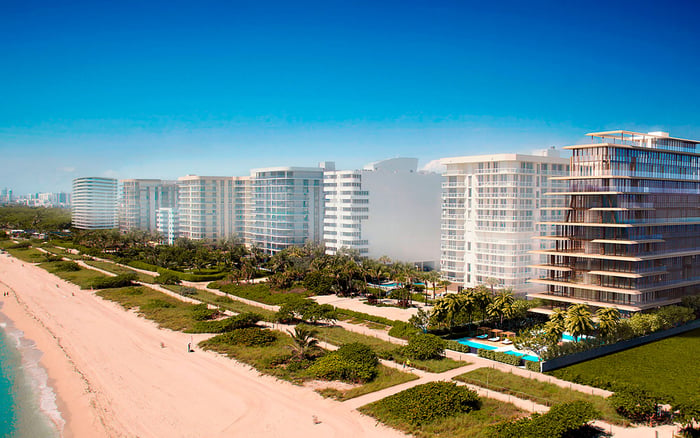
A disciplined framework for evaluating wind coverage, flood exposure, master policies, unit-level protection, and deductible risk before a cash closing in Bal Harbour.
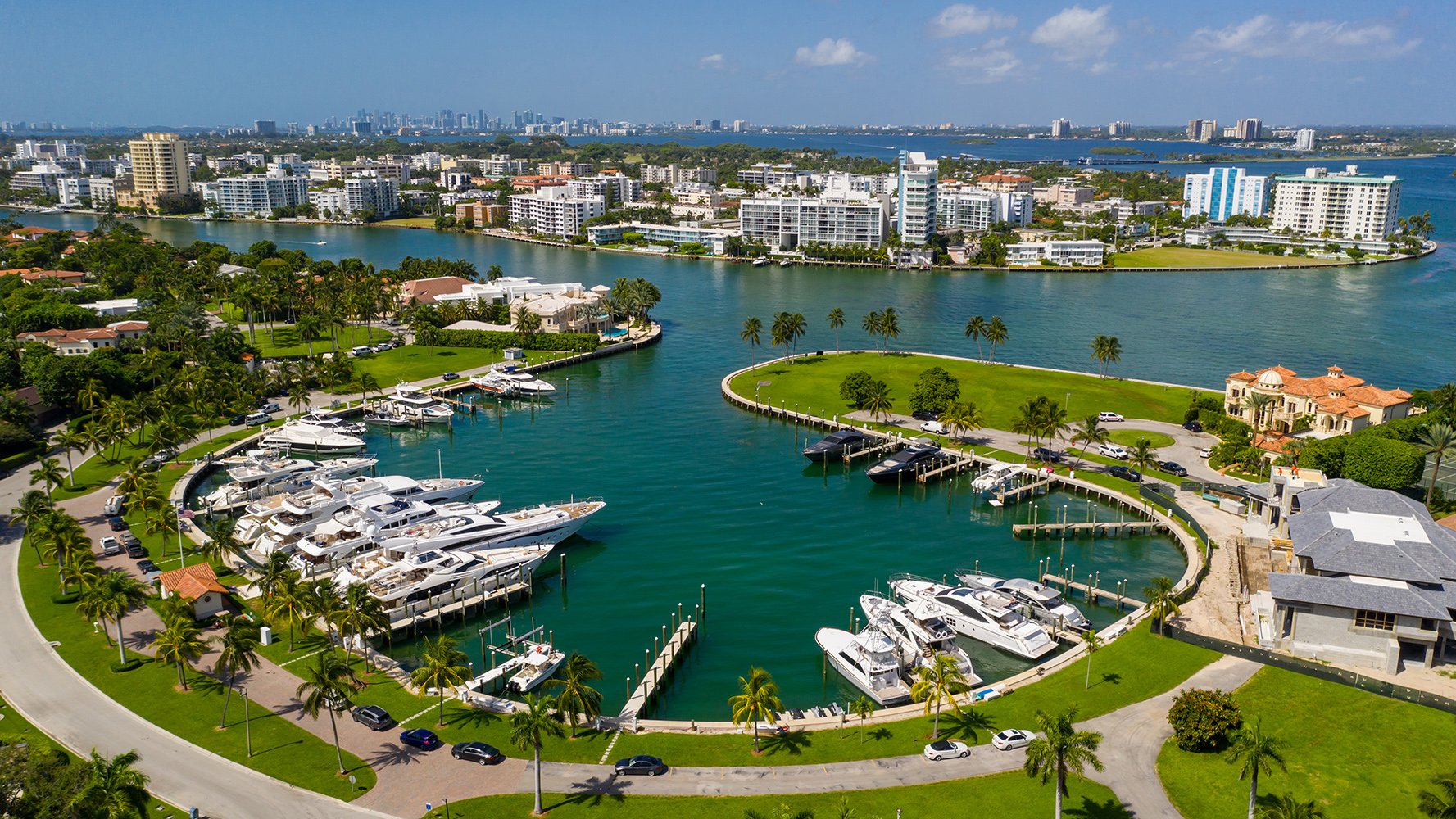
A cash acquisition in Bal Harbour can create a cleaner transaction, but it should not abbreviate insurance diligence. Without a lender imposing coverage conditions, the buyer and advisory team must determine what protection is appropriate, which documents warrant scrutiny, and how much retained risk is acceptable.
That distinction matters across oceanfront and waterfront property. Insurance is not simply a closing item; it shapes the continuing cost, liquidity profile, and resilience of ownership. A considered review should occur before the buyer’s contractual deadlines, allowing time to clarify exclusions, compare quotations, and investigate inconsistencies.
The same discipline applies whether the residence is intended as a primary home, a second home, or an investment. A sophisticated buyer should understand both the building’s insurance program and the protection contemplated for the individual residence.
In a condominium purchase, no single document provides the complete picture. Buyers should request the current master insurance materials, relevant summaries, deductible information, and any available explanation of what the association considers its responsibility. The unit-level insurance proposal should then be evaluated within that framework.
The practical question is where one layer ends and the other begins. Counsel and insurance advisers can examine interior finishes, personal property, temporary living costs, liability, water-related losses, assessments, and other categories that may require separate treatment. Policy labels alone are insufficient. Definitions, exclusions, limits, and endorsements all warrant attention.
For buyers comparing established resale opportunities at Oceana Bal Harbour with newer offerings such as Rivage Bal Harbour, the insurance review should remain property-specific. Never assume two nearby buildings have identical documents, limits, deductibles, or owner obligations.
A flood-zone designation is one input, not a complete verdict on a residence. Ask the appropriate professionals to confirm the current designation for the specific property and explain which records are relevant. The review may also encompass available elevation documentation, prior-loss information, drainage or access concerns, and the building’s emergency planning.
Cash buyers should distinguish insurability from personal risk tolerance. The absence of a lender requirement does not determine whether flood coverage is prudent, which limits are suitable, or what losses may fall outside a proposed policy. Those decisions should reflect the residence, its contents, anticipated occupancy, and the owner’s broader asset-protection strategy.
Location comparisons can also sharpen the inquiry. A buyer considering Bal Harbour alongside nearby Arte Surfside or The Well Bay Harbor Islands should request a fresh property-level review rather than carry assumptions from one municipality, island, or building to another.
Deductibles can be expressed in terms that appear manageable until converted into a potential out-of-pocket amount. Ask the insurance adviser to calculate each applicable deductible in dollars under realistic scenarios and identify the value or limit to which any percentage applies.
The analysis should extend beyond the unit policy. Buyers should understand master-policy deductibles and ask how the condominium documents address costs that may reach owners. Counsel can review whether and how association expenses, uninsured losses, or assessments could affect the purchaser.
A useful closing file includes a concise schedule of limits, deductibles, major exclusions, and open questions. It makes competing proposals easier to compare and provides the family office or property manager with a practical reference after closing.
Begin with documents, not assumptions. Request the building’s current insurance materials, condominium governing documents, available budgets and financial statements, pending or recent assessment information, and relevant inspection or engineering materials supplied through the transaction. Ask counsel which items are controlling and which require follow-up.
Next, obtain a unit-specific insurance review early enough to resolve questions. Confirm the proposed effective date, payment procedure, named insureds, occupancy description, valuation approach, deductibles, exclusions, and any conditions that must be satisfied. If the residence will be renovated, rented, left vacant for periods, or used to hold exceptional contents, disclose those plans to the appropriate advisers.
Finally, stress-test the ownership budget. Premium is only one line item. Retained deductibles, potential uninsured amounts, emergency reserves, and possible association-level costs should be considered together. The objective is not merely to secure a policy, but to establish a coherent risk plan for the asset.
The strongest cash offer is not the one with the fewest questions. It is the one whose questions are answered before leverage disappears. Buyers should have written clarity on the intended coverage structure, the documents reviewed, any unresolved exceptions, and the advisers responsible for final confirmation.
Insurance terms can change, and transaction documents may not tell the entire story. Coverage decisions should therefore be confirmed directly with licensed insurance professionals and coordinated with Florida counsel, tax advisers, and the buyer’s ownership structure. Precision at this stage preserves the discretion and confidence expected of a Bal Harbour acquisition.
Does paying cash eliminate the need for property insurance? It may remove lender-driven conditions, but the buyer must still evaluate protection, retained risk, and ongoing ownership obligations.
Should I review the condominium master policy before closing? Yes. Have qualified advisers compare the master-policy framework with the proposed unit-level coverage.
Is a flood-zone designation enough to judge flood risk? No. Treat it as a starting point and request a property-specific review of available records and relevant conditions.
Why should percentage deductibles be converted into dollars? A dollar calculation makes the buyer’s potential out-of-pocket exposure easier to understand and budget.
Can nearby buildings have different insurance profiles? Yes. Review each building’s current documents and each residence’s proposed coverage independently.
What should a cash buyer request from the association? Request current insurance materials, governing documents, financial information, assessment details, and relevant property records available in the transaction.
Does the unit policy automatically cover interior improvements? Do not assume so. Ask advisers to identify how the proposed policy and condominium documents treat finishes and improvements.
Should seasonal occupancy be disclosed? Yes. Describe expected occupancy accurately so the insurance professional can structure and explain the proposal appropriately.
How early should insurance diligence begin? Begin during contractual due diligence, allowing enough time to obtain documents, compare terms, and resolve open questions.
Who should review the final insurance structure? Coordinate a licensed insurance professional with Florida counsel and any family-office or risk advisers involved in the purchase.
If you'd like a private walkthrough and a curated shortlist, connect with MILLION.
If branded residences are on your mind — as a home or as an allocation — we would be glad to share what we are seeing, privately.
Begin a quiet conversation