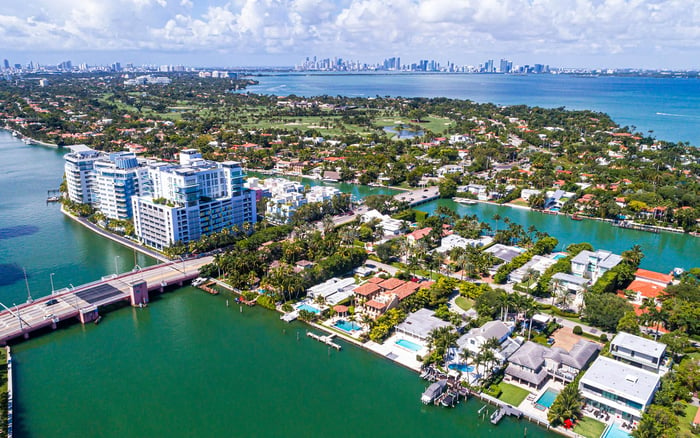
Florida’s Coastal Construction Control Line is not an automatic building prohibition, but it can shape a buyer’s renovation options. Before purchasing, compare the proposed work with the mapped line, examine foundation implications, and confirm state and local requirements separately.
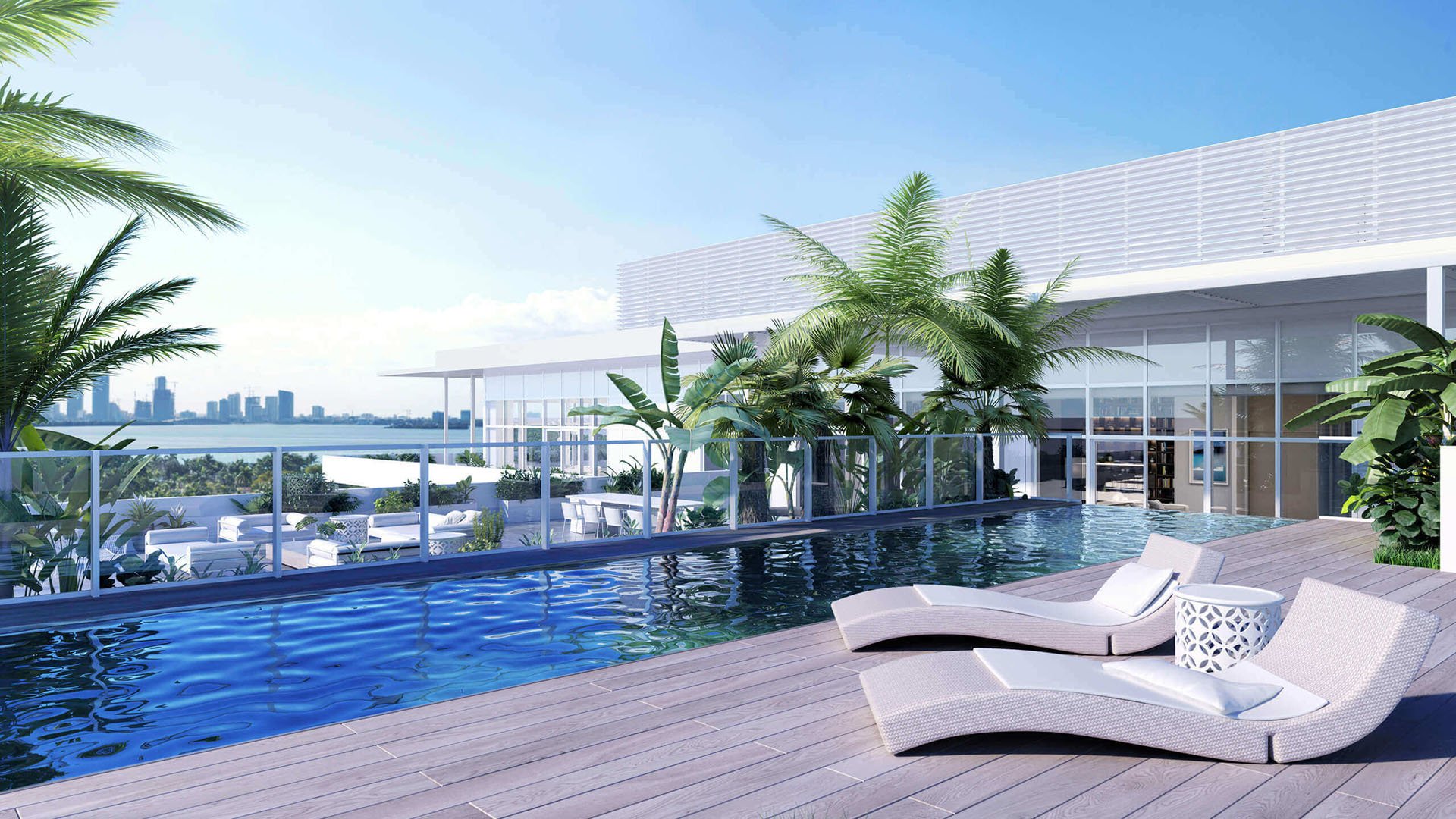
A South Florida coastal residence is often purchased with a second vision in mind: larger living spaces, new glazing, a reconfigured pool, or a more generous connection to the beach. Before that vision becomes part of the purchase decision, it deserves a regulatory review as careful as the architectural one.
Florida’s Coastal Construction Control Line, commonly called the CCCL, establishes an area subject to special siting and design requirements. It addresses work that could erode beaches, destabilize dunes, damage upland properties, or interfere with public beach access. It is not a categorical prohibition on construction.
The essential distinction is between the home that exists and the renovation a buyer hopes to undertake. An existing residence does not, by itself, establish that a future addition, foundation alteration, or outdoor improvement will qualify for approval. If a purchase depends on a particular transformation, that distinction belongs at the beginning of due diligence.
The CCCL should not be inferred from the shoreline, a seawall, or the edge of a parcel. The relevant question is where the mapped line sits in relation to the proposed work.
Locate the CCCL, displayed on the map as a solid red line, as a starting point. Then have the survey and conceptual renovation plan reviewed together. A general impression that a house sits well back from the water is no substitute for locating the proposed improvements against the line.
For a Miami Beach buyer considering 57 Ocean Miami Beach alongside other residential options, the same discipline applies: evaluate the intended work, not simply the address or coastal setting. This is a due-diligence principle, not a determination about that project’s permitting status.
Ask the design team to distinguish clearly between existing conditions and proposed changes. A precise scope gives the state and local building department something concrete to assess before the buyer becomes attached to a design assumption.
Unless an exemption applies, construction and excavation seaward of the CCCL require a state coastal permit. New construction, additions, remodeling, and repairs can be allowed, but the applicable approval route depends on the work.
Maintenance, repairs, and modifications to existing structures are generally eligible for exemption when they remain within existing foundation limits and do not add to, repair, or modify the foundation. That last condition is critical. “Within the existing footprint” does not settle the question if the proposal also includes foundation work.
Roof, door, window, and siding replacements, along with certain second-floor additions, may qualify when the relevant foundation and footprint conditions are satisfied. These are conditional possibilities, not assurances that every replacement or vertical addition is exempt.
In Surfside, whether a buyer is considering Ocean House Surfside or another residence, the useful first question is what the proposed work physically changes. Labels such as refresh, restoration, or renovation matter less than an accurate description of structural and foundation implications.
Even where a CCCL exemption applies, local permits and other regulatory requirements may remain necessary. An exemption from one approval does not establish permission to proceed under every other applicable rule.
A pool relocation or enlargement can appear secondary to a home’s interior redesign. In coastal review, however, excavation, foundation alterations, footprint expansion, pools, and dune work should not be treated as ordinary exempt maintenance.
Swimming pools are excluded from certain general-permit categories, subject to specified exceptions. Buyers should confirm the applicable permit route rather than assume a simplified category will accommodate the design.
The same care applies to proposed work near dunes and vegetation. Coastal review considers the beach-dune system, adjacent properties, native salt-resistant vegetation, marine turtles, and public beach access. A beautifully resolved landscape concept still needs to be evaluated in that broader setting.
For purchasers comparing Sunny Isles Beach residences, including Jade Signature Sunny Isles Beach, the practical lesson is to separate aesthetic ambition from regulatory feasibility. No project name or existing amenity establishes approval for a buyer’s future exterior work.
A local building permit alone may not authorize proposed coastal work. State CCCL permitting and local approval are distinct requirements, and the purchase review should account for both.
Chapter 62B-33 of the Florida Administrative Code provides the primary CCCL framework for general design and siting requirements. Section 3109 of the Florida Building Code addresses structural design for buildings and pools seaward of the line. Coastal plans may also require certification by a Florida-registered professional engineer or architect regarding applicable structural standards.
For buyers, the priority is coordination rather than code memorization. Ask the architect or engineer to identify which elements require coastal review, which may qualify for an exemption, and which still require local approval. Confirm current requirements with the relevant authorities before relying on older guidance or a prior owner’s understanding.
A proposal that appears modest in architectural terms can still raise a separate permitting question. Conversely, work seaward of the line is not automatically unbuildable. The appropriate response is project-specific review, not a blanket conclusion in either direction.
A useful due-diligence file includes prior CCCL and local permits, approved plans, surveys, exemption determinations, engineering records, and documentation of seawall or dune work. Request these early enough for the buyer’s advisers to compare them with the proposed renovation.
The purpose is not simply to collect paperwork. It is to understand what was approved, what the existing documents describe, and how the buyer’s new scope differs. A prior approval for one improvement should not be treated as approval for another.
Organize the review around three questions: Where is the line? What exactly will change? Which approvals or exemptions apply to those changes? If the answers remain uncertain, seek project-specific guidance from the state coastal program and the local building department.
The most useful pre-purchase conclusion is not a casual assurance that renovation is possible. It is a defined scope with a credible approval path and a clear account of unresolved questions. Avoid attaching a firm construction budget or schedule to an untested approval assumption.
For a coastal buyer, luxury includes the ability to shape a residence thoughtfully. Reviewing the CCCL early helps distinguish a compelling design possibility from a commitment the property has not yet demonstrated it can support.
For a considered approach to your next South Florida coastal purchase, explore MILLION.
If branded residences are on your mind — as a home or as an allocation — we would be glad to share what we are seeing, privately.
Begin a quiet conversationThe CCCL establishes a coastal regulatory area with special siting and design requirements intended to protect beaches, dunes, upland properties, and public beach access.
No. Construction and renovation can be allowed, but nonexempt work requires state coastal permitting.
The state’s Map Direct tool displays the line in solid red. Compare its location with a survey and the specific area of proposed improvements.
No. The shoreline, seawall, and parcel boundary should not be used as substitutes for the mapped CCCL location.
No. Foundation additions, repairs, or modifications can prevent reliance on the general exemption for work within existing foundation limits.
They may qualify when applicable footprint and foundation conditions are met. Confirm the exemption for the specific scope before proceeding.
No. Pools and associated excavation require specific review, and certain general-permit categories exclude swimming pools subject to exceptions.
No. Local approval and state coastal permitting are distinct, and a CCCL exemption does not eliminate applicable local requirements.
Request prior coastal and local permits, approved plans, surveys, exemption determinations, engineering records, and documentation of seawall or dune work.
Review it during pre-purchase due diligence, particularly if the purchase depends on a specific renovation. Seek project-specific guidance before committing to a design, budget, or schedule.