A precise guide to coastal permitting records, Elevation Certificates, flood-zone disclosures, and the limits of each document when evaluating South Florida waterfront property.
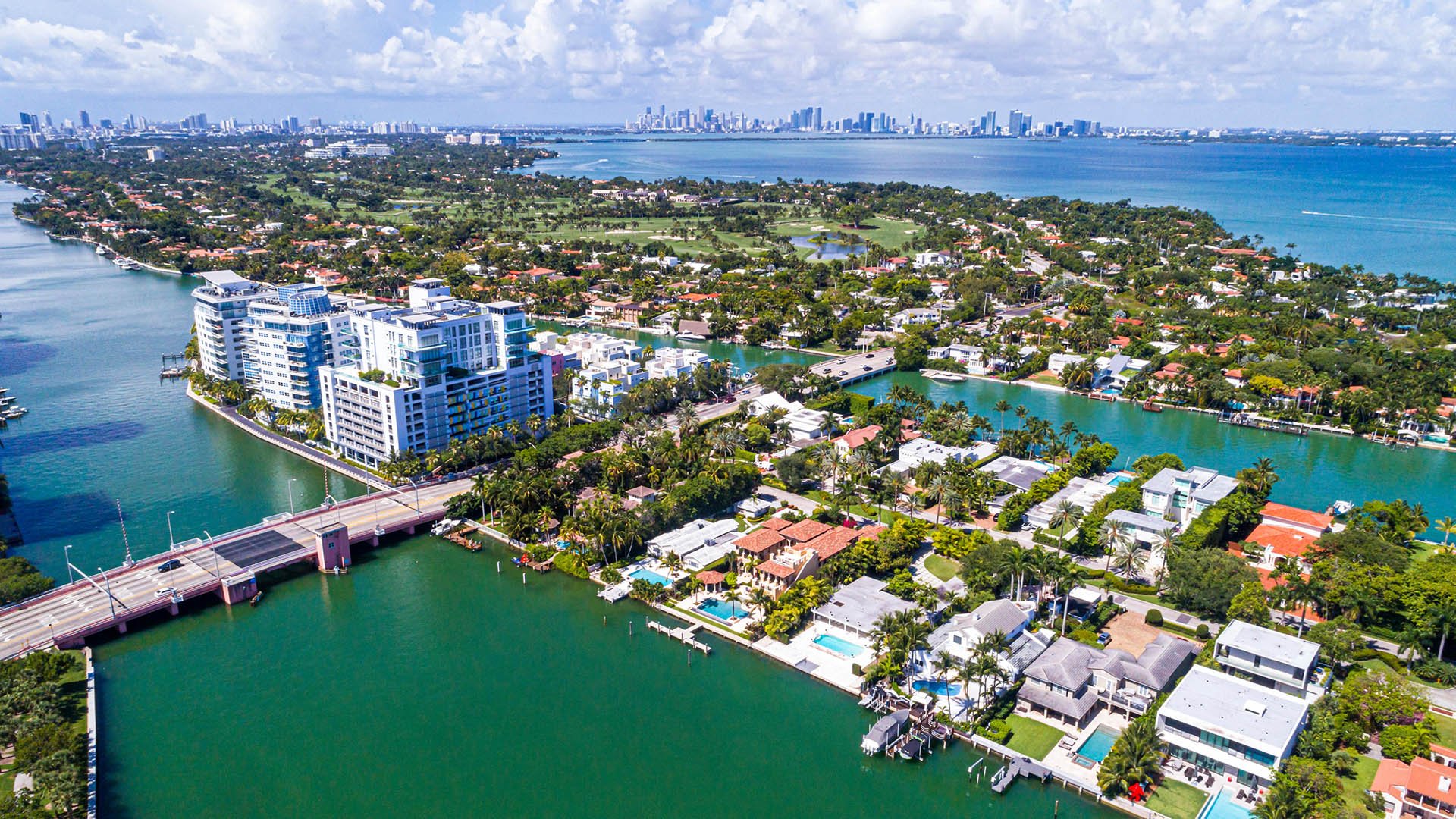
A waterfront purchase is often framed by the view, the architecture, and the connection between interior spaces and open water. Less visible, but equally important, is the documentation behind the setting. Coastal permitting records, flood-zone information, and an Elevation Certificate answer different questions. None provides blanket assurance about a property's condition or the freedom to alter its shoreline.
For a South Florida buyer, the objective is not simply to assemble a thick technical file. It is to establish what each document demonstrates, what remains unresolved, and which proposed improvements require further review. A certificate addressing elevation does not establish a seawall's structural condition. A permitting exemption for one activity does not necessarily extend to another.
That distinction matters whether the acquisition is a private residence or a condominium. Begin with the property and its intended use, then request documentation that addresses each question directly.
Florida's Coastal Construction Control Line, commonly abbreviated CCCL, is central to beachfront due diligence. The program regulates structures and activities that could erode beaches, destabilize dunes, damage upland properties, or interfere with public access. It also protects sea turtles and dune vegetation.
Construction seaward of the CCCL may require a state permit. Before assuming that a terrace alteration, shoreline intervention, or other proposed work can proceed, establish whether the specific location and activity fall within that jurisdiction. The practical question is not simply whether a property is near the ocean, but whether the proposed work is regulated.
For a buyer considering The Perigon Miami Beach, the same discipline applies: separate the appeal of the residence from questions about contemplated coastal work. This is a due-diligence principle, not a statement about the project's permit status.
Chapter 62B-33, Florida Administrative Code, establishes general design and siting requirements for obtaining a CCCL permit. Ask the appropriate advisers to explain how those requirements apply to the specific proposal rather than relying on a broad assurance that an improvement is feasible.
Some coastal activities qualify for exemptions. These are limited to specified work not expected to cause impacts or measurable interference with the coastal system. They are not blanket authorization for anything informally described as maintenance or a modest improvement.
Seawalls warrant particular care. Florida law explicitly excludes seawalls and other rigid coastal or shore-protection structures from a specified exemption. That does not establish the permitting outcome for every seawall project. It does mean buyers should not assume that a minor-work exemption covers the work they have in mind.
For a Surfside search that includes Ocean House Surfside, keep the question specific: what work is contemplated, and what authorization would it require? Do not infer an exemption or a restriction from a property's presentation.
Environmental considerations belong in that conversation from the outset. Because the CCCL program also protects sea turtles and dune vegetation, a buyer's preferred design is not the only consideration when evaluating a beachfront proposal.
An Elevation Certificate shows how high a home was built relative to its flood zone-information a flood-zone designation alone does not supply. Read the two together rather than treating either as a complete account of the property's circumstances.
In unincorporated Miami-Dade County, an Elevation Certificate helps determine whether an existing, newly completed, substantially damaged, or substantially improved structure complies with federal and local elevation requirements. Elevation Certificates are required for new construction and substantial improvements to a structure.
These are Miami-Dade-specific points, not a uniform rule for every municipality across South Florida. When evaluating a property elsewhere, confirm the applicable requirements with the relevant jurisdiction rather than carrying one county's procedures into another.
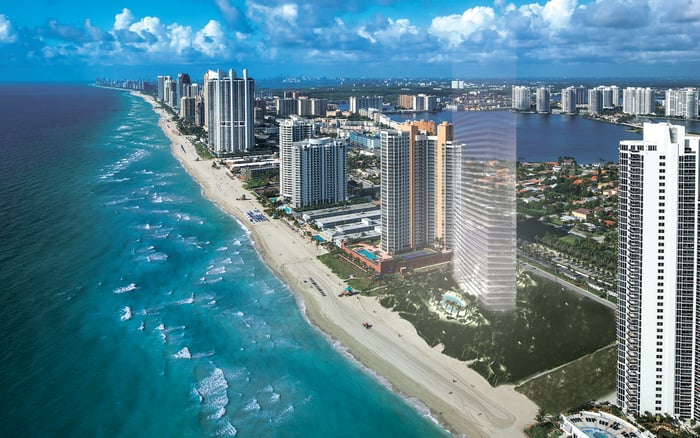
For buyers comparing residences in Sunny Isles Beach, including St. Regis® Residences Sunny Isles, the useful question is which elevation documentation applies to the property under consideration. A project name is no substitute for reviewing the relevant records, and no particular compliance conclusion should be inferred here.
Miami-Dade may have an Elevation Certificate on file for a home built after 1995. County records can be a useful starting point, but availability must be confirmed for the individual property. The possibility that a record exists is not the same as having reviewed it.
For an older home without an available certificate, a buyer may need a surveyor to prepare one. Address that question early in the review. Do not assume a missing document can be retrieved immediately or that its absence answers the underlying elevation question.
Flood-zone disclosure is a separate part of the file. In Miami-Dade, purchases of improved property in a Special Flood Hazard Area or Coastal High Hazard Area must disclose that designation to the buyer. Read the disclosure alongside the elevation information, recognizing that neither establishes a seawall's condition.
An Elevation Certificate concerns flood elevations and compliance. It does not establish a seawall's structural condition or remaining service life. Similarly, a discussion of CCCL jurisdiction addresses regulatory requirements, not the overall physical condition of a waterfront property.
If a seller supplies an engineering assessment, ask the professional reviewing it to identify its scope, the conclusions it supports, and the questions it leaves open. Do not turn a limited conclusion into a broader promise about future performance, replacement expense, or insurability.
The review should distinguish three questions: what is documented about elevation, what authorization applies to proposed coastal work, and what has been assessed about physical condition. Keeping those questions separate makes each document more useful.
Before committing, organize the review around the intended ownership plan. Identify contemplated coastal alterations, confirm jurisdiction, and request the relevant permitting and elevation records. Where an exemption is suggested, ask how it applies to the exact activity rather than accepting a general description.
The goal is clarity, not an unrealistic promise of certainty. A carefully reviewed file helps a buyer distinguish a documented fact from an assumption and a permitted activity from an untested proposal. That is a more durable foundation for waterfront ownership than reassurance alone.
For a considered approach to South Florida waterfront ownership, explore MILLION.
If branded residences are on your mind — as a home or as an allocation — we would be glad to share what we are seeing, privately.
Begin a quiet conversationIt regulates structures and activities that could erode beaches, destabilize dunes, damage upland properties, or interfere with public access. It also protects sea turtles and dune vegetation.
Construction seaward of the CCCL may require a state permit. Confirm jurisdiction and the requirements for the specific proposed work before assuming it can proceed.
Chapter 62B-33 of the Florida Administrative Code establishes general design and siting requirements for obtaining a CCCL permit.
No. Florida law excludes seawalls and other rigid coastal or shore-protection structures from a specified exemption, so the exact work requires careful review.
It shows how high a home was built relative to its flood zone. It provides information that the flood-zone designation alone does not supply.
No. It concerns flood elevations and compliance, not a seawall's structural condition or remaining service life.
They are required for new construction and substantial improvements to a structure. Confirm the applicable requirements for the property's jurisdiction.
Miami-Dade may have a certificate on file for a home built after 1995. Confirm availability for the individual property rather than assuming a record exists.
A buyer may need a surveyor to prepare one. The absence of an available certificate does not itself answer the property's elevation questions.
For purchases of improved property in a Special Flood Hazard Area or Coastal High Hazard Area, that designation must be disclosed to the buyer.