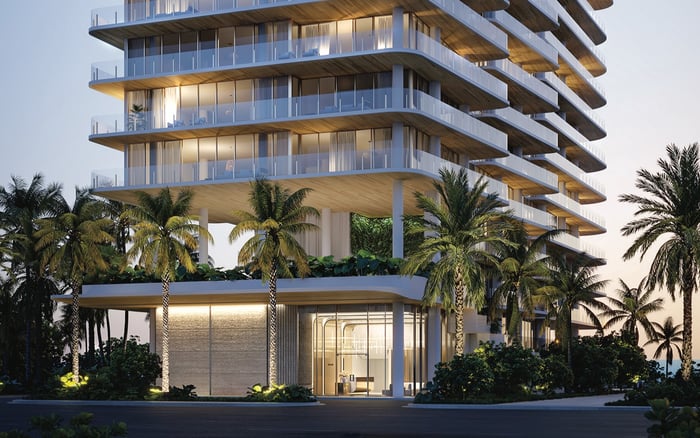
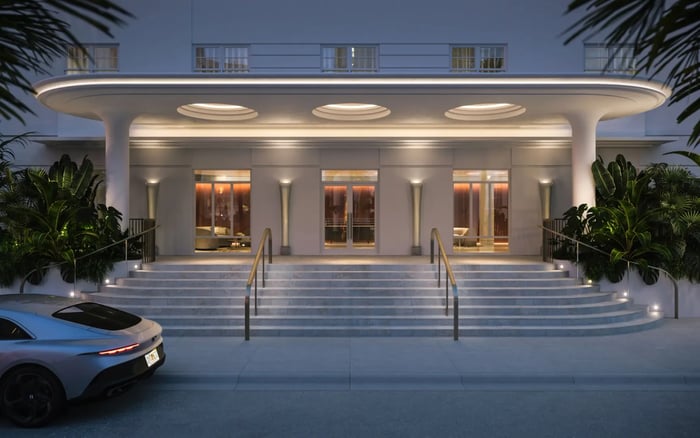
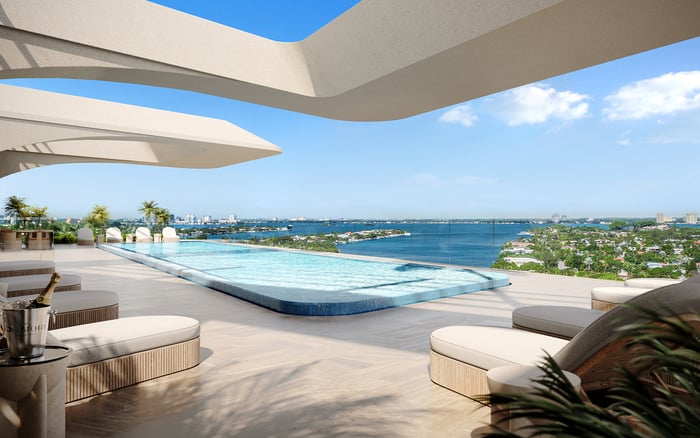
For collectors considering The Delmore Surfside, architectural daylight is only the beginning. A disciplined review should connect glazing, shade controls, collection-specific light limits, humidity management, and contractual accountability before art is installed.
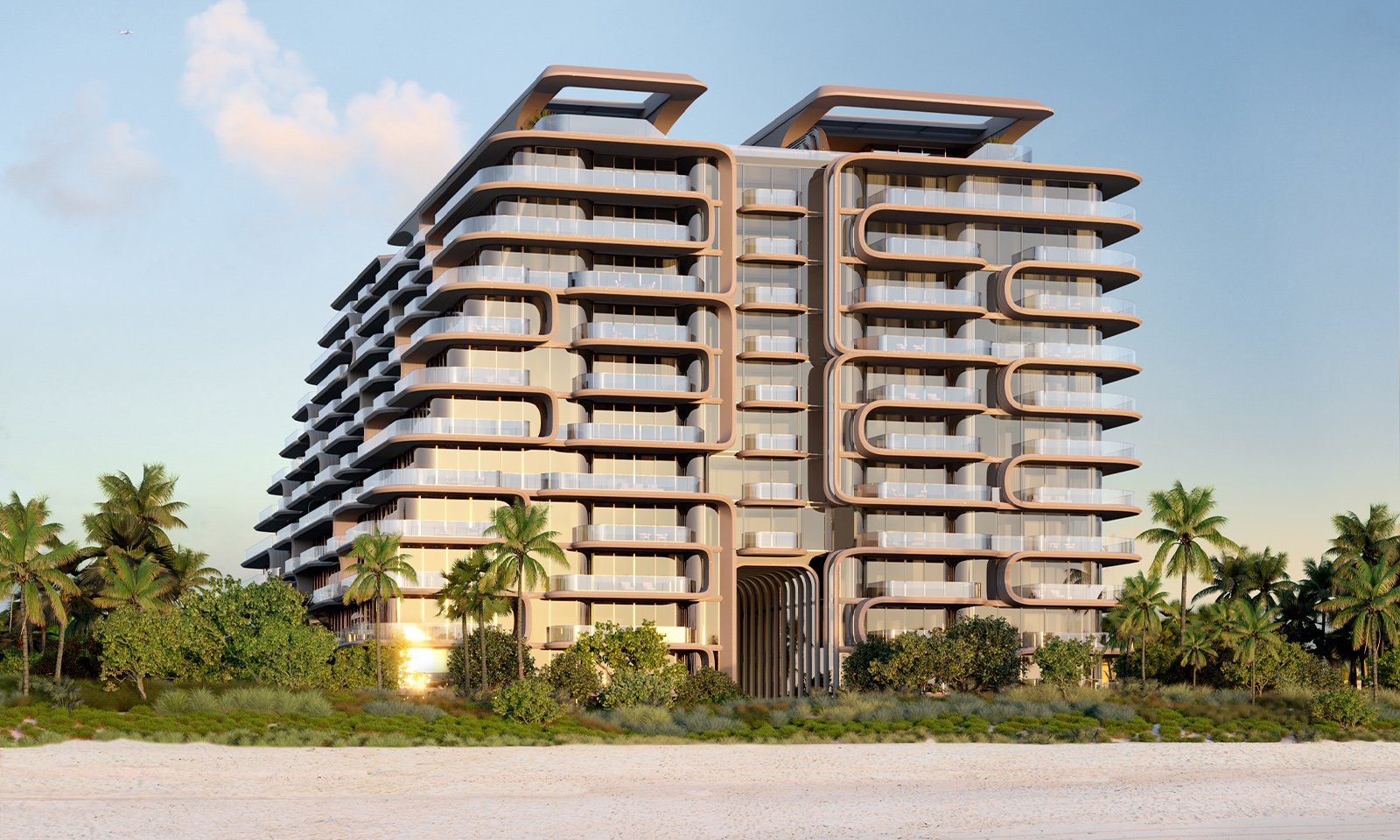
For an oceanfront residence, daylight is part of the appeal. For a collection, it is an exposure to manage. At The Delmore Surfside, the buyer’s task is not to choose between luminous interiors and art conservation. It is to establish where each takes priority and which systems will support that choice.
Architectural ambition does not establish museum-grade operating performance. Verified glazing, shading, humidity-control, and room-specific glare specifications are not established here. A collector should treat conservation capability as a performance requirement to document, not an implied benefit of the address.
A design’s daylight intent does not establish how much light reaches a particular wall, how long it remains there, or whether a seated occupant experiences reflected glare.
For an oceanfront residence, investigate how the proposed glazing and exposure affect direct sun, reflections, and cooling loads. These considerations do not demonstrate that excessive glare exists. Begin with the actual residence plan, proposed artwork locations, furniture arrangement, and preferred hours of use. The relevant question is how the interior performs through changing seasons, not whether a rendering appears comfortably illuminated.
Request seasonal and hourly studies for the east-, south-, and west-facing exposures and corner conditions relevant to the residence. Include direct sunlight, ocean and pool reflections where relevant, alternative shade positions, and the view remaining when shades are deployed. Investigate reflections along the specific sightlines rather than assume an effect.
The glazing review should connect the architectural specification to the collector’s requirements. Request glass make-up, coatings, interlayers, visible transmittance, solar-heat-gain coefficient, U-factor, and documented UV filtration. Include shading details and the façade’s air, water, and wind-performance criteria.
Have the design and conservation advisers assess these together. A UV-filtration statement cannot substitute for a collection-specific review of visible light and exposure duration. Nor should a glass specification alone be accepted as evidence that a proposed art wall will meet its intended conditions.
For a buyer also considering Ocean House Surfside, the same document request provides a useful comparison framework without presuming either property’s conservation capabilities. Compare the information supplied for the selected residences, not broad impressions of their glazing or architectural language.
The deliverable should be a coordinated drawing identifying proposed display locations, relevant glass assemblies, shade coverage, and performance questions that still require testing.
Ask the conservator whether daylight should be excluded from collection storage and limited in display spaces. Where daylight is retained, assess potential light impacts on the collection. In a residence, this becomes a planning decision: which spaces celebrate daylight, and which prioritize controlled display or storage?
Ask a conservator to establish acceptable illuminance, exposure duration, UV content, and cumulative visible-light dose for the actual works. Average room lux should not stand in for measurements at the artwork. Nor should a single universal light limit be adopted merely for the lighting designer’s convenience.
Translate the conservation brief into room-by-room instructions. Identify where direct sunlight is unacceptable, when shades should operate, and whether particular works belong in a more controlled interior location. Evaluate art lighting alongside daylight so the assessment addresses the intended installation.
This is not an argument for darkening every room. It is a request to settle display decisions before the interior scheme commits the collection to its brightest walls.
Request a mock-up incorporating the proposed glass, shade fabric, controls, finishes, and art lighting. Observe it at different times of day, attending to both the artwork location and the occupant’s normal viewing position. Record which shade settings satisfy the conservation brief and which preserve the desired outlook.
Ask the team to demonstrate the proposed control sequences, not simply describe automation in general terms. What happens during occupied hours, while the owner is away, and after a manual adjustment? These are recommended test scenarios, not confirmed Delmore features.
If the search extends to The Perigon Miami Beach, carry the same collection brief into that evaluation. The meaningful comparison is whether each proposed installation can demonstrate the required conditions, not whether one interior looks more gallery-like.
Have the conservator define appropriate temperature and relative-humidity criteria for the collection before asking the mechanical team to demonstrate compliance. Do not treat general environmental benchmarks as verified Delmore operating conditions or a prescription for every collection.
Request HVAC zoning, operating sequences, dehumidification calculations, and occupied and unoccupied criteria. Establish whether art rooms can be controlled independently. Ask specifically about hurricane-operation provisions and how the proposed environmental strategy would function during disrupted operation.
Commissioning should include calibrated temperature and relative-humidity logging at representative artwork locations. Specify excursion alarms, response protocols, and post-occupancy verification. Establish who reviews the readings, who receives alerts, and who has authority to respond. A control setting is not a substitute for a documented record of conditions around the collection.
Before committing to an art-sensitive interior, translate the brief into written deliverables. Counsel and technical advisers should distinguish what the developer provides, what the owner must install, and what the association or management will operate. State the limits of each party’s responsibility explicitly.
The acceptance package should identify agreed criteria, required documentation, mock-up results, commissioning procedures, and the response to an unmet requirement. Include a plan for verification after occupancy, when the residence is being used as intended.
For The Delmore, the informed position is neither to assume museum-grade protection nor to dismiss its possibility. It is to require a collection-specific preservation assessment and demonstrable operating performance before treating the residence as ready for the works it will hold.
For a discreet perspective on South Florida residences and collector-focused due diligence, explore MILLION.
If branded residences are on your mind — as a home or as an allocation — we would be glad to share what we are seeing, privately.
Begin a quiet conversationPrioritize residence-specific daylight studies, glazing and shade specifications, and environmental controls. Translate the collection’s requirements into documented tests and operating responsibilities.
Museum-grade conservation performance is not established here. Buyers should require collection-specific criteria, supporting specifications, and operational verification.
No measured finding of excessive glare is established here. Request residence-specific sun and reflection studies rather than assume a problem.
Request seasonal and hourly assessments of direct sun, relevant ocean and pool reflections, shade positions, and retained views. The assessment should address the selected residence and proposed artwork locations.
Request glass make-up, coatings, interlayers, visible transmittance, solar-heat-gain coefficient, U-factor, UV filtration, shading details, and air, water, and wind-performance criteria.
UV filtration should not replace a collection-specific assessment. A conservator should also establish illuminance, exposure duration, and cumulative visible-light criteria.
The collection’s conservator should define appropriate temperature and relative-humidity criteria. The mechanical team should then demonstrate performance against those requirements.
Ask the conservator whether daylight should be excluded from storage and limited in display spaces. Assess the collection’s exposure wherever daylight is retained.
Request a mock-up using the proposed glass, shade fabric, controls, finishes, and art lighting. Observe the installation at different times of day and document the settings needed to meet the conservation brief.
Written agreements should distinguish developer deliverables, owner-installed systems, and association or management duties. They should also identify monitoring, alert response, and post-occupancy verification responsibilities.