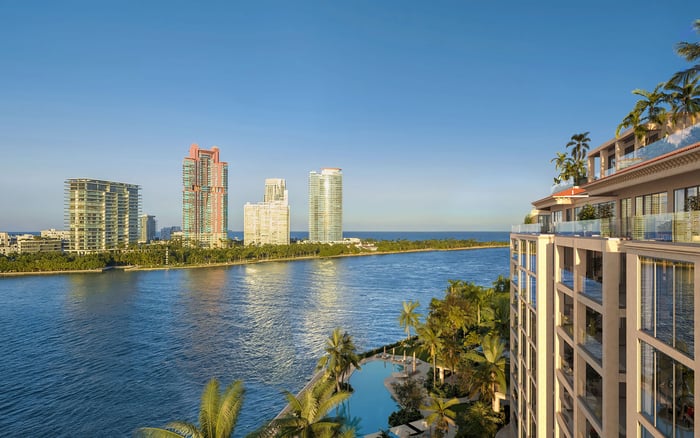
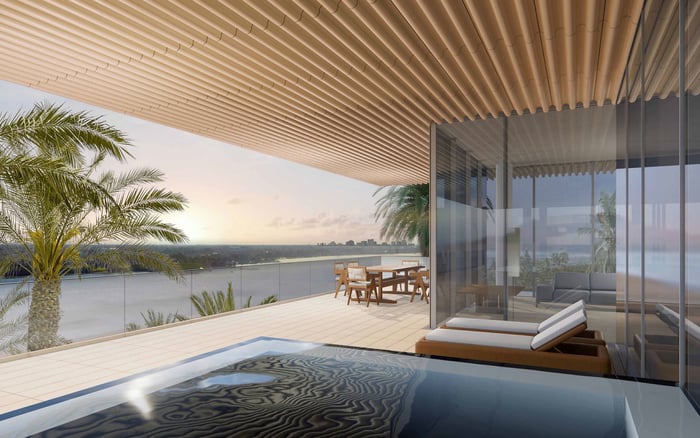
Marina access and direct beach access offer different versions of waterfront living. The stronger purchase depends on documented rights, neighboring development potential, vessel compatibility, and how comfortably the terrace serves daily life.
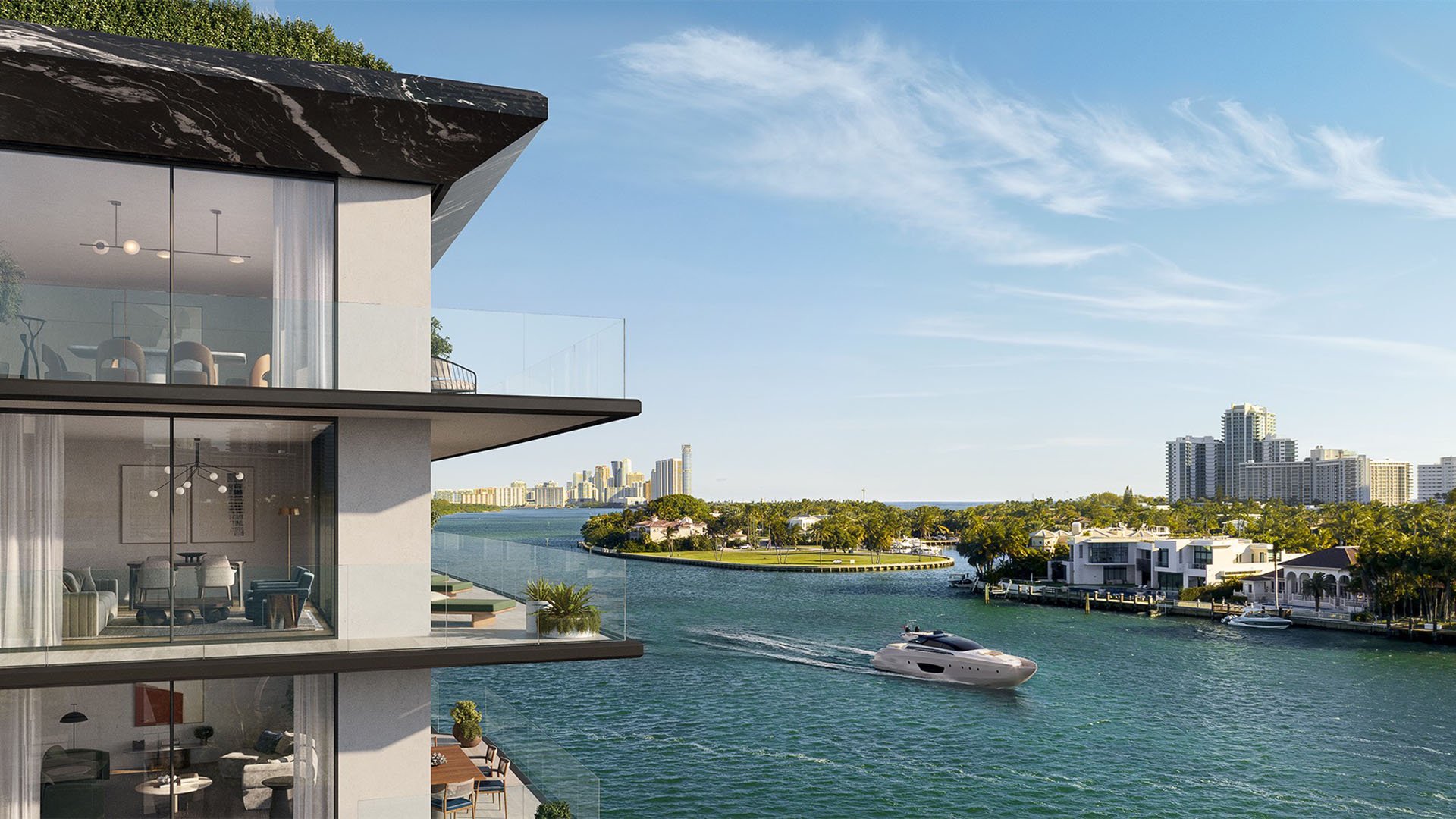
The choice between marina access and direct beach access is less about prestige than about which waterfront makes an ordinary day more rewarding. A boat owner needs dependable dockage and a workable route to open water. A beach-oriented buyer may place greater value on stepping onto the shoreline without arranging transport or crossing a road.
Neither preference settles the purchase decision. What matters is which rights accompany the residence, what can change beyond its windows, and whether its outdoor space supports the owner's daily life. Treat access, view durability, and terrace usability as separate assets. An exceptional outlook does not establish boat access, and a beachfront address does not establish ownership of the beach.
Begin with the slip's legal and operational status. Establish whether it is deeded, assigned, leased, transferable, wait-listed, or unavailable. Then confirm fees and vessel restrictions. A waterfront location alone does not establish that a buyer can keep a boat there-or that the seller's arrangement will continue after closing.
The navigation review should be equally specific. Match the intended vessel to slip dimensions, navigable depth, bridge clearance, and tidal constraints. Trace the actual route rather than relying on the phrase “ocean access.” A berth and a navigable route are complementary requirements, not interchangeable benefits.
For a buyer considering Onda Bay Harbor, pair the residential shortlist with a vessel-specific access checklist. Confirm any proposed boating arrangement independently of the apartment's appeal.
Extend the review beyond the berth to shoreline condition, permits, marina operating rules, storm procedures, and ongoing costs. These details determine whether boating is genuinely convenient or an amenity whose practical limitations outweigh its appeal.
Direct oceanfront, a residence across the street from the ocean, association beach frontage, and proximity to public access represent different arrangements. Before assigning a premium, walk the entire route from the residence to the sand. Establish which portions depend on ownership, an easement, or another access agreement.
Condominium and cooperative beach access may rely on association-owned or leased parcels and improvements. Title records and governing documents therefore matter as much as the physical route. Confirm operating hours, service rights, maintenance responsibilities, and the terms governing continued access. The word “private” should prompt questions, not settle them.
When evaluating The Perigon Miami Beach alongside other Miami Beach residences, separate the desired shoreline experience from the rights documented for the particular purchase. A compelling presentation is the beginning of that review, not a substitute for it.
Privacy also warrants a site visit. Nearby homes and visibility from beach-access points can influence how secluded a property feels. Assess the approach, the terrace, and the shoreline together rather than assuming beachfront positioning delivers the same privacy in every residence.
A view is a present condition. Its durability requires a separate examination of the parcels within it. Identify the land in the principal outlook, then ask qualified advisers to review ownership, zoning, development potential, pending applications, and any documented restrictions. Distinguish what exists today from what might legally be built.
For buyers considering Alba West Palm Beach, undertake a unit-specific sightline review rather than assuming a waterfront outlook will remain unchanged. The same discipline belongs in every South Florida waterfront acquisition.
If development rights are presented as a means of protecting the view, have counsel review the relevant documents. Establish the scope and enforceability of any claimed restriction before treating it as protection for the residence.
Do not assume marina terraces are categorically calmer than oceanfront terraces. Evaluate the individual residence instead. Arrange a windy-day visit where possible, ideally at the time you expect to dine or sit outdoors. This is a practical comfort check, not a certified assessment of wind performance.
Look at usable depth, furniture placement, side walls, screens, and storage. Sit where a dining chair would go. Consider whether the space works for a quiet breakfast as well as entertaining. Ask what alterations or screening the association permits rather than assuming changes are possible.
At Jade Signature Sunny Isles Beach, as at any residence on a shortlist, make the visit specific to the unit under consideration. Another floor plan or terrace is no substitute for experiencing that space.
Storm preparation is part of ownership, too. Confirm applicable requirements for securing or storing loose outdoor objects during severe weather. Review the building's procedures and identify where outdoor furniture can go, particularly if the residence will be occupied seasonally.
Association-controlled amenities tie daily enjoyment to shared obligations. Review declarations, leases, rules, budgets, reserves, and meeting minutes to understand access rights and capital responsibilities. Ask who maintains the waterfront improvements and how related expenses are allocated. Do not assume a slip fee or beach-service charge captures every obligation.
Review flood designation and coastal construction restrictions separately. Flood zones and base flood elevations address different questions from the Coastal Construction Control Line, local bulkhead lines, and zoning setbacks. Review both before attributing value to future improvements or changes in waterfront use.
The strongest marina purchase combines usable dockage, a suitable navigation route, and acceptable operating obligations. The strongest beach-oriented purchase combines a satisfactory shoreline route, clear access rights, and the privacy the buyer actually wants. Neither automatically delivers a durable view or a comfortable terrace.
Before committing, resolve four questions independently: what access transfers, what neighboring land can become, how the terrace feels, and what the association requires. Pay for the combination that supports your daily life, not for an amenity label whose meaning remains uncertain.
Explore South Florida residences with a more considered waterfront perspective at MILLION.
If branded residences are on your mind — as a home or as an allocation — we would be glad to share what we are seeing, privately.
Begin a quiet conversationNot necessarily. Confirm whether a slip is deeded, assigned, leased, transferable, wait-listed, or unavailable, together with fees and vessel restrictions.
Check slip dimensions, bridge clearance, navigable depth, tidal constraints, and the actual navigation route. Review permits, shoreline condition, operating costs, and storm procedures as well.
No. Access may depend on association-owned or leased land, easements, and governing documents rather than ownership conveyed with the residence.
Establish the physical route, legal access arrangement, operating hours, service rights, and maintenance obligations. Walk the route rather than relying on the amenity description.
Have qualified advisers review the parcels within the outlook, including zoning, development potential, pending applications, and documented restrictions. Today's open view does not by itself establish protection.
Do not assume it will remain unchanged. Request a unit-specific sightline review and examine the development potential of relevant parcels.
Have counsel examine the relevant documents to determine the scope and enforceability of any restriction. Do not assign a view-protection premium without confirming what it protects.
Do not assume waterfront type determines comfort. Assess the individual terrace through an in-person visit, preferably in windy conditions, while recognizing that a visit is not a certified performance test.
Confirm applicable requirements and building procedures for securing or storing loose outdoor objects. Identify practical furniture storage before purchase, particularly for a seasonally occupied residence.
Review declarations, leases, rules, budgets, reserves, and meeting minutes. These help clarify access arrangements and the shared financial obligations attached to waterfront amenities.