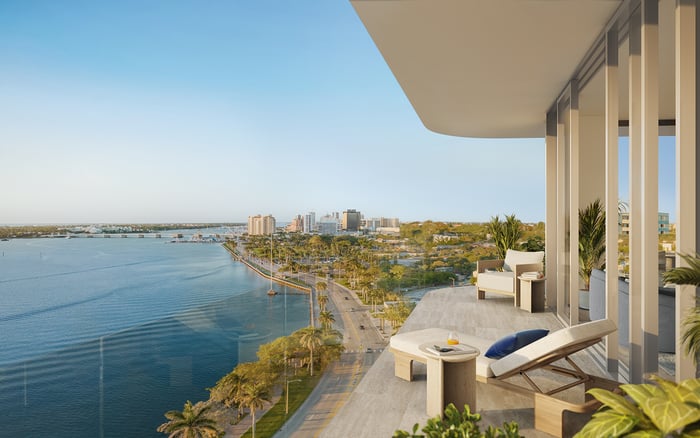
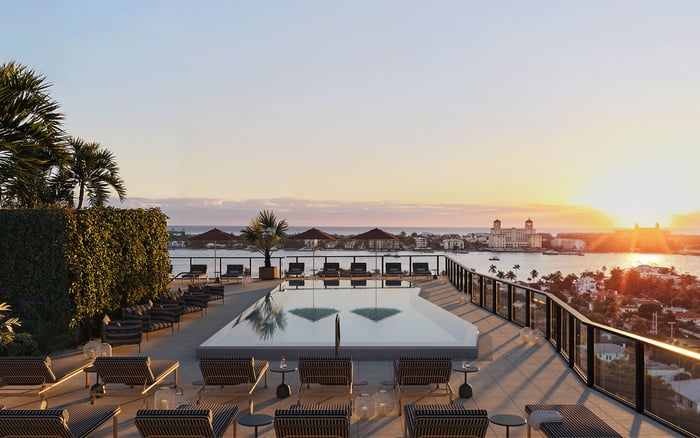
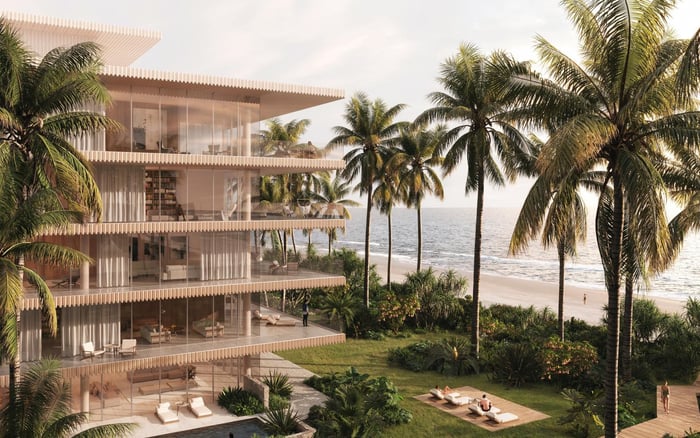
Miami Beach and Palm Beach waterfront buyers should compare properties individually, focusing on site exposure, structural resilience, insurance terms, ownership format, and potential out-of-pocket obligations rather than relying on broad market assumptions.
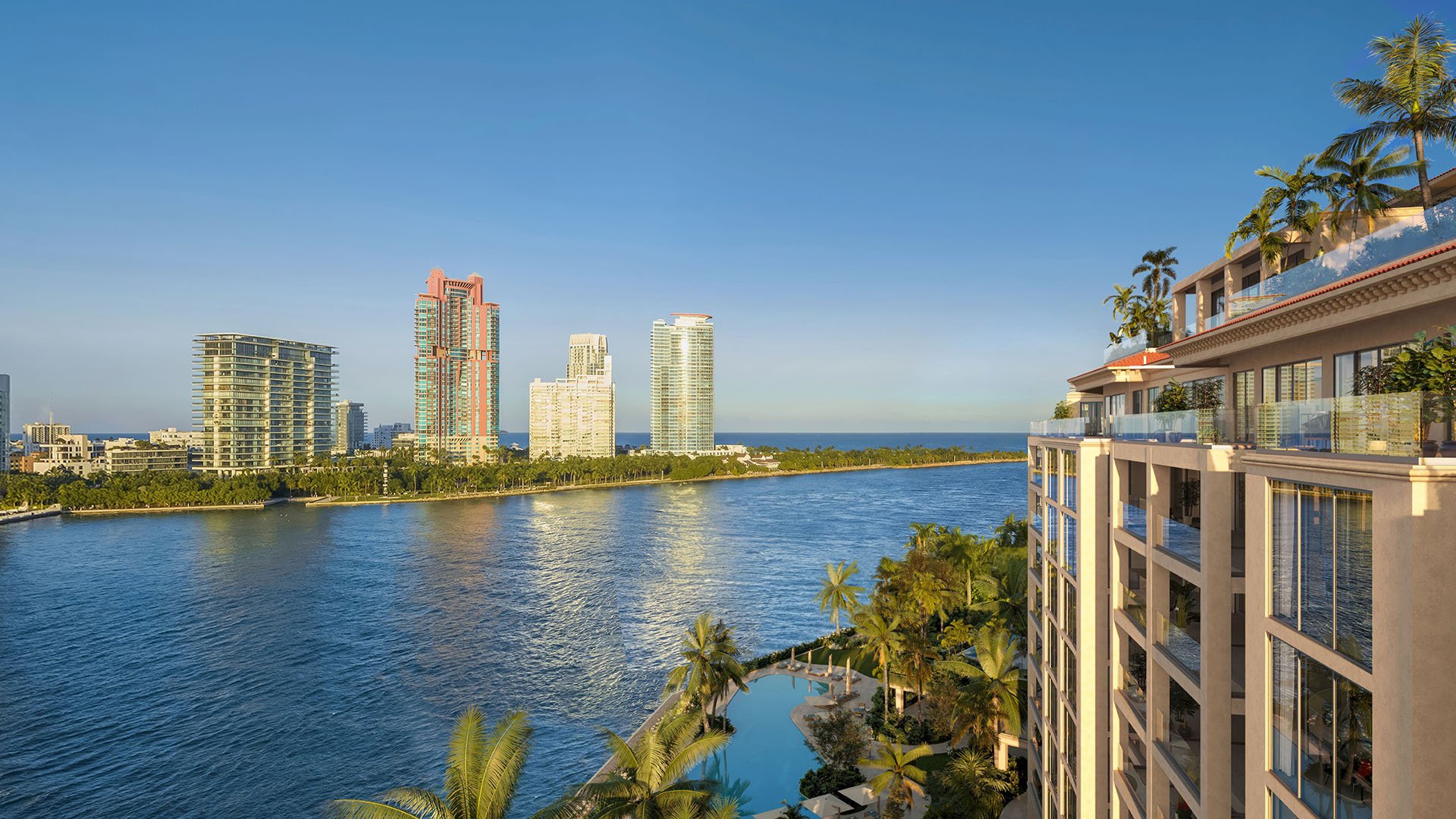
Choosing between Miami Beach and Palm Beach is not simply a preference for one coastline, architectural style, or social setting. For a waterfront buyer, the more useful comparison examines the specific site, the residence, the insurance structure, and the owner's potential financial exposure after a storm.
Two homes with similarly compelling views can present different considerations. Water orientation, surrounding drainage, shoreline condition, finished-floor elevation, construction, critical-system placement, and ownership format can all shape diligence. The goal is not to label one market safer than the other, but to identify which individual property offers the clearest alignment between lifestyle and risk tolerance.
The strongest waterfront purchase pairs a remarkable setting with a thoroughly examined resilience profile.
In Miami Beach, buyers should distinguish among direct oceanfront, bayfront, canal-front, and more protected interior settings. Each finalist deserves its own review rather than assumptions based on a neighborhood name or waterfront label. A diligence file can include available elevation materials, surveys, flood-zone information, shoreline documentation, drainage observations, and details about where essential equipment is located.
The same property-level discipline applies when considering The Perigon Miami Beach. A buyer should ask how the residence and building address water exposure, emergency planning, insurance responsibilities, and possible owner obligations. Marketing materials can introduce the lifestyle, but governing documents and insurance materials provide the more relevant framework for risk review.
Palm Beach also requires careful separation of broad market impressions from the characteristics of a particular home. An estate, condominium, or residence near the water should be evaluated according to its own structure, site, shoreline conditions, mitigation features, and available coverage. Buyers considering Palm Beach Residences can use the same consistent checklist to keep comparisons focused.
Storm planning is most useful when it moves beyond a general discussion of regional weather. Buyers can ask how a property prepares for water intrusion, wind, power disruption, restricted access, and temporary displacement. The answers may involve building procedures, owner responsibilities, critical-system protection, opening protection, backup capabilities, and post-event communication.
For a condominium, request the building's emergency procedures and determine which preparations belong to management and which remain with the unit owner. Ask how residents receive updates, how common areas are secured, and what access limitations may apply during restoration. For a single-family home, review the practical steps required to secure the residence and understand who will manage them if the property is used seasonally.
A second-home buyer should also consider who can inspect the property after severe weather, coordinate urgent repairs, document damage, and communicate with insurers or building management. These operational questions can be as important as the physical features of the home.
Insurance should be investigated before a buyer treats the purchase price as the complete financial picture. Property-specific indications can help reveal available coverage, important exclusions, deductible structures, and underwriting questions. Buyers should avoid extending a general impression about Miami Beach or Palm Beach to a particular address.
The annual premium is only one component. A more complete review considers limits, sublimits, exclusions, deductibles, valuation provisions, temporary-living protection, ordinance-related coverage, and the treatment of exterior features. Buyers can also ask whether different deductible options are available and how each choice changes potential out-of-pocket exposure.
Coverage should be examined in relation to the residence's likely rebuilding needs and the owner's preferred level of risk retention. The most economical premium may not provide the most suitable balance if it is paired with significant exclusions or a deductible the owner would be uncomfortable funding.
Condominium ownership introduces separate areas of responsibility. Buyers should review the unit-owner policy, any applicable flood protection, and the association's master insurance program. These layers should be considered together because a gap or large deductible at the building level can affect owners even when their individual policy appears adequate.
The association's materials can help clarify insured property, exclusions, deductibles, responsibility boundaries, and how losses may be allocated. Buyers should also ask whether current insurance costs are reflected in regular assessments and how an uninsured expense or association deductible could be funded.
This approach is relevant when evaluating Forté on Flagler West Palm Beach. Rather than relying on a regional assumption, review the building's own documents, available policy information, reserves, and owner-responsibility framework.
Unit improvements deserve special attention. A buyer should determine whether custom interiors, cabinetry, flooring, built-ins, personal property, and temporary accommodations fall within the expected coverage structure. The review should also identify any difference between the association's restoration obligation and the unit owner's desired finish level.
A waterfront estate places more direct responsibility on the owner. Diligence can examine the roof, openings, exterior envelope, shoreline features, drainage, landscaping exposure, mechanical systems, electrical equipment, and the feasibility of temporary protection measures. Replacement assumptions should reflect the actual residence rather than a generic home.
Buyers can request clarity on how wind and water losses are treated, what deductibles apply, and which exterior elements may receive limited or no protection. They should also consider the practical cost of temporary accommodation, debris removal, emergency work, and restoring features that fall outside the main dwelling coverage.
For a seasonal residence, planning should address property management and vendor access. A clearly assigned response plan can help the owner understand who will prepare the home, document its condition, inspect it afterward, and oversee repairs.
A disciplined comparison uses the same categories for each Miami Beach and Palm Beach property. The file can cover site and water orientation, available elevation information, shoreline and drainage conditions, construction and mitigation features, critical-system placement, emergency procedures, insurance terms, deductibles, exclusions, and estimated owner responsibilities.
Condo buyers can add master-policy materials, association responsibilities, reserve information, and potential loss-allocation procedures. Estate buyers can add replacement assumptions, exterior-property treatment, property-management plans, and private response arrangements. Any unclear item should be resolved through the appropriate legal, insurance, engineering, inspection, or property-management professional before contractual deadlines.
It is also useful to model scenarios rather than focusing solely on routine annual costs. A buyer can consider the funds that might be needed for a deductible, temporary housing, urgent mitigation, uncovered exterior work, or an association obligation. This exercise helps distinguish affordability from preparedness.
Neither Miami Beach nor Palm Beach is categorically the better waterfront purchase. The stronger choice is the individual residence whose setting, structure, storm plan, insurance framework, and ownership obligations fit the buyer's priorities.
Miami Beach may appeal to buyers seeking a particular coastal condominium lifestyle, while Palm Beach may attract those drawn to its own mix of residences and estates. Those lifestyle differences matter, but they should be evaluated alongside property-specific diligence rather than used as substitutes for it.
For discreet guidance comparing South Florida waterfront opportunities, connect with MILLION.
If branded residences are on your mind — as a home or as an allocation — we would be glad to share what we are seeing, privately.
Begin a quiet conversationNeither market is categorically better. The decision should depend on the specific property's exposure, resilience, insurance framework, and fit with the buyer's priorities.
Begin with the site's water orientation, available elevation and flood information, drainage, shoreline condition, structure, and critical-system placement.
Early review can identify coverage limitations, exclusions, deductibles, and underwriting concerns before they disrupt a buyer's timeline or financial planning.
Review the unit-owner policy, applicable flood protection, and the association's master insurance program, including responsibility boundaries and deductibles.
The master policy defines important building-level coverage and exclusions. Its deductibles or uninsured losses may also create obligations for owners.
Review the building envelope, roof, openings, shoreline features, drainage, critical equipment, replacement assumptions, and treatment of exterior property.
A seasonal owner should identify who will prepare, inspect, document, and manage the property before and after severe weather.
Regional impressions can provide context but should not replace address-specific review. Coverage and physical exposure should be evaluated for each property.
Available surveys, elevation materials, inspection findings, insurance documents, association records, and emergency procedures can help organize the review.
Model deductibles, temporary housing, urgent mitigation, uncovered work, and possible association obligations for each finalist.