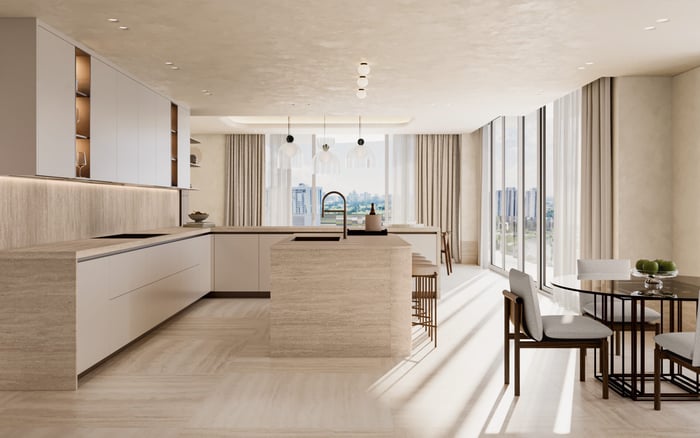
A cash purchase may simplify financing, but it does not make the closing statement simple. Aventura buyers should isolate title, settlement, association, inspection, insurance, and post-closing reserve items before funds are due.

A cash acquisition can feel admirably direct: no loan approval, no mortgage timetable, and fewer parties between contract and closing. Yet the absence of financing does not make the final amount due self-explanatory. For an Aventura condominium or residence, the purchase price is only the central figure in a broader schedule of title, settlement, association, inspection, insurance, and ownership expenses.
The essential discipline is to separate known contractual obligations from estimates, recurring charges, and reserves. Buyers should request a property-specific closing worksheet early, then update it as documents, association information, and the projected closing date become clearer. This is particularly important for an investment, a second-home purchase, or any acquisition involving an entity, trust, or international funds transfer. The purchase structure can shape the questions the buyer's legal, tax, and title advisers need to resolve.
A refined search may include a new Aventura address such as Avenia Aventura alongside established condominium inventory. Regardless of design or vintage, every candidate warrants an individual cost review rather than a neighborhood-wide assumption.
Before closing, buyers benefit from viewing the transaction through three separate lenses. First is the closing estimate: every anticipated debit, credit, adjustment, title item, settlement charge, and association-related amount expected at completion. Second is the first-year ownership budget, including recurring association obligations, insurance, property expenses, staffing, maintenance, and planned improvements. Third is a liquidity reserve for charges that are not yet final or work scheduled after possession.
Keeping these views separate prevents an elegant purchase from producing an inelegant surprise. It also makes comparisons more useful. A lower purchase price does not necessarily imply a lighter ownership profile, while a higher association budget may include services or amenities a buyer would otherwise arrange privately. The relevant question is not simply what a line item costs, but what it covers, when it is payable, and whether it can change.
For buyers comparing Aventura with nearby coastal options, residences such as Armani Casa Sunny Isles Beach and Bentley Residences Sunny Isles offer useful prompts for a building-by-building review. The comparison should remain documentary, not impressionistic.
Title-related costs should never be treated as a single opaque number. Ask the closing professional to identify what each line represents, who selected the provider, which party is responsible under the contract, and whether the figure is fixed or estimated. Apply the same scrutiny to settlement, recording, search, examination, escrow, courier, transfer, and administrative descriptions that may appear on a draft statement.
Cash buyers should also decide what protection and review they want rather than assume that removing a lender removes the underlying title questions. Names, vesting, entity documents, signing authority, wire instructions, and the intended ownership structure should be confirmed well before the scheduled closing. Any discrepancy is easier to address before funds are in motion.
A prudent buyer also compares the draft closing statement with the executed contract and amendments. Credits, deposits, prorations, personal property, and negotiated concessions should appear consistently. This is a legal and accounting exercise, not a ceremonial final step.
The phrase association charges can conceal materially different obligations. Request a written breakdown distinguishing recurring dues from application, screening, transfer, move, elevator, access, refundable deposit, capital, and other building-specific items. Not every category will apply to every property, which is precisely why generic estimates are inadequate.
The buyer's review should also address timing. A charge due with an application differs from one collected at closing, held as a deposit, billed after possession, or repeated annually. Confirm the payee, due date, refund conditions, and whether the amount belongs to the unit, the owner, or the transaction itself.
Documents should be read together. Financial materials, budgets, meeting records, rules, application instructions, and disclosures may illuminate different aspects of ownership. Buyers considering resale inventory should focus on the current unit and association records, while new-construction buyers should study the applicable contract, disclosures, projected obligations, and closing procedures with their advisers. Neither category should be evaluated through shorthand.
A nearby benchmark such as Turnberry Ocean Club Sunny Isles can broaden a coastal search, but its financial profile should not be presumed to match that of an Aventura building. Services, governance, timing, and transaction documents remain property-specific.
The strongest cash closings are organized well before the wire deadline. Establish one authoritative contact for wiring instructions and independently verify any change through a trusted channel. Confirm the exact name in which title will be held, the source account, signing logistics, and any documents required from an entity or representative.
Then schedule two reviews. The first should occur when the initial estimate and association materials are available. The second should take place when the near-final statement can be reconciled against the contract, deposits, credits, and expected adjustments. Wherever practical, resolve questions in writing.
This level of preparation is not merely defensive. It gives the buyer a clearer understanding of the residence both as an asset and as a lived environment. The central principle is simple: evaluate acquisition costs and ownership costs together, but never confuse them.
Does paying cash eliminate closing costs? No. Buyers should still budget for the title, settlement, association, inspection, insurance, and adjustment items applicable to the specific transaction.
When should a cash buyer request a closing estimate? Request one early in the contract period, then ask for revisions as the closing date and property-specific information become firmer.
Are title fees the same for every Aventura purchase? Buyers should not assume so. The property, contract, ownership structure, provider, and requested services can affect the closing statement.
Should a cash buyer still review title matters? Yes. Cash removes financing from the transaction, not the need to examine ownership, vesting, authority, and other title questions with qualified advisers.
What association charges deserve attention? Ask about recurring dues and every application, transfer, move, deposit, capital, access, or administrative item that may apply.
How should refundable association deposits be handled? Confirm the amount, holder, refund conditions, timing, and documentation in writing before treating any deposit as recoverable cash.
What is the difference between closing costs and ownership costs? Closing costs relate to completing the acquisition, while ownership costs continue after possession. Buyers should model them separately.
Do resale and new-construction purchases require the same review? Both require careful review, but their contracts, disclosures, timing, adjustments, and association materials may present different questions.
How much extra cash should be kept available? No universal figure fits every residence. Build a property-specific reserve with legal, tax, insurance, and wealth advisers.
What should be checked immediately before wiring funds? Reconcile the final statement, confirm credits and deposits, verify vesting, and independently authenticate wiring instructions through a trusted contact.
For a tailored shortlist and next-step guidance, connect with MILLION.
If branded residences are on your mind — as a home or as an allocation — we would be glad to share what we are seeing, privately.
Begin a quiet conversation