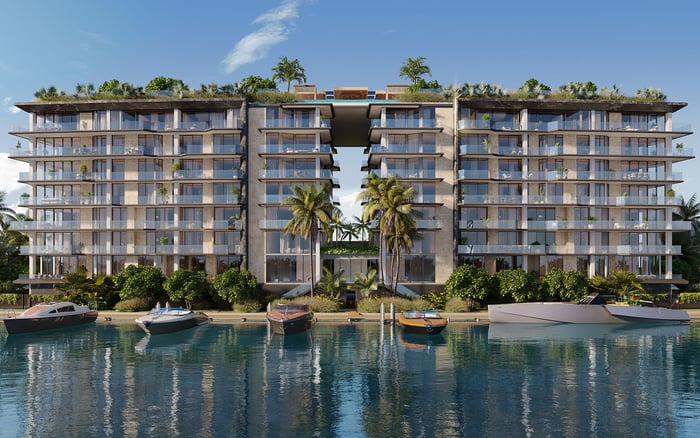
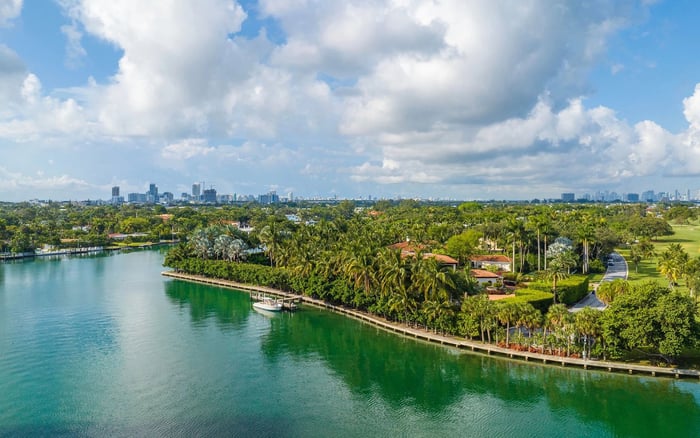
In Bay Harbor Islands, waterfront value depends on more than the view. Buyers should verify dockage rights, vessel fit, route constraints, costs, and transferability before assigning a premium to boating access.
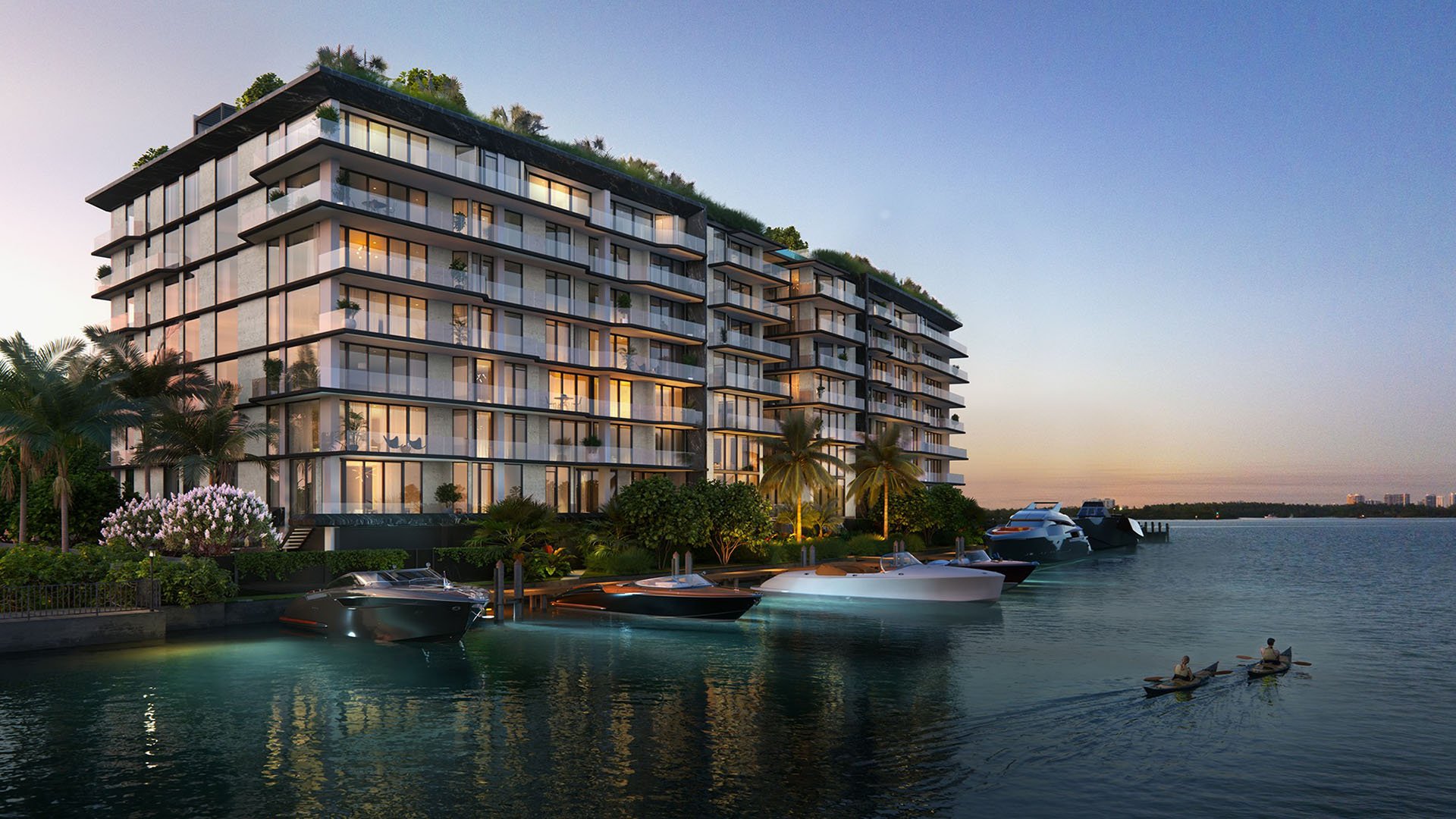
In Bay Harbor Islands, a waterfront position does not by itself establish practical boating access. A residence may overlook the water while dockage rights, vessel compatibility, route conditions, or transfer rules remain uncertain.
That distinction can affect both day-to-day enjoyment and long-term resale. Buyers should treat every boating feature as a separate diligence item rather than assuming that a view, seawall, dock, or nearby marina guarantees a particular use.
Begin by identifying the legal basis for the dock or slip. Determine whether it is deeded, assigned, licensed, leased, shared, or governed through a condominium or marina arrangement. Ask whether the right transfers with the residence and whether approvals, waiting periods, or other conditions apply.
Review the deed, condominium declaration, dock or slip assignment, marina rules, permits, approved plans, repair records, utility information, insurance responsibilities, maintenance obligations, and recurring charges. The physical configuration should be compared with the available records rather than evaluated by appearance alone.
If any document, approval, or right is unclear, make clarification part of the pre-contract diligence process. Qualified legal, marine, surveying, and insurance professionals can help assess issues within their respective fields.
A useful evaluation goes beyond the apparent length of a dock. Compare the available configuration with the vessel’s length, beam, draft, maximum height above the water, fenders, boarding arrangement, and maneuvering requirements.
Consider the full path between the navigable channel and the berth. Depth at the dock does not necessarily describe depth along the approach, while enough room to tie up does not always mean enough room to turn or depart comfortably.
Utilities also merit review. Verify the location, condition, compatibility, and responsibility for any shore power, water, lighting, or related dock equipment. Do not assume that visible connections have the capacity or approvals required for the intended use.
The berth is only one part of the boating experience. Map each channel, bridge, inlet, and potential restriction between the residence and the buyer’s usual destinations. Confirm current clearances, schedules, operating procedures, and navigational conditions through appropriate official or professional channels during diligence.
Use the vessel’s full height when considering bridge passage, including antennas, towers, radar, outriggers, and other equipment. Model an ordinary outing in both directions, allowing for waiting, maneuvering, changing conditions, and the return journey.
Future infrastructure plans should not be treated as guaranteed improvements. Base the purchase decision on verified current conditions unless binding, documented changes can be evaluated with appropriate professional advice.
Apply the same document-first framework to every property under consideration. A comparison set may include Bay Harbor Towers, Onda Bay Harbor, La Baia North Bay Harbor Islands, and La Maré Bay Harbor Islands.
Project presentation can help identify questions, but it should not replace document review or vessel-specific analysis. For each residence, examine the nature of the boating right, physical suitability, route practicality, costs, operating rules, and transfer conditions.
A consistent comparison worksheet can prevent an attractive view or presentation from overshadowing material differences. Record which items have been verified, which depend on third-party approval, and which remain unresolved.
Resale strength depends in part on how clearly a future buyer can understand and use the boating arrangement. Documented rights, practical access, transparent expenses, and straightforward transfer terms may be easier to evaluate than a setup dependent on informal assurances or highly specialized requirements.
Consider whether the configuration could serve a reasonably broad range of future buyers and vessels. Also assess how maintenance obligations, insurance requirements, association rules, marina procedures, and possible capital work could affect ownership.
The waterfront premium should be considered only after legal rights, physical fit, route functionality, ongoing costs, and transferability have been reviewed independently. A disciplined analysis separates the emotional appeal of the setting from the durable utility of the boating access.
Start with the governing documents and evidence supporting the dockage right. Compare approved records with existing conditions, then test the intended vessel’s complete profile against the berth, approach, and route.
Next, verify current bridge and navigation information, review fees and maintenance responsibilities, and examine all approval or transfer requirements. Resolve inconsistencies before relying on dockage as part of the property’s value.
Finally, consider the perspective of a future purchaser. Clear records and a practical, understandable arrangement can make the boating component easier to assess when the property returns to market.
Does waterfront ownership automatically include dockage? No. The legal right to use a dock or slip should be confirmed through the relevant property and governing documents.
Which dock documents should a buyer request? Request the applicable assignments, permits, approved plans, rules, repair records, utility details, insurance information, and governing documents.
Is seawall frontage enough to determine vessel fit? No. The vessel’s length, beam, draft, height, fenders, approach, and maneuvering needs should also be evaluated.
How should bridge clearance be checked? Compare verified current clearance information with the vessel’s maximum height above the water, including all mounted equipment.
Why do bridge schedules matter? Scheduled or restricted openings can affect departure timing, waiting, route convenience, and the practicality of regular use.
Should future infrastructure changes influence the purchase price? Buyers should avoid relying on uncertain future outcomes and should evaluate the property using verified current conditions.
What expenses can accompany dockage? Potential items include recurring fees, utilities, maintenance, insurance responsibilities, repairs, and other charges disclosed in the governing records.
What makes dockage easier to evaluate at resale? Clear documentation, understandable transfer terms, practical vessel compatibility, transparent costs, and workable access can reduce uncertainty.
Can nearby marina access replace an assigned slip? It should not be assumed to do so because availability, eligibility, vessel limits, approvals, and terms may differ.
What is the best way to shortlist comparable options for touring? Start with location fit, delivery status, and daily lifestyle priorities, then compare stacks and elevations to validate views and privacy.
To compare the best-fit options with clarity, connect with MILLION.
If branded residences are on your mind — as a home or as an allocation — we would be glad to share what we are seeing, privately.
Begin a quiet conversation