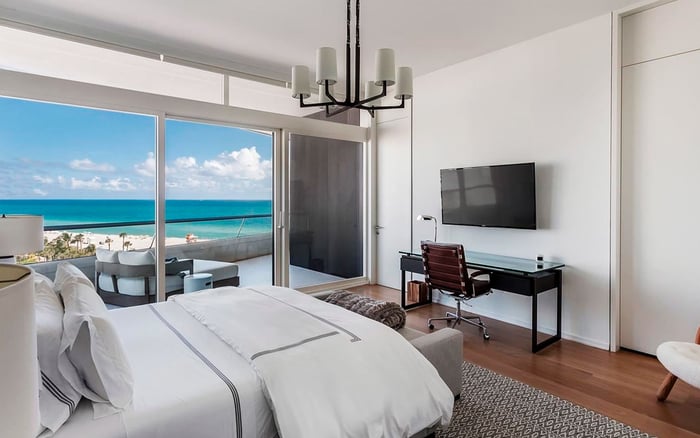
A discreet buyer’s guide to evaluating acoustic calm in Miami and Palm Beach residences, from exterior exposure and glass assemblies to mechanical adjacency, touring strategy, and contract-stage due diligence.
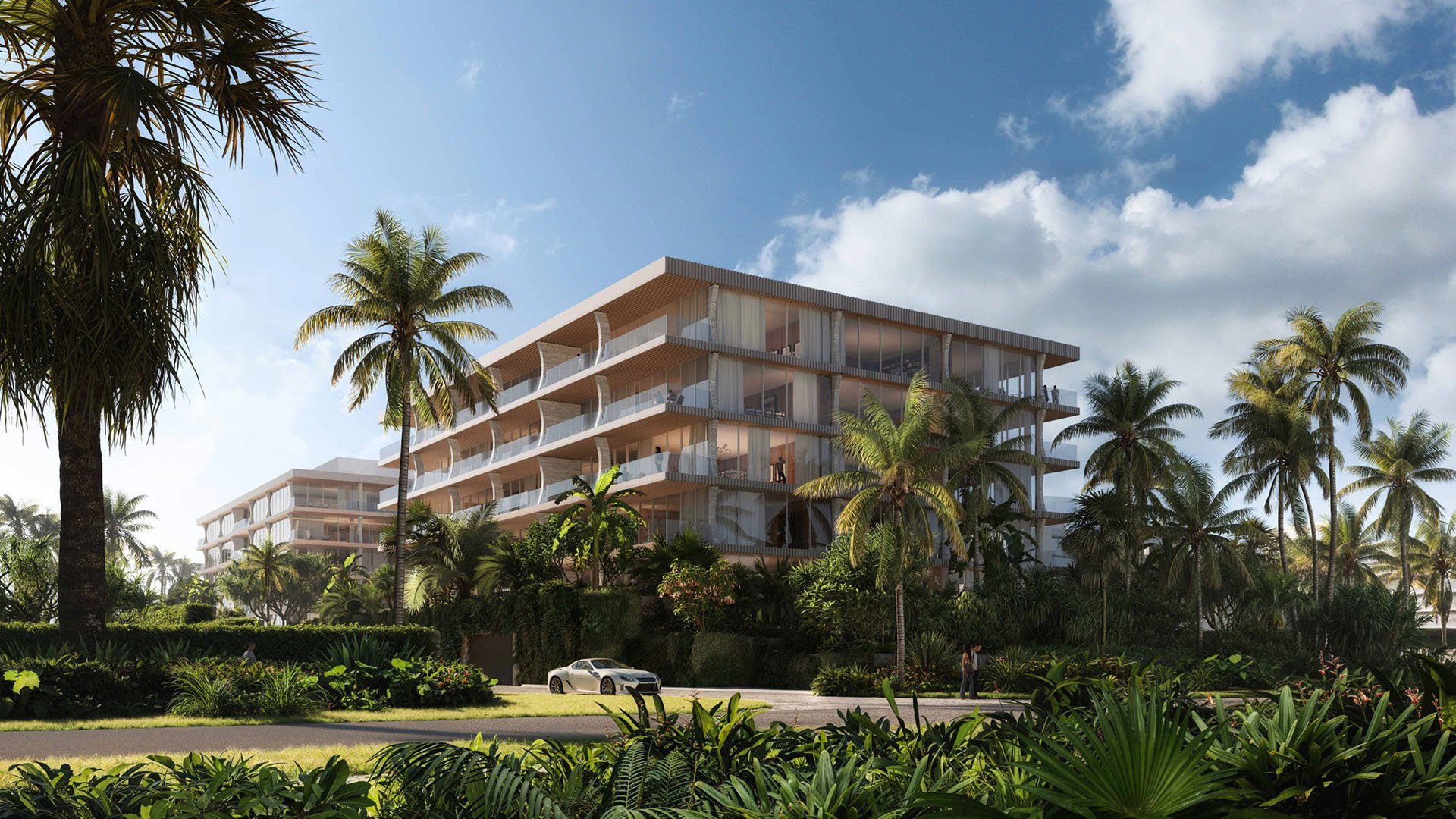
In South Florida’s most desirable residences, silence is rarely absolute. The more valuable question is whether a home feels composed. Acoustic calm is the absence of intrusion: a bedroom that settles at night, a study that supports concentration, a terrace door that closes with confidence, and a primary suite that does not inherit the soundtrack of elevators, amenities, streets, or mechanical systems.
For many buyers, quiet is discovered too late. Views, finishes, ceiling heights, and amenity programs are easy to appreciate during a first showing. Sound demands a slower eye and a more disciplined ear. Buyers comparing Miami Beach, Brickell, Palm Beach, West Palm Beach, oceanfront, and high-floor residences should treat acoustics as core due diligence, not a decorative preference.
Begin before entering the building. Stand outside and listen. Notice traffic rhythm, service access, valet activity, loading areas, fountains, landscape equipment, dock activity, pool decks, and restaurant or club adjacencies. A residence can feel private in plan yet remain acoustically exposed if its principal rooms face a recurring sound source.
Do not assume elevation resolves every concern. High floors may improve visual privacy, yet sound can still travel from roadways, rooftop equipment, amenity terraces, neighboring balconies, or wind moving across facade elements. Conversely, a lower residence may feel calm if its orientation, setbacks, glazing, and room placement are well considered.
For waterfront buyers, listen beyond the view. Water can create a serene visual field, but the acoustic environment may shift by hour, weather, building operation, and surrounding use. A strong showing should include moments of silence, not continuous conversation.
The building envelope is the first line of defense between a refined interior and the city or shoreline around it. Ask specific questions about exterior glass, balcony doors, sliding systems, seals, frames, and operable panels. A beautiful wall of glass is only as convincing as its installation, alignment, and closure.
Pay particular attention to large openings. Expansive doors, terrace access points, and corner glazing can be central to the South Florida lifestyle, yet they also demand careful acoustic performance. Open and close each panel yourself. Listen for rattles, uneven contact, air movement, or any shift in the room’s character when a particular door is shut.
Acoustic performance is not the same as storm performance, privacy, or energy performance. A buyer should not collapse these categories into a single assumption. The most polished residences address them together, but each deserves its own question.
The primary bedroom, secondary bedrooms, office, media room, and main living area should each be evaluated separately. Stand still in every room for at least a minute. Close interior doors. Turn off music and televisions. Ask that unnecessary background noise be minimized during the visit.
Listen near the headboard wall, beside the glass, at the corridor door, and in corners where mechanical or plumbing noise may become more noticeable. If the residence is furnished, remember that rugs, drapery, wall treatments, and upholstered pieces can soften sound. An unfurnished room may sound more reflective, while a staged room may temporarily mask issues.
If possible, visit at different times. Morning, late afternoon, evening, weekday, and weekend conditions can feel distinct. A single tour captures only a fragment of the home’s acoustic personality.
Quiet is shaped not only by what is outside the building, but by what surrounds the residence within it. Study the floor plan carefully. Identify elevator cores, service corridors, trash rooms, stairwells, mechanical rooms, amenity levels, pool decks, fitness spaces, garages, and back-of-house areas.
Ask what is above, below, and beside the residence. The most important acoustic condition may not be visible from the living room. A glamorous floor plan can still require scrutiny if a bedroom wall backs up to a service zone or an amenity deck sits directly above a sleeping area.
Mechanical systems deserve similar attention. Air conditioning, pumps, ventilation, elevator equipment, generators, and building operations can create low, steady sound that becomes more apparent at night. The goal is not suspicion. It is alignment between the residence’s promise and its daily experience.
A sophisticated buyer should bring acoustic questions into the due diligence period. Request available specifications, association rules, renovation guidelines, and building policies that may affect sound transfer or future modifications. If the residence will be renovated, ask the design team to protect acoustic details while selecting flooring, wall finishes, doors, millwork, and ceiling systems.
Flooring is especially important. Hard surfaces can be elegant, but transitions, underlayments, area rugs, and installation assemblies influence how sound behaves within the residence and between residences. Interior doors, pocket doors, and millwork can also affect perceived quiet in bedrooms, offices, and media rooms.
If a home is being purchased for seasonal use, extended family stays, remote work, or entertaining, define the acoustic standard before closing. A pied-à-terre used primarily for weekends may have different requirements than a primary residence where two people work from home every day.
Before making a final decision, organize the review into a disciplined checklist. First, identify external sound sources and test the residence with doors and windows closed. Second, inspect glass, seals, frames, and operable panels. Third, listen in bedrooms, offices, and quiet-use rooms without music or conversation.
Fourth, review vertical adjacency and building operations. Fifth, consider furnishings and planned renovations, since design choices can either support or weaken calm. Sixth, return at a different time if quiet is a central priority. Finally, put the important questions in writing during the contract stage, when the buyer still has the most leverage.
Acoustic calm is not merely technical. It is emotional. It determines how a residence greets you at dawn, how it releases the day at night, and whether luxury feels effortless when the view is no longer the focus.
What is acoustic calm in a luxury residence? It is the sense that a home feels composed, private, and free from intrusive sound during normal daily use.
Should I evaluate sound during a showing? Yes. Ask for quiet moments in key rooms and avoid judging the residence while music or conversation masks background noise.
Which rooms matter most for acoustic review? Bedrooms, offices, media rooms, and main living areas usually deserve the closest attention because they shape daily comfort.
Do higher floors always feel quieter? Not always. Elevation can help in some settings, but sound may still come from wind, equipment, amenities, roads, or neighboring spaces.
What should I ask about windows and doors? Ask about glass assemblies, frames, seals, sliding systems, and whether operable panels close evenly and securely.
Can furnishings change how quiet a residence feels? Yes. Rugs, drapery, upholstery, and wall treatments can soften interior sound, while empty rooms may feel more reflective.
Why do vertical adjacencies matter? Spaces above, below, or beside the residence can influence noise from amenities, service areas, equipment, or circulation.
Is waterfront living automatically quieter? No. A water view may feel serene, but buyers should still listen for boats, service activity, amenity use, and building systems.
When should acoustic questions be raised? Raise them before the due diligence period ends, when documents, policies, and physical observations can still inform the decision.
Can renovation improve acoustic calm? Often, design choices such as flooring assemblies, doors, soft finishes, and room planning can support a quieter interior experience.
For a discreet conversation and a curated building-by-building shortlist, connect with MILLION.
If branded residences are on your mind — as a home or as an allocation — we would be glad to share what we are seeing, privately.
Begin a quiet conversation