A buyer-focused examination of Opus and Arbor Coconut Grove, distinguishing project facts from unverified storm-response performance and outlining the documents to request for inspections, owner absence, and emergency contractor access.
For a Coconut Grove buyer who travels frequently, residential luxury carries a practical expectation: someone can determine what happened at home, communicate clearly, and arrange an appropriate response while the owner is away. That expectation deserves the same scrutiny as architecture, privacy, and finishes. At Opus Coconut Grove and Arbor Coconut Grove, the central question is not whether the projects appeal, but what documentation supports their post-storm arrangements.
Neither project's public materials establish a verified storm-event performance record. That is a limit of the available evidence, not a finding that procedures or contracts are absent. A disciplined purchase file should distinguish three things: the building's documented characteristics, its written operating commitments, and evidence that those commitments have been fulfilled during an actual event.
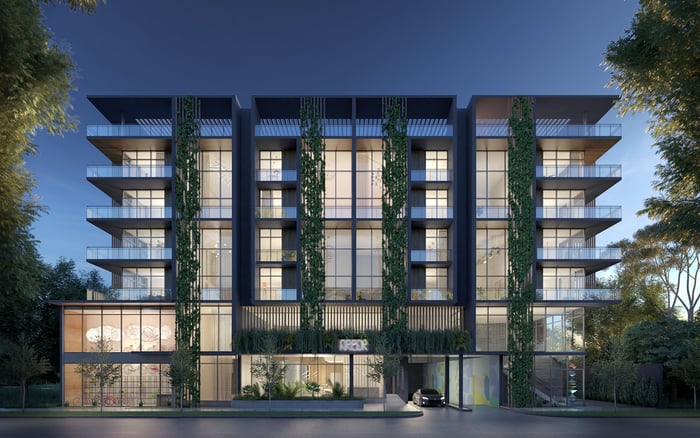
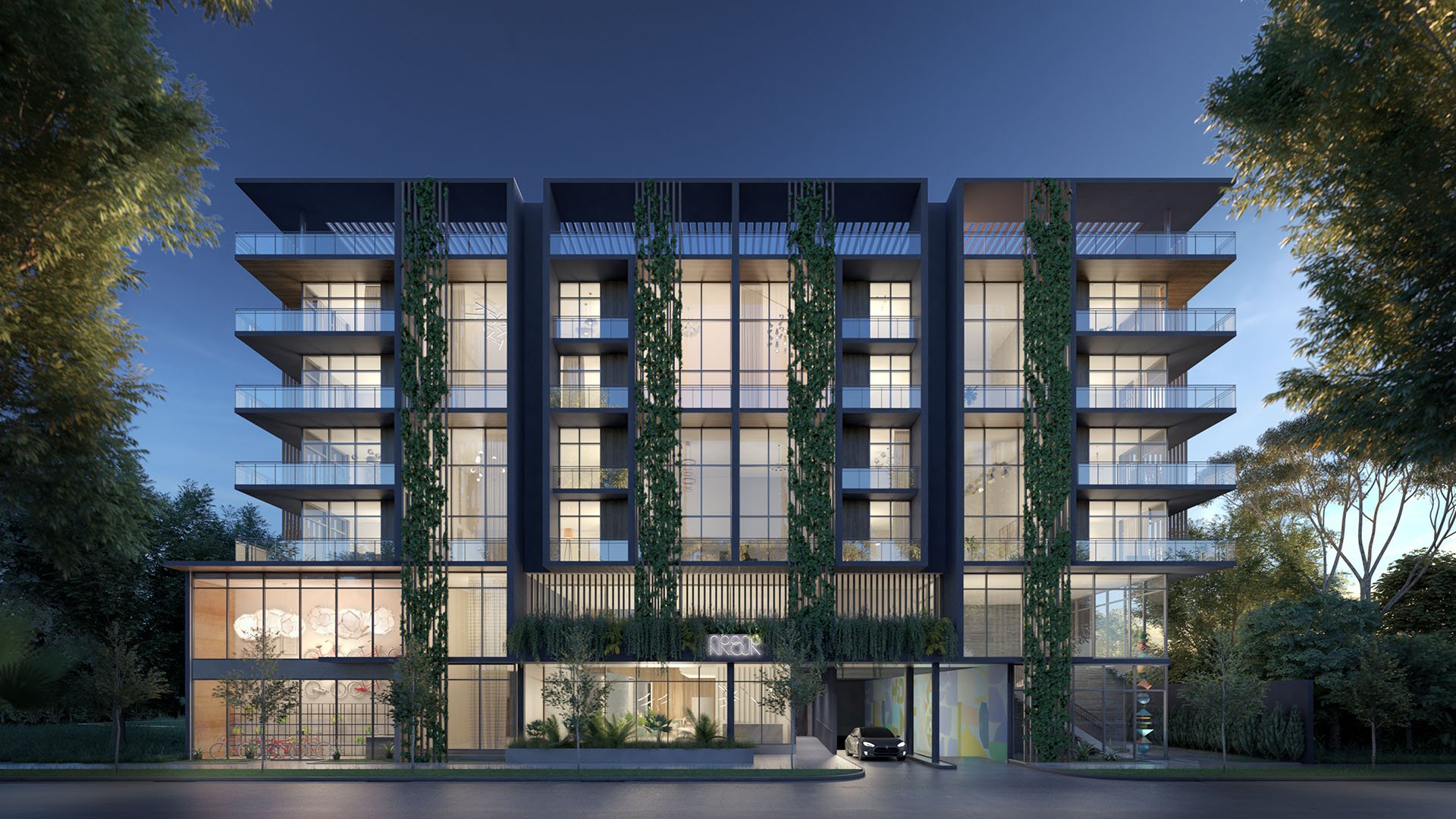
Opus Coconut Grove has an official site address of 3137 SW 27th Avenue, Miami, FL 33133. With Kobi Karp as architect and Meta Development as developer, the project comprises 14 residences across six floors. Its positioning is boutique luxury, not a publicly documented history of hurricane response.
The distinction matters. A small residence count does not establish dedicated emergency staffing, immediate unit access, or priority contractor service. Buyers should ask who holds operating responsibility at the relevant stage of ownership and which obligations are documented rather than anticipated.
Publicly available building materials do not establish generator capacity, fuel duration, elevator backup, pump redundancy, or a post-storm inspection timetable. These items belong in the technical request package. Ask for specifications identifying what backup power serves and what remains unavailable during an outage, along with maintenance responsibilities and applicable operating limitations.
The file should also include requests for written owner-absence procedures, emergency staffing arrangements, and any existing storm-response logs or vendor-mobilization records. Until those records are supplied, these remain open diligence questions-not confirmed services or deficiencies.
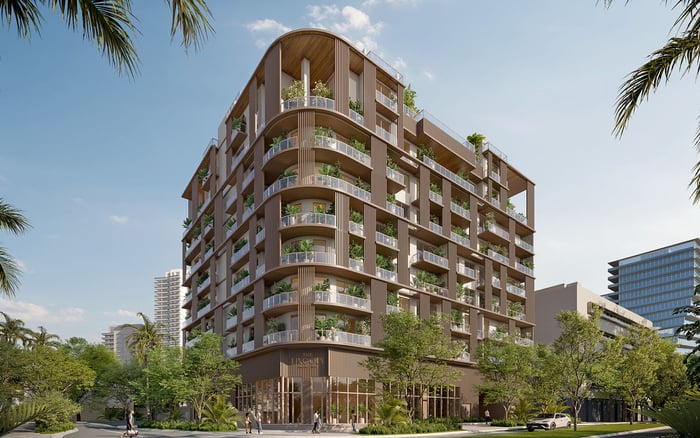
Arbor Coconut Grove is a separate condominium project at 3034 Oak Avenue, Miami, FL 33133. Its construction history includes work resuming after a prolonged delay. The earlier completion target of 2024 should not be read as proof that completion or occupancy occurred that year.
Temporary occupancy approval, resident move-ins during spring 2026, and a subsequent grand opening remain subject to confirmation against official certificate and association records. Buyers should distinguish projected completion, temporary occupancy approval, final certification, and actual move-ins. A celebratory milestone does not resolve the underlying certification chronology.
Final construction inspections do not establish that inspections took place following a named hurricane or tropical storm. Construction sign-offs and post-event condition checks answer different questions. For this buyer file, request both where applicable, but do not let one stand in for the other.
Arbor's public materials also do not verify prearranged emergency contracts for water extraction, generator service, elevator repair, roof inspection, glass replacement, or mold remediation. The next step is to request current agreements, not assume that such arrangements do not exist.
A useful hurricane-response plan should clearly define its trigger. Ask when the first inspection is due after safe access becomes possible, who determines that condition, and who is responsible for starting the inspection. An assurance of prompt attention is less useful than a written deadline with defined dependencies.
Request the inspection sequence as well. How are common areas, building systems, and individual residences prioritized? Who can assess suspected water intrusion, and who decides when a specialist is needed? The objective is to understand the chain of responsibility without presuming that every residence can be inspected simultaneously.
Where actual storm records exist, request dated photographs, moisture readings, and work orders tied to the event. The documentation should distinguish observations, temporary measures, and completed repairs. It should also identify unresolved items and the person responsible for seeing them through to closure.
These are buyer requests for both projects. No specific inspection deadline or documented post-storm sequence is established here for either building.
For an owner away from Miami, entry authorization deserves particular attention. Request the written procedure governing emergency unit access, including authorized personnel, key custody, emergency contacts, and the protocol when an owner cannot be reached. Ask how entries are recorded and how the owner is notified afterward.
Shutoff access and leak-response procedures should be equally clear. The file should explain who is authorized to act, what requires separate owner consent, and how damage is documented. Ask management to distinguish its responsibilities from those of any separately arranged private property-care service.
Ask for a walkthrough of one scenario: suspected water intrusion while the owner is overseas and temporarily unreachable. Who receives the alert, who can enter, who authorizes mitigation, and who sends the first written update? This tests the proposed procedure; it is not evidence that either project has experienced such an incident.
A contractor's telephone number does not, by itself, establish a response commitment. Request current service agreements specifying the covered work, after-hours contacts, response terms, backup contractors, and provisions for region-wide storm demand. Clarify whether any stated timing refers to acknowledgment, dispatch, arrival, or the start of work.
For each relevant trade, ask who may authorize a callout and whether spending approval could delay action when an owner is absent. Request the escalation route if the primary contractor is unavailable. Where historical records exist, compare the contractual commitment with actual dispatch and work-order timing.
Buyers also considering Park Grove Coconut Grove can apply the same document requests without assuming equivalent staffing, equipment, or vendor access. A consistent diligence framework supports comparison; it does not establish equivalent performance.
Before treating storm readiness as a purchase advantage, assemble four document groups: applicable certification records, the hurricane-response plan, owner-absence authorization procedures, and current emergency service agreements. Keep technical specifications alongside these materials, especially where backup systems remain unconfirmed.
For Opus and Arbor, the defensible conclusion is measured: project identity and selected development particulars are established, while storm-event performance and several operating arrangements remain unverified in public materials. Written commitments clarify expectations; event records, where available, show execution. The purchase decision should preserve that distinction.
For a considered approach to Coconut Grove ownership, explore MILLION.
If branded residences are on your mind — as a home or as an allocation — we would be glad to share what we are seeing, privately.
Begin a quiet conversationTheir public materials do not establish verified storm-event performance. That does not mean procedures or contracts are absent.
Opus's official site address is 3137 SW 27th Avenue, Miami, FL 33133.
Project particulars identify 14 residences across six floors, with Kobi Karp as architect and Meta Development as developer.
Public building materials do not establish generator capacity, fuel duration, elevator backup, or pump redundancy. Buyers should request technical specifications and operating limitations.
Arbor is a separate condominium project at 3034 Oak Avenue, Miami, FL 33133.
No. The announced completion date does not establish actual completion or occupancy, and subsequent reported milestones require confirmation against official certificate and association records.
No. The described inspections concern construction, not verified condition checks after a named hurricane or tropical storm.
Request the hurricane-response plan, the first-inspection deadline after safe access, and the inspection sequence. Where storm-event records exist, seek dated photographs, moisture readings, and work orders.
It should address unit-entry authorization, emergency contacts, key custody, shutoff access, leak response, and damage documentation. Ask what happens when the owner cannot be reached.
Request current agreements defining response commitments, after-hours contacts, backup contractors, and provisions for region-wide storm demand. Distinguish acknowledgment or dispatch timing from arrival and actual work.