A refined residence deserves equally careful contract review. For Coconut Grove buyers, understanding arbitration, exclusive forums, statutory procedures, and the economics of enforcement is an essential part of evaluating a condominium purchase.
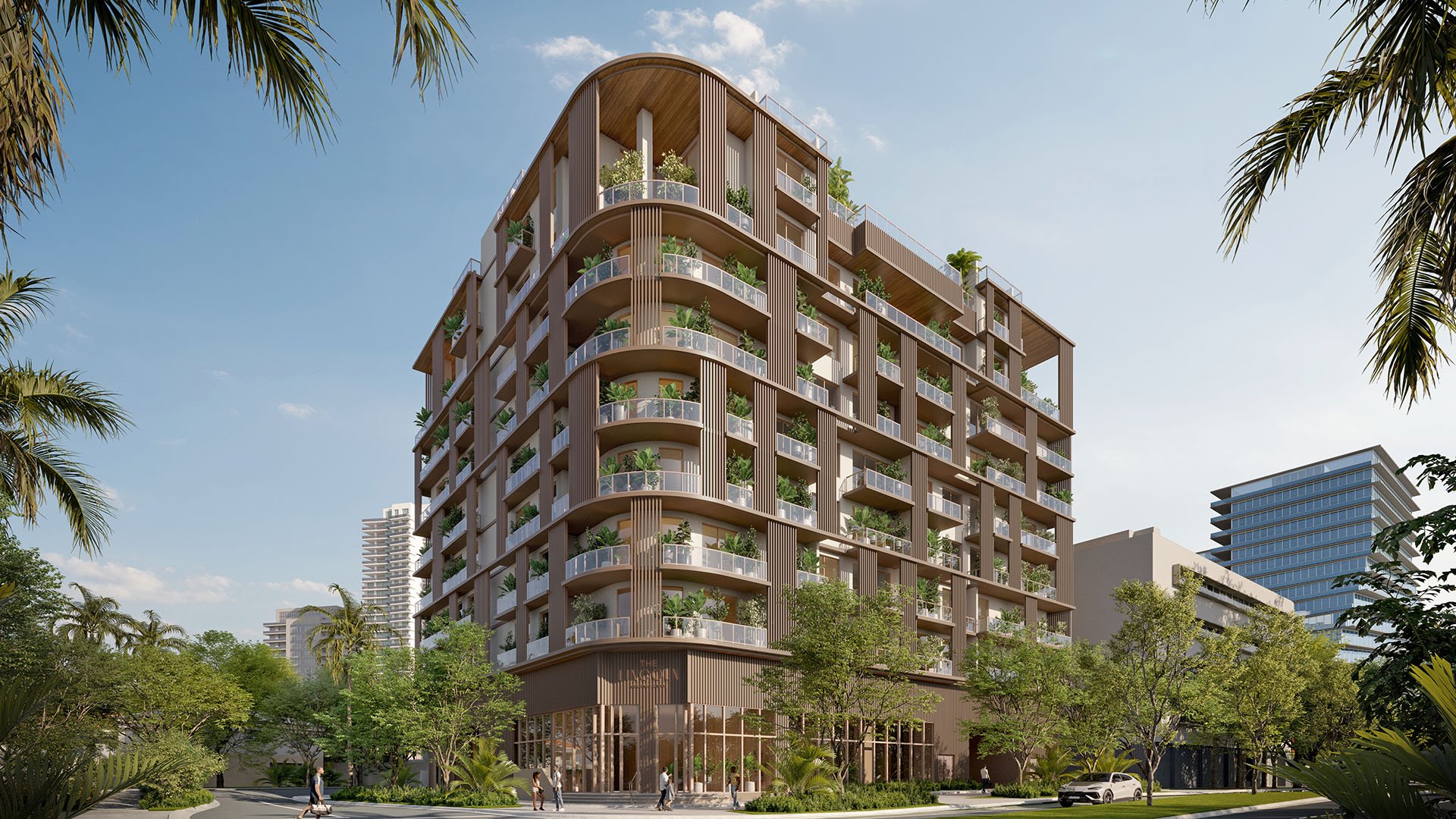
The appeal of a Coconut Grove condominium may begin with architecture, privacy, and the proportions of a residence. The purchase decision should also account for a less visible consideration: what happens if the buyer must enforce a contractual right. A dispute-resolution clause deserves the same deliberate attention as the commercial terms it helps enforce.
For a buyer considering Arbor Coconut Grove, the task is to review the actual agreement with independent counsel-not infer its protections from the residential offering. The same discipline applies throughout the neighborhood. Project references here provide shopping context, not representations about any building's contract terms.
The central question is not simply whether arbitration appears in the paperwork. It is whether the available process makes a remedy practical to pursue.
Ask counsel to identify six elements: governing law, court venue, arbitration location, administrator, applicable rules, and the claims covered by each provision. These elements may appear together in a contract, but they answer different questions.
Governing law identifies the law designated to govern the agreement. A forum-selection clause identifies the court or location designated for covered proceedings. An arbitration provision addresses the submission of covered disputes to arbitration. Choosing Florida law does not, by itself, establish where a hearing must occur.
Contract language can combine Florida governing law with a requirement that mediation, arbitration, or litigation occur in the county where the property is located. Treat this as a possible structure to verify, not an assumed feature of a Coconut Grove purchase.
Request a written outline showing which provision applies to each plausible dispute, including a purchase-contract disagreement, delay claim, or construction issue. The clause's scope matters as much as its heading.
The distinction between mandatory and permissive wording matters. A mandatory forum-selection clause confines covered proceedings to the designated forum. A permissive clause allows proceedings there without necessarily excluding other appropriate forums.
The decisive question is exclusivity. Consent to jurisdiction in a location is not necessarily a promise to bring every covered proceeding there. Have counsel examine the complete provision rather than rely on a single familiar word.
Ask counsel to assess enforceability under applicable law, including any available defenses and the consequences of filing elsewhere. An inconvenient forum is a concern to address before signing, rather than something to assume can be avoided later.
When comparing Opus Coconut Grove with other residences, review the designated forum alongside the commercial terms. The property's local address is no substitute for reading the contractual location requirement.
An agreement to arbitrate is only the beginning of the analysis. Verify whether mediation must occur first, how arbitration is initiated, which administrator handles it, and which rules apply. Then confirm the arbitrator-selection process and required location.
Ask counsel to explain how notices must be delivered, which deadlines apply, and what happens if the parties cannot agree on an arbitrator. Confirm whether the agreement calls for binding arbitration after mediation and review any jury-trial waiver separately, including how it interacts with the arbitration provision.
For a purchaser evaluating The Lincoln Coconut Grove, ask for a plain-language procedural outline. It should identify the required first step, the next decision-maker, and the obligations that must be met before the merits are reached.
Condominium ownership introduces another layer: statutory dispute procedures. Ask counsel whether a particular association dispute requires nonbinding arbitration or presuit mediation before court litigation, and which current requirements apply.
Do not assume there is a universal route for every disagreement involving a condominium. Have counsel check the treatment of election and recall disputes separately. Nor should a buyer assume that association-dispute procedures govern buyer-developer purchase, delay, or construction claims.
Have counsel classify the actual dispute before selecting a process. Contractual binding arbitration and statutory nonbinding arbitration are not interchangeable. Counsel should verify the applicable law when advising on a purchase or claim.
Regulatory review of purchase language is no substitute for independent legal review. The buyer still needs advice on the agreement's scope and practical consequences.
Do not assume arbitration is cheaper than litigation. Request a budget for a plausible claim, divided into stages: preliminary review and notice, mediation if required, arbitration or litigation, and any enforcement proceedings.
The estimate should separately address filing and administrative charges, arbitrator compensation, attorneys, discovery, experts, travel, and enforcement. Ask which costs must be advanced, by whom, and when. No fixed dollar estimate is appropriate without the applicable rules, current charges, and anticipated work.
Then examine recovery. Does the agreement provide for prevailing-party attorney's fees? Are damages limited? Do claim deadlines or restrictions on class proceedings or consolidation affect the practical route forward? Keep potential reimbursement separate from the cash required to pursue the matter.
If the cost of an individual claim could exceed its value, ask counsel how that affects the available options. Do not assume expense alone releases a buyer from the agreed process.
For a buyer considering Ziggurat Coconut Grove, this is another dimension of purchase diligence, not an assessment of that project's terms. Compare realistic recovery with likely expense and duration, including the possibility of an unfavorable outcome.
Before signing, ask counsel for a concise summary of the covered claims, required process, exclusive forum if any, applicable deadlines, upfront cost allocation, and potential fee recovery. Turn each uncertainty into a specific question rather than an assumption.
A sound evaluation does not demand a contract without dispute provisions. It demands a clear understanding of what those provisions require and whether pursuing the available remedy remains economically sensible. This is a buyer's review framework, not legal advice for a particular transaction.
For a considered perspective on Coconut Grove residences and the decisions surrounding a purchase, explore MILLION.
If branded residences are on your mind — as a home or as an allocation — we would be glad to share what we are seeing, privately.
Begin a quiet conversationIt identifies the court or location designated for resolving covered disputes. Review it separately from the agreement to arbitrate.
A mandatory clause confines covered proceedings to the designated forum. A permissive clause allows proceedings there without necessarily excluding other appropriate forums.
Governing law and hearing location are separate questions. Counsel should verify court venue and arbitration location in the actual agreement.
Ask counsel to review the wording under applicable law, including available defenses and the consequences of filing elsewhere. Do not assume an inconvenient forum can be avoided later.
Check covered claims, notice requirements, deadlines, any mediation prerequisite, the administrator, applicable rules, arbitrator selection, and hearing location.
Have counsel examine the waiver separately and explain how it interacts with the arbitration provision. Do not infer its effect from the heading alone.
Do not assume they govern buyer–developer purchase, delay, or construction claims. Counsel should classify the dispute and verify current requirements, including separate treatment for election and recall matters.
No. Compare likely recovery with administrative charges, arbitrator compensation, attorneys, discovery, experts, travel, and enforcement costs.
They may affect the practical economics of pursuing a claim. Ask counsel how those restrictions affect the available options if an individual claim could cost more than its value.
The article does not attribute any sample clause to a named project. Buyers should have independent counsel review the actual agreement for the residence they are considering.