A buyer-focused look at how adjacent development risk can influence value, privacy, views, and long-term confidence at The Bristol Palm Beach.
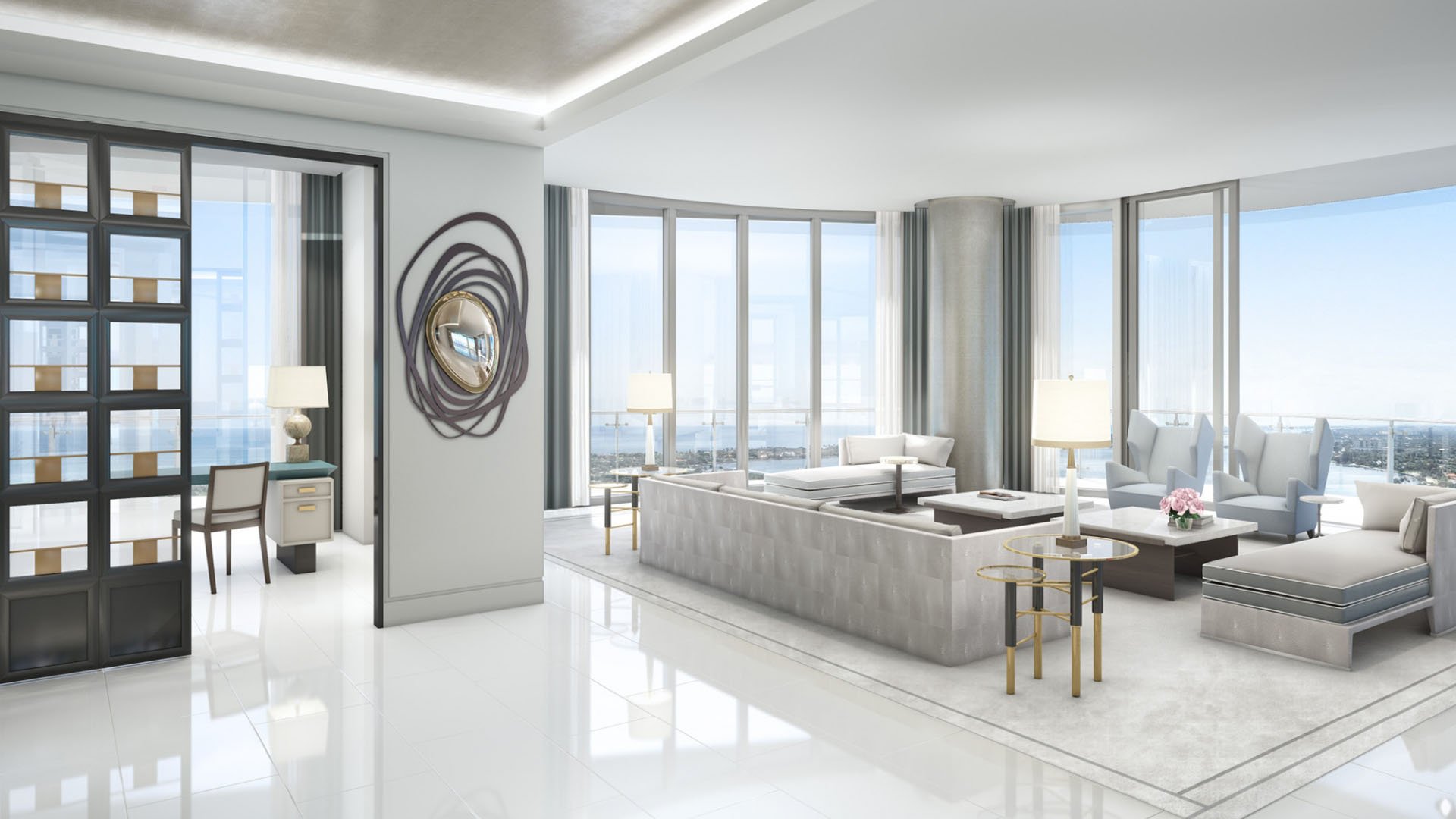
The Bristol Palm Beach sits in one of South Florida’s most discerning luxury conversations, where buyers often evaluate a residence not only by its interiors, services, and arrival experience, but also by the setting around it. When a purchase depends on light, views, privacy, and confidence, the neighboring environment becomes part of the decision.
The central question is not simply whether a residence feels impressive during a showing. It is whether the surrounding context supports the lifestyle and value assumptions behind the purchase. In waterfront and near-waterfront South Florida condominium markets, adjacent construction or future redevelopment can change how a buyer thinks about exposure, timing, and long-term ownership.
This article is not a prediction about any specific neighboring project. It is a practical framework for evaluating construction-neighbor risk before committing to a residence at this level.
Luxury buyers often assign meaningful value to openness, quiet, arrival sequence, terrace usability, and visual separation from neighboring buildings. When those qualities are central to the purchase, nearby construction can matter even if it is temporary.
Construction-neighbor risk can include noise, dust, lighting, traffic changes, construction staging, vibration, altered access, and the psychological effect of living next to an active site. It can also include longer-term questions about how a completed neighboring structure may affect views, privacy, shade, and resale perception.
For some buyers, temporary inconvenience may be acceptable if the residence, floor plan, exposure, and long-term setting remain compelling. For others, even a limited disruption may conflict with the reason they are choosing a full-service luxury residence in the first place.
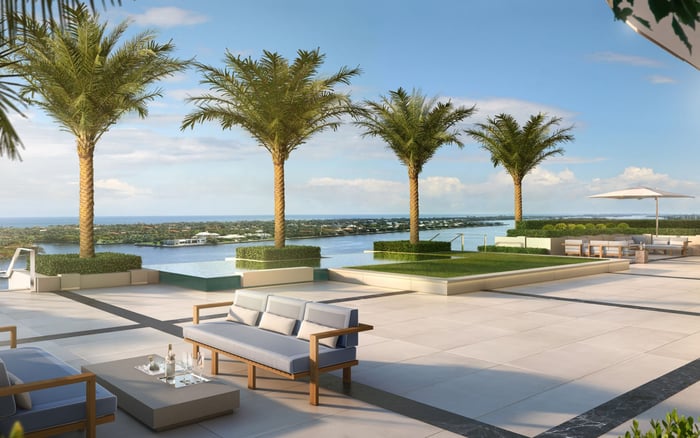
South Florida luxury buyers understand that prime corridors evolve. Waterfront and high-demand urban settings are attractive precisely because they combine scarcity, convenience, and lifestyle energy. That same desirability can encourage new development, renovations, infrastructure work, and changing streetscape conditions.
The Bristol Palm Beach should therefore be evaluated as both a residence and a setting. A buyer may love the interior scale and the service environment, but the surrounding parcels, traffic patterns, and future construction possibilities still deserve attention.
The key is not to assume that change is negative. The key is to understand what type of change is possible, how visible it may be from the residence, how long disruption could last, and whether the buyer’s time horizon makes that risk acceptable.
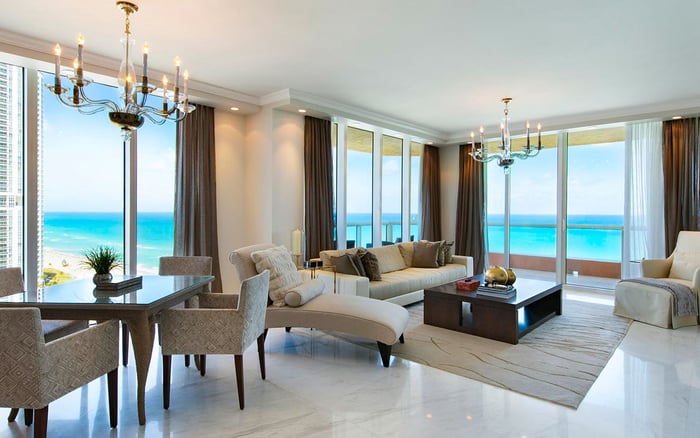
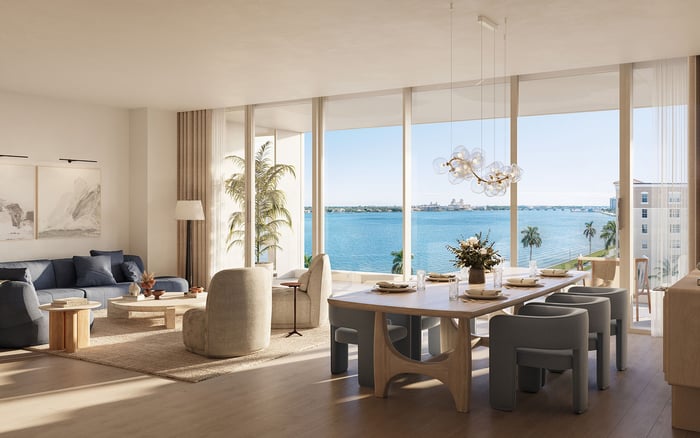
When a residence is chosen for broad outlooks and natural light, view corridors become part of the asset thesis. A buyer should evaluate views from the rooms and terraces that matter most, not only from a general impression during a tour.
A small shift in angle can change how a view feels from a living room, dining area, bedroom, or terrace. A higher elevation may improve certain sightlines, but it may not eliminate every form of exposure to construction activity, lighting, traffic, or future building mass nearby.
The right question is not whether a view is attractive today. The better question is how durable that view feels after considering adjacent parcels, likely construction logistics, and the buyer’s own tolerance for change.
The most important work is often unglamorous. Buyers should review zoning, pending permits, city planning materials, parcel ownership, easements, access points, and possible staging areas around nearby sites. The goal is not to remove all uncertainty. The goal is to identify and price uncertainty before it becomes a post-closing surprise.
A careful review should ask practical questions. What could be built nearby under existing rules? Are there visible signs of future work on adjacent or nearby parcels? Could construction affect the building entrance, guest arrival, valet flow, terrace use, or daily quiet? Would a disruption matter more during the buyer’s expected months of occupancy?
Buyers should also separate temporary inconvenience from permanent change. A noisy period of construction is different from a lasting alteration to view, privacy, or light. Both can matter, but they should be weighed differently.
Construction-neighbor risk does not automatically make a residence less desirable. It can simply change the strategy. A buyer may decide to favor a different exposure, prioritize a higher floor, negotiate more carefully, extend diligence, or choose a residence whose value is less dependent on a single view corridor.
Temperament matters. A buyer seeking immediate serenity may have less tolerance for nearby work. A buyer focused on long-term positioning may accept short-term disruption if the residence otherwise meets the ownership brief. A frequent host may care deeply about arrival and terrace usability, while a seasonal owner may focus on whether potential disruption overlaps with their personal use.
The best decision is not necessarily the one with the least theoretical risk. It is the one where the buyer understands the risk, has weighed it against the residence’s strengths, and remains confident in the lifestyle outcome.
Before moving forward, buyers should ask how much of the residence’s value depends on a specific view, how sensitive they are to construction noise, and whether their ownership timeline can absorb possible disruption. They should also consider whether future neighboring change would affect daily enjoyment or mainly short-term perception.
Walking the area at different times of day can help. Morning traffic, afternoon light, evening noise, and weekend activity can create very different impressions. A terrace that feels serene at one hour may feel different at another.
The most refined approach is comparative. Instead of asking whether construction-neighbor risk exists, ask which residence best balances exposure, privacy, light, service, scale, and resale confidence.
The Bristol Palm Beach remains compelling for buyers who want a polished South Florida luxury condominium experience with strong emphasis on setting, service, and residential scale. Those same qualities make diligence especially important.
When views, terraces, and quiet exclusivity are central to value, the neighboring environment matters. Construction-neighbor risk is not a reason to hesitate by default. It is a reason to buy with sharper eyes.
For the right buyer, the answer may still be yes. The difference is that the yes should come after understanding the corridor, the exposure, and the buyer’s own tolerance for uncertainty.
What is construction-neighbor risk? It is the possibility that nearby construction or infrastructure work could affect views, noise, traffic, access, privacy, or perceived exclusivity.
Why is this especially relevant at The Bristol Palm Beach? The Bristol Palm Beach is evaluated by luxury buyers through the lens of setting, privacy, views, service, and long-term confidence.
Does construction-neighbor risk mean a buyer should avoid The Bristol Palm Beach? No. It means the buyer should understand surrounding conditions, possible future work, and personal tolerance before deciding.
Are higher floors always better for reducing risk? Not always. Higher floors may improve certain outlooks, but they do not remove every concern related to noise, traffic, staging, or future change.
What should buyers review before contract? Buyers should review zoning, pending permits, planning materials, parcel context, access routes, and likely construction logistics around nearby sites.
Can temporary construction affect the ownership experience? Yes. Temporary work can affect noise levels, arrival, terrace use, traffic flow, and the feeling of privacy during the disruption period.
Can future neighboring development affect resale confidence? It can influence buyer perception, negotiation leverage, and timing, especially when a residence is valued for openness and serenity.
How should buyers think about view corridors? They should study views from the actual rooms and terraces they will use most, rather than relying on a general impression of the setting.
Is construction-neighbor risk always negative? No. Some buyers may accept temporary disruption if the residence still fits their long-term lifestyle, exposure, and value goals.
What is the best way to shortlist comparable options for touring? Start with location fit, delivery status, and daily lifestyle priorities, then compare stacks and elevations to validate views and privacy.
For a confidential assessment and a building-by-building shortlist, connect with MILLION.
If branded residences are on your mind — as a home or as an allocation — we would be glad to share what we are seeing, privately.
Begin a quiet conversation