A discreet due-diligence guide for seasonal buyers evaluating terrace kitchens at The Bristol Palm Beach, with attention to association approvals, appliance questions, durability, hurricane preparation, and pre-closing review.
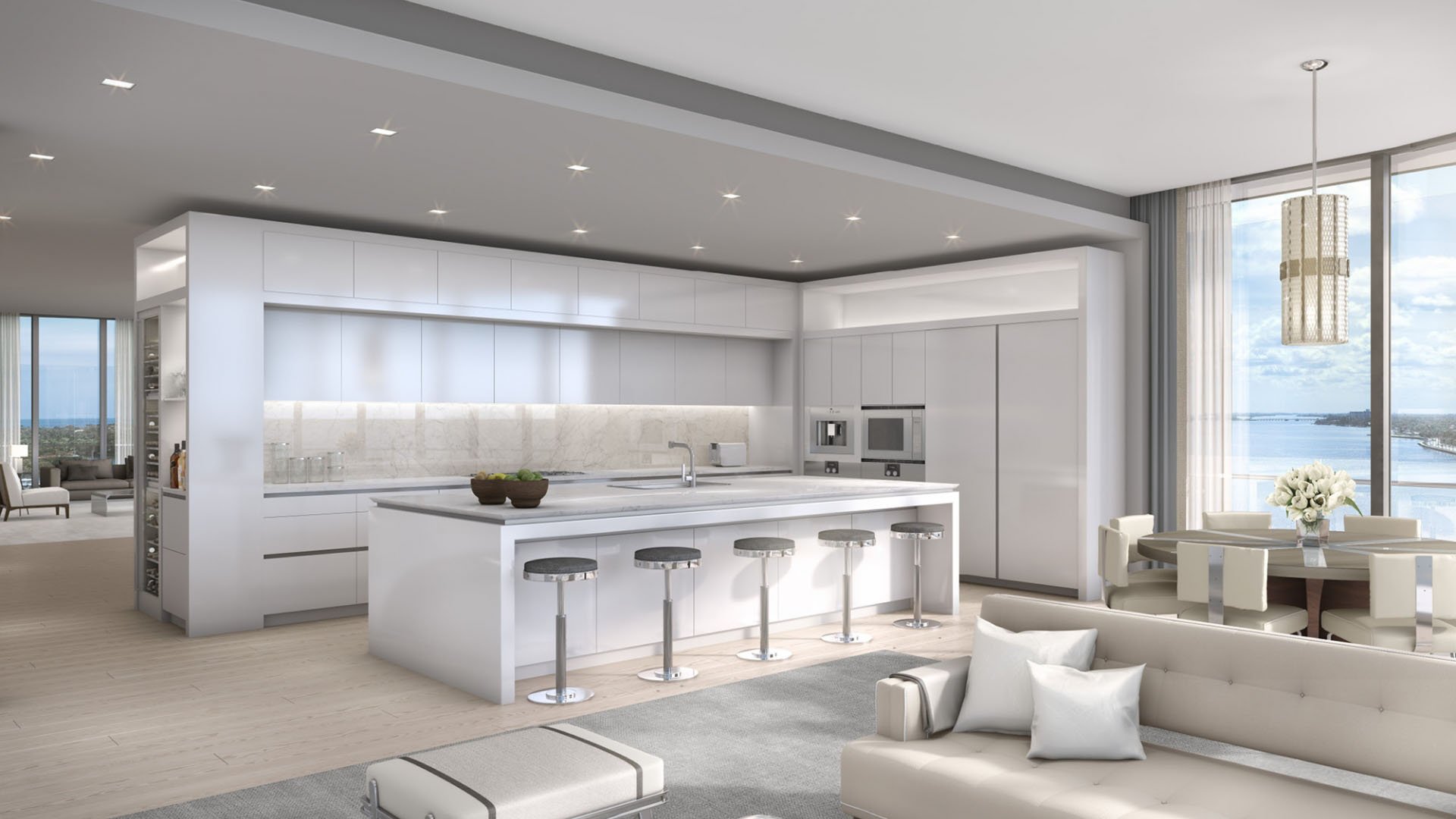
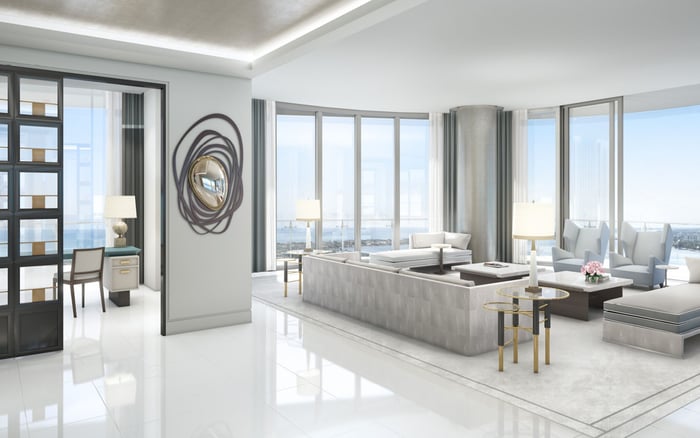
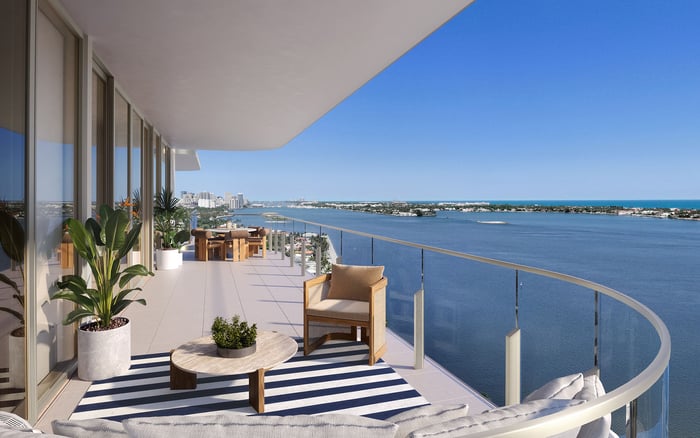
The Bristol Palm Beach occupies one of South Florida’s most coveted residential settings: a luxury waterfront condominium in West Palm Beach, positioned along the Intracoastal Waterway and oriented toward Palm Beach Island. For seasonal buyers, that geography is more than scenic. It shapes how a residence is lived in, especially during the winter months, when outdoor dining, evening cocktails, and family gatherings often move naturally to the terrace.
At The Bristol, private outdoor living is central to the appeal. Terraces function less like afterthoughts and more like extensions of interior living and dining rooms. That is precisely why an outdoor kitchen deserves careful attention before a buyer commits. A terrace grill, refrigerator, sink, or built-in service counter may sound straightforward, but in a luxury condominium tower, those improvements can sit at the intersection of association control, building systems, safety rules, insurance, maintenance, and storm preparation.
For MILLION readers evaluating a second-home purchase, the correct posture is not assumption. It is verification. The relevant question is not whether outdoor kitchens suit the lifestyle. They often do. The question is what is permitted, installed, approved, maintainable, and transferable for the exact residence under consideration.
Outdoor-kitchen planning at The Bristol should be evaluated unit by unit because terrace size and configuration can vary across residences. Larger homes may offer broader terrace layouts suited to more elaborate entertaining zones, while smaller residences may accommodate only limited setups. Even among residences with substantial outdoor space, the practical possibilities may differ based on layout, clearances, utility access, exposure, and association requirements.
This is especially important for buyers accustomed to single-family estates in Palm Beach or other private-home settings. A condominium terrace is not the same as a backyard. In a tower environment, the association often has authority over exterior elements, aesthetic consistency, alterations, penetrations, attachments, and uses that may affect neighbors or common property.
That means two residences in the same building may not present the same answer. One may already have an approved installation, another may have a portable arrangement, and another may require review before any meaningful improvement is contemplated. The buyer should ask what exists today, how it was approved, whether it complies with current rules, and whether it can remain after closing.
The features most likely to raise approval questions are the same features that make an outdoor kitchen feel complete: cooking equipment, refrigeration, plumbing, cabinetry, venting, electrical service, and gas connections. Each deserves separate review.
Cooking equipment may implicate fire safety, smoke, heat, fuel type, and proximity to building elements. Refrigeration may be simpler in concept, but it still raises electrical, drainage, weatherproofing, and maintenance concerns. Plumbing can be more complex because it may involve supply lines, drainage, waterproofing, and responsibility for leaks. Cabinetry must be durable enough for the exterior environment while meeting any aesthetic standards set for visible terrace improvements.
Venting, electrical service, and gas connections can be even more sensitive. Buyers should not assume that because a terrace has space, it also has the infrastructure for a permanent outdoor kitchen. Nor should they assume that an appliance shown in a listing presentation is automatically approved for future use. The central due-diligence task is to separate lifestyle staging from documented permission.
Before contract deadlines pass, ask for the condominium association’s current alteration rules, terrace-use rules, and architectural-review procedures. A sophisticated purchase review should also confirm whether any existing appliances or built-ins were approved in writing, whether permits were required, and whether those approvals transfer with the residence.
Seasonal buyers use homes differently from full-time residents. A terrace kitchen may be central during winter, then sit unused through extended summer absences. That ownership pattern makes maintenance and storm planning especially important.
The Bristol’s waterfront setting increases exposure to sun, rain, humidity, wind, and salt-air conditions. Durable exterior materials are not a luxury flourish in this context. They are part of the long-term ownership equation. Hardware, appliance finishes, cabinetry, seals, electrical components, covers, and anchoring details all need to be suitable for a coastal environment.
Buyers should confirm whether installed outdoor appliances must be secured, disconnected, covered, or removed before hurricane season or extended absences. The question is not only what looks elegant in January. It is what remains safe, compliant, and protected in August.
For a West Palm Beach seasonal owner, this can also affect staffing and property management. If the residence will be vacant for long stretches, someone may need to monitor covers, corrosion, drainage, appliance condition, and storm-readiness protocols. The more elaborate the terrace installation, the more important it becomes to understand who is responsible for routine care and emergency preparation.
The most practical approach is to make terrace improvements a pre-closing checklist item, not a post-closing surprise. If outdoor entertaining is central to the intended lifestyle, the buyer’s team should review the outdoor space with the same seriousness applied to interior finishes, building financials, and insurance.
A strong checklist begins with existing permits and association approvals. If a grill, sink, refrigeration unit, cabinetry system, or other improvement is already in place, the buyer should request documentation showing how it was authorized. If the seller represents that an outdoor kitchen is permitted, that representation should be supported by written materials rather than informal assurances.
Next, review appliance specifications. Are the appliances rated for exterior use? Are they appropriate for coastal exposure? Are they permanently installed, portable, or removable? Are electrical or plumbing components part of the system? Are there manufacturer maintenance requirements that could affect warranty or insurance questions?
Maintenance obligations should be equally clear. A terrace installation may require more frequent cleaning, inspection, covering, or servicing than an interior appliance package. Insurance implications should also be reviewed, particularly where cooking equipment, gas, electrical service, or water connections are involved. Finally, buyers should ask whether there have been any prior violations tied to terrace improvements. A beautiful setup is less attractive if it carries an unresolved compliance issue.
There is no denying the emotional appeal. A well-conceived terrace can turn a water-view residence into a private dining room above the Intracoastal. It can make the balcony or terrace feel like the true heart of the home during peak season. For buyers who entertain often, the difference between a simple seating area and a fully considered outdoor service zone can be meaningful.
Still, luxury condominium ownership rewards discipline. The best outcomes come when the buyer aligns lifestyle ambition with building rules before purchase. That means avoiding assumptions, requesting current documents, and treating every feature as residence-specific.
The Bristol’s appeal is rooted in waterfront privacy, scale, and indoor-outdoor living. For the right seasonal buyer, a terrace kitchen may enhance that experience. The key is to understand whether the exact residence already supports that use, what approvals exist, what limitations apply, and what responsibilities follow. In a market where outdoor living is often part of the dream, the most refined buyers make sure the dream is properly documented.
Does The Bristol Palm Beach automatically allow outdoor kitchens on every terrace? Buyers should not assume buildingwide uniformity. Terrace use and improvements should be verified for the exact residence under consideration.
Why does terrace size matter for an outdoor kitchen? Terrace size and configuration can vary by residence, which may affect how much outdoor entertaining infrastructure is practical or approvable.
What outdoor-kitchen features usually require closer review? Cooking equipment, refrigeration, plumbing, cabinetry, venting, electrical service, and gas connections commonly raise approval questions.
Should buyers review association rules before making an offer? They should request current alteration rules, terrace-use rules, and architectural-review procedures during the due-diligence period.
Can a buyer rely on a seller’s statement that a terrace kitchen is permitted? Written approvals, permits, appliance details, and association records are stronger than informal representations.
Why is hurricane preparation important for terrace kitchens? Seasonal owners should confirm whether appliances must be secured, disconnected, covered, or removed before storms or extended absences.
Do waterfront conditions affect appliance selection? Yes. Sun, rain, humidity, wind, and salt air make durable exterior-rated materials especially important.
Are condominium terraces the same as single-family outdoor spaces? No. Luxury condominium terraces are often subject to association control and may not be modified as freely as private yards.
What should a pre-closing checklist include? It should include permits, association approvals, appliance specifications, maintenance duties, insurance implications, and prior violations.
Is an outdoor kitchen still worth pursuing for a seasonal buyer? It can be, especially if outdoor entertaining is central to the lifestyle, but only after the rules and responsibilities are clearly confirmed.
To compare the best-fit options with clarity, connect with MILLION.
If branded residences are on your mind — as a home or as an allocation — we would be glad to share what we are seeing, privately.
Begin a quiet conversation