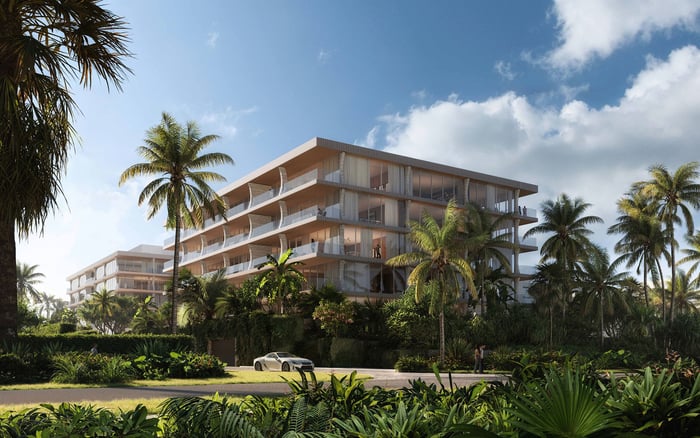
A discreet buyer’s guide to evaluating grocery and pharmacy access at The Bristol Palm Beach before contract, with attention to daily convenience, seasonality, storm planning, and long-term lifestyle fit.
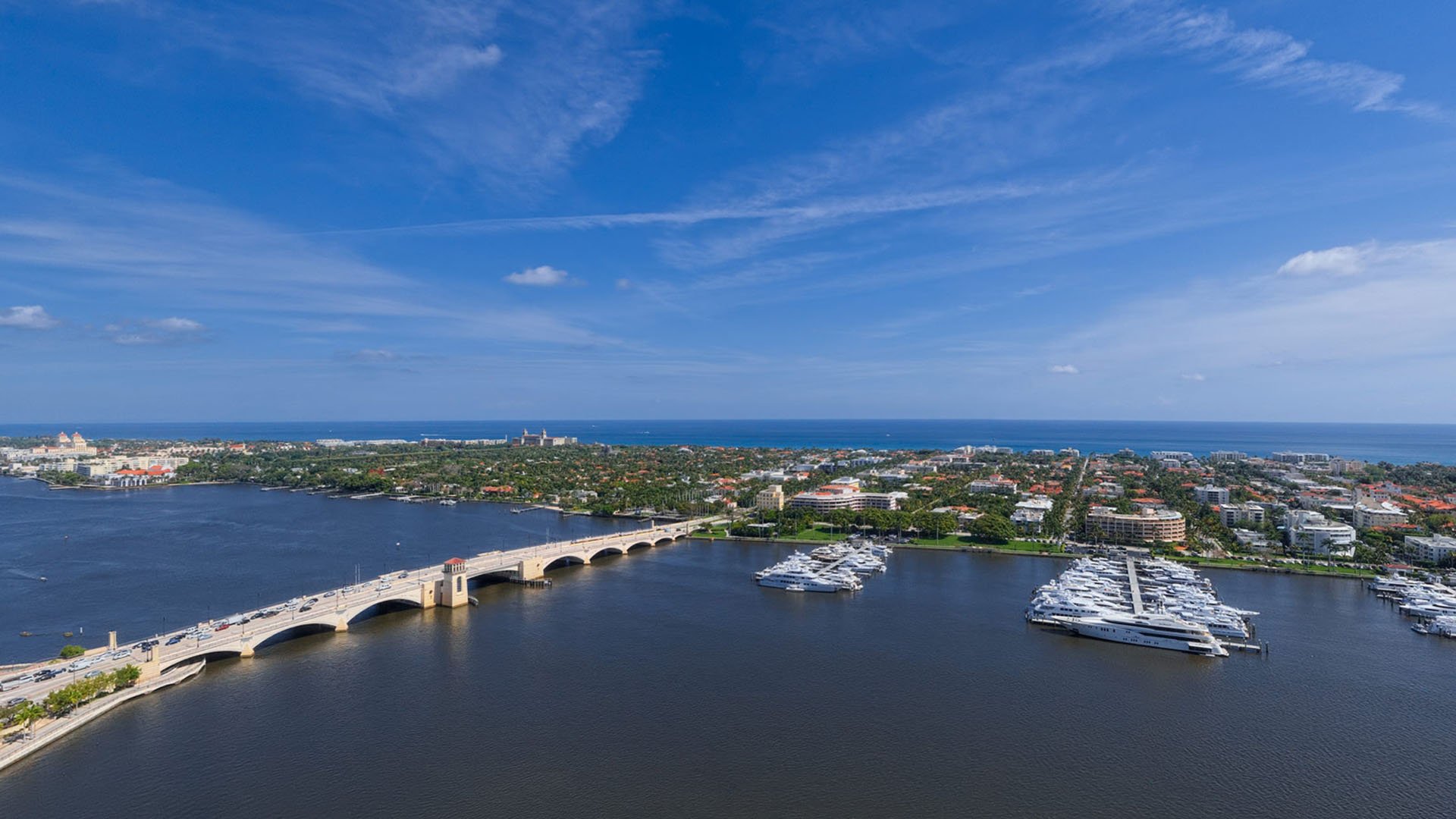
The Bristol Palm Beach can make an immediate first impression for buyers focused on architecture, privacy, service culture, sightlines, finishes, and the overall experience of ownership. Those questions are essential. They are not the entire contract conversation.
Before signing, a buyer should evaluate how the residence will function on a Tuesday morning, during a seasonal traffic surge, or in the days before a major storm. Grocery and pharmacy logistics can shape the rhythm of ownership more than buyers often anticipate, particularly for households that rely on these services several times per week. In an ultra-luxury setting, convenience is not simply indulgence. It is the removal of friction from daily life.
This is especially important for buyers relocating from dense cities, where a pharmacy, gourmet market, or everyday grocer may be part of a short walking routine. Parts of South Florida can feel more car-oriented, and the gap between perceived proximity and lived convenience can become meaningful over time.
A serious pre-contract review should distinguish among three needs: routine grocery runs, urgent pharmacy trips, and planned bulk shopping. Each has a different tolerance for inconvenience.
Routine grocery access is about frequency. If your household shops several times per week, a route that appears simple on a map may still feel burdensome if it collides with peak traffic or seasonal congestion. The question is not only whether grocery options exist within reach. The sharper question is whether the trip feels effortless at the actual hours you are likely to use it.
Pharmacy access is different because urgency matters. For buyers assessing aging-in-place viability, prescription reliability, or the needs of visiting family members, pharmacy logistics deserve particular care. A location that works for planned refills may not feel as comfortable when a same-day need arises.
Bulk shopping follows another pattern entirely. It may involve larger vehicles, garage access, delivery windows, staff coordination, or storage planning within the residence. Buyers should decide whether the building’s service model and their preferred retail habits work together, rather than assuming luxury amenities automatically solve daily logistics.
A map can confirm geography, but it cannot fully explain South Florida living. Buyers should test real travel times to preferred supermarkets and pharmacies at the hours they expect to use them. A quiet mid-afternoon drive may not represent the experience during a busy evening, a weekend, peak season, or heavy rain.
Seasonality deserves particular attention. South Florida travel patterns can feel different in quieter months than during the height of the winter season. A route that seems relaxed in one period can become less predictable when the area is busier. Before contract, buyers should stress-test assumptions by considering peak traffic, bad weather, bridge or route delays, and delivery reliability.
This is where luxury due diligence becomes personal. One buyer may value an in-person specialty grocery routine. Another may prefer delivery, staff coordination, and occasional pharmacy visits. A third may be planning for long-term residence, family visits, and medical continuity. The right answer is not universal. It is lifestyle-specific.
The practical access question is layered. Buyers should evaluate whether building services, concierge support, delivery options, and neighborhood retail together create sufficient convenience for their lifestyle. A strong service culture can soften the burden of errands, but it should not be treated as a substitute for understanding the surrounding infrastructure.
Ask how deliveries are received, where they are stored, how refrigerated items are handled, and whether staff procedures align with your expected grocery cadence. Consider whether pharmacy deliveries are reliable enough for routine prescriptions, and whether you would still be comfortable with the route for urgent needs. If you entertain frequently or host family for extended stays, grocery flow becomes even more important.
In a private buyer brief, priorities such as West Palm Beach, Palm Beach, water views, resale, second-home use, and pool amenities can help organize lifestyle criteria, but they should not eclipse the everyday systems that determine how gracefully a residence functions.
In South Florida, grocery and pharmacy access also intersects with resilience. Hurricane-season preparation can depend on reliable access to food, medicine, and household supplies. Buyers should not wait until after closing to ask whether their preferred shopping and pharmacy options support storm preparation.
The evaluation should include more than distance. Consider how early your household typically prepares, how much storage you need, how prescriptions are managed before weather events, and whether delivery services remain dependable when demand rises. A building may offer a high level of comfort, but residents still need practical plans for supplies, medication, and continuity.
For a seasonal owner, this review can be even more important. If the residence functions as a second home, the household may not have the same local routines, vendor relationships, or backup plans as a full-time resident. The more limited the time in market, the more valuable it becomes to clarify grocery, pharmacy, and delivery patterns before contract.
Grocery and pharmacy access is not just a personal convenience issue. It can influence long-term lifestyle fit and may contribute to resale appeal for future buyers with similar expectations. Ultra-luxury purchasers often focus first on architecture, privacy, views, and reputation, but the next owner may ask the same practical questions you are asking now.
A residence can be visually compelling and still require a precise understanding of daily movement. The strongest decisions combine emotional confidence with operational clarity. If a buyer understands the preferred grocery route, the most reliable pharmacy pattern, the delivery process, and the storm-preparation plan, the contract conversation becomes more grounded.
This does not diminish the luxury proposition. It refines it. True ease is not only the view from the living room or the amenity deck. It is the quiet assurance that daily needs can be met without compromising the sense of calm that drew the buyer to the residence in the first place.
Before contract, treat the grocery and pharmacy review as part of neighborhood-infrastructure due diligence. Visit at the times you will actually shop. Test the route during peak periods. Compare delivery options with in-person access. Ask building management how packages, chilled goods, and recurring deliveries are handled. Consider how urgent prescriptions would be managed, not only routine refills.
Then place the findings beside the rest of the purchase criteria: residence layout, privacy, service quality, orientation, amenity relevance, and long-term use case. A buyer who plans full-time occupancy may weigh access differently from one purchasing for seasonal use. A household planning for aging-in-place may place pharmacy reliability closer to the top of the list.
The goal is not to turn a luxury decision into an errand audit. It is to ensure the residence lives as beautifully as it presents.
Why should grocery access matter at The Bristol Palm Beach? Grocery access can affect day-to-day comfort for households that shop several times per week, especially when routines are time-sensitive.
Why is pharmacy access especially important before contract? Pharmacy logistics matter for urgent prescription needs, routine refills, and buyers evaluating aging-in-place comfort.
Is a map search enough to evaluate convenience? No. Buyers should test real travel times at the hours they are most likely to shop or visit a pharmacy.
How does seasonal traffic affect the evaluation? South Florida routes can feel different during peak season, so access should be tested beyond quiet periods.
Should buyers evaluate delivery services? Yes. Delivery reliability, building receiving procedures, and chilled-item handling can all shape daily convenience.
How does storm season change the analysis? Hurricane-season planning can depend on reliable access to food, medicine, and essential household supplies.
Do second-home buyers need the same review? Yes. Seasonal owners may need clearer routines because they may have fewer established local systems.
Can concierge support replace nearby access? Concierge support can improve convenience, but buyers should still understand the surrounding retail and pharmacy infrastructure.
Could access affect resale appeal? It may. Future buyers with similar lifestyle expectations may value practical convenience alongside views and amenities.
What is the best pre-contract step? Test routine grocery trips, urgent pharmacy scenarios, and bulk-shopping plans before making the access assumption permanent.
For a confidential assessment and a building-by-building shortlist, connect with MILLION.
If branded residences are on your mind — as a home or as an allocation — we would be glad to share what we are seeing, privately.
Begin a quiet conversation