A discreet buyer’s framework for evaluating Bay Harbor Islands when the priority is low-rise cadence, privacy, everyday livability, and long-horizon ownership rather than skyline theater.
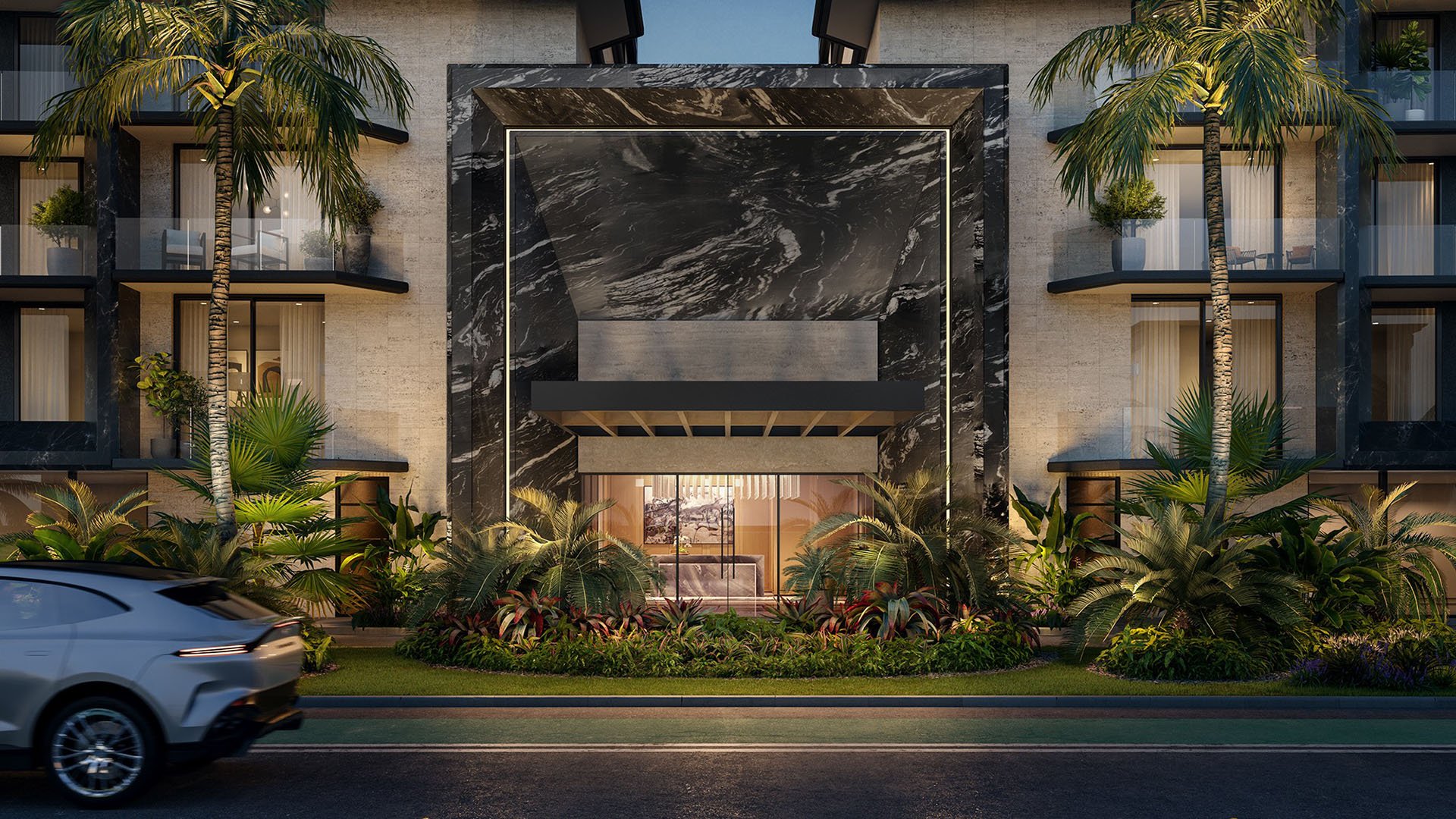
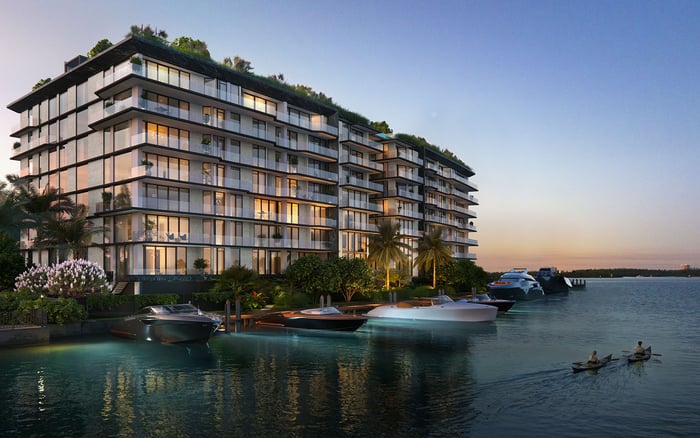
Bay Harbor Islands appeals to a very specific luxury buyer: the owner who does not need the tallest address in the photograph to feel that a residence has stature. This buyer prefers scale that feels residential, streets that invite routine, and buildings whose value proposition is tied more closely to discretion than spectacle.
The Bay Harbor ownership test begins with temperament. If your ideal South Florida residence is defined by valet choreography, hotel-level social theater, and a skyline profile visible from miles away, the island cadence may feel too quiet. If, however, you value arrival without friction, neighborhood proportion, and the ability to live beautifully without constant performance, the proposition becomes more compelling.
This is not a retreat from luxury. It is a different expression of it. Here, the question is not whether a building can impress a dinner guest in thirty seconds. The better question is whether it can support the way you actually live for years.
Low-rise living asks buyers to evaluate intimacy with unusual precision. A smaller building can feel calm, personal, and easy to navigate, but it also places greater weight on governance, reserves, maintenance culture, and the clarity of everyday operations. In a tower, scale can absorb complexity. In a more limited residential environment, every decision sits closer to the owner.
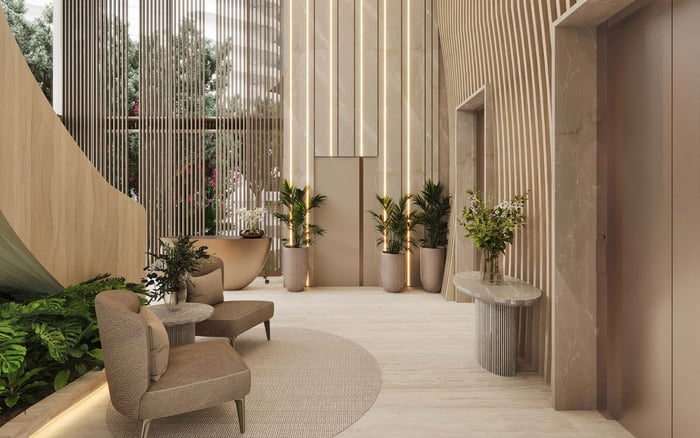
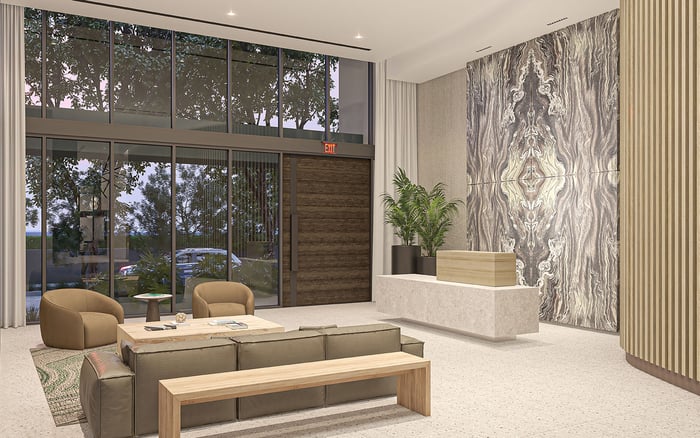
Start with the building’s daily rhythm. How does the lobby feel at the hour you expect to arrive? Is the garage experience composed or strained? Does the elevator plan support privacy? Are service areas discreet enough for the level of ownership you expect? These questions may seem modest, but they often reveal more than a brochure.
Lower floors can also be an advantage when chosen with discipline. They may offer a stronger relationship to landscape, water, street life, or private outdoor space, depending on the specific residence. But buyers should test the tradeoffs carefully: privacy, sound, light, views, and the feel of entry all matter. In a low-rise setting, the quality of the first moments at home can be the real luxury.
Boutique residential ownership often attracts buyers because it promises fewer neighbors, a quieter profile, and a more personal atmosphere. Those qualities can be meaningful, but they do not reduce the need for due diligence. In fact, they heighten it.
The smaller the ownership group, the more important it becomes to understand how decisions are made. Review association documents, insurance structure, financial posture, rental rules, pet policies, renovation procedures, and any limitations affecting future flexibility. A beautiful residence can become complicated if the building culture does not match your lifestyle.
A boutique building should feel intentional in every detail. Staff approach, package handling, guest flow, parking access, amenity maintenance, and building security all shape the ownership experience. Buyers accustomed to large trophy towers may find the quieter format refreshing, but only if the operations are equally refined.
This is also where discretion becomes measurable. A low-profile building should not mean a low-service experience. The right residence combines privacy with competence, calm with reliability, and elegance with a clear plan for the practical realities of ownership.
In skyline-driven markets, buyers often overpay emotionally for height. In Bay Harbor Islands, the more sophisticated approach is to examine how the residence frames daily life. Water view may matter deeply, but it should be considered alongside light quality, balcony usability, interior proportions, and the relationship between main living areas and the outdoors.
A terrace is valuable only if it can be used well. Consider depth, privacy, exposure, furniture layout, and whether the space truly extends the residence or merely decorates it. For seasonal owners, outdoor space may be the difference between a home that is visited and a home that is lived in.
Interior planning deserves the same attention. Look at where natural light falls during the parts of the day you are actually home. Test the kitchen’s relationship to the living room. Think about where guests will gather, where luggage will land, where art may be placed, and whether the primary suite feels suitably separated from the social rooms.
The best low-rise residences are not necessarily the most theatrical. They are the ones that make daily life feel organized, private, and graceful.
A buyer drawn to Bay Harbor Islands should resist importing a tower checklist into a low-rise decision. The goal is not the longest amenity menu. The goal is the right mix of conveniences that will be used consistently.
A pool can be essential if it is properly scaled, well maintained, and placed with a sense of privacy. Fitness spaces, lounges, wellness rooms, storage, bicycle areas, and guest parking may matter more than elaborate facilities that impress on paper but rarely shape daily life. Amenity quality should be judged by frequency of use, ease of access, and the way it supports the building’s mood.
Pets are another important test. Pet rules, walking routines, elevator etiquette, nearby outdoor patterns, and building culture should be reviewed before purchase. Luxury buyers increasingly expect residences to accommodate full household life, including the quiet logistics of animals, staff, children, guests, and seasonal transitions.
The correct amenity profile should feel composed rather than excessive. In a low-rise neighborhood setting, restraint can be a sign of confidence.
Not every buyer who chooses a low-rise neighborhood is planning an immediate exit, but every serious buyer should understand future marketability. The resale case for Bay Harbor Islands rests on clarity: the home must communicate why it exists, who it serves, and what makes it distinct from both larger towers and more conventional residences.
The strongest candidates often have a clean ownership story. They offer privacy without isolation, outdoor space without awkward compromises, and building scale without operational fragility. They also avoid over-personalized finishes that narrow the next buyer pool. In a discerning market, elegance is easier to resell than eccentricity.
Buyers should also consider how the residence will compare with neighboring coastal and urban alternatives. A low-rise home must win on livability, not height. It should feel easier, calmer, and more personal than a high-rise option, while still delivering enough polish to justify its luxury positioning.
For long-horizon owners, the most important question may be simple: will this residence still feel civilized when novelty fades? If the answer is yes, the quieter address begins to look less like a compromise and more like an informed preference.
Before committing, reduce the decision to a few private truths. Do you want a building that amplifies your public identity, or one that protects your private life? Do you want vertical drama, or daily ease? Do you measure luxury by amenity count, or by how little friction stands between you and a well-lived day?
Bay Harbor Islands is most persuasive for buyers who already know the answer. Its ownership test is not about chasing the most visible version of South Florida luxury. It is about selecting a residence whose scale, rhythm, and management culture align with a more controlled way of living.
For the right buyer, the low-rise choice is not smaller ambition. It is sharper discernment.
Who is the best fit for Bay Harbor Islands ownership? It suits buyers who value privacy, neighborhood cadence, and residential scale more than skyline presence or resort-style spectacle.
Is low-rise living less luxurious than tower living? No. It is simply a different luxury language, with emphasis on discretion, ease, proportion, and daily comfort.
What should buyers examine first in a boutique building? Review governance, reserves, insurance, maintenance standards, rental rules, pet policies, and the practical flow of arrival and parking.
Do lower floors make sense for luxury buyers? They can, if privacy, light, sound, outlook, and outdoor space are strong enough to support the lifestyle.
How important is outdoor space in this market? Very important for many buyers, but usability matters more than size alone. Depth, privacy, exposure, and layout should be tested.
Should amenities drive the purchase decision? Amenities should support the way you live. A focused, well-kept amenity plan can be more valuable than an oversized checklist.
What role do pet rules play? Pet rules can materially affect daily life and future resale, so they should be reviewed before submitting an offer.
How should buyers think about resale? Look for a clear ownership story, broad lifestyle appeal, disciplined finishes, and a building culture that will remain attractive over time.
Is this a good choice for seasonal owners? It can be, especially for owners who want a calmer base with manageable access, privacy, and a residence that is easy to return to.
What is the best way to shortlist comparable options for touring? Start with location fit, delivery status, and daily lifestyle priorities, then compare stacks and elevations to validate views and privacy.
For a discreet conversation and a curated building-by-building shortlist, connect with MILLION.
If branded residences are on your mind — as a home or as an allocation — we would be glad to share what we are seeing, privately.
Begin a quiet conversation