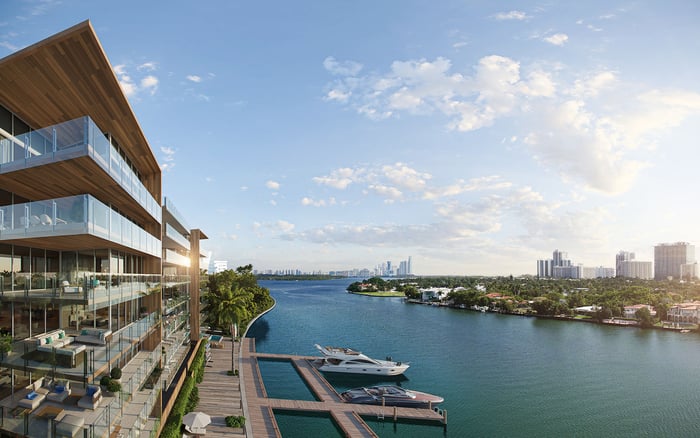
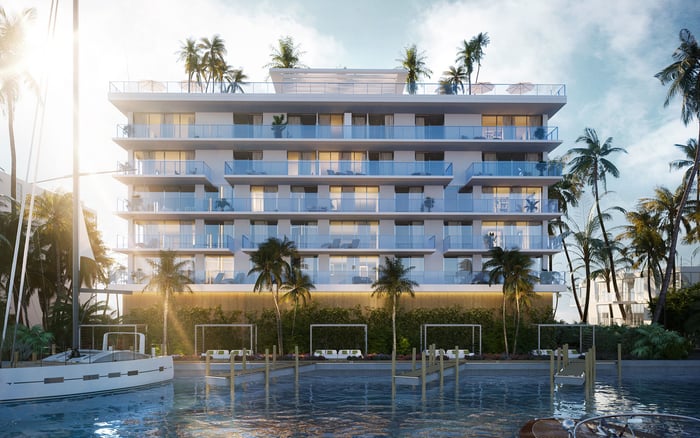
A practical framework for evaluating dock rights, vessel fit, bridge clearance, waterfront infrastructure, insurance, and closing documentation in Bay Harbor Islands.
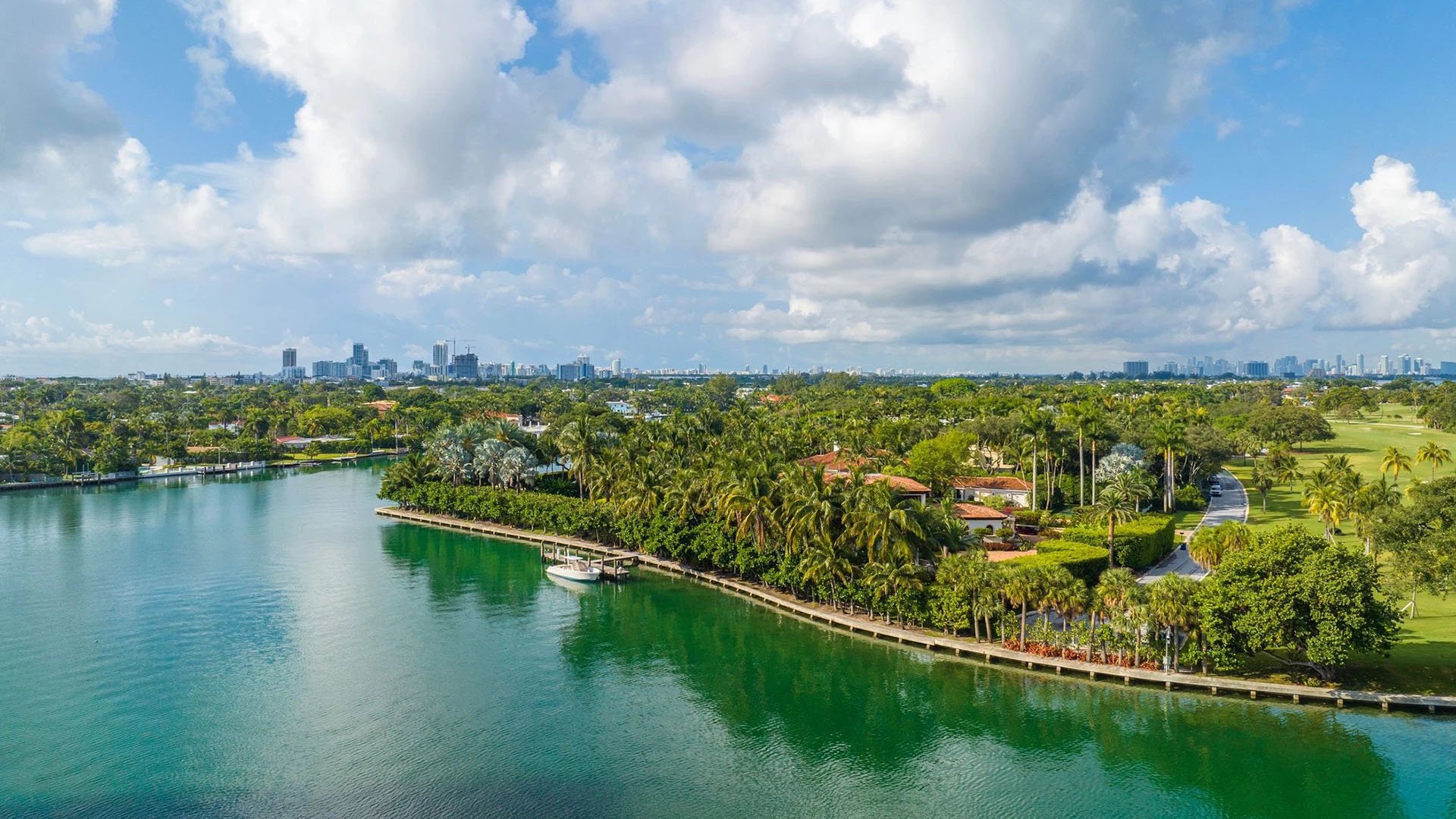
A Bay Harbor Islands purchase can fulfill two distinct ambitions: a refined waterfront residence and a dependable base for time on the water. The two do not automatically come together. A compelling outlook may have little bearing on whether a particular boat can be accommodated, accessed conveniently, serviced properly, or navigated along the intended route.
Begin with the vessel profile. Record overall length, beam, draft, air draft, propulsion configuration, shore-power needs, boarding preferences, and any requirements for a tender or personal watercraft. If a future vessel is under consideration, underwrite that larger profile now rather than treating it as a later adjustment.
Listings may be filtered under Bay-harbor, Waterfront, Waterview, Marina, or Boat-slip, but those labels are only starting points. Each must be translated into documented rights, precise measurements, operating rules, and a route that works in practice.
Marine access should be evaluated as a connected system. Begin at the proposed berth and trace every turn, channel, bridge, and open-water transition to the destinations that matter to the owner. Ask a captain, marine surveyor, or other qualified specialist to examine the route against the vessel's actual specifications and an appropriate operating margin.
Bridge clearance warrants particular scrutiny because a brochure-level statement is not a vessel-specific conclusion. Identify every bridge along the intended route, determine whether it is fixed or movable, and verify the relevant vertical clearance and operating conditions. Air draft should account for antennas, radar, outriggers, towers, and other equipment in its normal configuration.
Depth requires the same rigor. Request current information for the berth, fairway, nearby channel, and route beyond, then assess the vessel's loaded draft against expected operating conditions. A single depth figure-without its measurement location, date, and reference condition-is insufficient for a purchase decision.
The central legal question is not whether a dock appears beside the property, but what interest, if any, transfers to the buyer. Dockage may be structured through different arrangements, each carrying its own rules, duration, costs, transfer conditions, and exposure to reassignment.
Counsel should review recorded documents, the declaration and amendments, association rules, the dock plan, title materials, the purchase contract, and any separate slip agreement. Confirm whether the right is deeded, assigned, licensed, leased, shared, or subject to an application. Also determine whether it transfers with the residence, requires approval, can be revoked, or carries separate dues.
For condominium comparisons, buyers can place Onda Bay Harbor and La Maré Bay Harbor Islands on the same diligence worksheet. The objective is not to assume equivalent marine arrangements, but to pose identical questions and compare the written answers.
A nominal slip length does not establish usable fit. Obtain berth measurements, including width, piling placement, approach geometry, dock height, water depth, and clear maneuvering area. Confirm how bow pulpits, swim platforms, outboards, davits, and fenders are treated under the applicable rules.
Inspect practical features as carefully as dimensions. Shore power, water, lighting, cleats, ladders, gates, dock boxes, cameras, and cart access all influence daily use. Determine who maintains each element, how repairs are approved, and whether utility consumption is separately metered or included in common expenses.
A sea trial of the route and docking approach can be valuable when arranged with qualified professionals and the appropriate permissions. Conduct it with the vessel-or a meaningfully comparable one-under conditions relevant to the owner's expected use.
Waterfront due diligence extends beyond the slip. A qualified inspection should address the seawall, cap, tiebacks, pilings, dock structure, electrical components, and visible signs of movement or deterioration. Request available permits, repair histories, engineering materials, maintenance plans, warranties, and pending proposals.
In a condominium, determine whether the seawall and dock are common elements, limited common elements, or governed through another structure. Then review budgets, reserves, assessments, meeting minutes, insurance responsibilities, and the approval process for major marine work. The essential question is not merely whether the infrastructure appears maintained. It is who must act, who must approve, and who must pay.
Residences such as Bay Harbor Towers and La Baia North Bay Harbor Islands can be assessed through the same consistent lens, without presuming that their documents, physical conditions, or ownership structures align.
Marine utility should be considered alongside the residence's broader risk profile. Review flood-related documentation, available elevation information, drainage, emergency procedures, and the location of electrical and mechanical equipment. Insurance professionals should examine the proposed ownership structure, vessel coverage, wind and flood considerations, liability, deductibles, exclusions, and association requirements.
Rules can materially shape the ownership experience. Confirm vessel-type restrictions, length and beam limits, liveaboard prohibitions, guest use, rentals, commercial activity, fueling, maintenance, deliveries, overnight parking, hurricane procedures, and storage of tenders or water toys. Written rules-not informal custom-should govern the analysis.
Before contingency periods expire, consolidate the vessel profile, route review, bridge and depth verification, dock measurements, title analysis, association documents, inspection findings, insurance indications, budgets, and expected recurring costs. Any critical representation should be captured in an appropriate written document reviewed by counsel.
The ideal result is alignment: the residence suits the owner, the dockage right is durable, the berth fits the vessel, the route supports the intended use, and the financial obligations are understood. That is the distinction between buying beside the water and acquiring a coherent boating lifestyle.
Does a waterfront residence automatically include dockage? No. The existence of a dock does not establish that a transferable right accompanies the residence.
What vessel dimensions should a buyer provide? Provide length, beam, loaded draft, air draft, propulsion details, and any equipment that changes the vessel's profile.
Why is air draft important? It determines whether the vessel can pass beneath bridges and should account for towers, antennas, radar, and other equipment.
Is a stated slip length enough to confirm fit? No. Width, piling placement, approach geometry, depth, appendages, and governing rules also matter.
Who should verify bridge clearance and channel depth? A qualified captain, marine surveyor, or other appropriate specialist should assess the intended route for the specific vessel.
What dock documents should counsel review? Review recorded instruments, declarations, amendments, rules, dock plans, title materials, contracts, and separate slip agreements.
Should the seawall be inspected separately? Yes. Its condition, maintenance responsibility, permitting history, and potential cost exposure warrant focused review.
What association records matter most? Examine budgets, reserves, assessments, insurance, meeting minutes, maintenance plans, and proposals involving marine infrastructure.
Can boating rules change after purchase? Governing documents may establish procedures for changing rules, so counsel should assess that authority and its implications.
What should be resolved before closing? Resolve vessel fit, route feasibility, dockage rights, infrastructure condition, insurance availability, use restrictions, and total costs.
For a discreet conversation and a curated building-by-building shortlist, connect with MILLION.
If branded residences are on your mind — as a home or as an allocation — we would be glad to share what we are seeing, privately.
Begin a quiet conversation