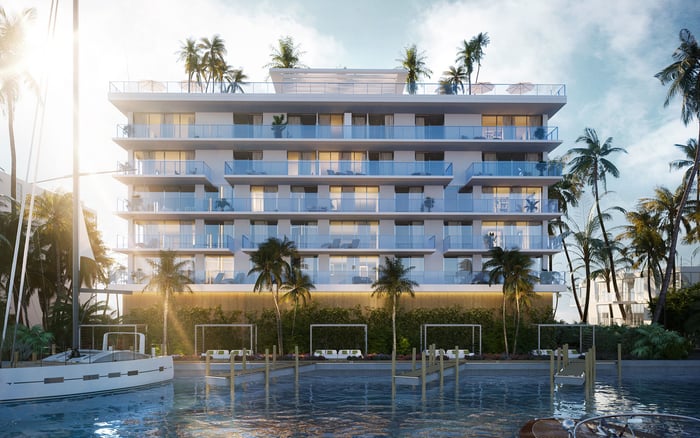
At Origin Bay Harbor Islands, a careful reading of condominium documents should precede any assumptions about rentals, guests, parking or marina access. The reported six-month rental minimum is a starting point for verification, not a substitute for the governing language.
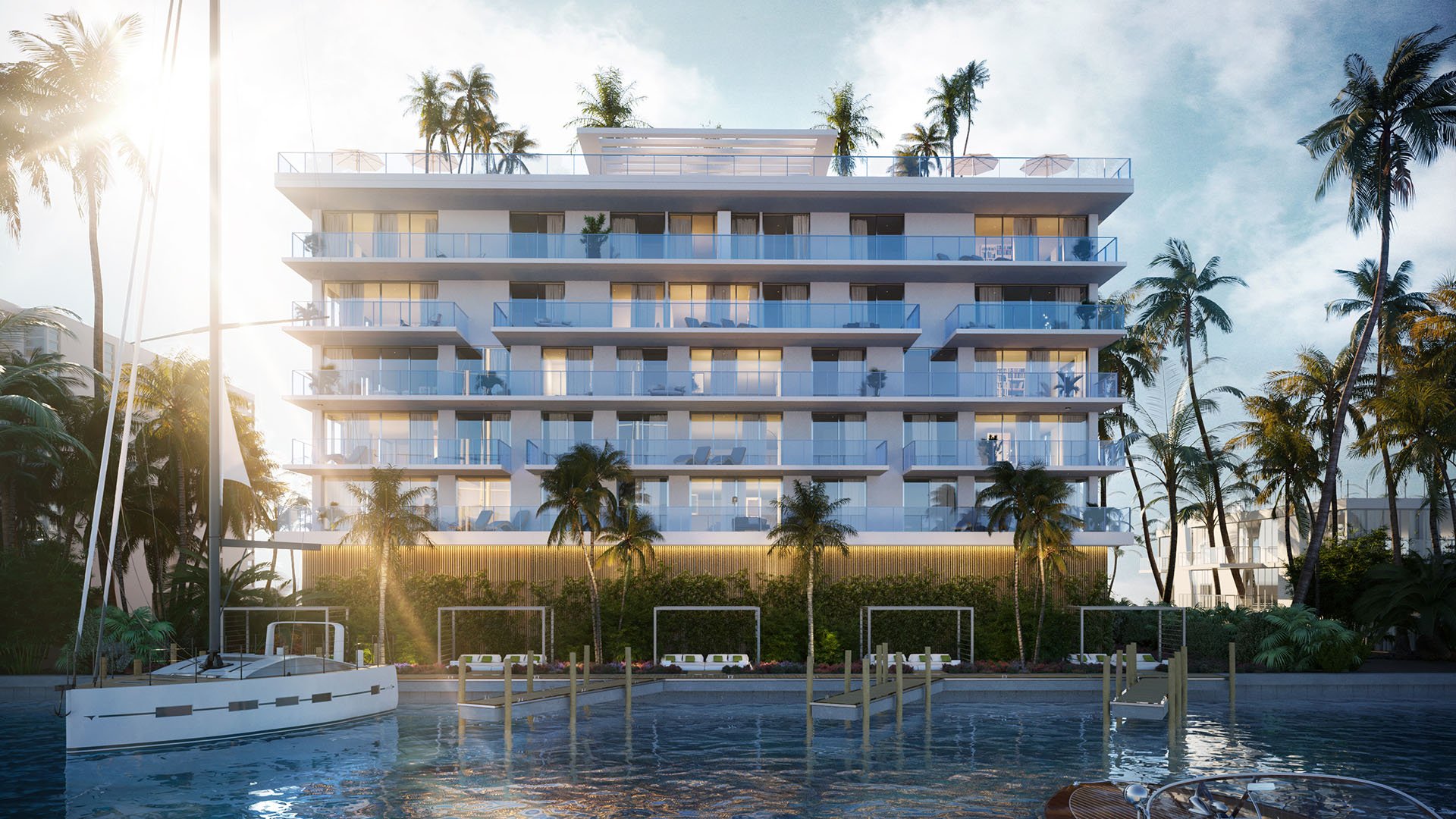
Waterfront ownership is as much about the freedom to use a residence as it is about the view. At Origin Bay Harbor Islands, marketed as Origin Residences by Artefacto, the offering is a waterfront condominium with a private marina, not a condo-hotel. That distinction should guide a buyer’s expectations, but it is not a complete statement of permitted use.
For a purchaser envisioning winter stays, visiting family and occasional rental income, the essential question is whether those plans align with the condominium’s written restrictions. A frequently asked questions and answers sheet can help identify those restrictions. It does not replace the declaration, amendments and adopted rules that must be examined before relying on any particular permission.
The purchase decision should reflect the use the documents support, not the flexibility a buyer assumes.
A concise answer can leave consequential details unresolved. A statement that leasing is permitted, for example, does not necessarily establish how long a lease must run, how many leases are allowed annually or what approval a tenant needs before moving in.
Request the current FAQ or Q&A sheet alongside the recorded declaration, amendments and complete adopted rules. For each answer that matters to your ownership plan, ask for the corresponding provision. Have condominium counsel assess its scope, applicability and enforceability rather than assuming the FAQ wording independently creates a binding limitation.
Where a summary and a longer provision appear inconsistent, obtain written clarification and legal review. A reassuring conversation is not a sound basis for underwriting rental income or promising relatives unrestricted access.
Apply the same discipline when comparing Origin with Bay Harbor Towers. Review each property’s own documents rather than carrying an answer from one condominium into another.
Origin’s reported six-month minimum rental term remains subject to confirmation in its governing documents. Treat that figure as a due-diligence checkpoint, not an established contractual permission.
If confirmed, a six-month minimum would exclude nightly, weekly and monthly rental strategies. It would also require a buyer contemplating a shorter seasonal lease to reconsider that plan. A six-month minimum alone, however, would not establish an entitlement to execute two leases each year. Lease duration and the number of permitted leases are separate questions.
Request written answers on renewal treatment, tenant screening, approval timing, application requirements and any limits on successive tenancies. Ask whether different provisions address an owner’s guests, unpaid family stays and paying occupants. These are questions to resolve, not restrictions to attribute to Origin without confirmation.
For financial planning, exclude shorter-term rental revenue from the base case unless the applicable documents and approvals support it. A residence can suit personal enjoyment without supporting a particular rental strategy.
Bay Harbor Islands has a vacation-rental licensing process, but that process does not establish permission to operate short-term rentals at Origin. Municipal requirements and condominium consent are separate matters.
The town’s vacation-rental licensing requirements include proof of notice and written consent from the condominium, cooperative or complex management. Applicants also need a Florida DBPR transient lodging license, Florida sales-tax and Miami-Dade tourist-tax registrations, and a copy of the applicant’s Miami-Dade County Local Business Tax Receipt.
Required submission materials include a unit floor plan or sketch, a parking sketch and a lease form. Building and fire inspections are also required, as is a notarized affidavit from the owner and responsible party committing to compliance with town code.
Evaluate these requirements alongside the building’s own permissions. Completing a licensing checklist is not evidence that a condominium restriction has been satisfied or displaced. First establish whether the proposed rental use is permitted, then confirm the municipal steps applicable to that use.
A home’s suitability for family life depends on details a general amenity description cannot settle. Request current provisions addressing pets, occupancy, overnight visitors and amenity guests, paying particular attention to any distinction between owners and tenants.
For pets, ask whether different requirements apply when a residence is leased. For visitors, clarify the treatment of unaccompanied guests and family members staying while the owner is away. For amenity use, request any registration procedures or limits that would affect entertaining.
Do not assume these restrictions exist at Origin simply because they appear elsewhere. The objective is to establish the actual rules before arranging a household’s seasonal calendar.
A buyer also considering Alana Bay Harbor Islands should ask the same questions but obtain independent answers. Proximity is no basis for assuming identical pet, occupancy or guest policies.
Origin’s advertised amenities include a private marina, designated self-parking for all residences and EV charging stations. Those descriptions establish what is marketed, not every condition governing access.
For the marina, request the documents establishing whether access or a berth accompanies the particular purchase, requires a separate arrangement or carries additional conditions. Clarify whether tenants and guests may use the facilities and what approval procedures apply. A private marina is not a promise that every owner receives an unrestricted boat slip.
For parking, confirm the allocation attached to the residence, any guest arrangements and the conditions for tenant use. Ask how charging access is administered and whether separate charges apply. These practical details belong in the purchase review when vehicles or boating are central to the intended lifestyle.
Before committing, prepare a short written description of your intended use: personal stays, family visits, potential lease periods, pets, vehicles and boating needs. Ask the seller or association to identify the provisions addressing each element, then have counsel reconcile the answers with the governing documents.
Include enforcement procedures in that review. Request the current language on violations, notices and available remedies without assuming a particular penalty structure applies. Keep unresolved permissions separate from confirmed rights in both your lifestyle assessment and financial model.
The decisive measure is fit. If the documents support the ownership pattern you want, their restrictions can provide useful clarity. If they do not, the elegance of the residence should not obscure the mismatch.
For a discreet perspective on aligning South Florida residences with your ownership priorities, explore MILLION.
If branded residences are on your mind — as a home or as an allocation — we would be glad to share what we are seeing, privately.
Begin a quiet conversationOrigin is marketed as a waterfront condominium with a private marina, rather than a condo-hotel. Buyers should still confirm permitted uses in its governing documents.
A six-month minimum rental term is reported, pending confirmation in the governing documents. It should not be treated as a verified contractual provision.
If confirmed, a six-month minimum would exclude nightly, weekly and monthly rental strategies.
No such entitlement is established by the reported minimum. Buyers should separately confirm the number of permitted leases and any approval requirements.
Do not assume that FAQ wording independently creates an enforceable limit. Ask counsel to evaluate the answer alongside the applicable declaration, amendments and adopted rules.
The existence of the town’s licensing process does not establish permission at Origin. Condominium consent and municipal requirements must be addressed separately.
The checklist requires proof of notice and written consent from the condominium, cooperative or complex management for proposed vacation-rental units.
Requirements include a DBPR transient lodging license, tax registrations, a county business tax receipt, plans or sketches, a lease form, inspections and a notarized compliance affidavit.
The marketed private marina does not establish an individual boat-slip entitlement. Confirm the rights and conditions attached to the particular purchase.
Origin advertises designated self-parking for all residences and EV charging, but buyers should confirm allocation and access conditions. Request current pet and guest provisions, including any owner-versus-tenant distinctions.