A buyer-focused guide to evaluating Miami Beach waterfront residences through the practical value of wellness spaces, privacy, operating standards, and routines that endure beyond the initial tour.
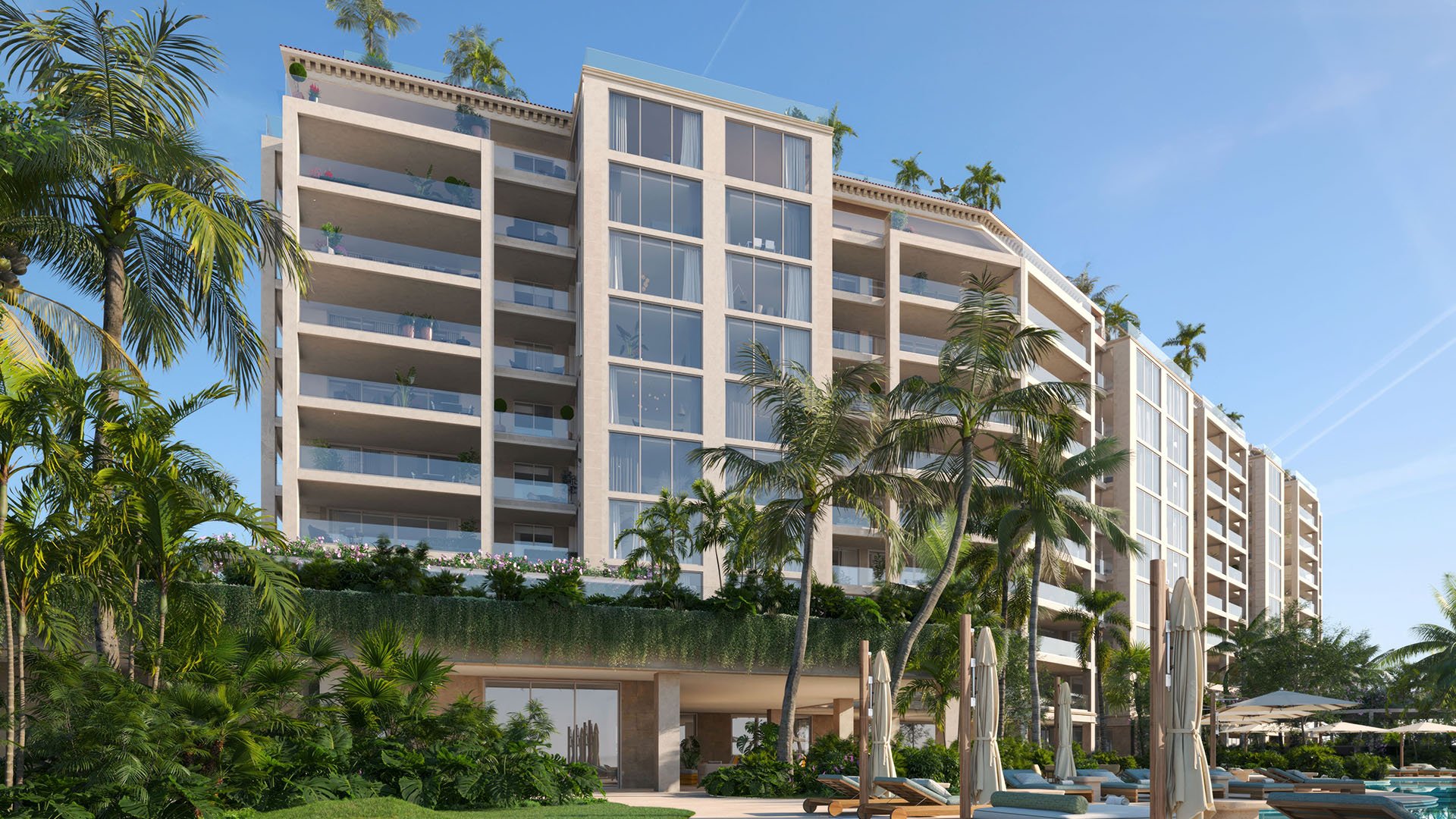
In Miami Beach, wellness has become part of the residential vocabulary. Yet buyers should distinguish between an impressive presentation of amenities and a setting that genuinely improves daily life. The best residence is not necessarily the one with the longest list of spaces, but the one where movement, recovery, privacy, fresh air, and access to the water fit naturally into a resident’s routine.
That distinction matters at the ultra-premium level. A beautiful spa that requires advance coordination may prove less useful than a serene fitness room available when the owner actually trains. A dramatic pool may photograph exceptionally well, but its daily value depends on sun exposure, seating, service, noise, and ease of access from the residence. Wellness is ultimately operational, not ornamental.
For buyers beginning a Miami Beach comparison, 57 Ocean Miami Beach can be included in a focused tour alongside other waterfront candidates. The objective is not to count amenities, but to observe how each property supports an ordinary morning, a working afternoon, and a quiet weekend.
Start with the spaces likely to be used several times a week. Fitness areas should suit the buyer’s preferred form of training, whether strength, cardio, stretching, or private instruction. Recovery spaces merit the same scrutiny. Their appeal depends on availability, discretion, cleanliness, acoustics, and the transition between active and restorative zones.
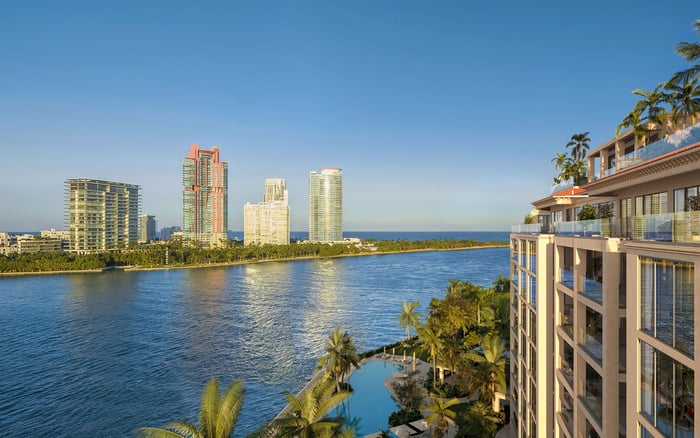
Outdoor space carries particular weight. Balcony depth, shade, wind, privacy, and furniture placement determine whether a terrace becomes a genuine open-air room. Waterfront outlooks can contribute a sense of calm, but orientation and neighboring activity shape the experience. Buyers considering The Perigon Miami Beach should assess the residence, shared spaces, and circulation as one continuous daily sequence rather than as separate selling points.
Water access also deserves a practical reading. Beach proximity, arrival routes, storage, rinsing areas, and the return journey to the residence can all affect frequency of use. Waterfront value is strongest when the transition from home to shoreline feels intuitive rather than ceremonial.
Wellness amenities are shared environments, so the resident experience depends on more than design. During a tour, notice the route from the elevator to the fitness room, pool deck, or treatment area. Long or exposed circulation can discourage use, as can spaces positioned beside heavily trafficked social areas.
Privacy is equally personal. Some owners prefer an animated resort atmosphere; others prioritize quiet and limited encounters. Setai Residences Miami Beach belongs in the conversation for buyers evaluating how a residence feels at different times of day. A daytime visit alone cannot reveal evening sound, weekend demand, or the pace of arrivals.
Ask how guests, trainers, therapists, and service providers enter and move through the property. For families, consider whether different generations can use the amenities comfortably at the same time. For households with pets, review the applicable rules and the practicality of outdoor routines. Lifestyle fit emerges through these small patterns.
A useful tour should resemble a rehearsal. Walk from the prospective residence to the amenities without taking shortcuts. Consider how the journey feels in training clothes or after the beach. Inspect changing areas, storage, shade, seating, and places to set down personal items. Look beyond finishes to maintenance and order.
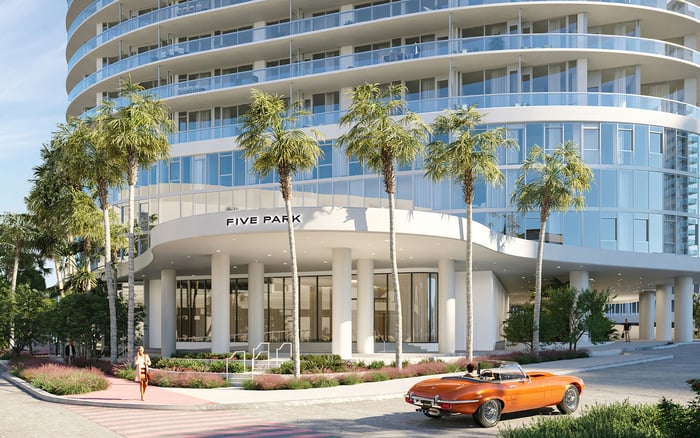
At Five Park Miami Beach, as at every candidate, buyers should seek clarity on access policies, operating hours, reservations, guest privileges, and any restrictions affecting private professionals. Ask the same questions consistently across the shortlist. Comparability is essential because similar labels can describe very different levels of convenience.
Recurring costs also require context. A wellness program has real value when its spaces are used, maintained, and aligned with the owner’s priorities. Buyers should review association materials and professional advice to understand obligations, governance, and how future decisions may affect operations. The central question is straightforward: will the household use what it is paying to support?
Begin with three non-negotiable routines. These might include an early workout, a private recovery session, an afternoon swim, or quiet time outdoors. Then identify the physical and operational conditions each routine requires. This approach prevents visually dramatic but personally irrelevant amenities from dominating the decision.
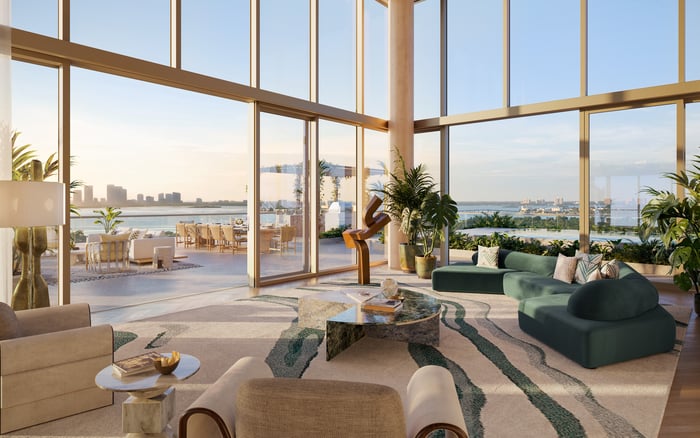
Include residence-level wellness in the analysis. Natural light, acoustic separation, bedroom placement, air movement, storage, and a usable balcony may matter as much as shared facilities. A home that supports sleep, concentration, and effortless outdoor time can deliver value even on days when no amenity is visited.
A buyer might add The Ritz-Carlton Residences® Miami Beach to the tour schedule, then apply the same scorecard used elsewhere. Rate privacy, convenience, atmosphere, operational clarity, and likely weekly use. Notes taken immediately after each visit are more reliable than impressions reconstructed later.
The strongest choice will feel coherent. The residence, waterfront setting, amenities, staffing patterns, and rules should support the same vision of daily life. In a market rich with visual appeal, disciplined observation turns wellness from a marketing idea into lasting residential value.
What makes a wellness amenity valuable in daily life? Frequent usefulness, convenient access, privacy, and dependable upkeep matter more than novelty.
Should buyers prioritize a spa or a fitness room? Prioritize the space that matches the household’s established weekly routine and preferred approach to training or recovery.
How should a buyer evaluate a pool? Visit at a realistic time of use and assess sun, shade, seating, sound, access, and resident demand.
Does a waterfront view automatically create wellness value? No. Orientation, privacy, noise, wind, and the usability of outdoor space shape its daily benefit.
Why tour amenities at different times? Morning, evening, and weekend visits can reveal changes in light, activity, sound, and availability.
Which building rules deserve close review? Examine operating hours, reservations, guest access, private-trainer policies, and use restrictions.
How important is the route from the residence to amenities? Very important. Simple, discreet circulation encourages frequent use and improves privacy.
Can in-residence features support wellness? Yes. Light, quiet, functional outdoor space, storage, and thoughtful bedroom placement can enhance everyday comfort.
How many properties should be compared? A focused shortlist is usually more useful than a broad tour, provided every property is judged by the same criteria.
What should buyers do before assigning value to amenities? Estimate realistic weekly use, review recurring obligations, and seek professional guidance on governing documents.
If you'd like a private walkthrough and a curated shortlist, connect with MILLION.
If branded residences are on your mind — as a home or as an allocation — we would be glad to share what we are seeing, privately.
Begin a quiet conversation