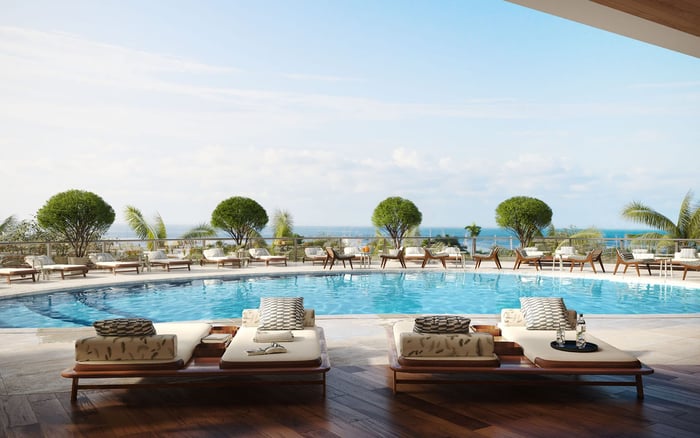
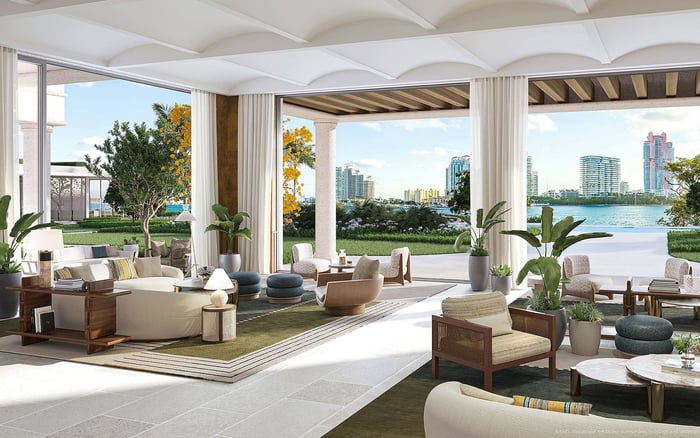
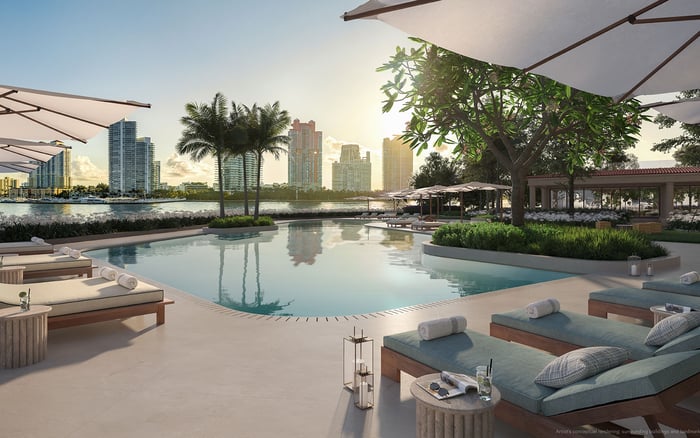
A waterfront purchase deserves more than a beautiful first impression. Compare Coconut Grove and Fisher Island through residence-specific sightlines, verified neighboring development rights, wind comfort, and the terrace routines that matter to you.
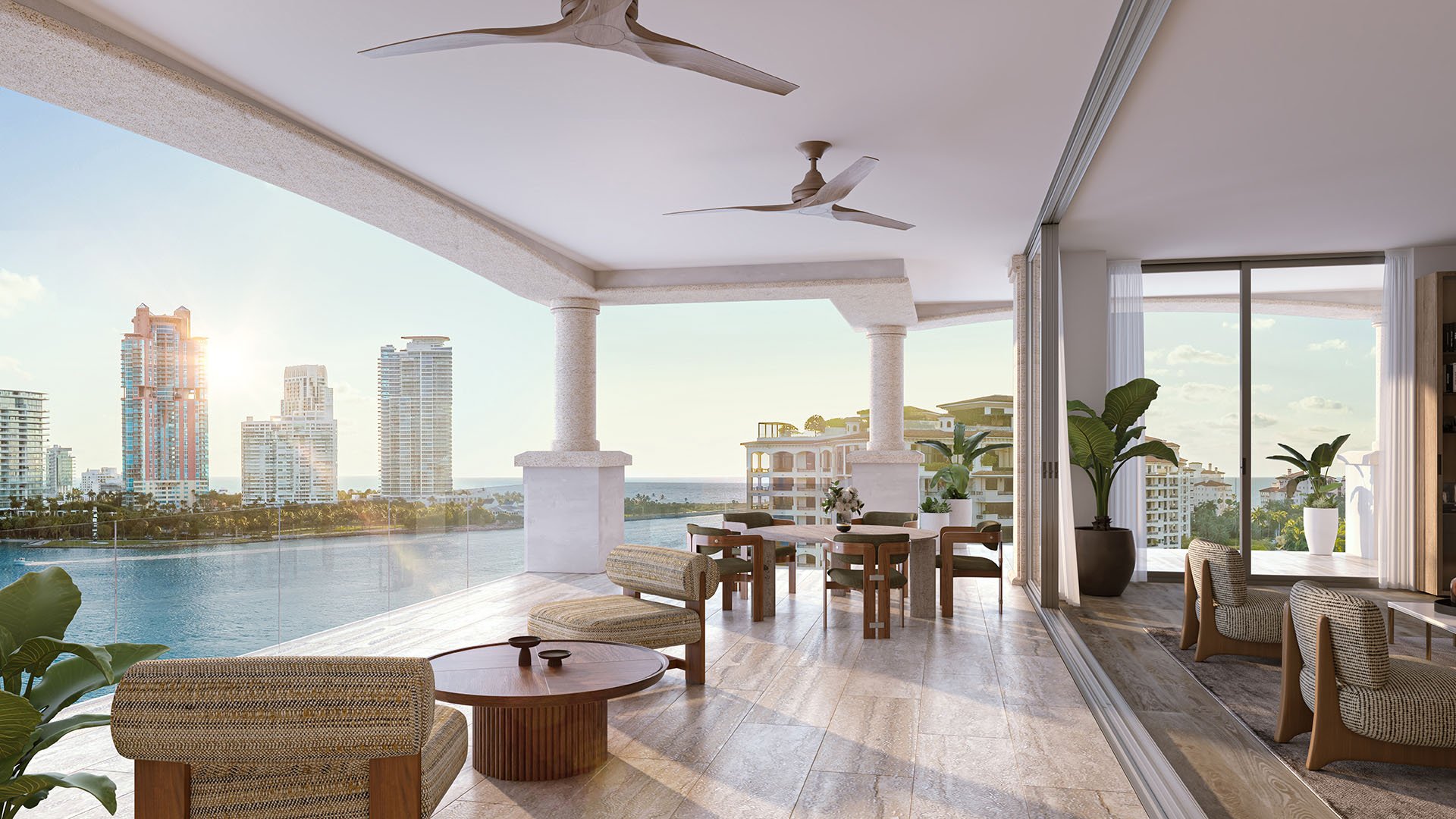
The most persuasive waterfront residence is not necessarily the one with the widest panorama on arrival. It is the one whose outlook, neighboring context, and outdoor rooms continue to serve the way its owner lives. For buyers choosing between Coconut Grove and Fisher Island, those qualities deserve separate scrutiny before they merge into a single emotional decision.
Fisher Island’s appeal includes its limited land, while Coconut Grove calls for a particularly granular reading of its varied waterfront surroundings. Neither starting point settles the question of view durability. Nor does either address establish how comfortable a particular terrace will feel at breakfast, over lunch, or during an evening gathering.
The right comparison is between two residences, not two reputations. Begin with four questions: What can you see today? What could change within that sightline? What evidence addresses wind exposure? And how much of the outdoor space will you actually use?
The Residences at Six Fisher Island occupies the island’s northern side at 6 Fisher Island Drive, Miami Beach. Its advertised outlooks encompass the Atlantic Ocean, Biscayne Bay, and Miami skyline, and its windows are floor-to-ceiling. These are project-level descriptions, not promises that every residence captures every outlook.
The development has been marketed as occupying the island’s final developable parcel and as its final permitted new residential development. Treat those statements as a reason to investigate land scarcity, not as a substitute for legal protection. Limited remaining development land does not establish an enforceable right to an unobstructed view.
Ask counsel to distinguish marketing language from governing approvals and any recorded restrictions relevant to the residence. Then identify the parcels within the actual viewing corridor, including those visible at an angle from the terrace. An island-wide claim cannot answer every question about a particular foreground.
Apply the same discipline when considering Palazzo della Luna. Compare the precise outlook from the candidate residence and the documentation governing its surroundings. Do not assume that an island address makes every view permanent.
Coconut Grove’s waterfront is not a uniform development setting. Its December 2008 planning context included park, office, commercial, and residential zoning, alongside varied recreational and institutional uses. Conditions designated “Water View Blocked” and “Road Barrier” reflected discontinuous visibility and access.
That historical picture provides useful context, not a current entitlement schedule. A buyer evaluating Park Grove Coconut Grove should request a present-day parcel review of the specific outlook under consideration, rather than read an older waterfront map as a promise about future conditions.
The same caution applies to conservation-district language. February 2018 draft provisions included front setbacks, while a separate proposal listed T4 density at 36 dwelling units per acre, with a bonus to 65. Those figures were proposed, not confirmed current development rights. They should not be used to predict a neighboring building’s size.
For a residence under consideration at Four Seasons Residences Coconut Grove, request the same residence-specific analysis. A project name is a starting point for a shortlist, not evidence that its views, neighboring rights, or terrace conditions match those of another property nearby.
A useful diligence file separates the existing scene from what is legally established. Photograph the outlook from seated and standing positions inside the principal living area and on the terrace. Mark the elements that matter most: open water, skyline, foreground, and lateral privacy.
Next, ask a qualified local professional to identify the relevant neighboring parcels and verify their current zoning, approvals, and applicable restrictions. Ask specifically about permitted height, setbacks, building placement, and pending applications where relevant. Do not infer a buildable envelope from a density figure alone.
Finally, have counsel evaluate any claimed view protection. Ask what document creates it, which land it binds, and whether it benefits the residence being purchased. If the purchase premium depends on an uninterrupted outlook, resolve that distinction before committing, not after closing.
Organize your comparison into three categories: visible today, documented protection, and unresolved exposure to change. This keeps an attractive photograph from carrying more legal weight than it deserves.
There is no established comparative wind ranking here to support calling Fisher Island terraces consistently windier, or more exposed to hurricane winds, than Coconut Grove terraces. Buyers should resist that shortcut in either direction.
Separate everyday comfort from storm performance. To assess comfort, visit the exact residence where possible, at more than one time and under different conditions. Sit where the dining table would go, test the intended lounge area, and note whether conditions suit conversation and an unhurried meal.
For technical questions, request any relevant building-specific wind analysis and have a qualified professional explain its scope. Ask separately about storm procedures, exterior furniture requirements, and documentation relevant to the residence’s envelope. A pleasant showing is not a wind study, and a storm-related specification does not guarantee comfortable outdoor dining.
Six Fisher’s advertised terraces are approximately 15 feet deep. That dimension is a useful starting point for testing an outdoor dining arrangement or seating group, but it does not establish shade, wind comfort, or year-round usability. Confirm the dimensions on the plan for the residence you are considering.
One Fisher Island resale offering advertises two terraces totaling more than 1,280 square feet, including a west-facing waterfront terrace. That illustrates the scale of an individual offering, not an island-wide standard. Assess the combined square footage as separate spaces, each tested against its intended use.
Bring a scaled furniture layout to the review. Check usable depth, door clearances, circulation, and the relationship between dining and lounging areas. Observe shade during the hours you expect to spend outside, and request the applicable rules for furnishings, screens, and any proposed shading solution.
Fisher Island’s limited-land positioning and Coconut Grove’s varied parcel context create different diligence questions, not an automatic winner. Favor the residence whose important sightlines are best understood and whose terrace supports your actual routine.
Keep view protection, neighboring rights, wind evidence, and usable outdoor space as separate decision criteria. The strongest purchase is the one whose setting remains compelling after careful examination.
For a discreet conversation about your next waterfront residence, connect with MILLION.
If branded residences are on your mind — as a home or as an allocation — we would be glad to share what we are seeing, privately.
Begin a quiet conversationNo. Limited land and final-development marketing do not establish an enforceable view right for a particular residence.
It is at 6 Fisher Island Drive, Miami Beach, on the island’s northern side.
Advertised outlooks include the Atlantic Ocean, Biscayne Bay, and Miami skyline. These are project-level descriptions, not assurances for every residence.
They are advertised as approximately 15 feet deep. Buyers should confirm the dimensions for their selected residence and test a furniture layout.
No island-wide standard is established here. One resale offering advertises two terraces totaling more than 1,280 square feet, but that is a unit-specific example.
No. The December 2008 materials provide context about varied waterfront uses and visibility, but current entitlements require separate verification.
No. The figures of 36 dwelling units per acre, with a bonus to 65, come from proposed text and should not be treated as present-day entitlements.
No comparative wind study establishes that conclusion here. Assess everyday comfort and technical wind questions at the specific residence.
Request a parcel-specific review of current zoning, approvals, applicable restrictions, and relevant pending applications. Have counsel examine any claimed legal protection for the view.
No. Evaluate usable depth, furniture placement, shade, observed wind conditions, and applicable building rules against your intended daily routine.