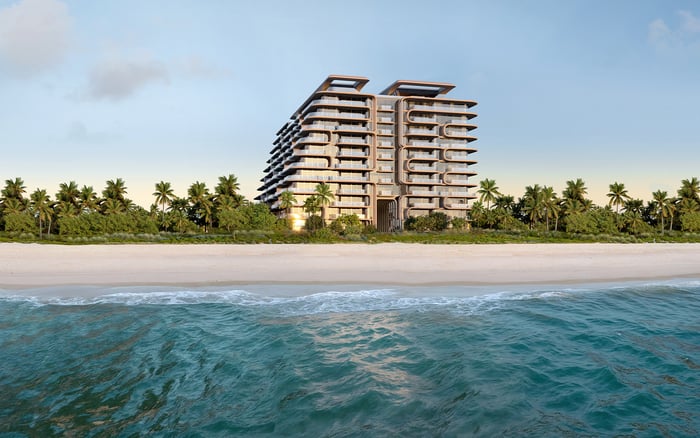
Oceana Bal Harbour pairs an art-forward oceanfront setting with concierge, valet, beach, pool, wellness, and security functions. For 2026 buyers, the decisive question is whether service quality is supported by disciplined governance, appropriate reserves, and transparent recurring costs.

The appeal of Oceana Bal Harbour begins with a compelling balance. This ultra-prime oceanfront condominium features expansive terraces, deep overhangs, floor-to-ceiling windows, and residences designed to capture ocean and bay views. Yet its identity is not purely architectural. Museum-grade artwork, large-scale installations, privacy, and owner-focused living create a private residential retreat rather than a conventional hotel experience.
The property occupies the former site of the Bal Harbour Beach Club and was developed by Consultatio, the developer behind Oceana Key Biscayne. For a 2026 buyer, that pedigree and sense of place are only the starting points. The more consequential test is operational: Can a highly staffed environment remain polished without weakening financial discipline or the building’s residential character?
Concierge and valet functions form the daily service layer. Staffed beach and pool service adds a resort-caliber dimension, while wellness amenities and security broaden the operating platform. Each can provide meaningful convenience, but buyers should not treat “full service” as a self-explanatory promise.
The useful questions are practical: Which services are association-operated, and which are delivered through vendors? What hours and standards apply? How are staffing changes approved? Which costs are fixed, and which can fluctuate with labor, insurance, maintenance, or contract renewals? Marketing language describes an experience; current documents reveal how it is funded and governed.
At Oceana Bal Harbour, ownership discipline does not mean reducing service. It means understanding the infrastructure required to sustain it. Buyers should review the condominium declaration, bylaws, current budget, audited financial statements, reserve funding, insurance coverage, litigation disclosures, special assessments, vendor agreements, and leasing restrictions.
Staffing levels, beach and pool operations, wellness facilities, security, and art maintenance warrant particular attention. These are not incidental details. Together, they can influence recurring common charges and the association’s long-term budget. A disciplined review should also assess whether reserves align with anticipated obligations and whether board oversight is sufficiently clear for major contracts and operating changes.
In buyer’s-guide terms, the essential distinction is between valuable owner services and operating features whose costs may rise without delivering proportional value. A sophisticated buyer is not searching for the lowest common charge. The objective is transparent expenditure, durable quality, and a governance structure capable of protecting both.
Oceana’s art-forward identity is integral to the common-area experience. Museum-grade works and large-scale installations add distinction, but they can also require thoughtful care, security, environmental management, and clear responsibility for maintenance. Buyers should determine how those obligations are addressed in association planning.
Architecture deserves the same operational reading. Glass walls, broad terraces, and deep overhangs provide the connection to water that defines the residences. Due diligence should examine how the association plans for the upkeep of shared building components rather than assume that visual refinement and financial resilience are automatically aligned.
A useful comparison set can sharpen the decision without reducing it to a superficial amenities contest. Nearby Rivage Bal Harbour offers another Bal Harbour reference point, while Arte Surfside extends the conversation to Surfside. Oceana Key Biscayne can also inform how a buyer considers the developer’s broader residential context.
The comparison should focus on philosophy: privacy, staffing intensity, governance, residential character, and the relationship between service and recurring costs. Lifestyle preferences matter, but they should be translated into specific operating requirements. A service is valuable when an owner expects to use it, understands its cost, and trusts its long-term stewardship.
Before making an offer, identify which documents remain subject to verification and allow adequate time for review within the transaction process. Resale buyers should seek current information rather than rely on assumptions formed during earlier ownership periods or from marketing materials. Service levels, budgets, contracts, insurance, assessments, and rules can change.
The strongest ownership thesis is therefore dual: Oceana should deliver the privacy, art, views, and staffed ease that make it distinctive, while the association maintains reserves, oversight, and financial transparency. When both sides are credible, service becomes an enduring ownership benefit rather than an unchecked operating promise.
What defines Oceana Bal Harbour’s residential identity? It combines contemporary glass architecture, privacy, ocean and bay views, and an art-forward common-area experience.
Is Oceana presented as a hotel-style property? Its design language emphasizes a private residential retreat rather than a conventional hotel-style development.
Which staffed services should buyers verify? Buyers should confirm current concierge, valet, beach, pool, wellness, and security operations through association materials.
Why do staffing levels matter financially? Staffing can materially affect recurring common charges and the association’s long-term operating budget.
How should a buyer evaluate art maintenance? Review responsibility, budgeting, security, and ongoing care for museum-grade works and large-scale installations.
Which financial documents deserve priority? Examine budgets, audited financial statements, reserves, insurance, assessments, litigation disclosures, and significant vendor contracts.
Should a buyer focus on the lowest common charges? No. The better measure is whether charges transparently support service quality, reserves, and responsible governance.
Why review leasing restrictions? Leasing rules can affect flexibility, use patterns, and the building’s long-term residential character.
What should a resale buyer confirm before closing? Confirm current fees, services, rules, insurance, assessments, contracts, and reserve conditions rather than relying on prior assumptions.
What is the central 2026 ownership test? Determine whether the association can preserve high service standards while maintaining board oversight, reserves, and financial discipline.
For a confidential assessment and a building-by-building shortlist, connect with MILLION.
If branded residences are on your mind — as a home or as an allocation — we would be glad to share what we are seeing, privately.
Begin a quiet conversation