2000 Ocean presents a boutique oceanfront proposition, but its true residential quality depends on operations. Buyers should test privacy, circulation, staffing, security and arrival performance against governing documents and firsthand observation.
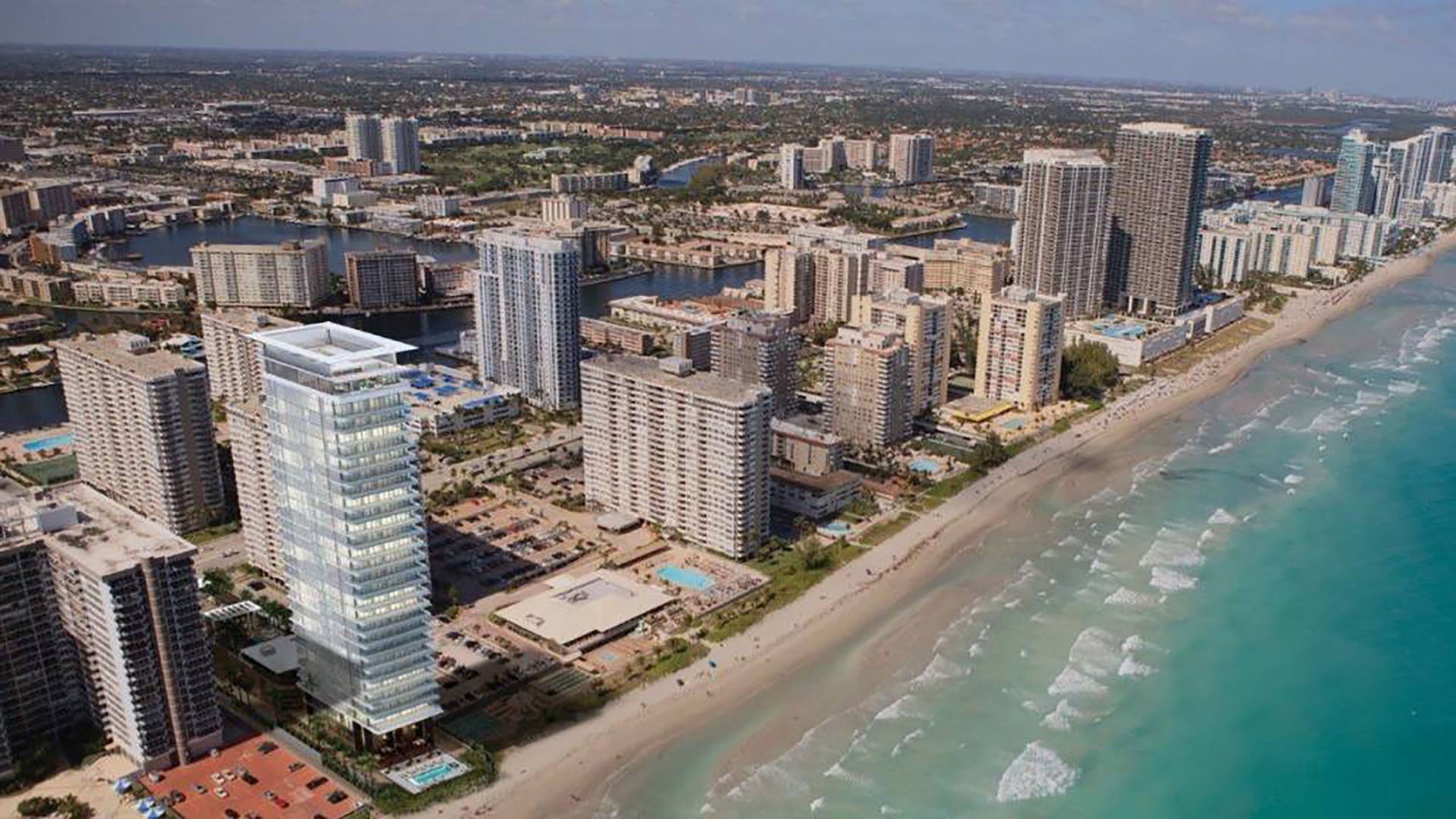
2000 Ocean Hallandale Beach is positioned as a contemporary oceanfront condominium shaped around sanctuary, curated service and a deliberately composed arrival. Its appeal is boutique rather than high-density: buyers are invited to consider not simply a residence, but a quieter relationship among architecture, hospitality and the Atlantic.
That distinction warrants disciplined scrutiny. In a condominium, privacy is produced as much by circulation, acoustics, staffing and policy as by design. This edition of MILLION Buyer's Guides examines the building through those practical filters. For buyers evaluating Hallandale Beach and the wider Broward coastline, the central question is whether the experience remains composed through ordinary life, busy weekends and peak season.
Residence count and building scale can influence traffic through the lobby, amenity areas, elevators and beachfront access. Yet scale alone does not establish privacy. Buyers should study how residents, guests, staff and deliveries move through the property-and where those paths intersect.
Walk from the entrance to the residence as though carrying groceries, hosting guests or receiving a delivery. Ask which elevators serve each purpose, how access is authorized and whether service activity is visible from principal residential routes. Review the location of elevator cores, common rooms and service areas in relation to the residence under consideration.
Acoustic separation warrants equal attention. Listen from inside the residence near entry doors, elevators and shared walls. Confirm construction and operational details through the condominium documents rather than inferring silence from a staged presentation.
Oceanfront living combines privileged access with an inherently public setting. Roads and the beach remain part of the surrounding environment, so buyers should distinguish estate-like seclusion from the privacy that can realistically be controlled within a condominium.
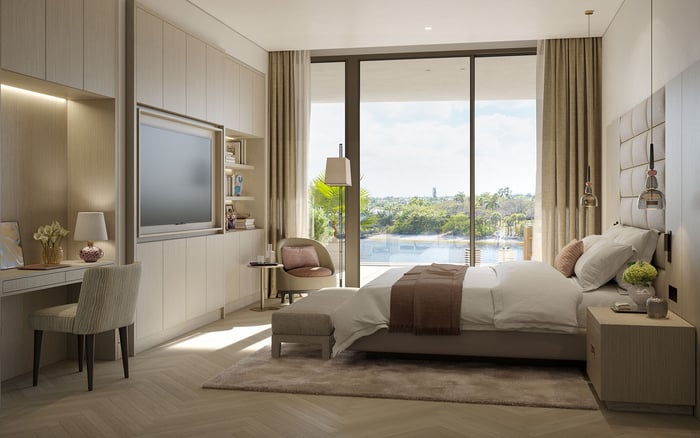
Sightlines matter in both directions. Consider views into the residence from neighboring buildings, common areas and the beachfront, then assess how glazing, terraces and window treatments may shape daily use. Apply the same test at different times of day, when interior lighting can alter visibility.
This distinction applies across the regional coast. Buyers comparing Auberge Beach Residences & Spa Fort Lauderdale and Armani Casa Residences Pompano Beach should similarly differentiate controlled residential zones from the public realm beyond them.
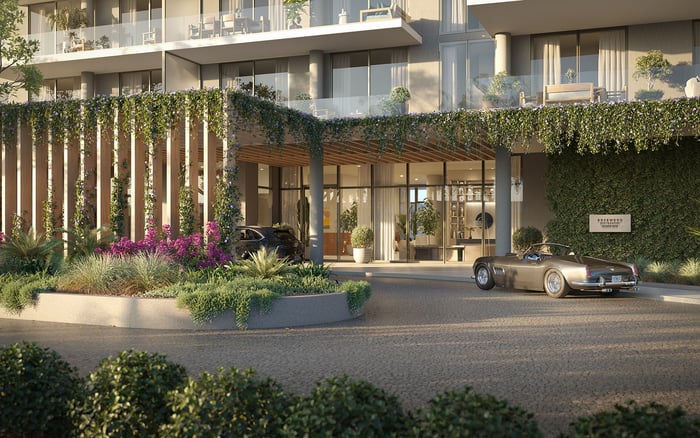
A successful arrival begins at the public road, not the lobby door. Drive the complete route into the property and through the driveway and porte cochere, then continue through screening, reception, the vertical core and the residence entry. Each transition should feel legible without unnecessarily exposing private areas.
The porte cochere and valet operation deserve scrutiny when several demands coincide. A resident returning home, guests arriving, a delivery vehicle and staff movement can produce a markedly different scene from a scheduled appointment. Observe whether vehicles stack, pedestrians cross active lanes, or luggage and packages remain visible in principal arrival spaces.
Security should be assessed with equal specificity. Ask how visitors are screened, elevator permissions are assigned, deliveries are held and beachfront access transitions into private residential territory. The objective is not conspicuous security, but calm, consistent control.
Terms such as curated service or five-star living are no substitute for a staffing roster. Buyers should verify which positions are continuously staffed, which services require advance booking and which carry separate charges. They should also understand coverage overnight, on weekends and during shift changes.
The practical questions are straightforward. Who receives a guest when several residents need assistance? Who handles a package after hours? What happens when valet demand rises? Written policies, staffing schedules and the service-fee schedule can show whether expectations and resources are aligned.
Consistency also shapes long-term perception. A beautifully designed lobby cannot compensate for irregular access control, slow delivery handling or uncertain guest procedures. Service is most persuasive when it becomes unobtrusive and repeatable.
The amenity program should support daily routines, private entertaining and guest hosting-not merely create a strong visual impression. Buyers should consider reservation policies, operating hours, staffing, capacity and the route guests take to each space.
Observe whether amenity circulation compromises residential quiet or places pressure on elevators. Ask how simultaneous gatherings are managed and whether private events affect access for other residents. Buyers considering another Hallandale proposition, such as Shell Bay by Auberge Hallandale, can apply the same operational test, even though the setting and residential concept differ.
Before committing, review the condominium declaration, current budget, staffing roster, security protocols, elevator plans, guest rules and service charges. These materials can clarify obligations and procedures left open by marketing language.
Then visit more than once. A peak-season inspection can expose traffic and valet pressure; a shift-change visit can reveal staffing continuity; an evening appointment can clarify lighting, sightlines and sound. Time the route from road to residence, note elevator waits and observe how deliveries are handled.
The goal is not to search for perfection. It is to determine whether the privacy, service and arrival sequence at 2000 Ocean align with the buyer’s habits, household and tolerance for shared-space activity.
What is 2000 Ocean positioned to offer? It is presented as a contemporary, highly designed oceanfront condominium with a boutique-scale residential experience.
Does boutique scale guarantee privacy? No. Privacy also depends on circulation, acoustics, access controls, sightlines and operating policies.
What should buyers inspect around the elevators? They should examine wait times, access permissions and the separation among residents, guests, staff and deliveries.
How should acoustic privacy be evaluated? Listen near entries, shared walls, elevators and service areas, then confirm the relevant details in the condominium documents.
Can an oceanfront condominium provide estate-level seclusion? Buyers should calibrate expectations because the surrounding roads and beach remain public environments.
What makes the arrival sequence important? It reveals how effectively the property manages traffic, screening and the transitions from public space to the residence.
When should the porte cochere be tested? Visit during a busy period, when resident, guest, valet, delivery and service movements may overlap.
Which service details should be verified? Confirm staffing hours, booking requirements, additional fees and procedures for guests, packages and after-hours needs.
How should amenities be assessed? Review capacity, hours, reservation rules, staffing and the effects on elevator traffic and residential quiet.
Which documents deserve close review? Examine the declaration, current budget, staffing roster, security procedures, elevator plans, guest rules and fee schedule.
To compare the best-fit options with clarity, connect with MILLION.
If branded residences are on your mind — as a home or as an allocation — we would be glad to share what we are seeing, privately.
Begin a quiet conversation