For South Florida luxury buyers, flood-zone interpretation is becoming less about a single map label and more about total property intelligence, from elevation and design to insurance, liquidity, and long-term ownership comfort.
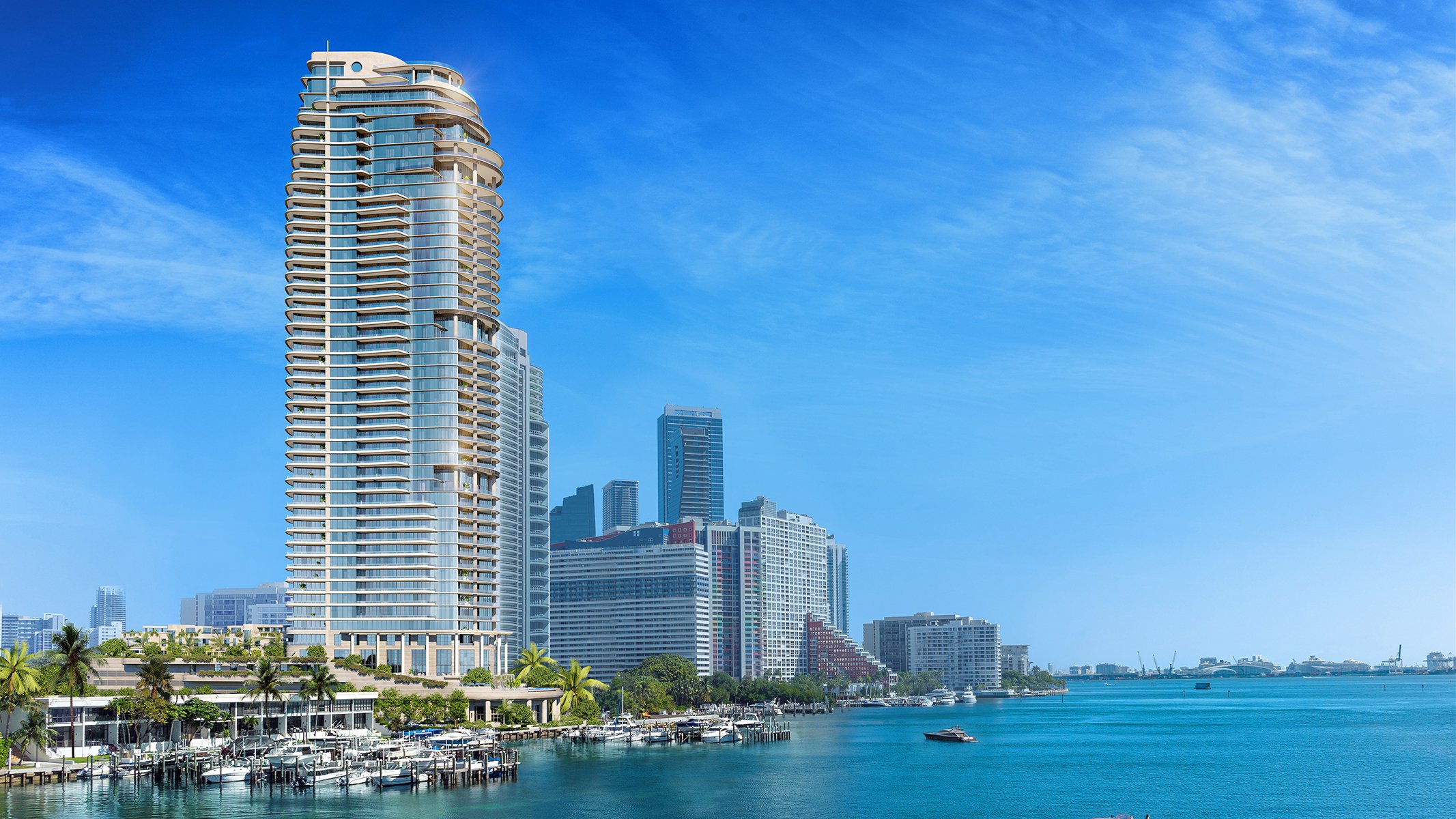
For the 2026 luxury buyer in South Florida, flood-zone interpretation has moved from a technical footnote to a central question of value, comfort, and future liquidity. The phrase can sound binary, as though a property is either acceptable or problematic. In practice, the conversation is far more refined. A flood-zone designation is the beginning of the review, not the conclusion.
The buyer who understands that distinction sees the asset more clearly. A waterfront estate, a bayfront condominium, or a low-lying single-family home can carry very different implications depending on elevation, building systems, access, insurance structure, construction age, drainage context, and the buyer’s intended use. A second-home owner who visits seasonally may weigh the question differently from a family planning around daily school commutes, staff access, and long-term generational ownership.
In the ultra-prime market, the goal is not to avoid water entirely. South Florida’s appeal is inseparable from water, light, views, docks, beaches, and open-air living. The goal is to understand what the property is actually asking of its next owner.
A flood-zone label is useful, but it is not a complete property diagnosis. Sophisticated buyers increasingly pair the label with a broader interpretation: finished-floor elevation, garage or lobby placement, mechanical systems, seawall condition where applicable, site grading, and the practical route in and out of the neighborhood during severe weather.
This is where the luxury lens matters. A residence may appear visually impeccable yet still require a deeper conversation about how it performs under stress. Conversely, a property in a more scrutinized area may have design characteristics that make ownership more comfortable than a casual reading suggests. The essential question is not whether a map creates concern. It is whether the property’s physical and financial profile has already addressed that concern.
Across Miami Beach, Sunny Isles, Fort Lauderdale, Palm Beach, Brickell, and new-construction settings, market labels are starting points, not underwriting conclusions. Each market carries its own relationship to water, density, access, and building format. A high-floor condominium in Brickell presents a different conversation from a waterfront home with a dock, even if both belong to the same coastal ownership ecosystem.
The most elegant due diligence begins before emotional commitment. Buyers should ask how water moves around the site, where critical systems are located, what the insurance picture looks like, and how the property has been maintained. They should understand whether the residence depends on private mitigation, community infrastructure, building-level design, or a combination of all three.
For condominiums, the question broadens from the unit to the building. The buyer should consider lobby elevation, parking levels, generator placement, mechanical rooms, association planning, and reserve posture. The view from the living room may be the emotional driver, but the building’s operational resilience is part of the asset.
For single-family homes, the inquiry becomes more granular. Finished-floor height, site drainage, exterior materials, landscaping design, garage exposure, pool equipment placement, and seawall condition can all affect the ownership experience. A home can be beautifully renovated yet still require specific review of systems that are not visible during a lifestyle-focused showing.
The strongest buyers do not treat these questions as obstacles. They treat them as leverage for clarity. If the answers are strong, confidence increases. If the answers are incomplete, the buyer can decide whether the property still warrants pursuit.
In South Florida’s upper tier, insurance should be read as part of the ownership architecture. It is not merely an annual line item. It influences carrying cost, lender comfort, resale perception, and the emotional ease of holding an asset through changing market conditions.
A flood-zone interpretation should therefore include both availability and structure. Buyers should review how coverage may be assembled, what deductibles imply, and whether the property’s physical profile supports a more coherent insurance conversation. In certain cases, the best property is not the one with the lowest headline cost, but the one with the clearest documentation and the least ambiguity.
This is especially important for buyers comparing different property types. A full-service condominium, a branded residence, a waterfront estate, and a boutique low-rise may distribute responsibilities differently. The purchase price is only one expression of value. The quality of the ownership framework matters just as much.
Flood-zone scrutiny does not erase the waterfront premium. It refines it. The most compelling properties are those where lifestyle and resilience can be discussed in the same breath. Wide views, private outdoor space, marina access, beach proximity, and skyline exposure continue to command attention because they deliver what cannot be replicated inland.
The difference is that 2026 buyers are less likely to be satisfied by aesthetics alone. They want the romance of the water with a disciplined explanation of the asset. That explanation may include elevation, construction quality, building operations, maintenance history, or the relative ease of access during disruptive weather.
For sellers, this changes presentation strategy. The most persuasive luxury listing does not hide from flood-zone questions. It anticipates them with organized documentation and a calm narrative. For buyers, this creates a more productive negotiation environment. The property is not reduced to fear, nor is risk ignored. It is interpreted.
The deeper buyer question is future liquidity. If a buyer acquires today, how will the next sophisticated buyer interpret the same property tomorrow? This is where flood-zone analysis becomes more than personal comfort. It becomes a resale lens.
A property with clear documentation, thoughtful improvements, strong building systems, and an intelligible insurance profile is easier to explain. Ease of explanation matters in luxury real estate. It helps a future buyer move from concern to conviction. Ambiguity, by contrast, can slow decisions, widen negotiation gaps, or narrow the pool of buyers who feel comfortable proceeding.
This does not mean every property must be perfect. It means the risk story should be legible. The most resilient luxury assets are often the ones whose strengths can be communicated succinctly: location, design, view, access, systems, and ownership clarity.
When two properties are visually comparable, the flood-zone conversation can reveal the stronger asset. Buyers should compare not only views and finishes, but also elevation logic, building or site management, access routes, insurance structure, and whether the home’s critical systems are protected.
A practical framework is to separate emotion from interpretation. First, identify the lifestyle value: view, privacy, outdoor space, neighborhood, services, and design. Then evaluate the ownership questions: carrying cost, maintenance, resilience, documentation, and future resale clarity. The best acquisition is rarely the one that wins on beauty alone. It is the one that remains compelling after scrutiny.
In this sense, flood-zone interpretation is not a negative exercise. It is a luxury discipline. It protects the buyer’s ability to enjoy the property without being surprised by it.
The 2026 buyer is not simply asking, “Is this home in a flood zone?” The more precise question is, “How should this property be understood because of its flood-zone context?” That shift changes everything. It invites nuance, rewards preparation, and allows the best properties to stand apart.
South Florida will continue to attract buyers who want water, air, architecture, and a lifestyle that feels distinct from anywhere else in the country. The difference is that the most sophisticated buyers will pair aspiration with interpretation. They will not avoid complexity. They will require that complexity be translated into clear ownership intelligence.
That is the buyer question behind flood-zone interpretation, and it is likely to define many of the most important conversations in the luxury market ahead.
Is a flood-zone designation enough to reject a luxury property? No. It should trigger deeper review of elevation, systems, insurance, access, and resale clarity.
What is the first document a buyer should request? Buyers often begin with elevation, insurance, survey, and building or property documentation relevant to water exposure.
Are condominiums simpler to evaluate than houses? Not always. A condominium adds questions about shared systems, parking, reserves, and association planning.
Do high-floor units avoid all flood-related concerns? No. The residence may be elevated, but the building’s lobby, parking, utilities, and access still matter.
Should waterfront buyers expect more due diligence? Yes. Waterfront appeal is powerful, but it should be paired with a disciplined review of physical and financial factors.
Can flood-zone interpretation affect resale? Yes. Future buyers will want a clear explanation of risk, mitigation, insurance, and ownership costs.
Does new construction always solve the issue? Not automatically. Newer design can help, but buyers should still review the specific building or site conditions.
How should Brickell buyers think about the topic? Brickell buyers should look beyond the unit and evaluate building access, parking, systems, and operational resilience.
Is insurance only a cost issue? No. Insurance also affects lender comfort, buyer confidence, and the ease of explaining the property later.
What is the smartest mindset for 2026 buyers? Treat flood-zone interpretation as part of the acquisition strategy, not as an afterthought.
If you'd like a private walkthrough and a curated shortlist, connect with MILLION.
If branded residences are on your mind — as a home or as an allocation — we would be glad to share what we are seeing, privately.
Begin a quiet conversation