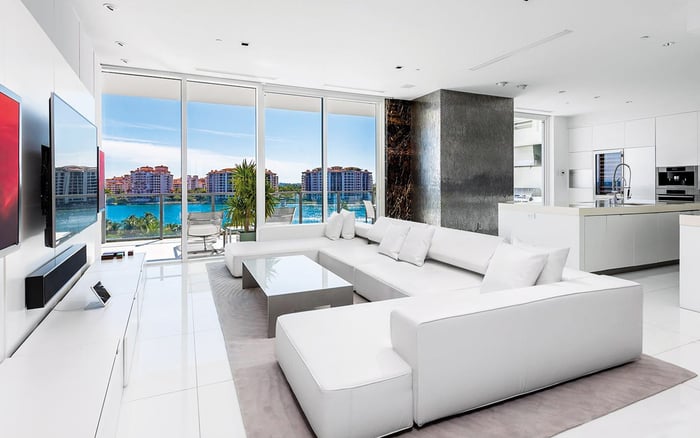
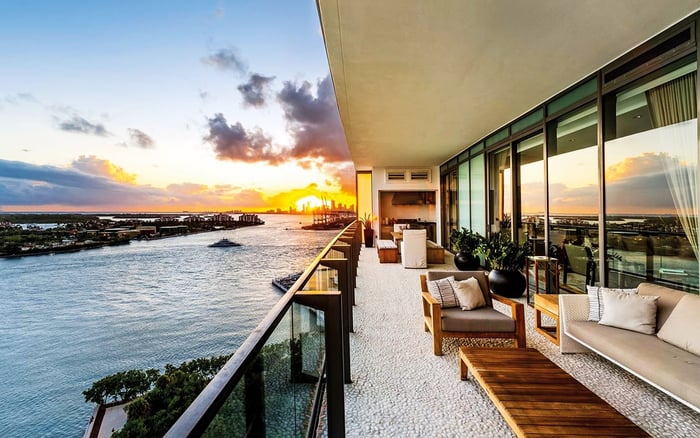
A buyer-focused look at Apogee South Beach and why laundry-room placement has become a quiet marker of true luxury, floor-plan intelligence, privacy, and long-term livability in South of Fifth.
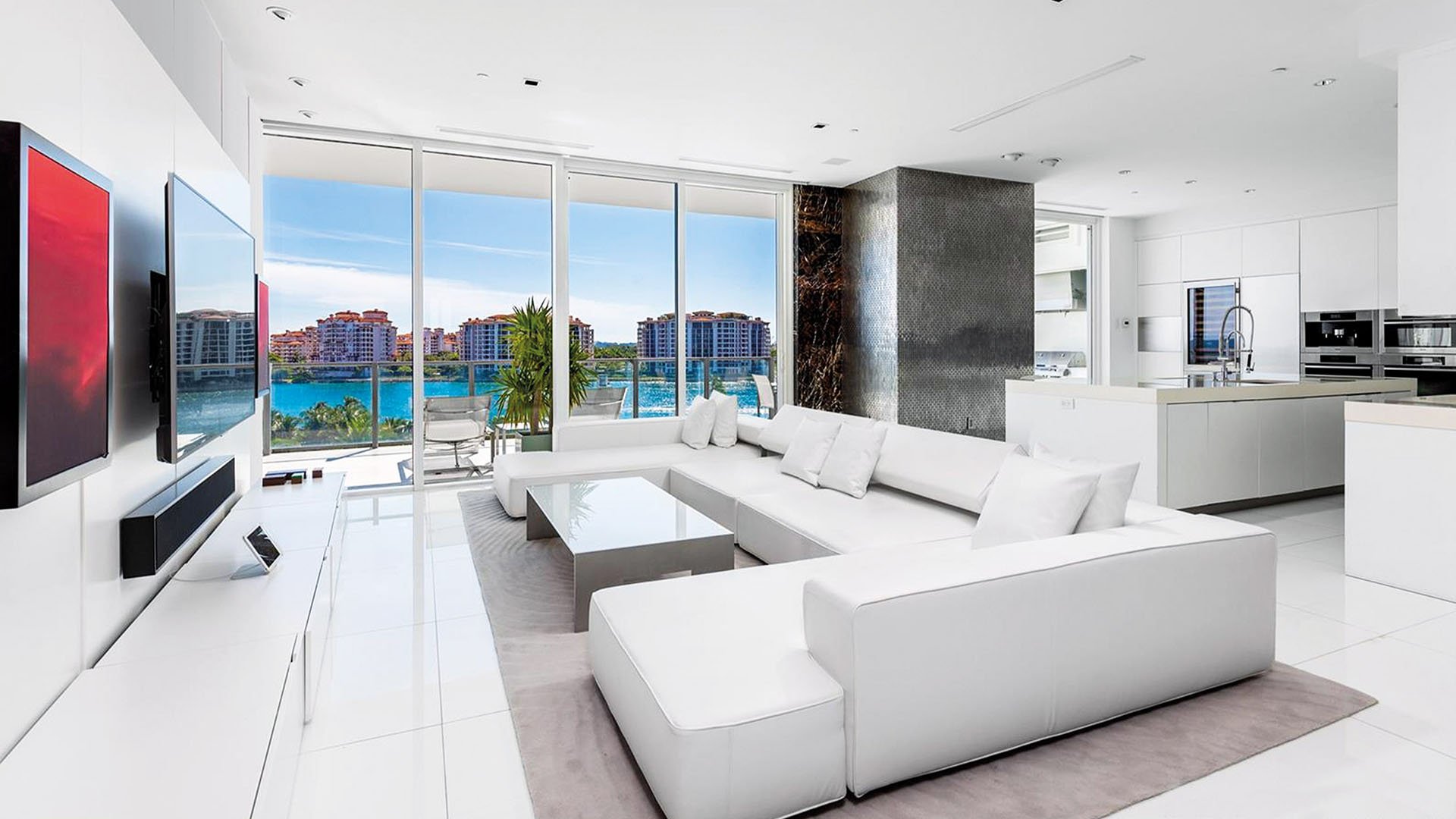
Apogee South Beach invites a more exacting conversation about luxury. In the South of Fifth market, where water exposure, walkability, beach access, dining, marina proximity, and residential calm all shape the buyer’s mental map, visible beauty is only the first layer. The more sophisticated question is how the residence works once the doors close.
That is why laundry-room placement deserves attention. It may seem deliberately understated, even too practical for an ultra-luxury discussion, but it is precisely the kind of detail that separates a photogenic apartment from a deeply livable home. In a serious residence, laundry is not occasional. It is sheets, towels, activewear, pool gear, table linens, guest turnover, family routines, and often staff coordination.
Apogee South Beach is useful as a case study because its appeal is tied not only to views, finishes, and brand perception, but also to the quieter discipline of plan intelligence. For buyers comparing Miami Beach, South of Fifth, Sofi, resale, and waterview opportunities, the floor plan is not a secondary document. It is the operating system of the home.
A well-placed laundry room does several things at once. It keeps household work accessible without allowing it to intrude on the private or social experience of the residence. It supports noise control, reduces visual clutter, helps manage humidity, and limits awkward circulation through formal areas. In a home designed for entertaining, sleeping, wellness, and retreat, these are not minor considerations.
Poor placement can undermine luxury in ways that are immediately felt, even if not immediately named. A washer-dryer closet opening into a principal corridor can make daily chores visible at the wrong moments. A laundry area too close to bedrooms can introduce sound into the most private zone of the home. A service function placed near the kitchen or entry can interrupt the visual calm buyers expect at this level.
The better solution is not simply a larger laundry room. It is a more intelligent relationship between the laundry area, storage, service circulation, bedrooms, and entertaining spaces. The ideal arrangement allows household operations to move quietly in the background. Family, guests, and staff can function without competing for the same pathways or exposing the mechanics of living.
This is quiet luxury in its most literal form. It is not louder materials or more decorative volume. It is restraint, separation, and ease.
South of Fifth has a particular rhythm within Miami Beach. It is close to the energy of South Beach, yet valued as a calmer residential enclave at the southern tip of the island. Buyers are drawn to its combination of walkable streets, waterfront context, beach access, marina adjacency, dining, and a sense of retreat.
That lifestyle changes how residences are judged. A buyer who treats a Miami home as a full-time or extended-stay residence will scrutinize practical spaces differently than someone buying a purely occasional getaway. The question becomes less about whether the residence photographs well and more about whether it can absorb daily life with grace.
In that context, laundry-room placement becomes a proxy for the plan’s respect for real living. It shows whether the residence anticipates sandy towels after the beach, linens after hosting, activewear after morning training, and the quiet repetition of household maintenance. A glamorous residence that cannot manage these routines discreetly is less luxurious than it first appears.
Resale value in the ultra-premium segment is shaped by emotion, scarcity, location, and presentation, but livability still matters. Buyers at this level often make fast judgments about flow. They can feel when a plan forces service activity into public space. They can also feel when a residence allows formal rooms to stay serene while practical functions remain close enough to be useful.
This is why secondary rooms can materially influence perceived quality. Laundry, storage, utility areas, and staff-support spaces may not anchor the marketing image, but they shape the ownership experience every week. Over time, these rooms determine whether the residence feels composed or compromised.
Older luxury-condo planning often treated laundry as something to be hidden in a corridor, kitchen-adjacent closet, or compact utility niche. Today’s best buyers expect a more complete domestic infrastructure. They want a home that performs as well as it presents.
For Apogee South Beach, the broader lesson is that benchmark luxury is not only the view line or the finish palette. It is also the way the plan protects privacy, reduces friction, and lets daily life happen without spectacle.
When touring an ultra-luxury residence, the laundry room should be read as part of the larger plan. Notice what it touches. Is it too close to the primary suite, or sensibly buffered? Does it require household work to pass through an entertaining zone? Can towels, linens, and garments move without crossing the most formal parts of the home? Does the location support staff circulation without making that circulation feel exposed?
Also consider humidity and sound. In a coastal market, wet towels and pool gear are not theoretical. A strong service zone should feel convenient, but not intrusive. The best placement is rarely the most obvious one. It is the one that disappears into the rhythm of the residence.
This is the quiet luxury case for laundry-room placement. It asks buyers to look beyond the cinematic first impression and study the rooms that make the home livable. At the Apogee South Beach level, elegance is not only what is displayed. It is what is controlled.
Why does laundry-room placement matter in a luxury condo? It affects noise, privacy, clutter, humidity control, and how smoothly the residence operates day to day.
Is this really relevant for an ultra-luxury buyer? Yes. Larger residences create more laundry demand through linens, towels, guests, pool gear, staff, and family routines.
What makes Apogee South Beach a useful case study? It frames luxury as both visible design and less visible floor-plan discipline within the South of Fifth market.
How does poor placement reduce the feeling of luxury? It can push service activity into corridors, kitchens, bedrooms, or entertaining zones where it feels disruptive.
What is the ideal laundry-room relationship to living areas? It should be accessible, but visually and acoustically separated from formal entertaining and sleeping areas.
Why does South of Fifth heighten this concern? The area attracts buyers who value calm, walkability, beach access, water exposure, dining, and full residential use.
Does laundry placement influence resale appeal? It can, because sophisticated buyers often notice whether a home functions smoothly beyond its first impression.
What should buyers look for during a showing? They should study circulation, storage adjacency, sound buffering, and whether household tasks cross formal spaces.
Is a bigger laundry room always better? Not necessarily. Placement, separation, and workflow can matter as much as size.
What is the main quiet luxury lesson? The most refined residences make daily operations feel effortless, private, and almost invisible.
For a confidential assessment and a building-by-building shortlist, connect with MILLION.
If branded residences are on your mind — as a home or as an allocation — we would be glad to share what we are seeing, privately.
Begin a quiet conversation