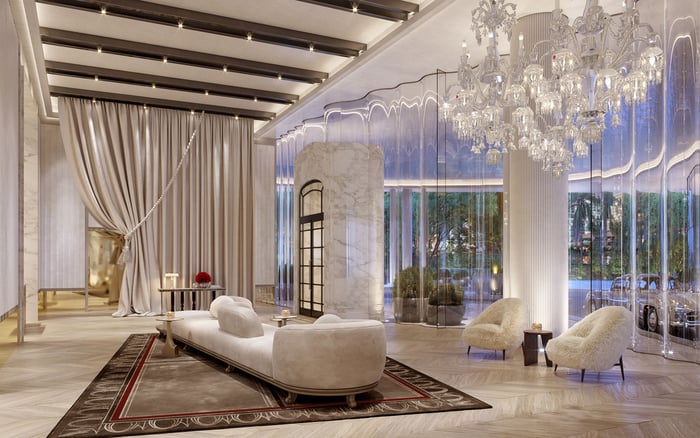
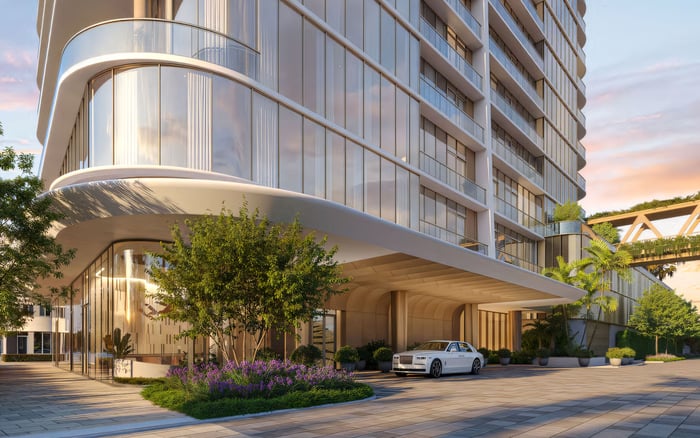
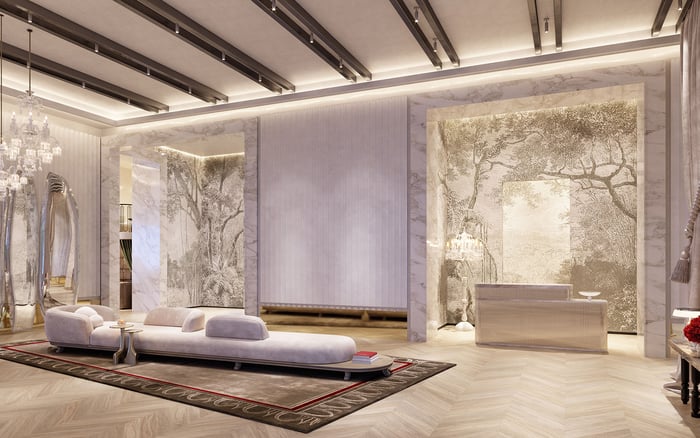
A discreet buyer’s guide to evaluating terrace living at One Thousand Museum Downtown Miami, with practical questions on orientation, wind, shade, furniture, drainage, privacy, and entertaining logistics.
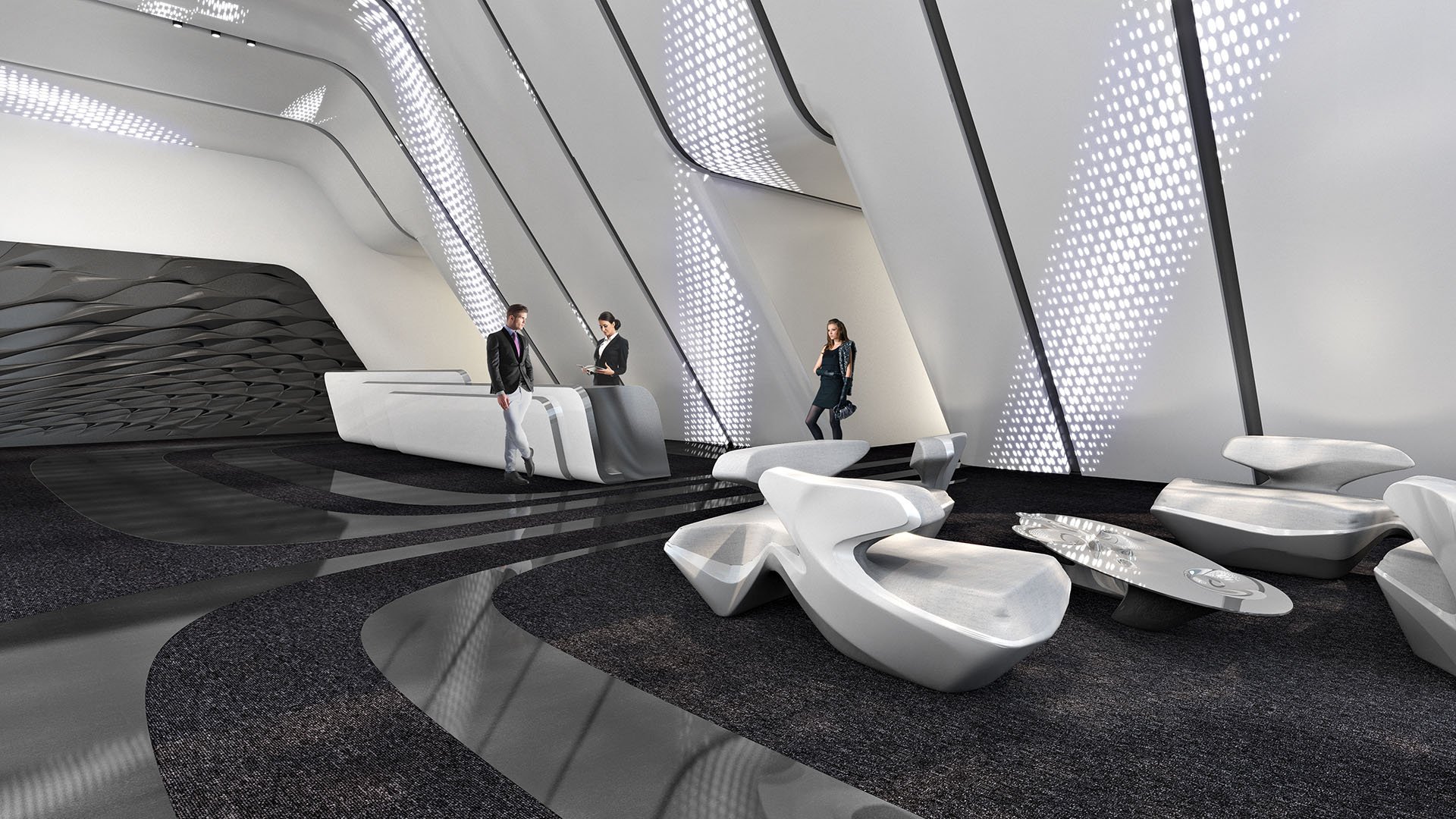
At One Thousand Museum Downtown Miami, terrace living is inseparable from the tower’s position along Biscayne Boulevard, near Biscayne Bay and Museum Park. The appeal is immediate: open-water outlooks, park adjacency, a dramatic architectural profile, and a Downtown Miami address that gives outdoor space an uncommon urban intensity. For a buyer, however, the most important terrace questions are not limited to the view. They are about use.
A terrace that photographs beautifully may behave differently at 8 a.m., 3 p.m., or after sunset. Shade, wind, glare, privacy, drainage, and furnishing rules can determine whether an outdoor area becomes a daily retreat, a dining extension, or a space reserved for ideal evenings. In search filters, Balcony and Terrace often appear as simple amenities. In a coastal high-rise, they deserve the same scrutiny as the kitchen, primary suite, and parking plan.
The first due-diligence question is orientation. Bay-facing terraces at One Thousand Museum carry the strongest open-water and Museum Park appeal, delivering the Waterview experience that defines many trophy Miami residences. That exposure should also prompt more detailed questions about wind comfort, usable seating zones, and how often doors can remain open comfortably.
West-facing terraces offer a different proposition. They trade direct bay exposure for downtown skyline views, a more urban atmosphere, and distinct privacy conditions. A buyer who wants sunset light, city energy, and a stronger connection to the vertical neighborhood may prefer that orientation, while a buyer focused on water and park views may prioritize the bay side.
Corner residences require even closer study. Sun angle, glare, shade, and heat can vary materially by time of day, especially where glass, water reflection, and surrounding towers create changing conditions. A serious buyer should visit the specific residence at multiple hours when possible, rather than rely on a daytime showing or marketing imagery.
This same orientation discipline applies across the Downtown luxury market. Buyers comparing nearby towers such as Aston Martin Residences Downtown Miami or Waldorf Astoria Residences Downtown Miami should ask the same essential question: does the outdoor space work at the hour you actually plan to use it?
High floors can feel private, serene, and removed from street-level noise. At the same time, elevation can change the terrace experience dramatically. A buyer should ask specifically about wind conditions at the residence level and evaluate them in person whenever access allows.
Wind comfort is not a generic building-wide trait. It can shift with floor height, terrace orientation, neighboring towers, and the relationship between Biscayne Bay and the urban canyon of Downtown. A terrace may have one comfortable zone near the door, another windier area near the edge, and a third area that works only with carefully placed furniture. The goal is not to eliminate wind entirely, which is unrealistic in a coastal high-rise setting, but to understand how it affects dining, reading, planting, and conversation.
Lower and mid-level terraces call for a different set of questions. They may have a more direct relationship with Biscayne Boulevard, including potential traffic noise, city light spill, and nearby-building sightlines. That can feel energizing or intrusive depending on the buyer’s lifestyle. The private, elevated quality of One Thousand Museum should not prevent a buyer from studying the exact terrace level with clear eyes.
Shade planning is where aesthetics meet building rules. A buyer may imagine umbrellas, awnings, screens, planters, or integrated shade devices, but the operative question is what building management or the association permits on private terraces. Before designing an outdoor room, confirm the rules.
In Miami, shade is not merely about comfort. It affects upholstery life, surface heat, plant selection, glare control, and the ability to host during shoulder hours. A bay-facing terrace may have extraordinary morning appeal and different afternoon behavior. A west-facing terrace may be compelling at sunset yet demand more careful heat and glare management earlier in the evening.
The buyer should ask whether freestanding umbrellas are permitted, whether they require specific bases or anchoring, and whether any screens or shade structures need prior approval. Large planters can provide visual softness and partial screening, but they also introduce questions about weight, drainage, wind, and maintenance. In a sculptural tower where terraces are visually prominent, outdoor modifications should be considered not only from inside the residence, but also from nearby towers and public areas.
Outdoor furniture at this address should be selected for a coastal high-rise environment. Salt-air resistance, UV stability, fast-drying cushions, corrosion-resistant frames, and secure placement all matter. Beautiful pieces that work in a sheltered garden may be poorly suited to an exposed terrace above Biscayne Boulevard.
Before purchasing furniture, buyers should confirm whether the association has requirements related to weight, anchoring, fire rating, drainage clearance, or hurricane-season storage. The storage question is especially practical. Where will cushions, loose accessories, umbrellas, lanterns, or lightweight chairs go when conditions require removal from the terrace? If the residence has limited interior storage, an outdoor plan that looks elegant in renderings may become cumbersome in practice.
Drainage deserves its own inspection. Heavy rain can arrive quickly, and large planters, rugs, or furniture groupings should not obstruct water flow. Buyers planning outdoor rugs should ask whether they are allowed, how they drain, and whether they can trap moisture or debris. Even a refined furniture layout should be tested against the fundamentals: water must move, doors must remain functional, and service access must be maintained.
For many buyers, the terrace is not just a place for coffee. It is the reason to own a Downtown Miami residence. But entertaining outdoors requires logistics. Ask how catering arrives, which elevator paths guests and service teams use, where staging can occur, how trash is removed, and whether terrace doors can stay open without discomfort.
Dining capacity should be tested physically. A table that seats eight may fit on plan, but does it leave room for circulation, serving, planters, and wind-protected seating? Can guests move naturally between the interior living area and the terrace? Is nighttime lighting sufficient without becoming harsh or visible in an unwanted way from neighboring buildings?
Privacy is also part of hospitality. One Thousand Museum’s sculptural architecture makes terraces visually prominent, which is part of the allure. Still, buyers who entertain often should study sightlines from nearby towers and public areas. The best terrace is not necessarily the most exposed or the most secluded. It is the one that matches the owner’s social rhythm.
This is why terrace due diligence should be as rigorous here as it would be when comparing other design-driven urban residences such as Casa Bella by B&B Italia Downtown Miami, Faena Residences Miami Downtown Miami, or bayfront alternatives in Edgewater and Brickell. The question is not only where the view is strongest. It is where life feels most effortless.
Before finalizing a purchase, a buyer should experience the exact terrace rather than generalize from the building’s reputation. Stand near the railing, near the doors, and in the likely seating area. Listen for Biscayne Boulevard, observe glare, study privacy, and note how wind behaves. If entertaining matters, walk the path from elevator to kitchen to terrace and imagine the evening in motion.
Ask the association or building management about grills, outdoor kitchens, heaters, speakers, televisions, rugs, planters, lighting, umbrellas, and screens. Confirm what is prohibited, what requires approval, and what must be removed or stored during storm preparation. If the terrace is central to the acquisition, these are not minor afterthoughts. They are core purchase questions.
The strongest buyers in this segment are not simply buying square footage or a skyline. They are buying repeatable pleasure: breakfast with bay light, a shaded afternoon reading chair, a dinner that does not fight the wind, and furniture that still looks considered after a Miami summer. At One Thousand Museum, the terrace can be a defining luxury, provided it is evaluated as carefully as the residence behind it.
Should buyers prioritize a bay-facing terrace at One Thousand Museum? Bay-facing terraces offer strong open-water and park-view appeal, but buyers should also evaluate wind, shade, glare, and comfort at the specific residence.
Are west-facing terraces less desirable? Not necessarily. West-facing terraces offer skyline views, different privacy conditions, and a more urban outdoor environment.
Why should terrace orientation be tested at different times of day? Sun angle, heat, glare, and shade can shift materially between morning, afternoon, and evening, especially in a glassy coastal skyline.
Do upper floors always have better terrace conditions? Upper floors may feel more private and removed from street noise, but buyers should ask about stronger wind exposure at elevation.
What should buyers ask about shade devices? Confirm whether umbrellas, awnings, screens, planters, or built-in shade solutions are permitted and whether approvals are required.
What furniture works best on a coastal high-rise terrace? Look for salt-air resistance, UV stability, fast-drying cushions, corrosion-resistant frames, and secure placement.
Can buyers assume grills or outdoor kitchens are allowed? No. Buyers should ask management or the association about grills, outdoor kitchens, heaters, speakers, televisions, rugs, planters, and lighting.
Why is drainage important on a luxury terrace? Large planters, rugs, and furniture groupings can obstruct water flow, so drainage should be reviewed before finalizing an outdoor layout.
How should entertaining plans be tested? Walk guest circulation, catering setup, trash removal, dining capacity, seating placement, wind-protected zones, and nighttime lighting.
Is a terrace showing enough to understand daily use? A single showing helps, but buyers should revisit when possible and test the terrace at the times they expect to use it most.
For a tailored shortlist and next-step guidance, connect with MILLION.
If branded residences are on your mind — as a home or as an allocation — we would be glad to share what we are seeing, privately.
Begin a quiet conversation