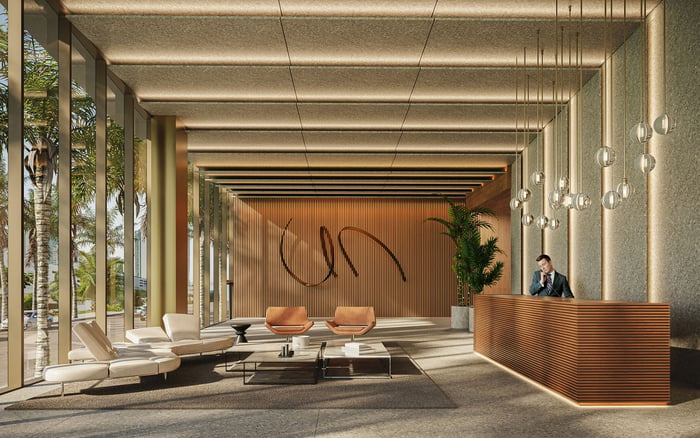
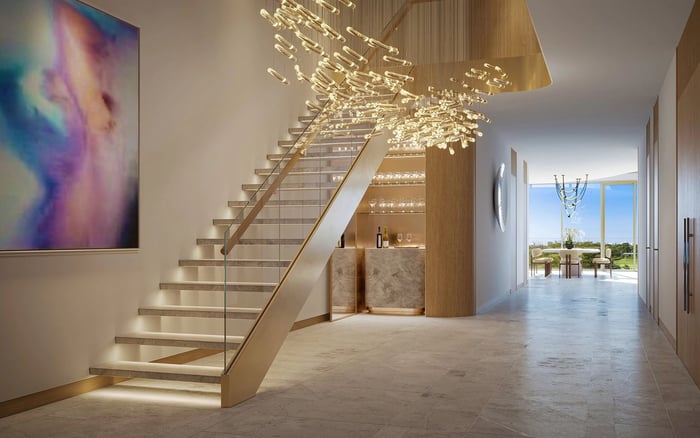
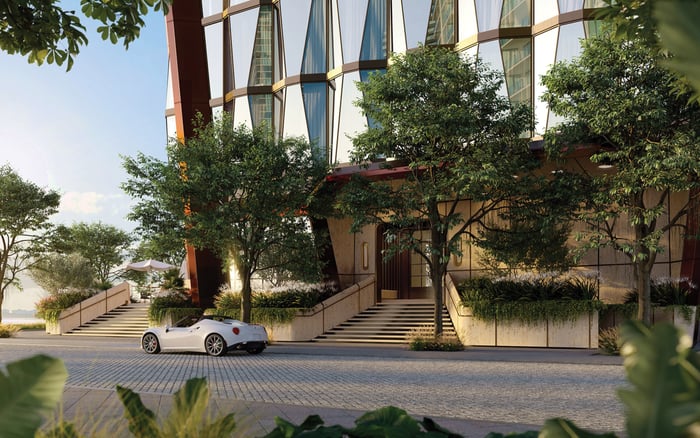
A buyer-focused editorial on how Mr. C Tigertail Coconut Grove and EDITION Edgewater interpret branded residential privacy through setting, service, discretion, and operational control.
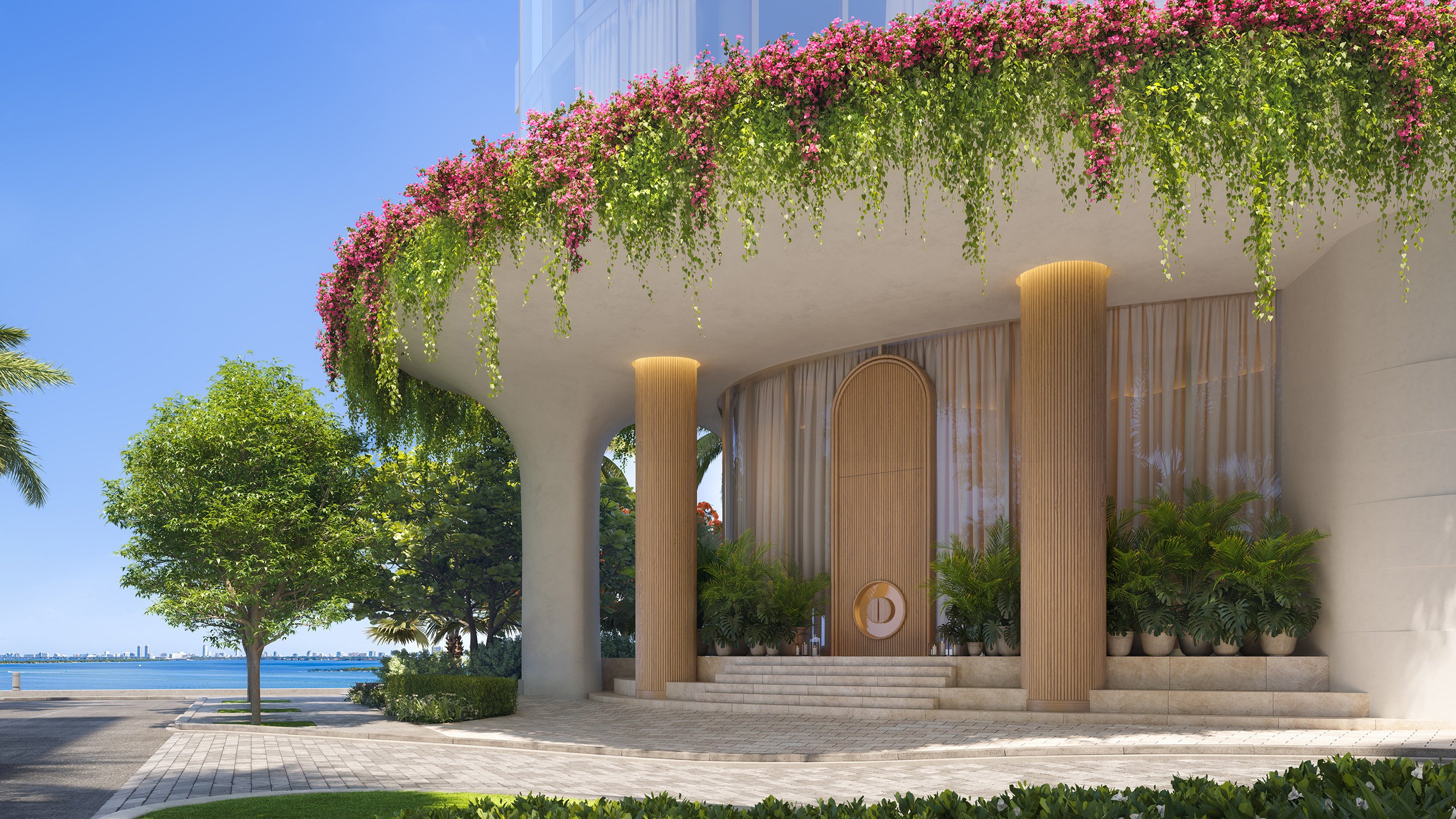
For 2026 luxury buyers, branded residential living is no longer defined solely by the elegance of the lobby, the polish of the service desk, or the cachet of a familiar hospitality name. The more revealing question is quieter: how does the building protect the resident’s private life once the brand has brought attention to the address?
That is where Mr. C Tigertail Coconut Grove and EDITION Edgewater create a useful contrast. Both sit within the expanding world of Branded Residences, both borrow from hotel-level service culture, and both speak to buyers who want daily life to feel considered. Yet they frame privacy from different positions. Mr. C Tigertail Coconut Grove leans into Coconut Grove’s leafy, lower-key residential identity and boutique hospitality sensibility. EDITION Edgewater interprets privacy through a more urban, design-forward, service-rich waterfront lens.
The distinction matters because privacy in Miami is no longer purely architectural. It is operational. It lives in staffing protocol, guest control, amenity programming, resident-only thresholds, house rules, rental oversight, data discretion, and the separation of public-facing brand energy from the lived routine of an owner.
Mr. C Tigertail Coconut Grove is best understood as a boutique branded residence where the hospitality influence is designed to feel residential rather than resort-like. Its tone is polished, personal, and ideally unobtrusive.
For privacy-focused buyers, Coconut Grove reinforces that narrative. The neighborhood is widely perceived as leafy, residential, and lower-key than Miami’s denser waterfront corridors. That does not make it detached from the city. It makes the atmosphere more controlled. The arrival sequence, street presence, neighborhood pace, and ability to move through daily life without the constant performance of a major urban district all become part of the privacy proposition.
In this setting, discretion is not just about who can access an amenity. It is about whether service can be present without becoming theatrical. Buyers evaluating Mr. C should study how staff are trained to recognize residents without overexposure, how guests are received, how amenity spaces are separated from residential zones, and how the building preserves a calm domestic rhythm despite its brand pedigree.
That is why Mr. C does not compete only on amenities. Its stronger argument is the ability to make hospitality feel quiet. For buyers comparing the Grove’s residential personality across projects such as Four Seasons Residences Coconut Grove or The Well Coconut Grove, the key question is not simply which name carries more recognition. It is which environment offers the most natural version of privacy.
EDITION Edgewater approaches the same buyer concern from a different urban condition. Edgewater is not secluded in the Grove sense. It is a high-style waterfront district with density, movement, views, and brand-conscious energy. Within that setting, privacy becomes more managed than hidden.
The EDITION identity is cosmopolitan and design-forward. That positioning carries a different expectation from Mr. C. Buyers may anticipate a more metropolitan mood, more visual polish, and a sharper sense of arrival. The challenge is making that energy work for residents without allowing it to dilute the personal control that condominium ownership requires.
For EDITION buyers, the privacy audit should focus on separation. How does the project distinguish resident life from amenity activity? How are guests routed? Where do staff operations occur? How much brand energy is concentrated in shared spaces, and how effectively is it buffered from private residential floors and daily routines?
This is not a criticism of urban branded living. It is the central discipline of it. Projects in Edgewater must satisfy buyers who want waterfront convenience and hospitality-level service without feeling exposed to the constant motion of a public hotel. As buyers compare EDITION with other Edgewater options such as Aria Reserve Miami or Villa Miami, the deeper issue becomes the quality of operational choreography.
The most sophisticated buyers are no longer satisfied with broad claims of exclusivity. They want to understand the mechanics. Privacy begins before the front door: the approach to the building, the visibility of arrivals, and the presence or absence of unnecessary friction. It continues through the lobby, elevators, amenity floors, service corridors, and digital systems.
In a branded condominium, staff discretion is especially important. Excellent service should reduce exposure, not increase it. Residents should not feel that every request becomes part of a visible performance. The best hospitality-trained teams understand when to anticipate and when to disappear.
Guest control is another major issue. A residence can feel private only if visitors are managed with clarity. That includes how guests are announced, where they wait, which amenities they may access, and how the building distinguishes invited presence from casual circulation. In 2026, buyers should also ask about house rules, rental policies, amenity reservations, event programming, and data handling. These are not minor administrative details. They shape the everyday feeling of control.
Amenity design matters, but amenity governance may matter more. A beautiful pool deck or lounge can undermine privacy if programming is too active, guest policies are too loose, or resident-only areas are not clearly protected. The true luxury is not abundance. It is confidence that abundance will not intrude.
The question is not whether Mr. C Tigertail Coconut Grove or EDITION Edgewater is more luxurious. That framing is too simple. The better question is which version of discretion aligns with a buyer’s life.
Mr. C is for the buyer who places a premium on neighborhood softness, boutique scale, and hospitality that feels almost private-club residential in tone. Its privacy story begins with Coconut Grove itself, then depends on how the building maintains intimacy through staff culture, guest management, and amenity separation.
EDITION is for the buyer who wants the polish of a global hospitality language in a more urban waterfront environment. Its privacy story is not about retreat from the city. It is about mastering the city through design, service protocol, and controlled circulation.
Both approaches can be compelling. Both require scrutiny. A branded name may open the emotional door, but due diligence should focus on what happens after move-in: who sees you, who serves you, who can reach you, who can share your spaces, and how easily the building can preserve calm when the brand itself attracts attention.
A privacy-minded buyer should begin with practical questions. Where are resident-only thresholds? How do guests move through the property? Are amenity spaces positioned to support daily residential life, or do they create a hotel-like center of gravity? How are staff areas concealed or separated? How is resident information handled? What rules govern short stays, events, and outside access?
The answers will reveal whether a project’s hospitality promise is truly residential. In South Florida’s ultra-premium market, privacy is not the absence of service. It is the refinement of service until it feels effortless, discreet, and controlled.
Is Mr. C Tigertail Coconut Grove positioned as a boutique branded residence? Yes. Its appeal is closely tied to a more intimate hospitality sensibility and Coconut Grove’s residential character.
Is EDITION Edgewater more urban in its privacy approach? Yes. EDITION Edgewater frames privacy through managed service, circulation, and resident control in a denser waterfront setting.
Does Coconut Grove strengthen the Mr. C privacy narrative? Yes. Coconut Grove’s leafy, lower-key setting supports a quieter residential atmosphere.
Does Edgewater make privacy harder to achieve? Not necessarily. It makes privacy more dependent on operational design, guest routing, and amenity separation.
Are Branded Residences automatically more private? No. A brand can elevate service, but privacy depends on rules, staffing, access control, and building culture.
What should buyers ask about guest access? Buyers should ask how guests are announced, where they circulate, and which amenities they may use.
Why does staff discretion matter so much? Staff shape the daily experience of privacy by knowing when to assist and when to remain invisible.
Should rental policies be part of privacy due diligence? Yes. Rental rules can influence building traffic, amenity pressure, and the feeling of residential control.
Which buyer fits Mr. C best? A buyer who values boutique scale, Coconut Grove calm, and discreet hospitality may find it especially aligned.
Which buyer fits EDITION Edgewater best? A buyer who wants polished urban service, waterfront energy, and carefully managed privacy may prefer EDITION Edgewater.
For a tailored shortlist and next-step guidance, connect with MILLION.
If branded residences are on your mind — as a home or as an allocation — we would be glad to share what we are seeing, privately.
Begin a quiet conversation