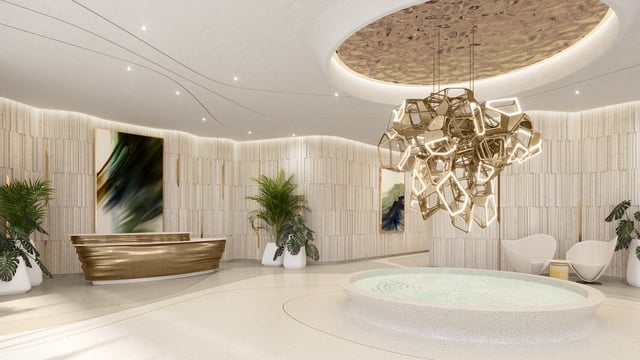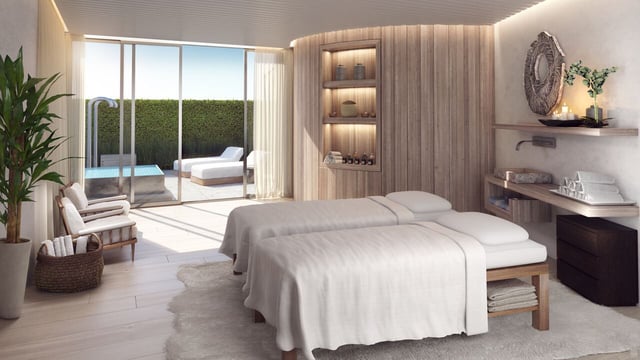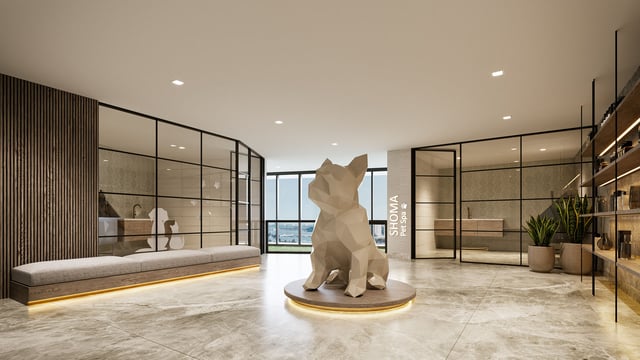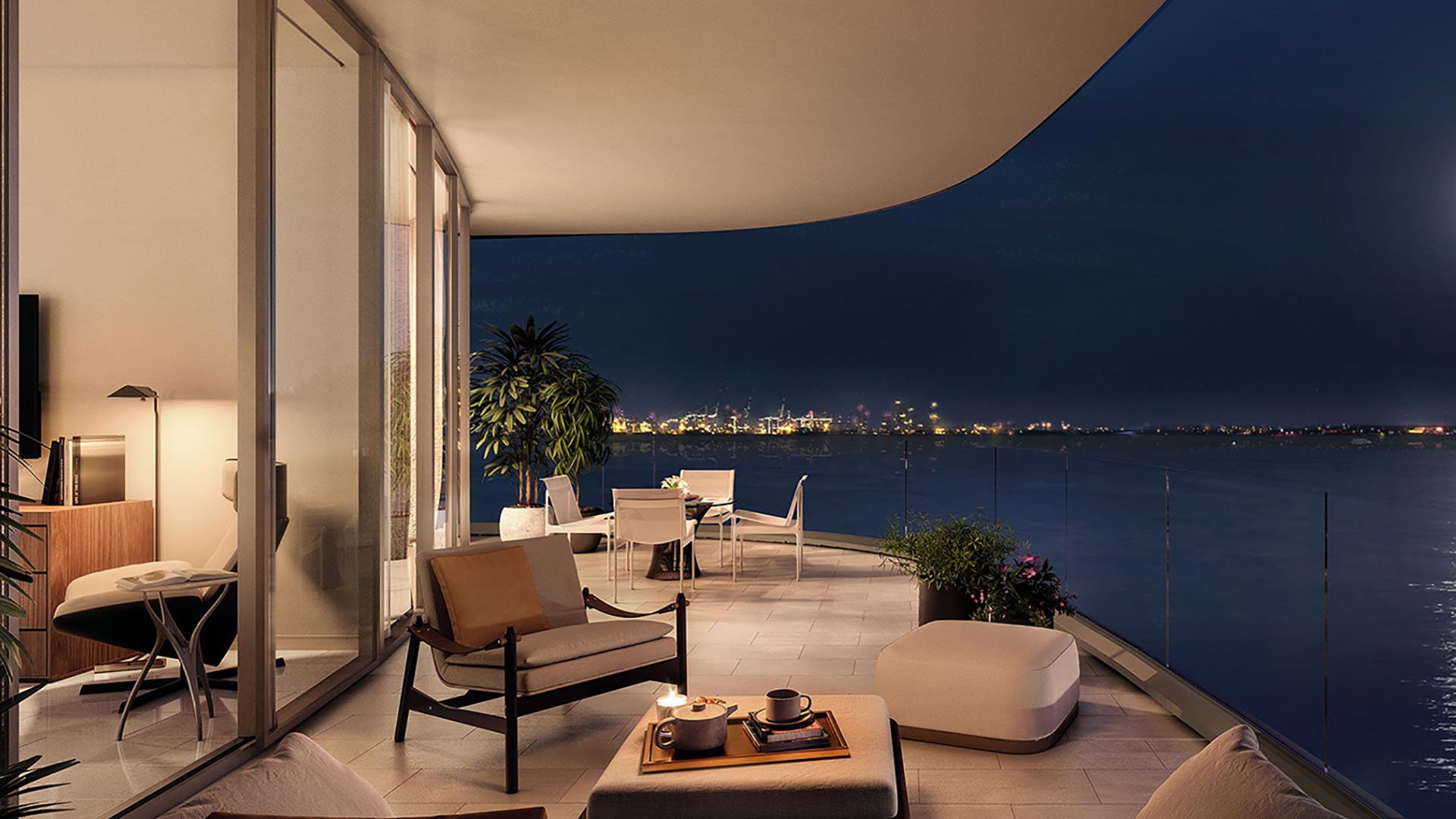
Interior Design Services in New Developments: How Miami’s Projects Offer Turnkey Style
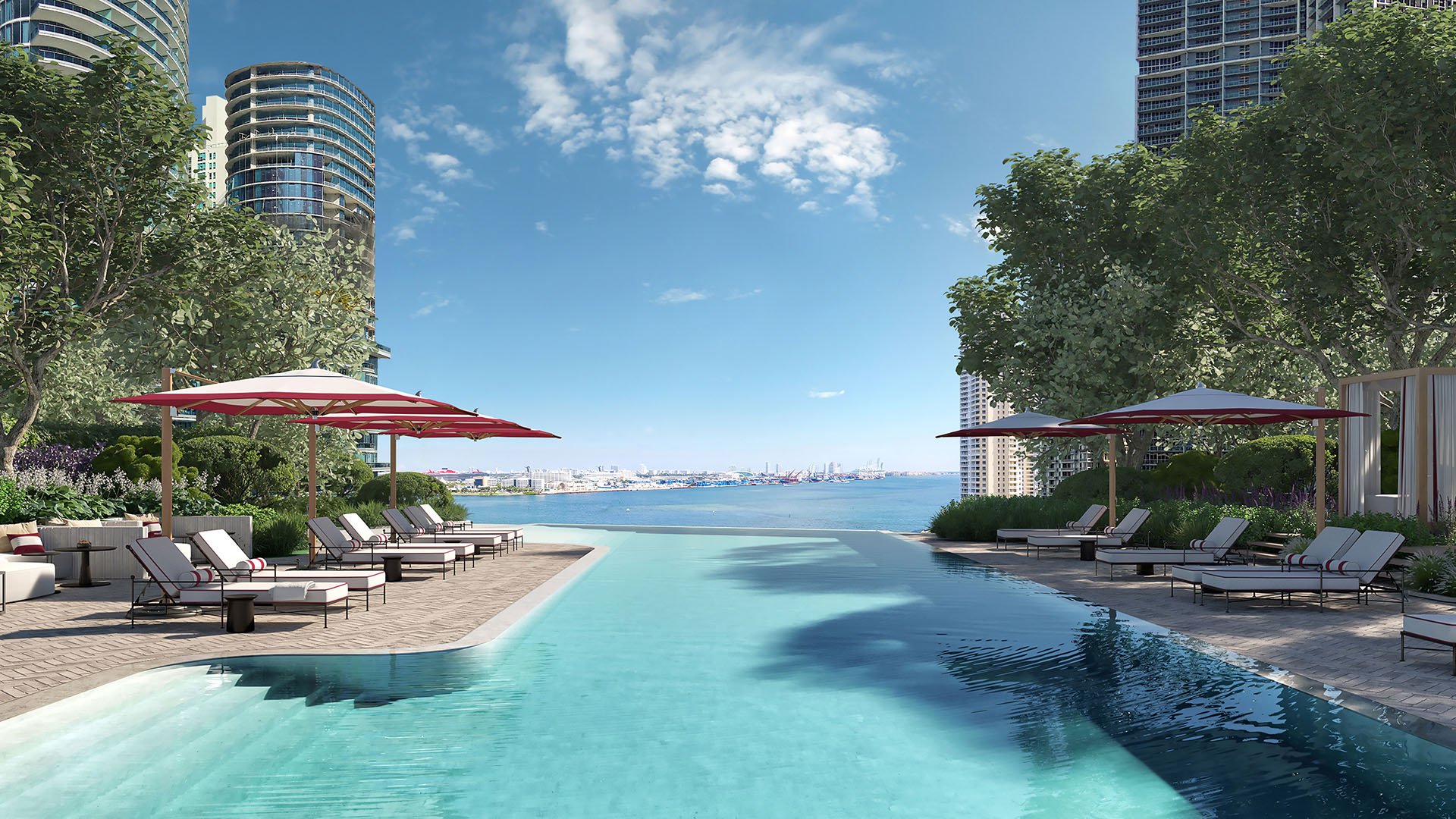
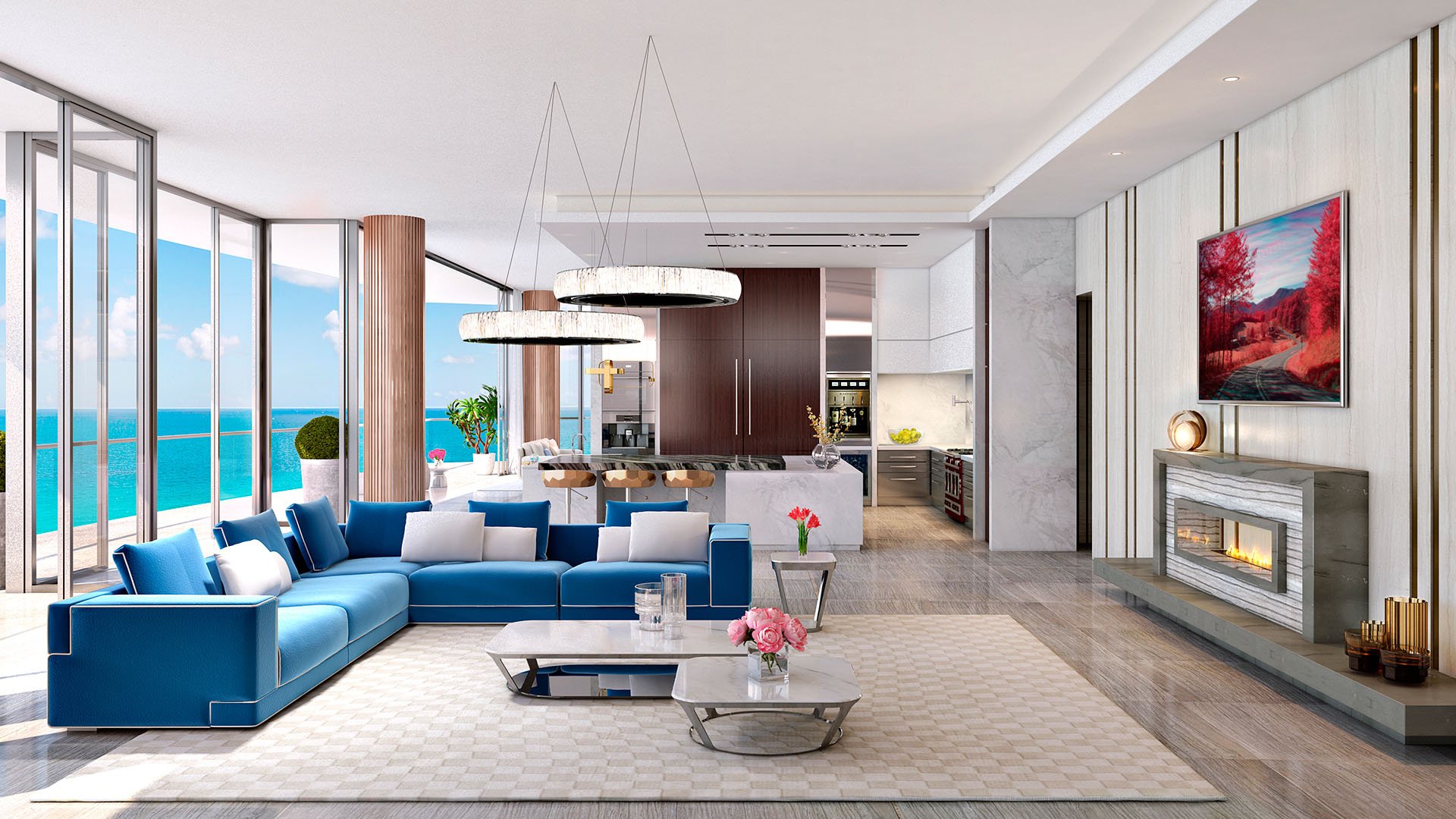
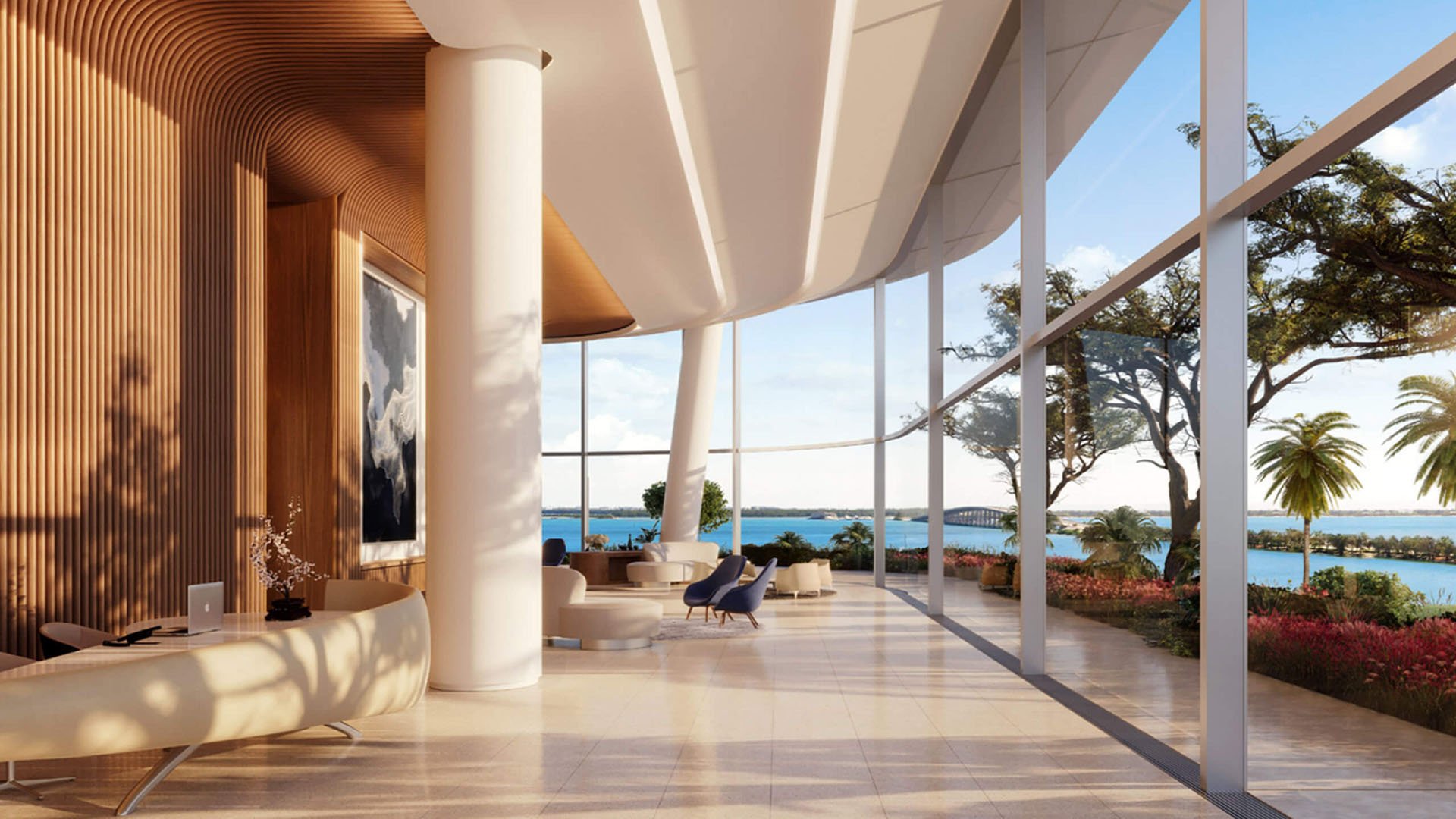
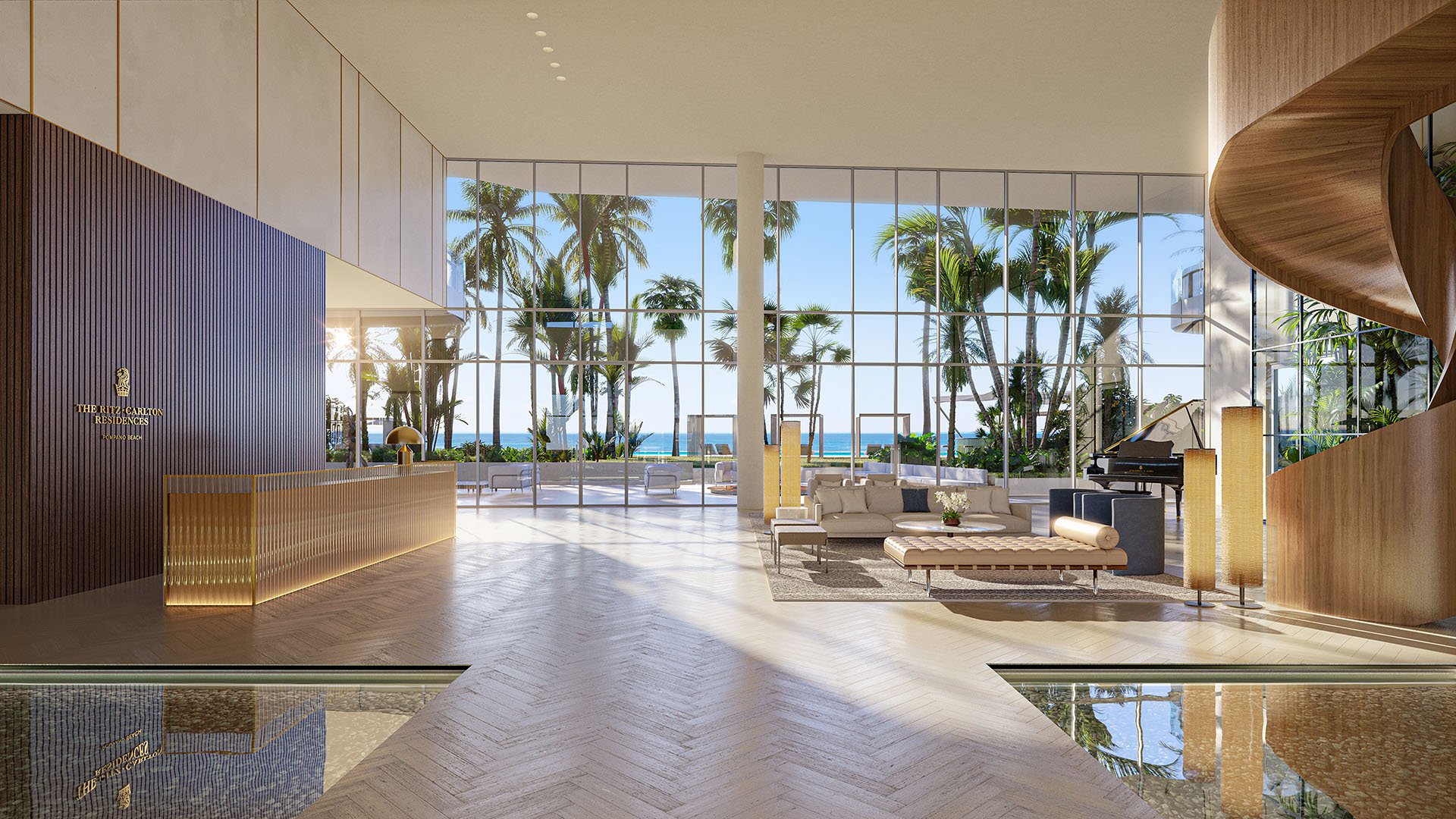
Turnkey has become a favorite promise in South Florida’s new-development market, but the term is not standardized. One building’s “turnkey” may mean a beautifully finished residence that still requires lighting packages, closets, and window treatments. Another may deliver a fully furnished home aligned to a brand’s design language, complete with curated accessories and a white-glove arrival experience. For buyers who value certainty, time, and discretion, the real decision is not whether you prefer a finished unit. It is whether you want to control every design choice, or outsource that control in exchange for speed and cohesion. The most successful purchases begin with a simple discipline: define the delivery standard in writing, then budget and schedule to the reality of approvals, procurement, and high-rise logistics.

Baccarat Residences Brickell vs. St. Regis Residences Sunny Isles: High-Design Urban Tower or Beachfront Opulence?
Two of South Florida’s most watched branded residential launches sit at opposite ends of the lifestyle spectrum: an urban river-and-bay address in Brickell, and a resort-forward oceanfront setting in Sunny Isles. Baccarat Residences Brickell is conceived as a 75-story, approximately 848-foot tower with 360 residences and an amenity program marketed at more than 75,000 square feet, including a private marina component tied to its waterfront location. St. Regis® Residences Sunny Isles, planned as twin 62-story towers with roughly 340 residences, leans into a classic beach-club rhythm and the brand’s signature Butler Service culture. For buyers deciding between these two icons-in-the-making, the right answer is rarely about which name is louder. It is about which daily cadence, view orientation, ownership economics, and long-term use case best matches how you live in South Florida.

St. Regis Residences Sunny Isles vs. Armani Casa Sunny Isles: Clash of Branded Beachfront Elegance
Two of Sunny Isles Beach’s most discussed branded oceanfront addresses speak to different definitions of luxury: one rooted in fashion-house minimalism, the other in hotel-grade service culture. Residences by Armani/Casa is delivered and established, while St. Regis Residences Sunny Isles is planned as a two-tower statement with a deeper services narrative and publicly disclosed pre-construction pricing. For buyers weighing lifestyle, liquidity, and long-term brand durability, the decision often comes down to what you value most: design authorship, or an operating playbook built for daily living.

Armani Casa Sunny Isles vs. Cipriani Residences Brickell: Italian Luxury at the Beach vs. the City
In South Florida, branded residences increasingly split into two distinct philosophies: design-first immersion and hospitality-first service. Residences by Armani/Casa in Sunny Isles Beach and Cipriani Residences Miami in Brickell are clean examples of that divide, each translating a global name into a daily lifestyle with different priorities.

Bentley Residences Sunny Isles vs. Mercedes-Benz Places Brickell: Automotive Towers - Beach vs. City
Two marquee branded towers are redefining South Florida’s luxury conversation from opposite ends of the lifestyle spectrum: oceanfront seclusion in Sunny Isles Beach and urban immersion in Brickell. Bentley Residences leans into ultra-low-density, car-forward privacy with its signature vehicle elevator and in-residence sky garages. Mercedes-Benz Places Miami frames brand design as a mixed-use campus proposition, pairing hundreds of residences with office, hotel, and amenity programming in the heart of the city. Here is how to compare them with a buyer’s eye: for daily living, investment posture, and the kind of luxury that fits how you actually move through Miami.

High Design, Low Maintenance: Why Condo Living Appeals to Palm Beach’s Seasonal Residents
Seasonal ownership in South Florida rewards simplicity, predictability, and service. For many high-net-worth buyers, a luxury condominium delivers that outcome more consistently than a standalone house: shared maintenance, staffed lobbies, controlled access, and building-wide storm readiness that makes leaving town feel routine rather than risky. This editorial breaks down the practical reasons condos have become the preferred second-home format for many part-time residents, from governance under Florida’s Condominium Act to the real cost of remote oversight during hurricane season. It also clarifies the tradeoffs: association rules, monthly fees, and long-term value dynamics that can differ from single-family homes.