Residences at 1428 Brickell vs. Baccarat Residences: Sustainability-Focused vs. Hotel-Inspired Luxury
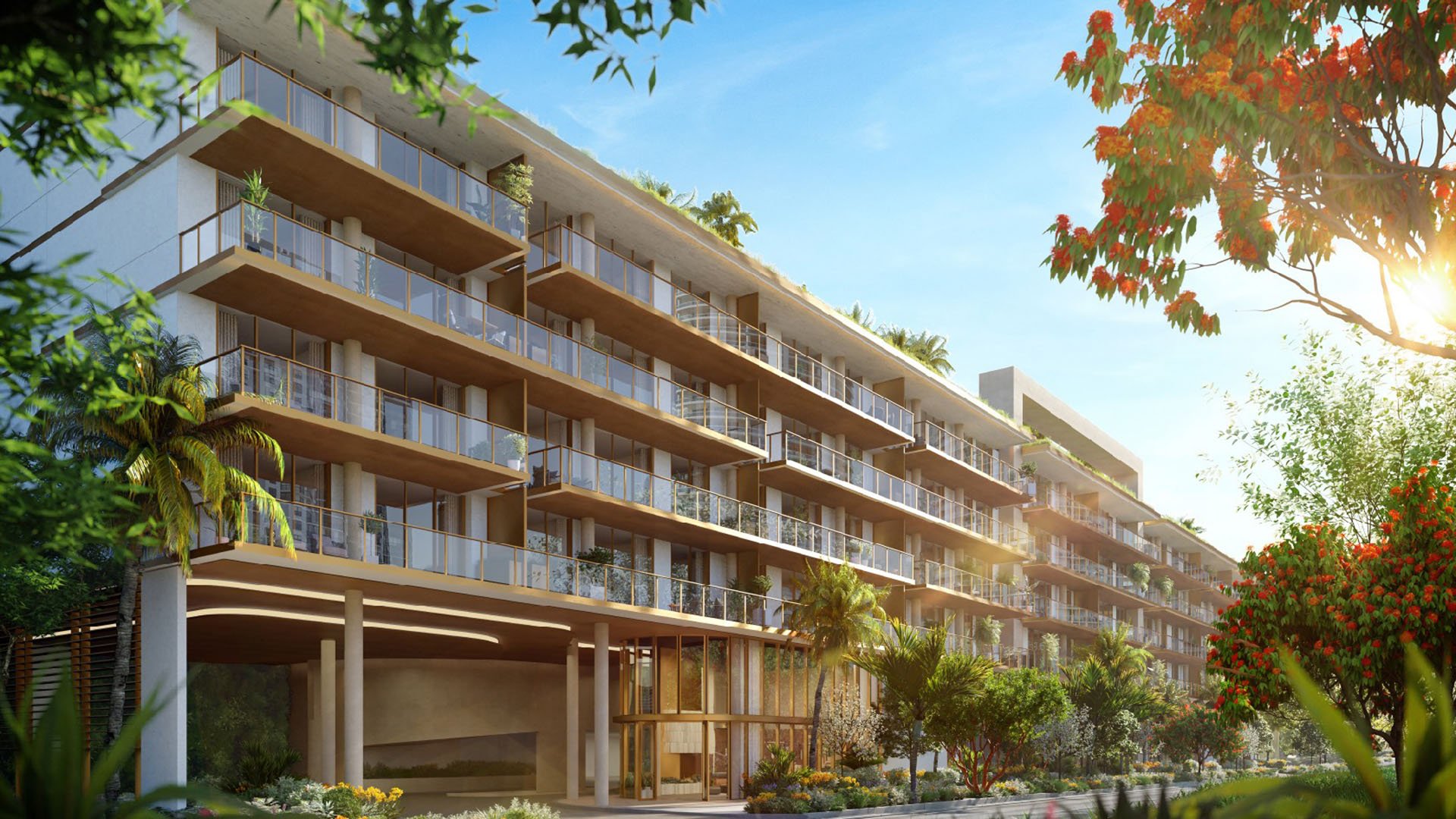
Brickell’s newest ultra-luxury towers are no longer defined only by height, views, and finishes. A quieter shift is underway: sustainability features are becoming part of the prestige stack, integrated into façade engineering, building certifications, and service-led operations. Two marquee case studies illustrate the divergence within the same neighborhood. One positions performance as architecture, integrating photovoltaic glass into a signature façade and pursuing a leading green building framework. The other leans into the branded-residence playbook, pairing a waterfront address with hospitality management, extensive inventory, and restaurant-led amenity gravity. For buyers comparing new-construction in Brickell, the most meaningful sustainability question is not whether a building uses the language of “green,” but where the performance shows up: in the envelope, in common-area energy demand, in wellness programming, and in the long-term operating mindset. In a market where the $2M-plus segment is active and price-per-square-foot benchmarks are firmly established, the sustainable premium is increasingly evaluated alongside service, privacy, and long-term livability.

Aston Martin Residences vs. St. Regis Residences Brickell: Competing for Downtown Miami’s Luxury Crown
Miami’s next chapter of trophy living is increasingly written in brand language: design codes, service playbooks, and amenity ecosystems that feel closer to private clubs than condo common areas. Two projects clarify the moment. Aston Martin Residences has opened in Downtown, translating automotive precision into a finished waterfront tower with a dramatic stack of sky-level experiences and a superyacht-forward posture. St. Regis Residences Miami is rising in Brickell, promising a quieter, legacy-hotel sensibility anchored by signature service and a residential scale that reads more like a boutique tower than a mega-development. For buyers weighing lifestyle, privacy, and long-term positioning, the comparison is less about logos and more about operating philosophy. One is already delivering a completed, highly programmed vertical resort. The other is selling the idea of a managed, service-rich home that borrows from a storied hospitality culture, with architecture and interiors teams that are designed to age well. Here is how to think about both, through the lens of an ultra-premium South Florida buyer.

One Thousand Museum vs. Villa Miami: Starchitect Masterpiece or New Boutique Vision on Biscayne Bay?
Miami’s most collectible residential addresses increasingly behave like design objects: singular forms that telegraph taste long before a doorman learns your name. In that conversation, One Thousand Museum Downtown Miami and Villa Miami represent two distinct chapters of sculptural luxury. One is a completed landmark: a 62-story tower designed by Zaha Hadid and finished in 2019, defined by a concrete exoskeleton and a limited collection of 84 residences. The other is a hospitality-driven proposition under development in Edgewater, conceived as a branded residential tower concept by Major Food Group in collaboration with Terra and One Thousand Group. For buyers who treat real estate as both lifestyle platform and long-term hold, the point is not which is “better.” It is which vision aligns with how you live: museum-adjacent architectural permanence and privacy-forward ownership, or a new-generation building where the amenity story is curated like a members club. Below, MILLION Luxury breaks down how these towers differ in design, services, scarcity, and neighborhood context, and how to compare them in today’s $2M-plus condo market.

Ziggurat Coconut Grove vs. Four Seasons Residences Coconut Grove: Quirky Boutique vs. Branded Elegance
Two of Coconut Grove’s most watched residential launches articulate a new kind of luxury for Miami: low-density ownership paired with curated lifestyle infrastructure. Ziggurat Coconut Grove is conceived as a boutique, mixed-use courtyard composition with custom residences above a neighborhood-scaled retail and office program. Four Seasons Private Residences Coconut Grove takes the opposite approach: a standalone, service-forward branded tower with the operational depth that has come to define top-tier residential branding. For buyers, the comparison is less about which is “better” and more about which living model matches your day-to-day. One prioritizes privacy, architecture, and a campus feel. The other prioritizes hotel-grade service, wellness programming, and the assurance of a globally recognized residential platform. Here is how the two projects differ, what they share, and how to evaluate each through the lens of Coconut Grove’s lifestyle.

The Perigon vs. Five Park: Two Visions of Miami Beach’s Future Skyline
Miami Beach’s luxury market is entering a new chapter defined by height, design pedigree, and public-realm ambition. Five Park, now complete, brings a 48-story silhouette, extensive amenity programming, and an adjacent 3-acre park that changes the daily texture of South of Fifth. Farther north along Collins Avenue, The Perigon advances a boutique, dual-waterfront proposition with a sculptural OMA form and residences elevated above the flood line. Together, these projects signal a shift from purely private luxury to a more layered model where architecture, landscape, and connectivity shape long-term value.

Armani Casa Sunny Isles vs. Cipriani Residences Brickell: Italian Luxury at the Beach vs. the City
In South Florida, branded residences increasingly split into two distinct philosophies: design-first immersion and hospitality-first service. Residences by Armani/Casa in Sunny Isles Beach and Cipriani Residences Miami in Brickell are clean examples of that divide, each translating a global name into a daily lifestyle with different priorities.