Balcony Depth and Wind Mitigation for Alfresco Dining: 57 Ocean Miami Beach vs. Ocean House Surfside
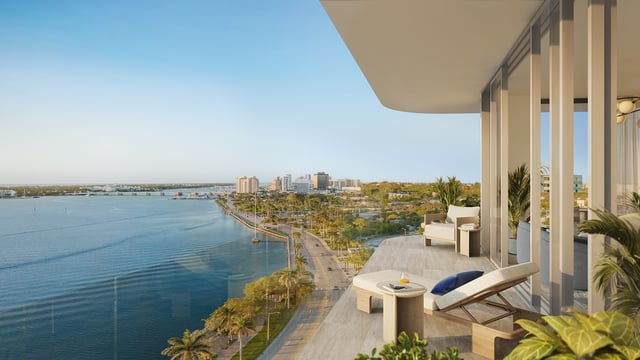
For serious waterfront buyers, a balcony is not a checkbox amenity. It is an outdoor room that must perform, especially on the Atlantic edge where wind, salt, and afternoon squalls can turn “al fresco” into “unused.” This MILLION Luxury guide compares how balcony depth and wind conditions shape day to day dining comfort, using 57 Ocean Miami Beach and Ocean House Surfside as two highly sought-after reference points, while outlining what to verify on any oceanfront purchase.

Best Wellness-Focused Towers in Miami: The Rise of Medical-Grade Amenities
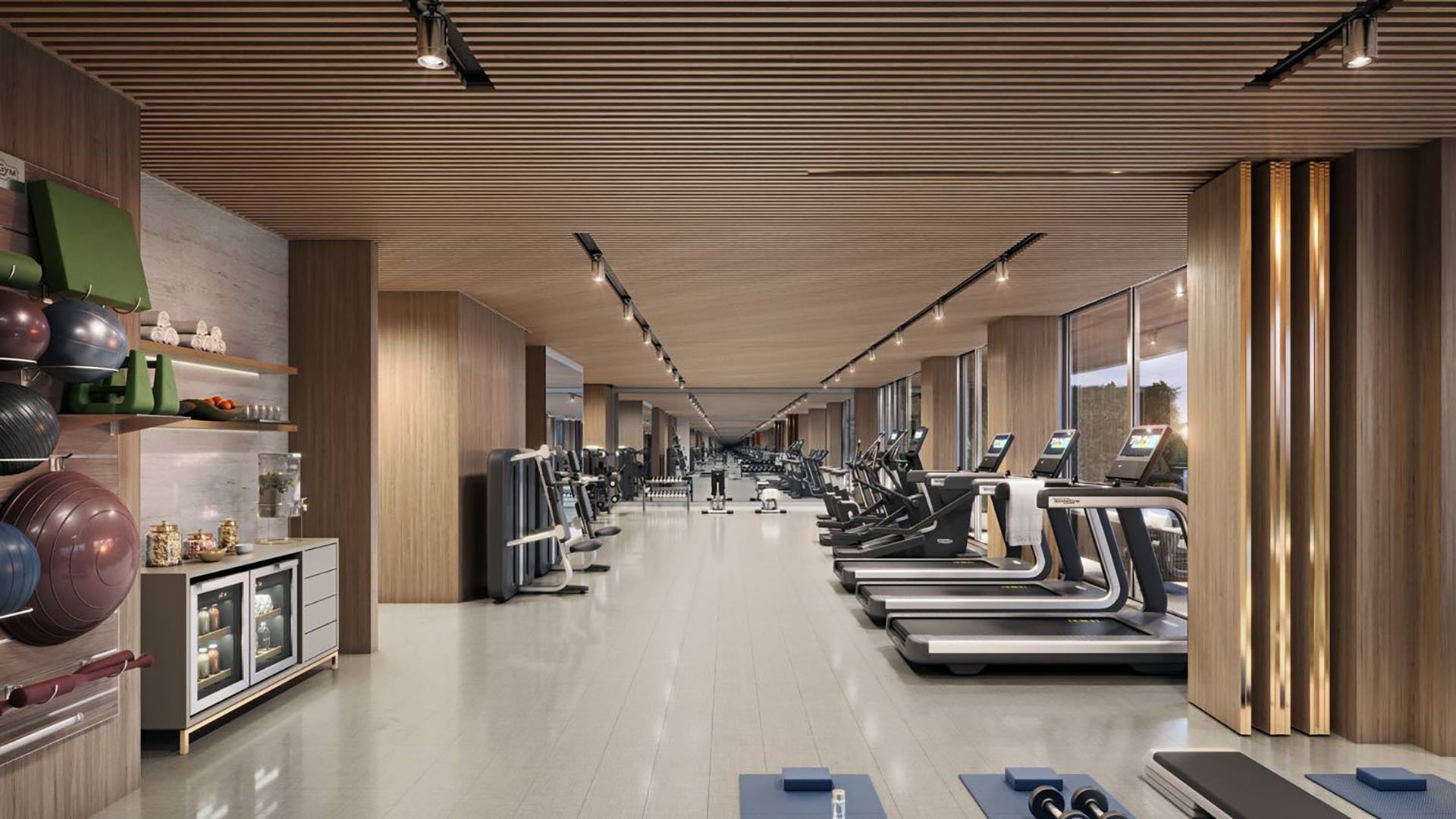
Miami’s luxury skyline is being rewritten around health as a daily operating system, not a weekend indulgence. Today’s most coveted towers treat recovery, performance, air and water quality, and privacy as core design inputs, borrowing cues from hospitality, longevity clinics, and elite training culture. For buyers, the question is no longer whether a building has a spa, but whether the wellness stack is coherent, measurable, and serviceable at scale. This editorial frames what “medical-grade” means in a residential context, then spotlights a curated ranking of the tower archetypes currently defining the category. Finally, it translates amenities into due diligence: what to verify, what to underwrite, and what actually changes day-to-day life.

Top 5 Turnkey Furniture Curations by Studio Sofield and Yabu Pushelberg
A discreet buyer’s guide to the turnkey furnishing moodboards South Florida purchasers ask for most when the brief calls for polished, hotel-level ease: Studio Sofield’s tailored restraint and Yabu Pushelberg’s layered warmth.

Top 5 Chef-Inspired Kitchens Featuring Gaggenau and Sub-Zero Packages
In South Florida’s ultra-premium market, the kitchen has quietly become the most scrutinized room in the home. Buyers who entertain, collect wine, or simply prefer restaurant-level performance are looking past surface finishes and into the appliance package, ventilation strategy, and the way the layout supports real cooking. Gaggenau and Sub-Zero anchored kitchens signal two different, but complementary, ideas of luxury: precision cooking and temperature integrity. When specified thoughtfully, these suites feel less like showroom statements and more like a private chef’s workstation, calibrated for daily use and effortless hosting. Below, MILLION Luxury breaks down five chef-inspired kitchen archetypes that consistently read as “correct” at the top of the market, plus the design decisions that help these packages perform at their best.

Assessing the Value of Dedicated Wine Cellars and Tasting Rooms
A dedicated wine cellar or tasting room can read as pure indulgence, yet in South Florida’s top tier it often functions like a well-designed library: a quiet signal of seriousness, restraint, and long-view collecting. The value is not only in bottles protected from heat and light, but in how the space is integrated into the home’s circulation, entertaining rhythm, and service infrastructure. For buyers, the question is less “Does it add dollars?” and more “Does it reduce friction?” A properly executed cellar makes hosting easier, preserves collections in a challenging climate, and can differentiate a residence in competitive neighborhoods where finishes are otherwise comparable. Done poorly, it becomes a temperamental closet with a glass door. This guide frames wine rooms the way an appraiser-minded buyer would: as a combination of performance, placement, and permanence, with an emphasis on what transfers cleanly at resale.

Evaluating the Impact of Artificial Intelligence on High-End Property Management
Artificial intelligence is reshaping high-end property management in South Florida, with the biggest gains arriving quietly: fewer friction points, faster response, more consistent standards, and clearer oversight. The opportunity is not to replace the human layer that luxury requires, but to amplify it with better forecasting, smarter dispatch, tighter security workflows, and concierge-level personalization. For owners, boards, and developers, the relevant question is no longer whether AI will appear in operations, but where it should be allowed to touch resident experience, vendor control, access management, and data privacy. Used well, AI becomes the backstage system that protects time, discretion, and asset condition. Used poorly, it can create surveillance anxiety, opaque decisions, and vendor dependency.