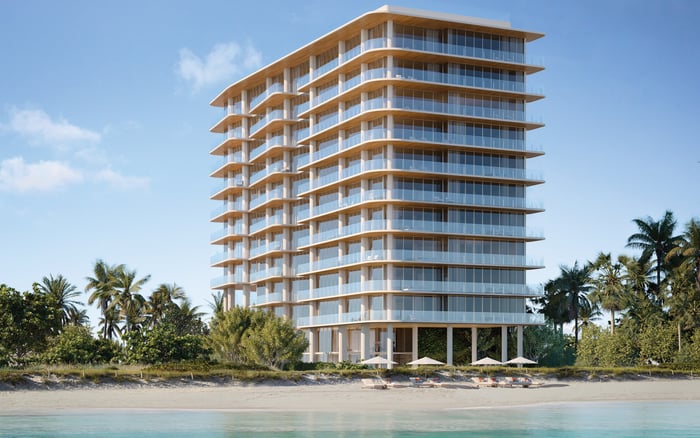
Surfside and Sunny Isles Beach should be compared at the residence level, with privacy, verified school access, and everyday service routines evaluated together. The stronger primary-residence fit is the property whose setting, access, and operations work consistently for the household.
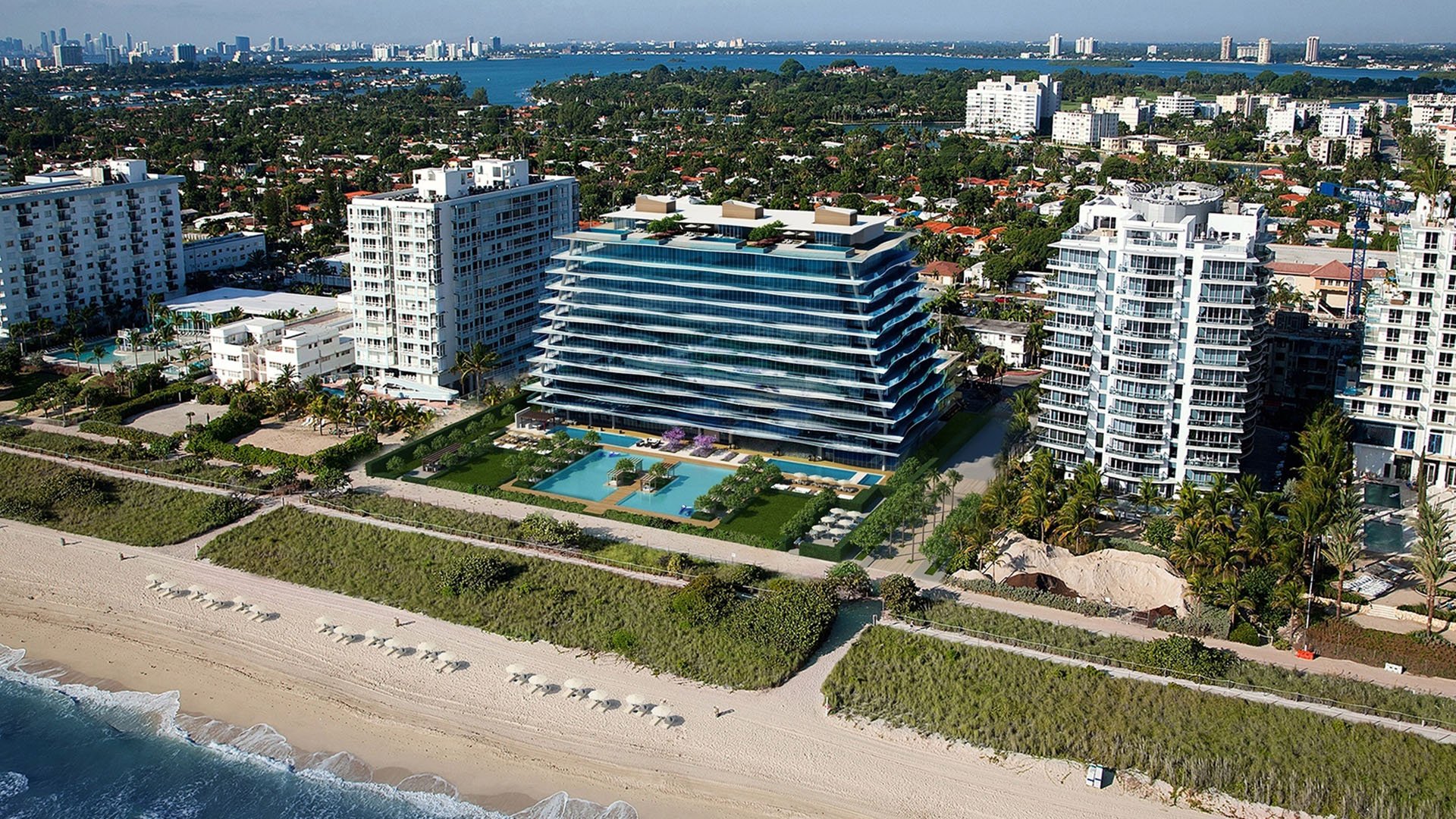
Surfside and Sunny Isles Beach can both appeal to buyers seeking a coastal primary residence, but the comparison should begin with the household’s actual priorities. Privacy, school access, and daily service are not abstract neighborhood qualities; they depend on the exact home, building, route, and schedule under review.
A buyer may prefer a quieter residential setting yet still need efficient access to school, appointments, staffing, deliveries, and everyday services. Another household may value a managed condominium arrival and broad amenity offering but require careful separation between private and shared areas. The useful question is not which city is universally better. It is which specific residence supports ordinary life with the least friction.
The best choice is the address that protects privacy without complicating the household’s daily rhythm.
Privacy should be evaluated from several perspectives. Inside the residence, examine sightlines, window exposure, terrace orientation, elevator access, and separation between bedrooms and entertaining areas. Outside it, consider the approach to the property, neighboring uses, pedestrian activity, service access, and the transition from vehicle to residence.
In Surfside, buyers can compare the atmosphere surrounding lower-scale residential properties with the experience offered by larger oceanfront buildings. The Delmore Surfside provides one relevant condominium reference point, while The Surf Club Four Seasons Surfside offers another recognizable context for evaluating arrival, shared spaces, and oceanfront living. These names should begin the comparison rather than determine its outcome.
Privacy also changes by unit position. Two homes in the same building may differ materially because of elevation, neighboring exposures, elevator configuration, or proximity to common areas. Buyers should revisit a finalist residence at different times and inspect it with curtains open, terrace doors accessible, and normal building activity underway where possible.
For single-family residences, the review should include frontage, gates, landscaping, neighboring windows, staff circulation, deliveries, and outdoor entertaining areas. A secluded interior does not necessarily create a private arrival, just as an active surrounding area does not automatically compromise privacy inside a well-planned home.
School access should be treated as a verification exercise rather than a citywide assumption. For each shortlisted property, buyers should confirm current eligibility, assignment, application requirements, transportation options, program availability, and enrollment procedures directly with the relevant institutions or authorities.
The practical test extends beyond identifying a school. Families should map the complete morning and afternoon routine, including departure time, drop-off procedures, extracurricular activities, caregiver handoffs, and the return journey. A destination that appears convenient on a map may operate differently during a normal school day.
Buyers considering Sunny Isles Beach condominiums such as Bentley Residences Sunny Isles or The Ritz-Carlton Residences® Sunny Isles should apply the same discipline. Building access, garage departure, school traffic, and after-school commitments all belong in the calculation. The relevant advantage is not simply proximity; it is a routine the household can sustain.
The same approach applies in Surfside. Buyers should avoid inferring eligibility or convenience from a municipal boundary, postal address, or marketing description. Written confirmation for the specific residence is more useful than a broad neighborhood impression.
Daily service is the accumulation of repeated interactions. Groceries, medical appointments, fitness, pet care, household staffing, deliveries, guest access, parking, and property management can shape the full-time experience as much as architecture or an ocean view.
Create a service map for each finalist residence. List the destinations and providers the household expects to use regularly, then test the relevant routes at realistic times. Include school arrival and dismissal when applicable, as well as evening returns, weekend activity, and service appointments.
Within a condominium, request current information about deliveries, guest registration, valet or garage access, staff entry, loading procedures, management coverage, and amenity reservations. Buyers should also understand how private and service circulation intersect. A polished showing may not reveal the operational details that define daily life.
For a single-family home, the service review shifts toward property access, vendor entry, package handling, maintenance, security arrangements, and the practical demands of the site. The objective is the same: determine whether the residence supports the household’s preferred rhythm without avoidable complications.
A productive comparison uses a short list of actual properties rather than generalized descriptions of Surfside and Sunny Isles Beach. Select finalist homes that plausibly satisfy the household’s space, setting, and service requirements, then evaluate each one through the same framework.
Start with privacy. Record interior exposure, neighboring sightlines, arrival conditions, shared-space circulation, and service access. Continue with school diligence, retaining written confirmation of any assignment or eligibility information. Finish with daily operations by timing recurring routes and reviewing building or property procedures.
This method also helps distinguish city-level preference from property-level performance. A buyer may initially favor one location but discover that a particular residence in the other offers a better arrival sequence, more suitable exposure, or a simpler weekday routine. Conversely, a compelling home may fall from consideration when its operating details are tested.
Surfside may merit priority for buyers drawn to a more intimate residential context and willing to compare lower-scale properties with oceanfront condominium living. Sunny Isles Beach may appeal to households considering a broader selection of tower residences and placing significant weight on how a condominium supports daily logistics. These are starting points for inspection, not guarantees about a specific address.
The final decision should rest on evidence gathered at the property level. Visit at relevant hours, experience the arrival more than once, inspect privacy from inside and outside the home, verify school details, and test the household’s most frequent routes. Review current property documents and operating procedures before treating any service feature as dependable.
For private guidance comparing Surfside and Sunny Isles Beach residences, connect with MILLION.
If branded residences are on your mind — as a home or as an allocation — we would be glad to share what we are seeing, privately.
Begin a quiet conversationNeither city is automatically better. Privacy depends on the exact residence, exposure, arrival sequence, shared spaces, and neighboring properties.
Review sightlines, terrace exposure, elevator access, common-area circulation, neighboring units, and the route from arrival to the home.
Examine frontage, gates, landscaping, adjacent windows, deliveries, staff circulation, and outdoor living areas.
No. Buyers should verify current eligibility, assignment, programs, transportation, and enrollment requirements for the specific property.
Drive the full route during realistic arrival and dismissal periods, including garage departure, drop-off procedures, and the return journey.
Consider groceries, healthcare, fitness, pet care, staffing, deliveries, guest access, parking, and property management.
Request current procedures for deliveries, guests, staff entry, parking, loading, amenity access, and management coverage.
Traffic, surrounding activity, shared-space use, light, and privacy conditions can change throughout the day.
Yes. Unit position, elevation, exposure, elevator layout, and proximity to common areas can create materially different experiences.
Compare exact properties through the same privacy, school, and service framework, then choose the residence that best supports an ordinary weekday.