A practical framework for evaluating Sunny Isles Beach residences through parcel-level flood data, garage and equipment documentation, evacuation logistics, insurance, and a considered temporary-housing plan.
In Sunny Isles Beach, a considered purchase pairs the appeal of an oceanfront residence with a clear understanding of how the household would leave, stay elsewhere, and return after a storm. Resilience belongs in the same due-diligence conversation as layout, privacy, and service. The essential question is not simply which flood zone contains the property, but how that information connects to the building's documented operations.
All of Sunny Isles Beach lies within Storm Surge Planning Zone B. A mandatory evacuation order for Zone B applies to condominium residents, single-family-home residents, and hotel guests. That citywide evacuation designation is distinct from a parcel's flood-zone designation. Neither a residence's floor nor its prestige changes the order's applicability.
For a buyer considering Jade Signature Sunny Isles Beach, start with a two-part file: property-specific flood information and the association's emergency procedures. Treat these as complementary documents, not interchangeable assurances.
Property-level flood information includes the mapped flood zone, Base Flood Elevation, Design Flood Elevation, and any flood-compliance warnings. Assemble those records alongside official address-based flood maps, elevation certificates, building elevations, and available floodproofing documentation. A zone label alone is not a complete property assessment.
Ask a qualified adviser to explain how the recorded elevations relate to the property's actual entry points, garage levels, and equipment locations. The objective is a documented comparison-not an inference drawn from a lobby's apparent height or a parking space's floor number.
Organize the review around three questions:
What flood-zone and elevation information applies to this parcel?
Which documents establish the elevations of relevant building components?
What protection measures and operating procedures are documented for those components?
Any compliance warning deserves a written explanation and supporting records. If documents appear inconsistent, seek clarification before treating the issue as resolved. An unanswered question should remain visible in the acquisition diligence file, not disappear into a general assurance about construction quality.
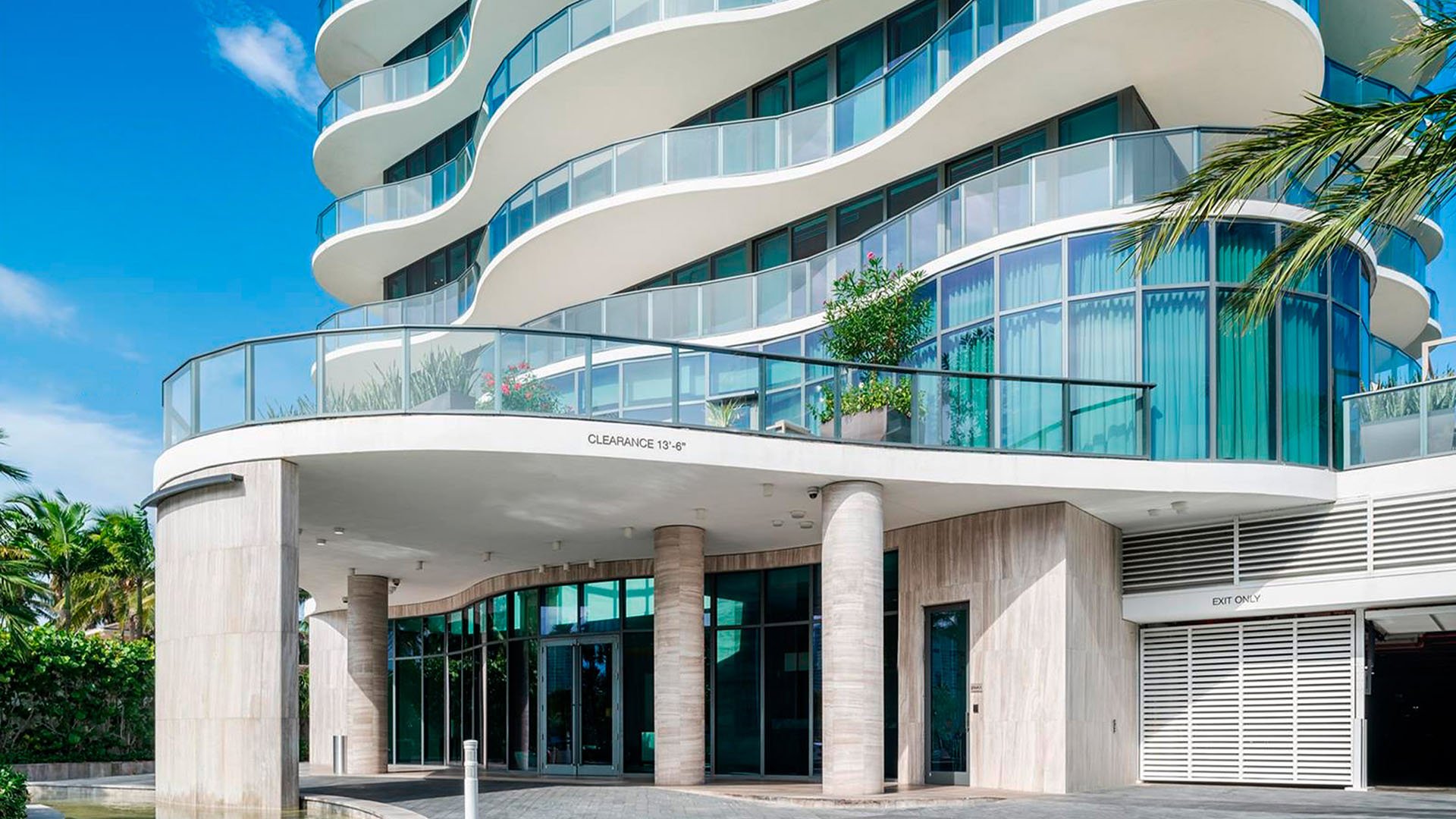
A garage review should address both vehicle access and the systems that support it. Request documentation identifying relevant equipment and its elevation, including garage-door controls, electrical components, pumps, and elevator-related equipment where applicable. Ask whether flood barriers exist, which openings they protect, and who is responsible for deploying them.
For a residence under consideration at Armani Casa Sunny Isles Beach, these are questions for the property's representatives, not statements about installed features. Apply the same standard to every candidate: obtain evidence of protection and a written explanation of how it is operated.
Ask whether any backup-power system serves garage access or elevators, which functions it supports, and what limitations apply. The phrase “backup power” does not establish that every household function will continue.
Hurricane-protection measures include reinforcing garage doors and installing storm shutters. Those measures do not, by themselves, establish flood protection for a garage or its equipment. Keep wind-protection questions separate from elevation and floodproofing questions.
Finally, request the vehicle-removal procedure. Establish whether there is an advance removal deadline, who can retrieve a vehicle for an absent owner, and how garage closure or elevator shutdown would affect departure. A building's amenity offering is no basis for assuming any of these procedures.
Evacuation routes include bridges. Residents should expect heavy traffic and leave early. A credible plan should not depend on a guaranteed travel time, a particular bridge remaining available, or a presumed reopening schedule.
Set a household departure plan in advance while remaining responsive to official instructions. Identify who makes the departure decision, who contacts visiting family or household staff, and who checks that essential medication, documents, and transportation are ready. Discuss an alternative route without treating it as guaranteed access.
When evaluating Turnberry Ocean Club Sunny Isles, ask how management communicates evacuation instructions and changes to building access. Clarify the procedures for visitors, absent owners, and anyone relying on assistance to reach a vehicle. Understand the operational sequence before it becomes urgent.
Eligible residents whose medical or other assistance needs prevent independent evacuation can obtain free specialized transportation and/or sheltering assistance through the Emergency & Evacuation Assistance Program. Register before a storm rather than waiting until evacuation is necessary. Eligible residents may also request a post-disaster wellness call.
Open evacuation centers are announced after an evacuation is declared. Check current county updates or call 311 rather than assuming a particular center will open.
An evacuation destination and a temporary-housing plan serve different purposes. The first addresses departure from the evacuation area; the second should account for a potentially longer absence. Plan for both without assuming a return date.
Consider identifying a primary destination and an alternative, then confirming that each meets the household's accessibility, pet, medication, and work requirements. Check any lodging choice against current emergency instructions and actual availability. Review cancellation and extension terms before relying on a reservation.
For an owner evaluating Regalia Sunny Isles Beach, the same planning discipline applies whether the residence will be occupied year-round or seasonally. Designate a local contact and ask management what authorization that person would need to act for an absent owner.
Build a separate budget for accommodation and related expenses. These are planning recommendations, not assurances of lodging availability or reimbursement. Keep reservation details, essential records, and building contacts accessible away from the residence.
Standard homeowners and renters policies generally exclude flood damage. Separate flood coverage is available through the federal flood insurance program or private insurers. Eligible properties can obtain flood coverage even if they have previously flooded.
A typical flood-insurance waiting period is 30 days, subject to applicable exceptions. Review coverage well before a storm threatens, and ask the insurer to confirm the actual effective date.
For condominium ownership, request a policy-specific explanation of association and individual coverage. Ask separately about vehicles, contents, deductibles, and temporary-living expenses. Do not assume that flood insurance includes replacement-housing benefits. Obtain written answers about the policies under consideration.
Ask management who communicates permission to return, what inspections or service checks its plan requires, and whether it addresses garage access and elevator service separately. These are diligence questions, not verified policies or promised restoration timelines.
Before purchase, bring the documents together: parcel data, elevation records, equipment information, emergency procedures, insurance answers, and the household's departure and housing plan. A sound decision rests on understanding both the documented protections and the questions still requiring resolution.
For a considered approach to your next Sunny Isles Beach residence, explore MILLION.
If branded residences are on your mind — as a home or as an allocation — we would be glad to share what we are seeing, privately.
Begin a quiet conversationNo. Zone B is the citywide storm-surge evacuation designation, while a parcel's flood-zone designation must be checked separately.
Yes. It applies to condominium residents, single-family-home residents, and hotel guests throughout Sunny Isles Beach.
Collect parcel flood-zone information, Base Flood Elevation, Design Flood Elevation, and compliance warnings. Supplement them with elevation certificates, building elevations, and available floodproofing documentation.
Request equipment locations and elevations, documented protection measures, and operating procedures. Ask separately about vehicle removal, garage closure, elevator protocols, and any backup-power limitations.
No. Garage-door reinforcement is a hurricane-protection measure, but it does not by itself establish flood protection for the garage or its equipment.
Expect heavy traffic and plan to leave early while following official instructions. Do not rely on a guaranteed travel time, bridge availability, or reopening schedule.
Eligible residents whose medical or other assistance needs prevent independent evacuation can receive free specialized transportation and/or sheltering assistance. Register before a storm through the Emergency & Evacuation Assistance Program.
Check current county updates or call 311 after an evacuation is declared. Do not assume that a particular center will open.
Standard homeowners and renters policies generally exclude flood damage; separate coverage is available. A typical flood-insurance waiting period is 30 days, subject to applicable exceptions.
No. Confirm any applicable benefits directly under the relevant policies and prepare a separate housing budget without assuming reimbursement or lodging availability.