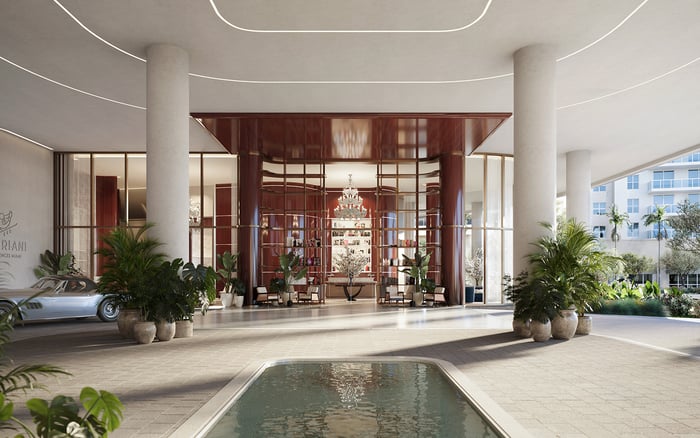
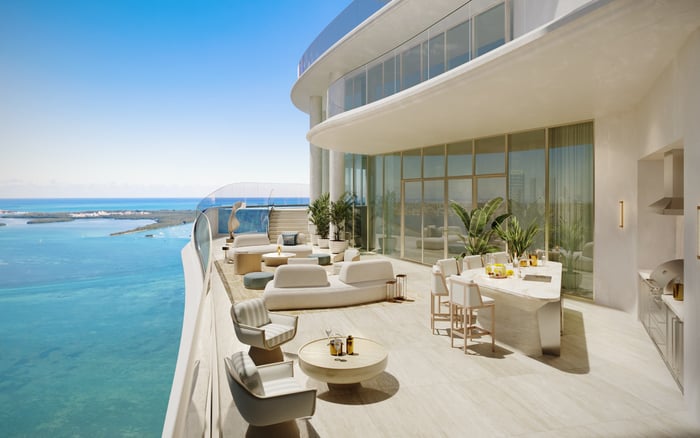
A buyer-focused comparison of concierge philosophy at St. Regis Residences Brickell and Cipriani Residences Brickell, examining formal hotel-grade protocols versus dining-led lifestyle curation in Miami’s luxury residential market.
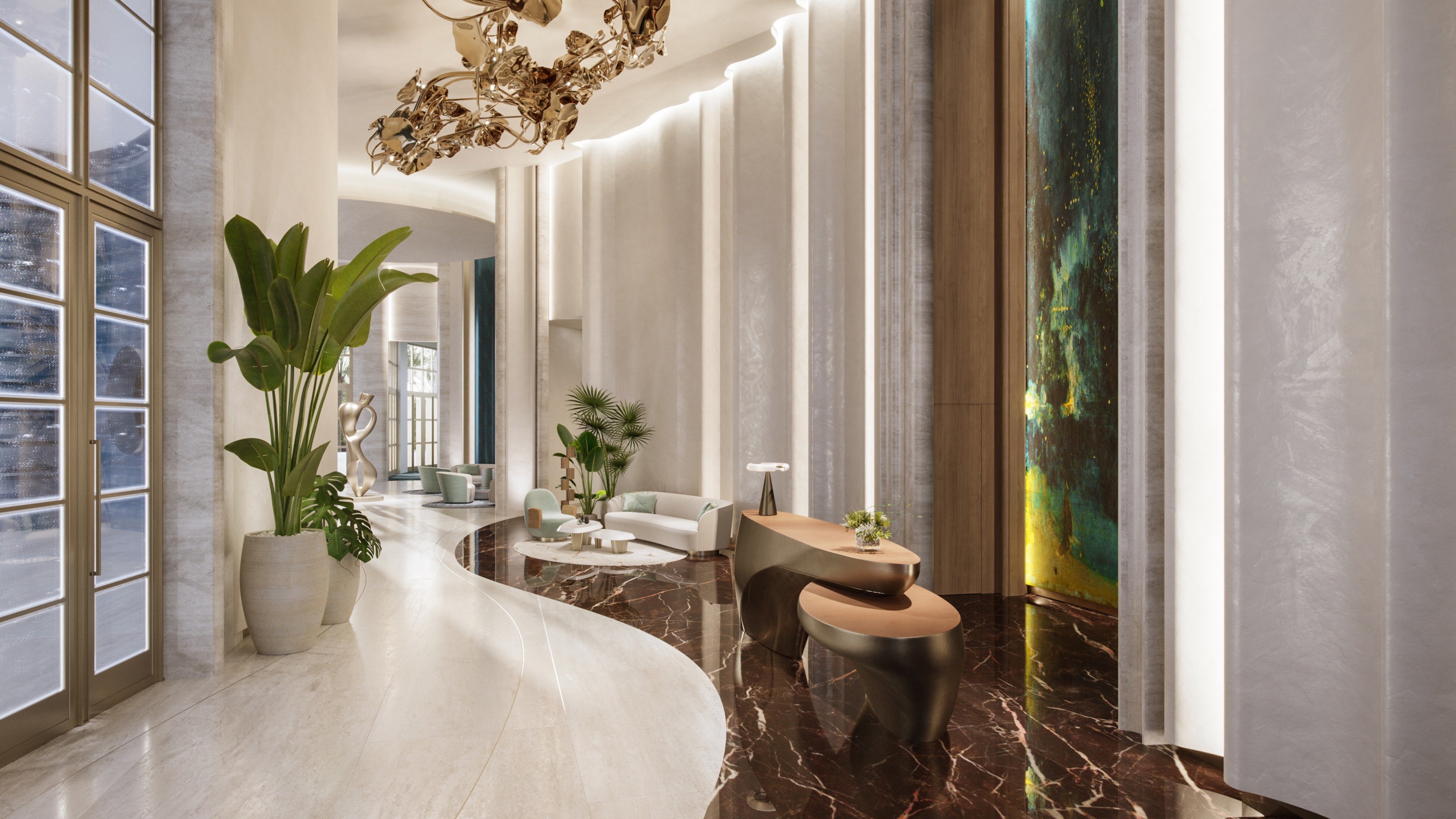
In Brickell’s top tier, white-glove service is often discussed as though every branded residence offers the same promise. For sophisticated buyers, that assumption rarely holds. The more meaningful question is not whether a building offers concierge support, but what service culture sits behind it, how formalized it is, and how daily life feels once the gloss of launch materials fades.
That is where the comparison between St. Regis® Residences Brickell and Cipriani Residences Brickell becomes especially relevant. Both sit at the top of the Brickell conversation. Both appeal to buyers who expect discretion, personalization, and seamless day-to-day assistance. Yet their concierge protocols are shaped by markedly different hospitality lineages.
St. Regis enters the market through a highly codified luxury hotel-residences model. Its residential identity is tied to an established hospitality platform in which Butler Service and ritualized attentiveness are embedded in the brand language. Cipriani, by contrast, presents a more proprietary residential experience rooted in Italian service heritage, with an emphasis on dining, social atmosphere, and an international lifestyle network rather than a conventional hotel-chain framework.
For buyers evaluating long-term livability, that distinction matters. In Brickell, service is not simply an amenity. It is operating architecture.
The strongest case for St. Regis is clarity. Buyers are not purchasing into an improvised concierge model. They are entering a branded residential environment shaped by a long-established hospitality system with recognizable standards, a formal service vocabulary, and a butler-led identity central to the brand’s white-glove positioning.
That typically appeals to residents who want service to feel intuitive, disciplined, and quietly ceremonial. The value proposition is less about spectacle and more about consistency: arrival experience, resident assistance, household coordination, personal requests, and lifestyle support all sit within a framework associated with luxury hotel operations rather than an independent residential concept.
There is also reassurance in brand oversight. St. Regis® Residences Brickell is presented within the Marriott ecosystem, giving buyers a sense that the operating philosophy is not being invented from scratch for a single tower. For many ultra-luxury purchasers, especially those who split time across cities, that kind of institutional structure can feel more bankable than a newer or more boutique service setup.
The temperament of this model is formal. It favors discretion over theatrics and established protocol over improvisation. Buyers who have gravitated toward other hospitality-driven branded residences such as Baccarat Residences Brickell or The Residences at 1428 Brickell often understand the appeal immediately: service works best when residents do not have to explain the level of polish they expect.
Cipriani offers something more atmospheric. Its concierge proposition is not built around a large hotel loyalty structure or an explicitly standardized butler tradition. Instead, it draws strength from the brand’s Italian hospitality identity and from a global world of restaurants, clubs, and social settings long associated with the Cipriani name.
That creates a different kind of white-glove experience. At Cipriani, the implied resident journey is less about formal protocol and more about cultivated ease. Concierge support is positioned as an extension of a recognizable lifestyle universe, shaped by dining, entertaining, hosting, and the social rituals of elegant urban living. The emphasis is on the feeling of belonging to a private hospitality culture rather than tapping into a classic hotel operating manual.
This can be highly compelling in Brickell, where many buyers are not merely seeking efficiency. They want resonance: the right table, the right ambiance, the right degree of access, and a home environment that feels socially fluent. That is why Cipriani often enters the conversation alongside hospitality-minded concepts like ORA by Casa Tua Brickell.
There is, however, a subtle tradeoff. Cipriani’s residential operating style appears more bespoke and brand-specific, but also less publicly defined in procedural terms. For some buyers, that is the attraction. For others, especially those prioritizing predictable service choreography, it may feel less explicit than the St. Regis approach.
In practical terms, both projects position concierge and lifestyle support as integral to ownership. Both point to a high-touch environment in which resident needs are anticipated and curated rather than merely answered. But neither publicly discloses the hard operational metrics sophisticated buyers often want to see, such as staffing ratios, response benchmarks, or fulfillment timelines.
That means the stronger comparison is qualitative.
At St. Regis, white-glove suggests formal hospitality habits translated into residential life. The mood is refined, measured, and anchored by service traditions associated with the St. Regis name. Even when a request is entirely personal, the system behind it is designed to feel composed.
At Cipriani, white-glove suggests a concierge culture centered on taste, hosting, and smooth lifestyle orchestration. The service language is likely to feel warmer, more club-like, and more entwined with food, entertaining, and social rhythm.
Neither is inherently superior. They simply privilege different expressions of luxury.
The St. Regis buyer is often looking for operational assurance. This resident values formalized brand service protocols, a recognized butler tradition, and the confidence that comes with a long-standing hospitality identity. They may be a global homeowner, a principal with demanding scheduling needs, or a household that expects discreet assistance to function with very little friction.
The Cipriani buyer is usually drawn to hospitality as culture rather than system. This resident wants daily life to feel polished but also convivial. They may care deeply about dining, social hosting, and the intangible prestige of a heritage brand whose appeal extends across cities. In that sense, Cipriani is not simply selling service. It is selling belonging.
There is one further nuance. Because Cipriani Residences Brickell is a newer arrival, some buyers may read its operating protocols as more emergent than those of legacy luxury residential brands. That does not diminish its appeal, but it does sharpen the question of preference: do you want mature, highly legible hotel-style standards, or do you prefer a more lifestyle-authored residential mood?
This matters particularly in Brickell, where the branded residential field is becoming more sophisticated. The neighborhood no longer asks buyers to choose only between location and finishes. It asks them to choose among competing service identities.
In one direction is the institutional hospitality model, where service is defined by protocol, training, and recognizable standards. In the other is the lifestyle-house model, where the resident experience is shaped by social energy, culinary sensibility, and a branded world that extends beyond the tower.
That is why comparing St. Regis and Cipriani is useful beyond these two addresses. It clarifies the broader luxury split now emerging in Brickell: one path values formal white-glove precision, while the other values curated personal atmosphere.
For buyers, the right answer is rarely abstract. It comes down to how one prefers to live on an ordinary Tuesday, not simply how one wants to arrive on a Saturday night.
If your definition of excellence is protocol, discretion, and a service model with visible institutional heritage, St. Regis Residences Brickell is the clearer choice. Its promise is rooted in a formal luxury hospitality framework that feels structured, polished, and enduring.
If your definition of excellence is lifestyle fluency, dining-led hospitality, and a residence that reflects the social elegance of an international family brand, Cipriani Residences Brickell may be the more emotionally resonant fit.
In Brickell, both are credible. The difference is whether you want your concierge to feel like a grand hotel translated into private ownership, or like an elegant private world built around taste, access, and cultivated ease.
What is the main concierge difference between St. Regis and Cipriani in Brickell? St. Regis is defined by formal hotel-style protocols and Butler Service traditions, while Cipriani is more lifestyle- and dining-centric in its service culture.
Is St. Regis the more standardized service model? Yes. Its white-glove identity is tied to an established branded hospitality framework rather than a standalone residential concept.
Does Cipriani function like a traditional hotel brand residence? Not in the same way. Its appeal is more closely tied to Cipriani’s hospitality heritage and private lifestyle identity than to a conventional hotel-chain structure.
Which project may suit buyers who entertain often? Cipriani may feel more aligned for residents who prioritize hosting, dining, and social atmosphere as part of everyday luxury.
Which project may suit buyers who want formal butler-style service? St. Regis is the more natural fit for buyers drawn to ritualized service, discretion, and clearly branded hospitality standards.
Are concierge staffing levels publicly disclosed at either property? Public materials emphasize bespoke service, but detailed staffing ratios and response benchmarks are not publicly specified.
Does brand oversight matter to buyers at St. Regis Residences Brickell? For many, yes. It can signal institutional consistency and a more legible operating framework behind the residence experience.
Why does Cipriani appeal to some international buyers? Its brand recognition is associated with elegant dining, hospitality, and a socially fluent lifestyle that resonates across major cities.
Is newer always better when it comes to concierge design? Not necessarily. Newer projects may feel fresh and highly curated, while legacy hospitality brands often offer more established service habits.
How should a buyer decide between these two Brickell residences? The best choice depends on whether you value protocol-driven hotel precision or a more intimate, lifestyle-authored form of white-glove living.
For a tailored shortlist and next-step guidance, connect with MILLION Luxury.
If branded residences are on your mind — as a home or as an allocation — we would be glad to share what we are seeing, privately.
Begin a quiet conversation